
Analytical & Instrumentation Laboratory Equipment
分析仪器
Sector ANI · 14 categories · 76 product types
By Lab Manufacturers China Technical TeamLast reviewed
What is Analytical & Instrumentation?
The Analytical & Instrumentation sector covers instruments that identify and quantify the chemical, physical and structural properties of samples. It includes spectroscopy, chromatography, mass spectrometry, elemental, thermal, particle and surface analysis systems, plus microscopes, used by quality control, research and regulatory laboratories.
14 categories in Analytical & Instrumentation
Browse the 14 categories, then the product types and models inside them.
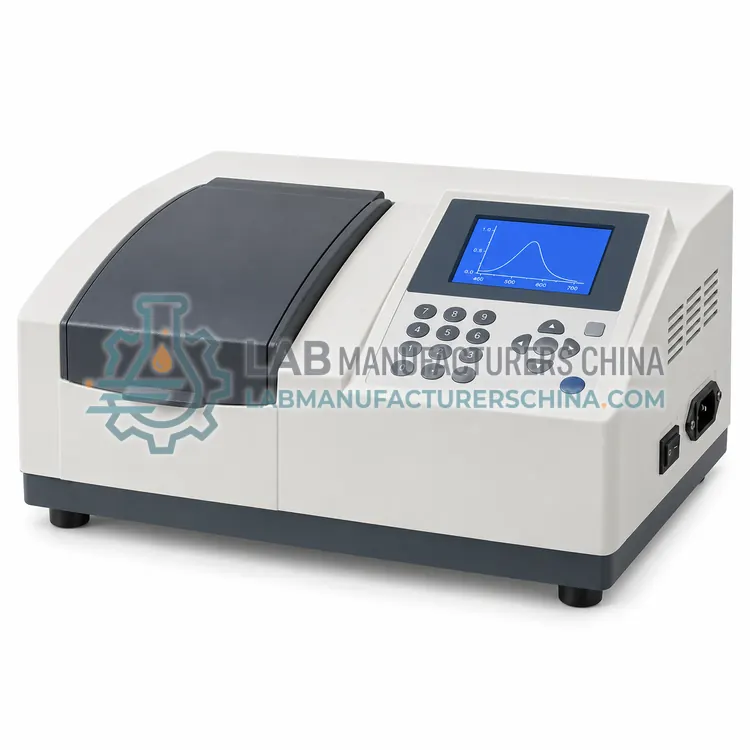
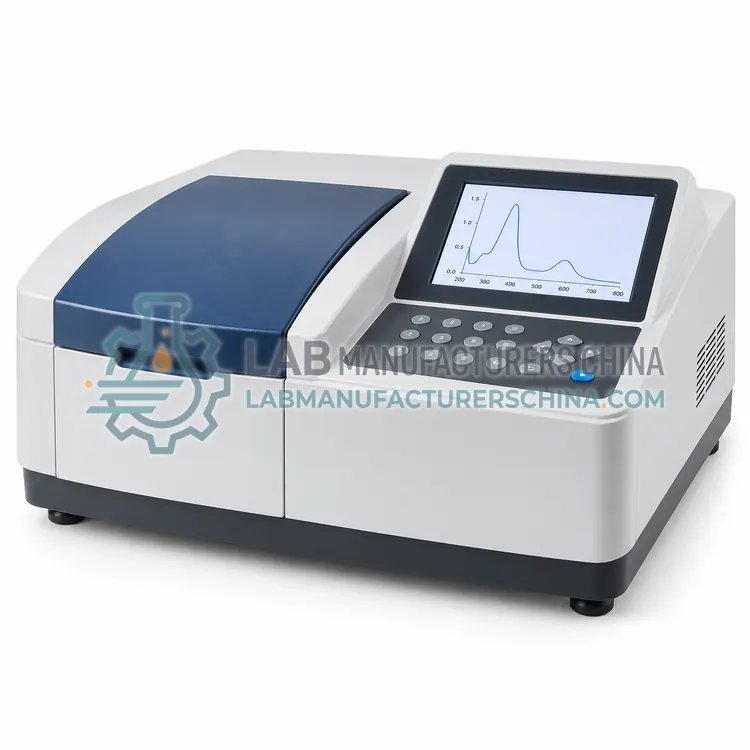
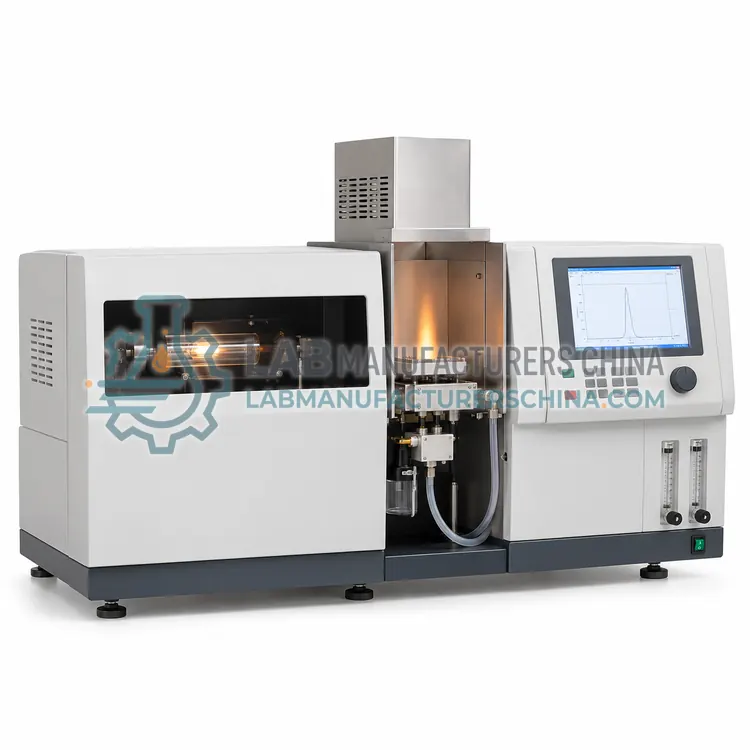
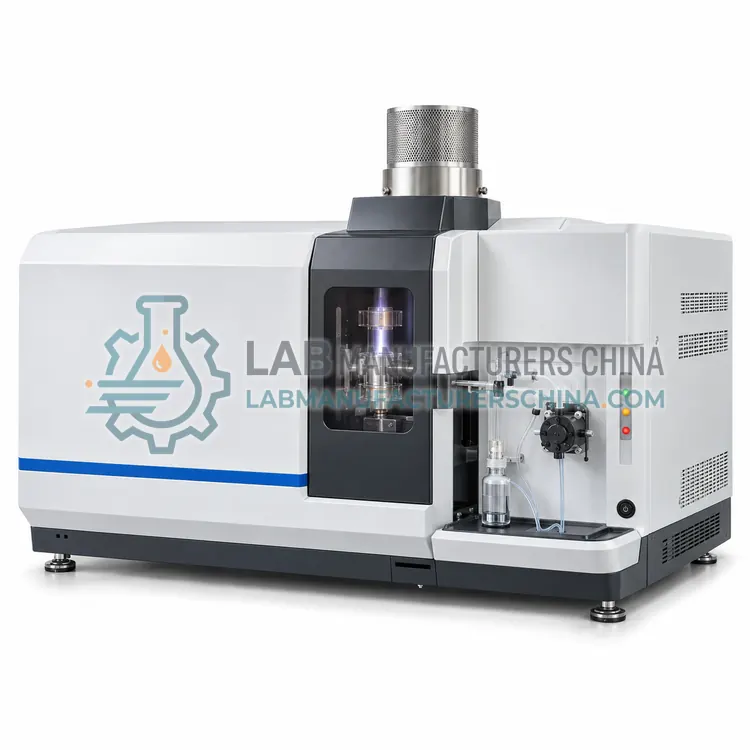
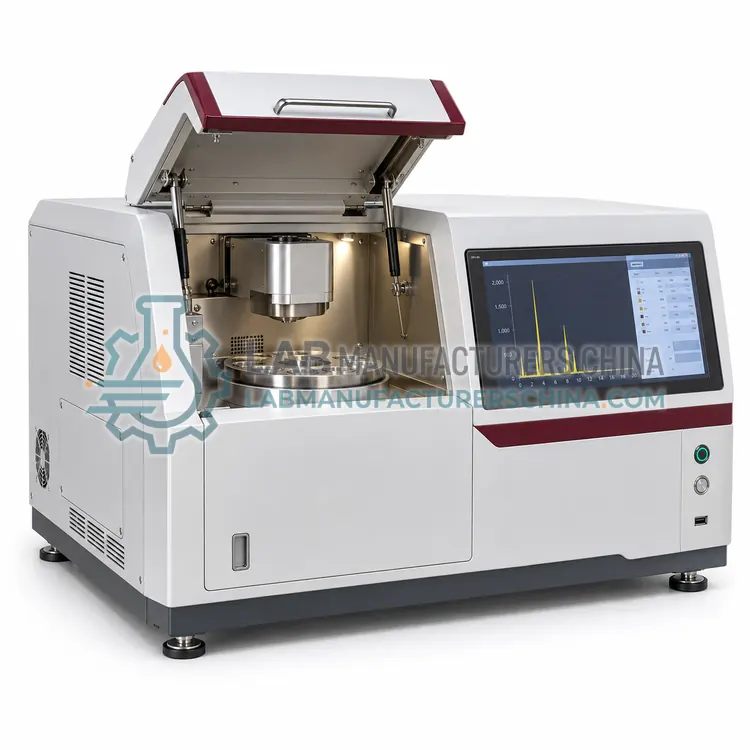
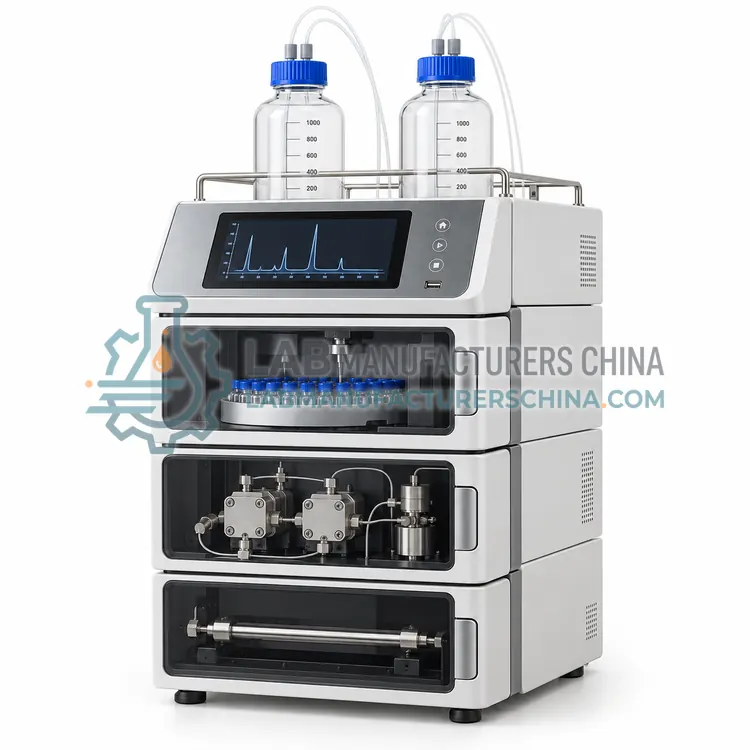
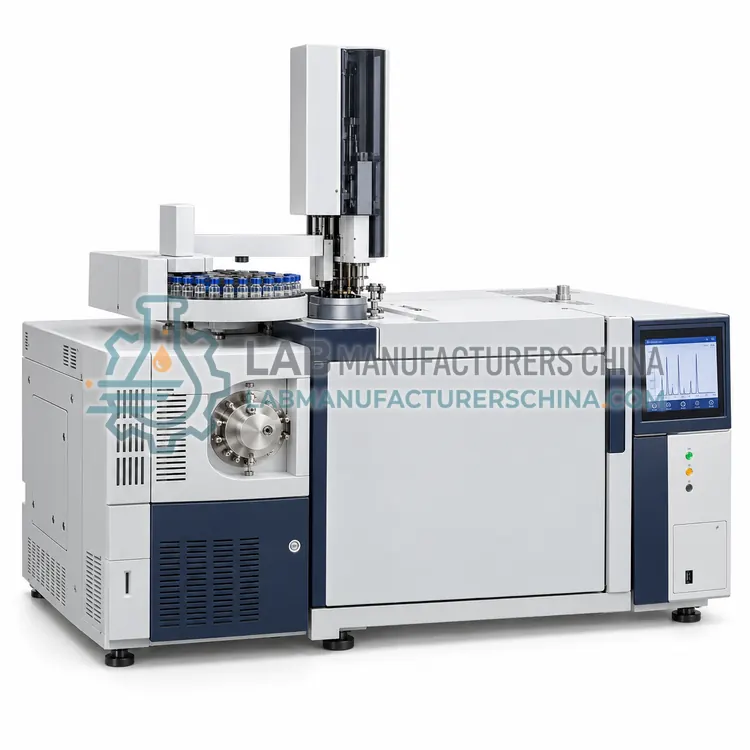
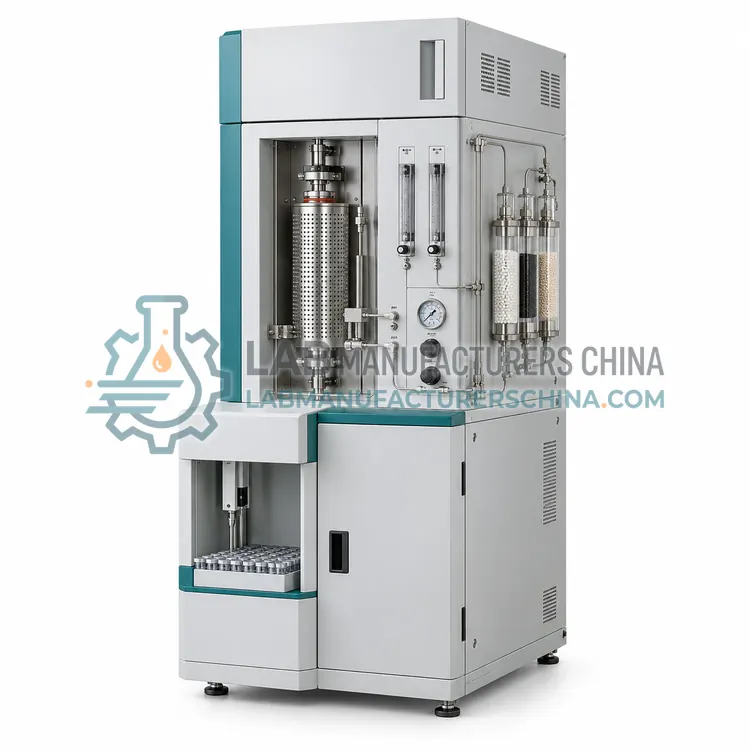
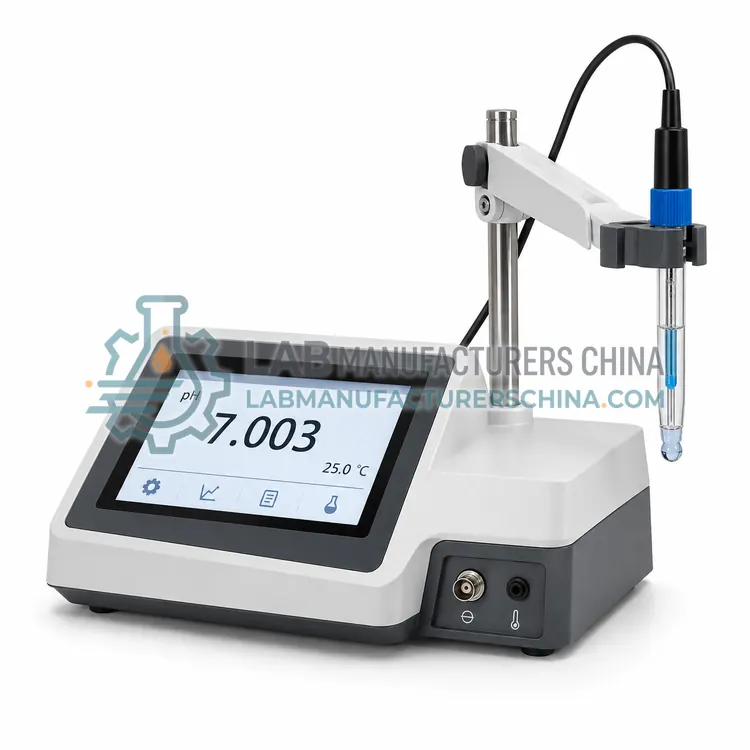
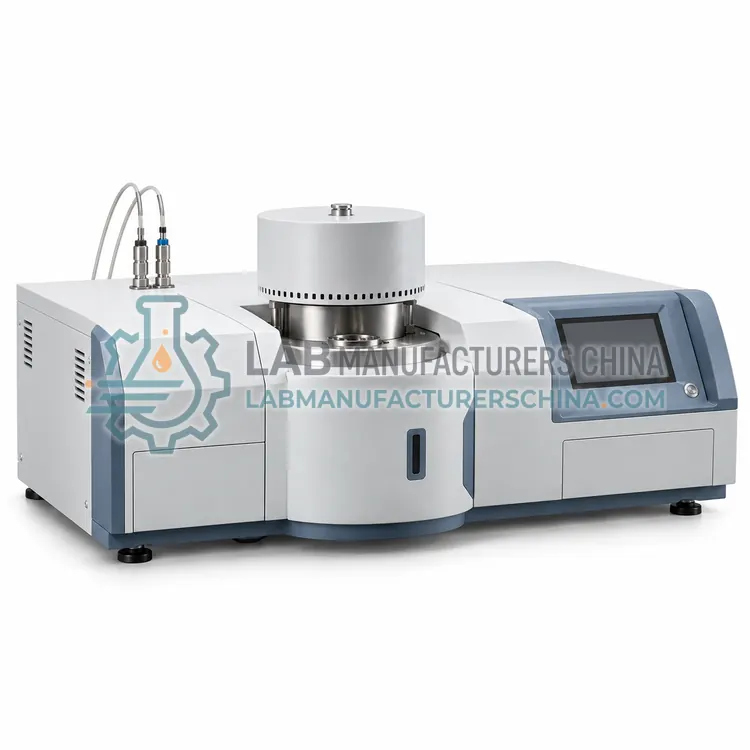
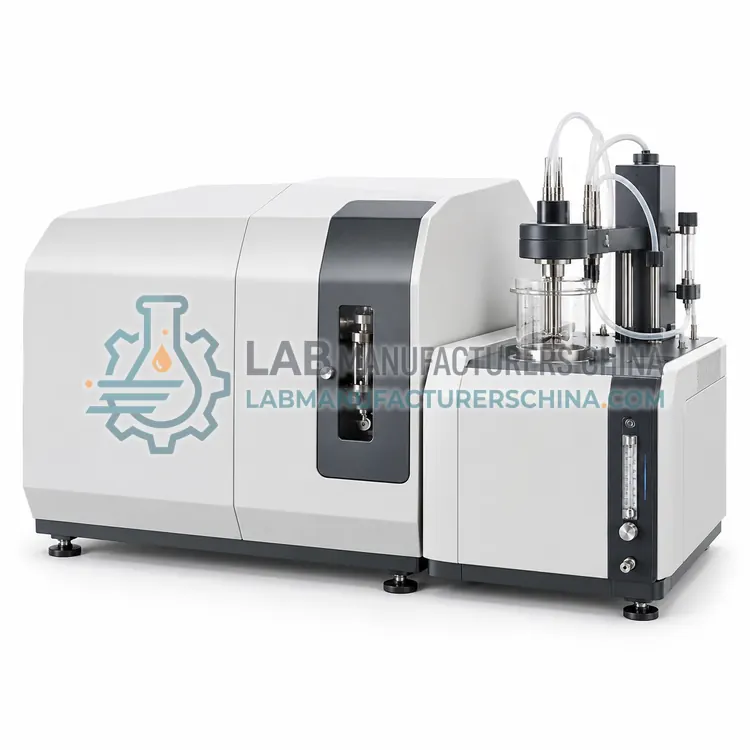
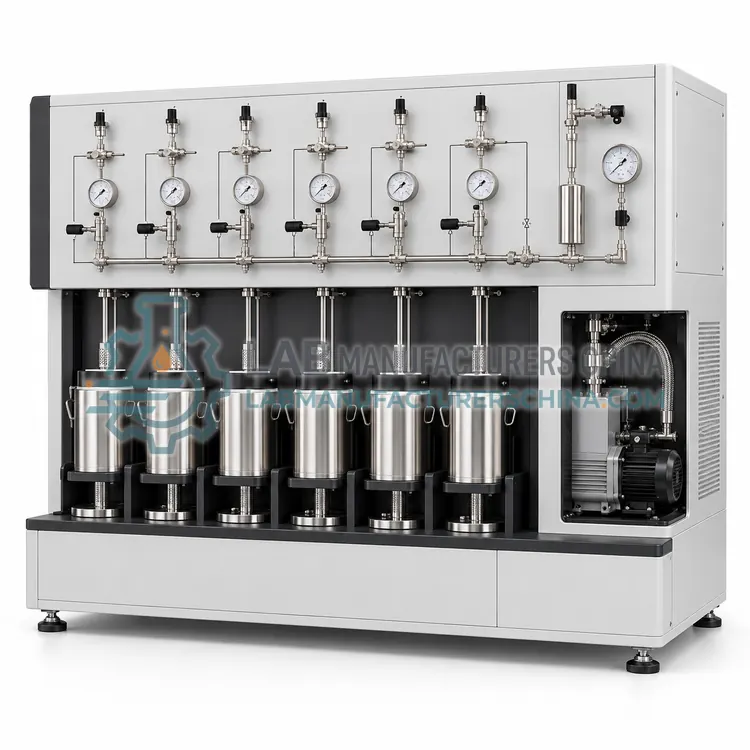
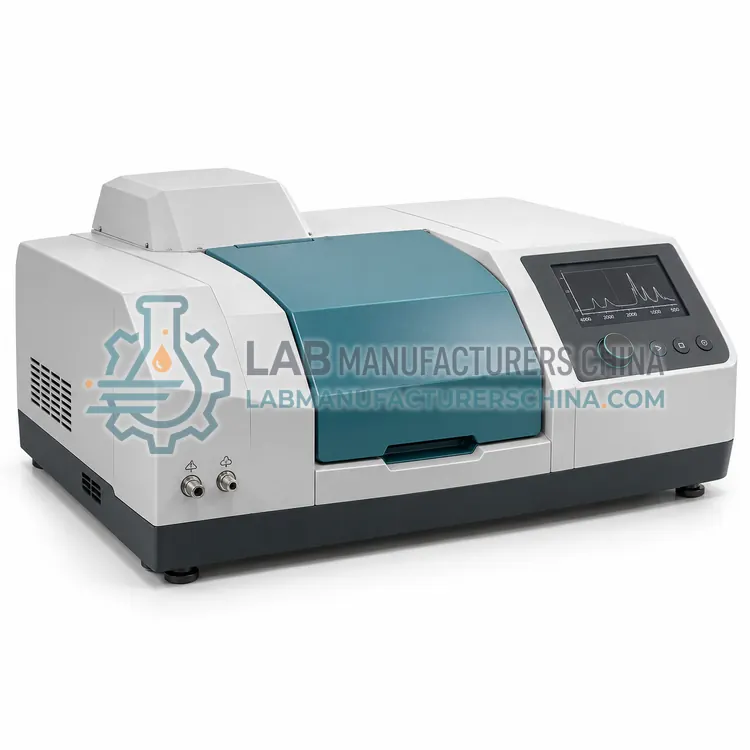
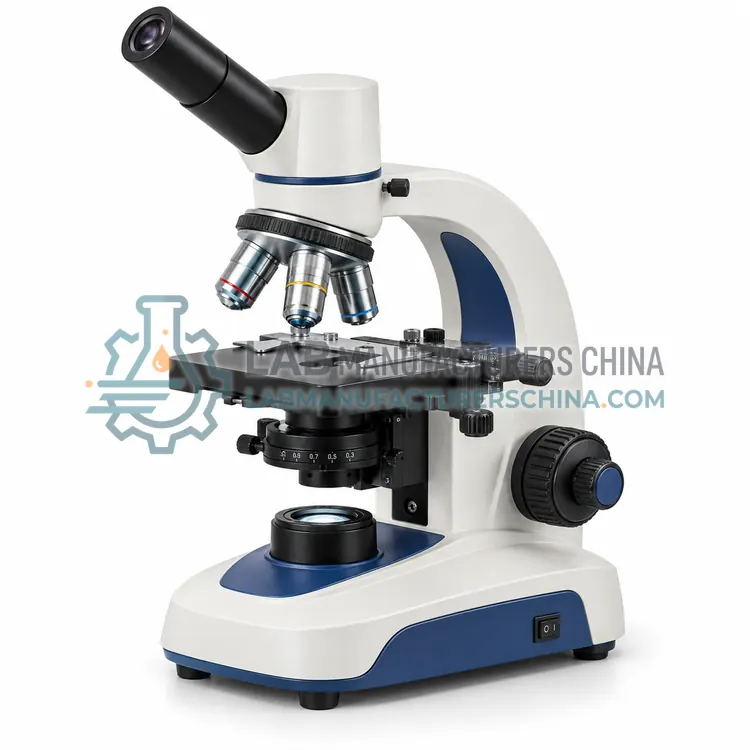
Analytical instruments turn a sample into data: a spectrum, a chromatogram, a mass-to-charge distribution, a thermal curve or a particle-size histogram. This sector groups the equipment used to generate that data, from benchtop photometers and refractometers to hyphenated systems such as LC-MS and ICP-MS.
The main technique families are optical spectroscopy (UV-Vis, infrared, fluorescence, atomic absorption, ICP-OES), separation science (HPLC, gas chromatography, ion chromatography), mass spectrometry, elemental analysis, thermal analysis (DSC, TGA), particle characterization, surface analysis, X-ray methods and microscopy. Each answers a different question, and many laboratories combine several of them on one sample.
Choosing an instrument starts with the analyte, the matrix and the required detection limit, then moves to throughput, automation, software data-integrity features and the standard methods the laboratory must follow. Pharmacopoeial, ASTM, ISO and GB/T methods often fix critical parameters such as wavelength accuracy, column dimensions or detector linearity.
The products in this sector are offered by a Chinese manufacturer and exporter. Specifications are typical values for each variant and are confirmed at quotation. Installation, operator training and qualification documentation such as IQ/OQ can be discussed during the RFQ stage.
Applications
Industries that specify Analytical & Instrumentation equipment.
Frequently asked questions about Analytical & Instrumentation
Analytical instruments identify and measure the composition or properties of a sample. Typical tasks include quantifying an active ingredient, detecting trace metals, measuring particle size, characterizing polymers thermally and confirming the identity of an unknown compound. Results are compared with specifications, regulatory limits or reference standards.
The choice depends on analyte volatility and thermal stability. Gas chromatography suits volatile or semi-volatile compounds that survive heating, such as solvents and fatty acid methyl esters. HPLC suits non-volatile, polar, high-molecular-weight or heat-labile compounds, which covers most pharmaceutical actives and many food additives.
Common references include USP <1058> on analytical instrument qualification, USP <857> for UV-Vis, and Ph. Eur. general chapters. Electrical safety is typically assessed against IEC 61010-1. Which documents apply depends on your industry and regulator, so confirm requirements with your quality unit before issuing an RFQ.
State the analyte and matrix, target detection limit or measuring range, sample throughput, required standard methods, data-integrity and software needs, available utilities such as gas and power, and the installation site. Mention whether qualification documents and operator training are required.