Lab Manufacturers China

Gas Chromatography

气相色谱仪

GAC · Chromatography Instruments · 5 models

By Lab Manufacturers China Technical TeamLast reviewed Standards: USP <621>, USP <467>, Ph. Eur. 2.2.28

Standards referenced

  • USP <621>
  • USP <467>
  • Ph. Eur. 2.2.28
  • ASTM D6729
  • ASTM D5134
  • US EPA Method 8015
  • ISO 6974
  • ChP 0521
  • IEC 61010-1

What are Gas Chromatography?

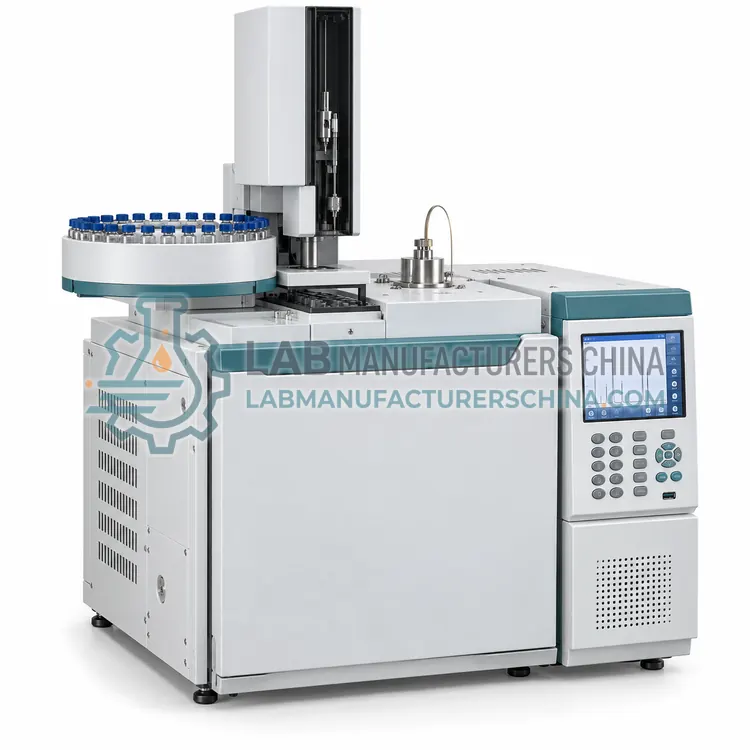
Gas chromatography vaporizes a sample and carries it with an inert gas through a heated column, separating volatile and semi-volatile compounds by boiling point and stationary-phase interaction. A detector such as FID, TCD or ECD quantifies each component. It is used in petrochemical, environmental, food, forensic and pharmaceutical laboratories.

5 models of Gas Chromatography

The 5 models below are current configurations; specifications are confirmed on quotation.

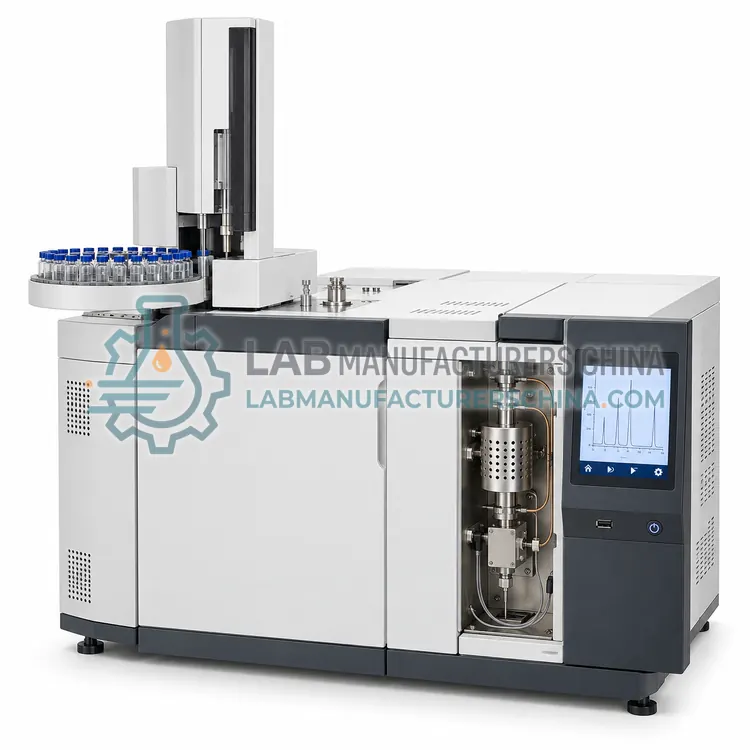
Capillary GC-FID System

毛细管气相色谱 FID 系统

  • GAC-0001
  • Gas Chromatography
  • CE (to be confirmed)
  • ISO 9001 manufacturing (to be confirmed)
  • RoHS (to be confirmed)
Oven temperature range:
Ambient +4 °C to 450 °C
Maximum oven ramp rate:
up to 100 °C/min
Inlet temperature limit:
400 °C
Split ratio range:
1:1 to 1000:1
FID minimum detectable level:
≤1.5 pg C/s
FID linear dynamic range:
≥10⁷

A capillary GC-FID system pairs a split/splitless inlet and temperature-programmed oven with a flame ionization detector. It is the general-purpose configuration for quantifying hydrocarbons, solvents, fatty acid methyl esters and most organic compounds, offering a wide linear range and stable response for routine quality control.

Request a quote
View details

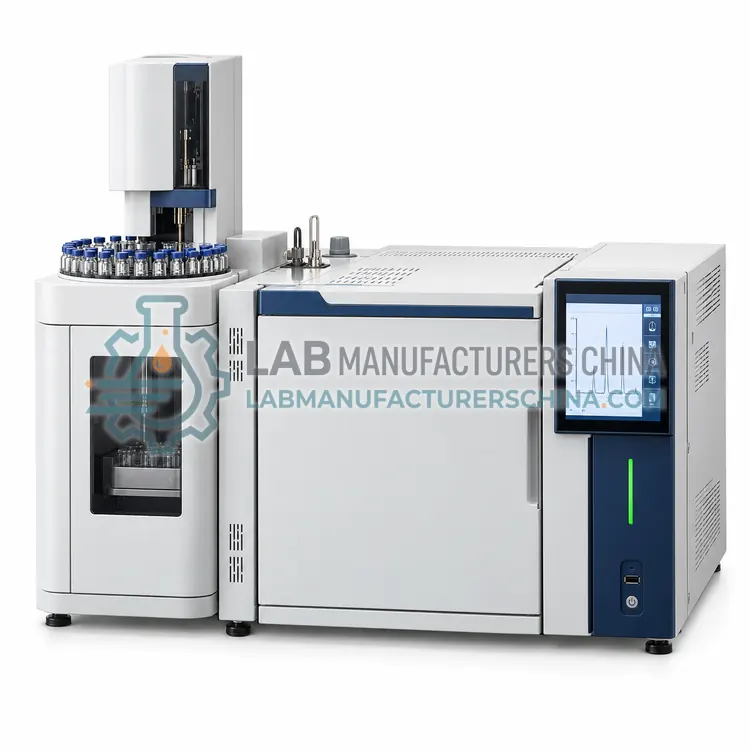
GC-ECD System for Halogenated Compounds

卤代化合物分析气相色谱 ECD 系统

  • GAC-0002
  • Gas Chromatography
  • CE (to be confirmed)
  • ISO 9001 manufacturing (to be confirmed)
  • Radiation source compliance for ⁶³Ni (to be confirmed)
Detector type:
Micro ECD (⁶³Ni, up to 15 mCi, or pulsed discharge)
Minimum detectable level:
≤0.008 pg/s (lindane)
Linear dynamic range:
≥10⁴
Detector temperature:
up to 400 °C
Make-up gas:
Nitrogen or argon/5% methane, 20–60 mL/min
Oven temperature range:
Ambient +4 °C to 450 °C

A GC-ECD system uses an electron capture detector that responds selectively to electronegative atoms such as chlorine, bromine and nitro groups. It is chosen for trace analysis of organochlorine pesticides, PCBs and halogenated solvents, reaching picogram to femtogram detection limits that FID cannot achieve.

Request a quote
View details

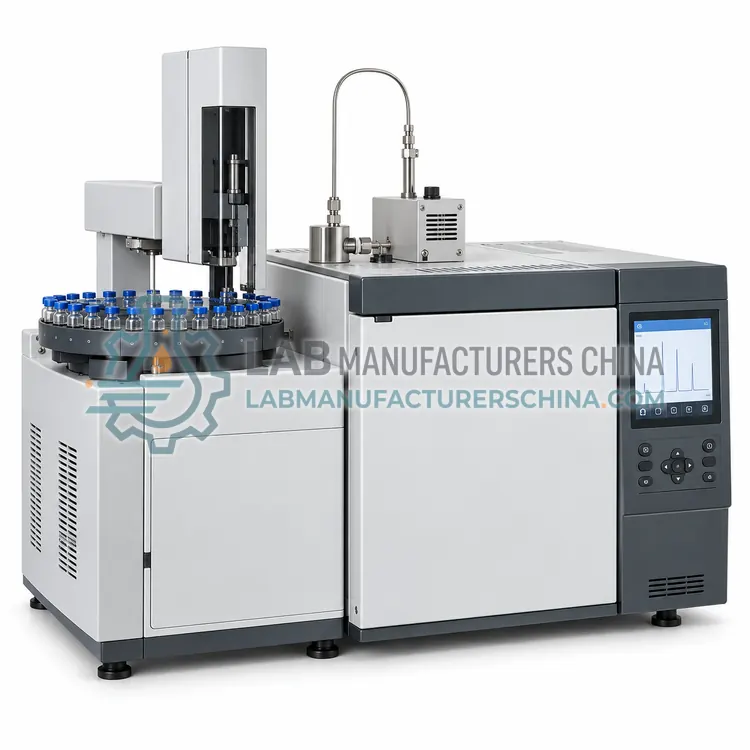
GC-TCD System for Permanent Gases

永久性气体分析气相色谱 TCD 系统

  • GAC-0003
  • Gas Chromatography
  • CE (to be confirmed)
  • ISO 9001 manufacturing (to be confirmed)
  • RoHS (to be confirmed)
Detector type:
Dual-filament TCD
Sensitivity:
≥800 mV·mL/mg (propane in He)
Minimum detectable concentration:
≤400 pg/mL (propane)
Linear dynamic range:
≥10⁵
Detector temperature:
up to 400 °C
Gas sampling valve loop volume:
0.25–1 mL

A GC-TCD system uses a thermal conductivity detector that responds to any compound whose thermal conductivity differs from the carrier gas. It is the standard configuration for permanent gases such as hydrogen, oxygen, nitrogen, CO and CO₂, and for percent-level gas mixtures in industrial, energy and laboratory gas analysis.

Request a quote
View details

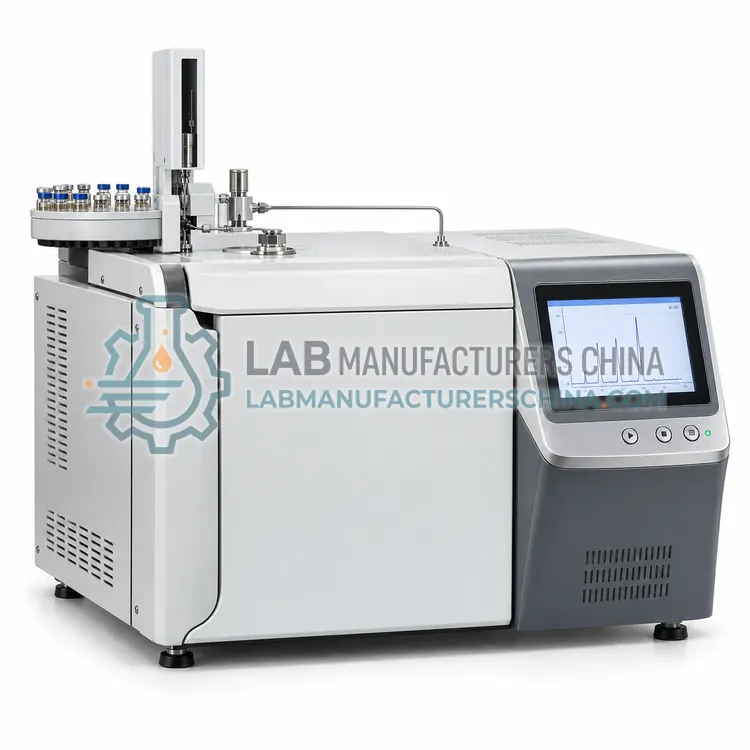
Headspace Gas Chromatograph

顶空气相色谱仪

  • GAC-0004
  • Gas Chromatography
  • CE (to be confirmed)
  • ISO 9001 manufacturing (to be confirmed)
  • RoHS (to be confirmed)
Vial capacity:
12–120 vials (10 or 20 mL)
Oven temperature range:
40–300 °C
Transfer line and valve temperature:
up to 200 °C
Sample loop volume:
1–3 mL
Equilibration time setting:
0–999 min
Temperature stability:
±0.1 °C

A headspace gas chromatograph combines a thermostatted headspace sampler with a GC, analyzing the vapor above a sealed vial rather than injecting the sample matrix. It is chosen for residual solvents, blood alcohol and volatile organics in solids, liquids and polymers, where direct injection would contaminate the system.

Request a quote
View details

Portable Gas Chromatograph

便携式气相色谱仪

  • GAC-0005
  • Gas Chromatography
  • CE (to be confirmed)
  • ISO 9001 manufacturing (to be confirmed)
  • IP rating for field use (to be confirmed)
Detector options:
PID (10.6 eV), micro FID, micro TCD
Detection limit (benzene, PID):
≤1 ppb
Analysis time:
1–10 min
Column length:
5–20 m
Maximum oven temperature:
200–250 °C
Oven ramp rate:
up to 300 °C/min

A portable gas chromatograph is a battery-operated, low-thermal-mass GC built for on-site measurement of volatile organic compounds and gases. It is chosen for field screening, emergency response and process checks where samples cannot be transported to the laboratory, trading peak capacity and sensitivity for speed and mobility.

Request a quote
View details

Compare Gas Chromatography models

ModelOven temperature rangeRetention time repeatability (RSD)Peak area repeatability (RSD)Autosampler capacityDetector type
Capillary GC-FID SystemGAC-0001Ambient +4 °C to 450 °C≤0.008%≤1.0%50–150 vials—
GC-ECD System for Halogenated CompoundsGAC-0002Ambient +4 °C to 450 °C—≤2.0%50–150 vialsMicro ECD (⁶³Ni, up to 15 mCi, or pulsed discharge)
GC-TCD System for Permanent GasesGAC-0003Ambient +4 °C to 400 °C≤0.05%≤1.0%—Dual-filament TCD
Headspace Gas ChromatographGAC-000440–300 °C————
Portable Gas ChromatographGAC-0005—————

Indicative values for this product class. Final specifications are confirmed on the quotation and in the calibration documents supplied with the instrument.

How do Gas Chromatography work?

A gas chromatograph injects a liquid or gas sample into a heated inlet, commonly split/splitless at 150–350 °C, where it vaporizes and mixes with carrier gas such as helium, hydrogen or nitrogen. The vapor passes through a capillary column, typically 15–60 m long, 0.25 mm internal diameter, coated with a polysiloxane or polyethylene glycol film of 0.1–1.0 µm. Analytes partition between gas and film according to volatility and polarity. A programmable oven ramps temperature, often from 40 to 300 °C, eluting compounds in boiling-point order. Detectors respond differently: the flame ionization detector senses carbon-containing compounds, the thermal conductivity detector responds to all gases, the electron capture detector to electronegative halogens, and mass spectrometers give identification. Electronic pneumatic control regulates pressure and flow to keep retention times reproducible.

Which Gas Chromatography variants are available?

  • Capillary GC-FID System — A capillary GC-FID system pairs a split/splitless inlet and temperature-programmed oven with a flame ionization detector.
  • GC-ECD System for Halogenated Compounds — A GC-ECD system uses an electron capture detector that responds selectively to electronegative atoms such as chlorine, bromine and nitro groups.
  • GC-TCD System for Permanent Gases — A GC-TCD system uses a thermal conductivity detector that responds to any compound whose thermal conductivity differs from the carrier gas.
  • Headspace Gas Chromatograph — A headspace gas chromatograph combines a thermostatted headspace sampler with a GC, analyzing the vapor above a sealed vial rather than injecting the sample matrix.
  • Portable Gas Chromatograph — A portable gas chromatograph is a battery-operated, low-thermal-mass GC built for on-site measurement of volatile organic compounds and gases.

How do I choose the right variant?

Choose the detector first, because it defines what you can measure. FID covers hydrocarbons, solvents and most organic compounds at ppm to ppb levels; ECD is selective for halogenated pesticides and PCBs at ppt levels; TCD is universal and suits permanent gases and percent-level analysis. Headspace sampling is selected for volatile analytes in solid or liquid matrices without injecting the matrix. Portable GC suits field screening. Then consider inlet type, number of detectors, oven ramp rate, electronic pneumatic control precision, autosampler capacity, and carrier gas availability, since hydrogen generators can replace helium. Confirm software support for regulatory reporting, and compare column compatibility with your validated methods, including ASTM, EPA or pharmacopoeial procedures that specify particular phases and dimensions.

Where are Gas Chromatography used?

Gas Chromatography are specified in residual solvent testing in pharmaceuticals, petrochemical hydrocarbon and purity analysis, environmental volatile organic compounds, pesticide residue screening and fatty acid methyl ester profiling in foods and oils.

Which standards and certifications apply?

Work with Gas Chromatography is commonly governed by USP <621>, USP <467>, Ph. Eur. 2.2.28, ASTM D6729, ASTM D5134, US EPA Method 8015, ISO 6974, ChP 0521 and IEC 61010-1. Instrument certifications such as CE marking are confirmed per configuration and never assumed.

What are the key considerations before purchase?

Provide high-purity carrier and detector gases, at least 99.999%, with moisture, oxygen and hydrocarbon traps, and install leak-tight fittings since oxygen damages columns at high temperature. If hydrogen is used, install a hydrogen sensor and follow flammable gas safety requirements. Condition new columns following the manufacturer's procedure and respect maximum temperature limits. Replace septa, inlet liners and O-rings regularly, and trim the column inlet to restore peak shape. Verify oven temperature, flow and detector sensitivity during qualification under USP <1058>. Ventilate exhaust, particularly when analyzing toxic solvents, and keep a stable laboratory temperature for electronic pneumatics.

Frequently asked questions about Gas Chromatography

Gas chromatography analyzes compounds that can be vaporized without decomposing, generally with boiling points below about 400 °C and molecular weights under roughly 500 Da. This includes hydrocarbons, solvents, pesticides, fatty acid esters and permanent gases. Polar or non-volatile compounds may need derivatization.

Need help specifying Gas Chromatography?

Request a quote