
Life Science & Biotechnology Laboratory Equipment
生命科学与生物技术
Sector LSB · 14 categories · 69 product types
By Lab Manufacturers China Technical TeamLast reviewed
What is Life Science & Biotechnology?
Life Science & Biotechnology equipment supports work with nucleic acids, proteins, cells and microorganisms. It includes PCR and electrophoresis systems, genomics and protein analysis tools, cell culture and flow cytometry equipment, microplate readers, microbiology equipment, fermenters and bioreactors used in research, biopharma and diagnostics laboratories.
14 categories in Life Science & Biotechnology
Browse the 14 categories, then the product types and models inside them.
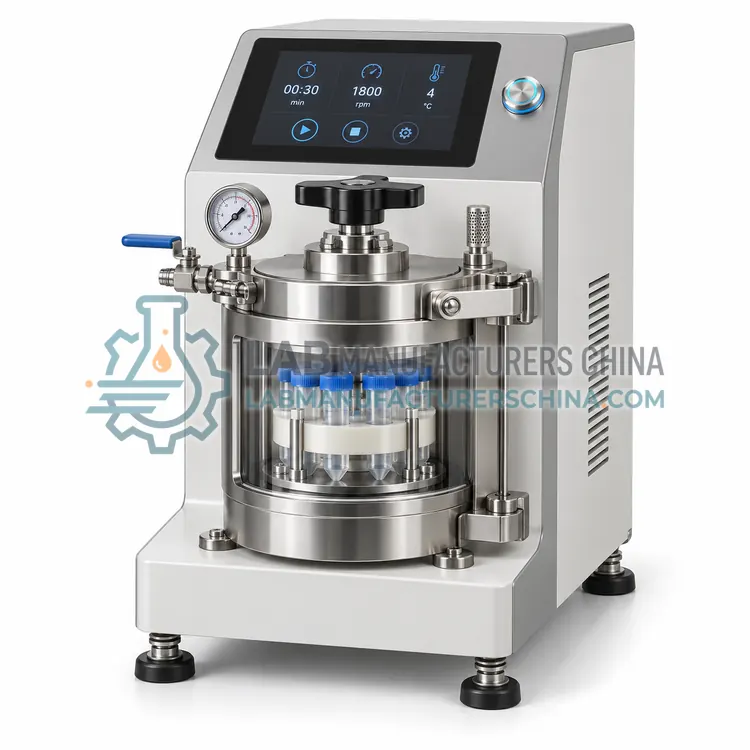
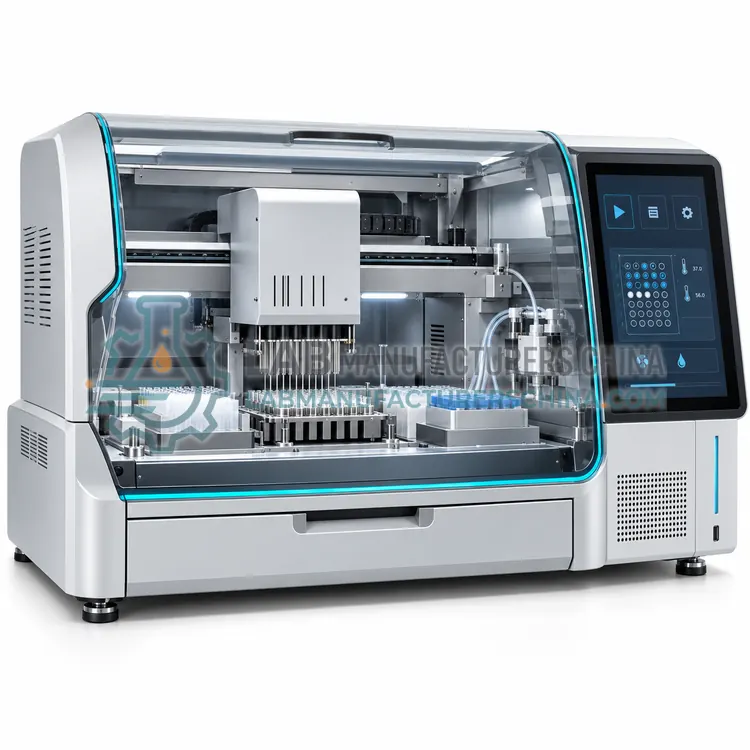
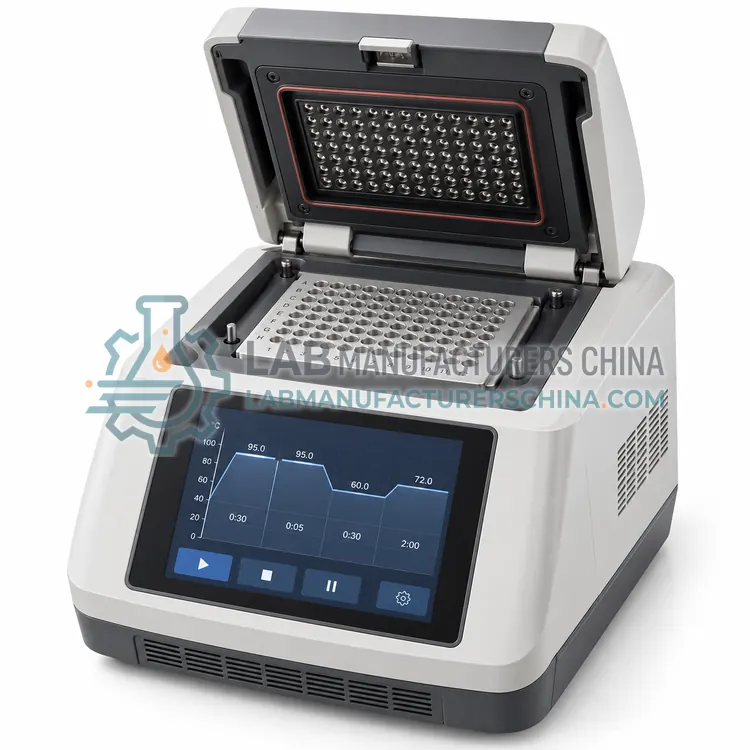
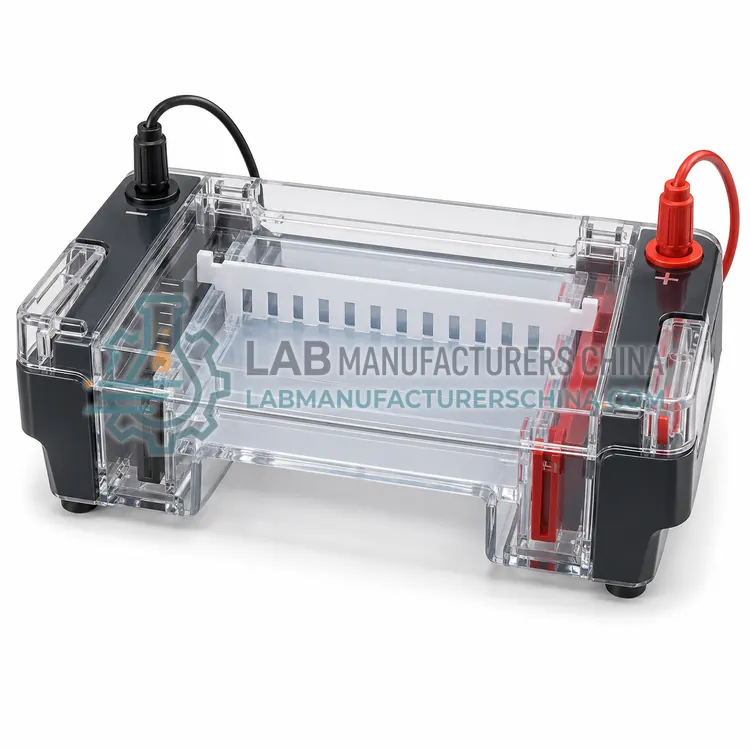
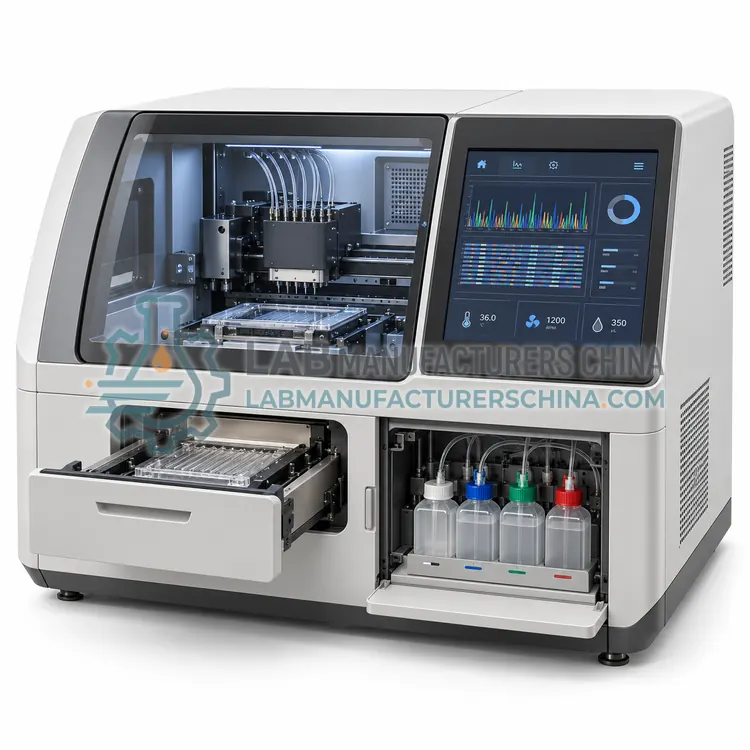
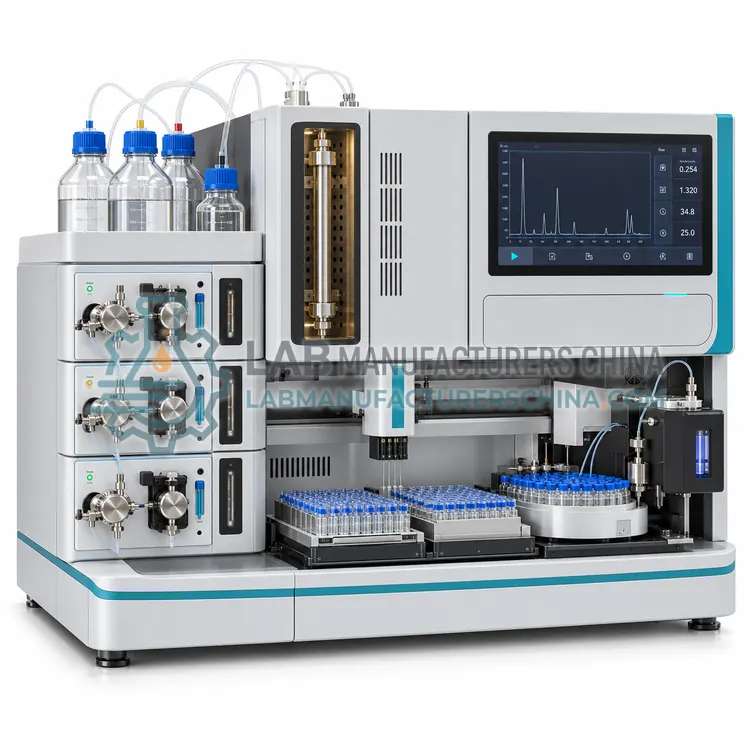
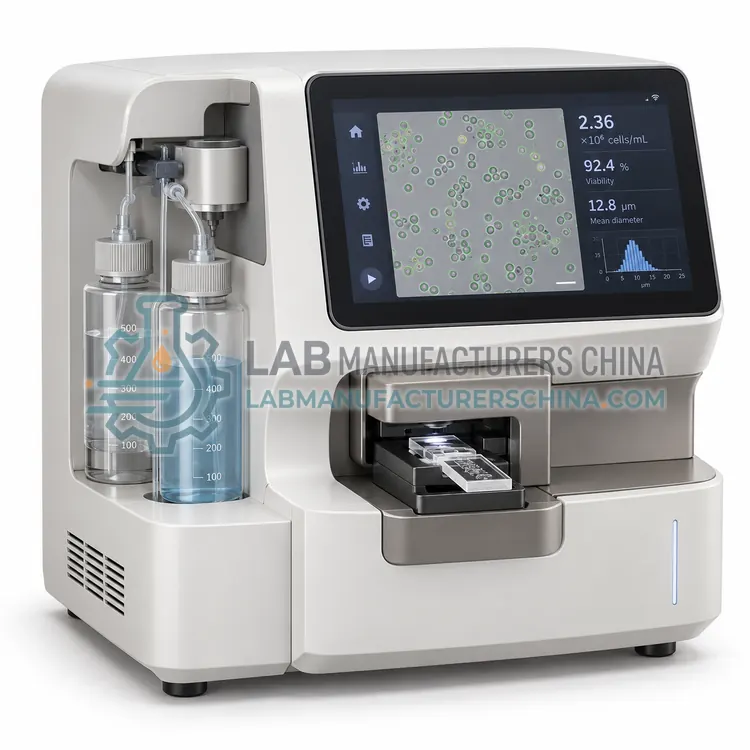
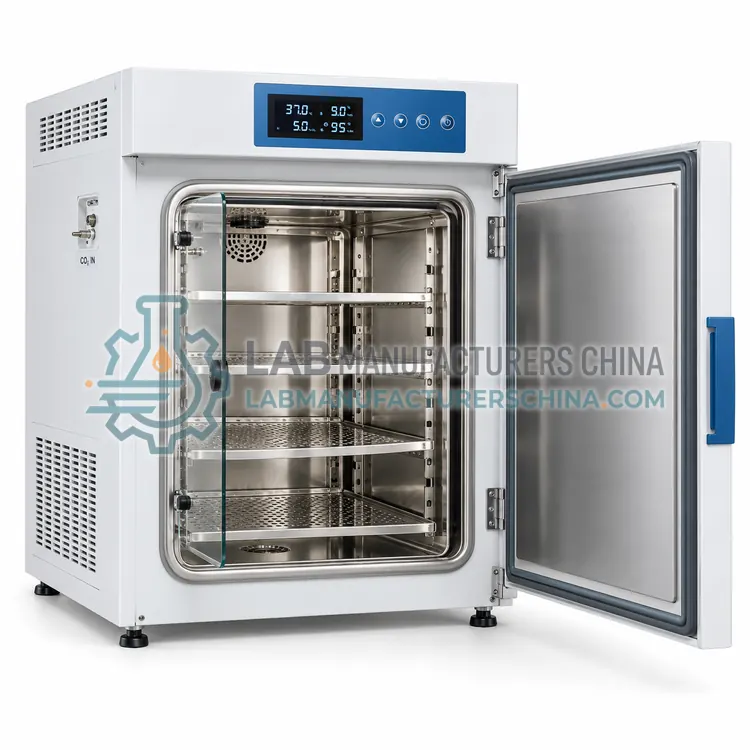
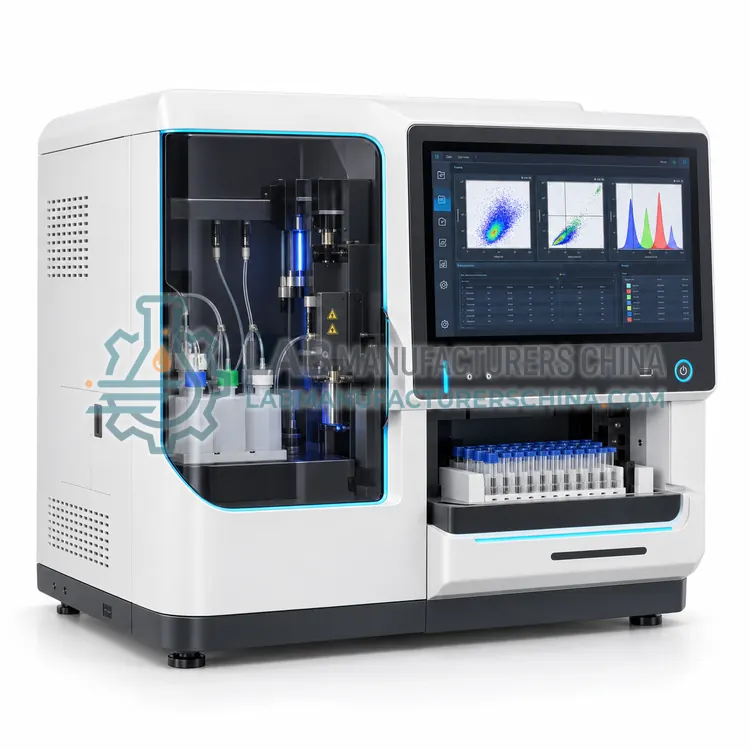
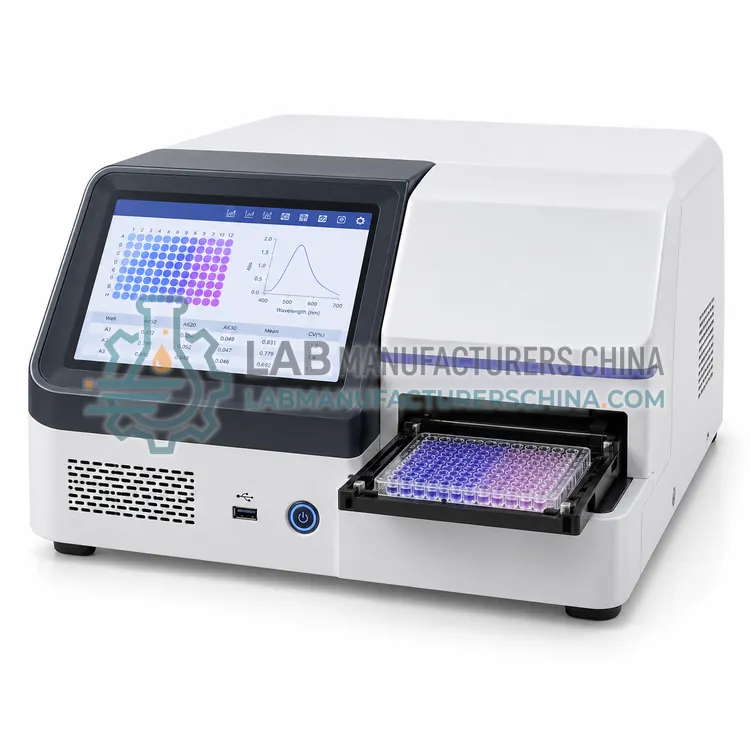
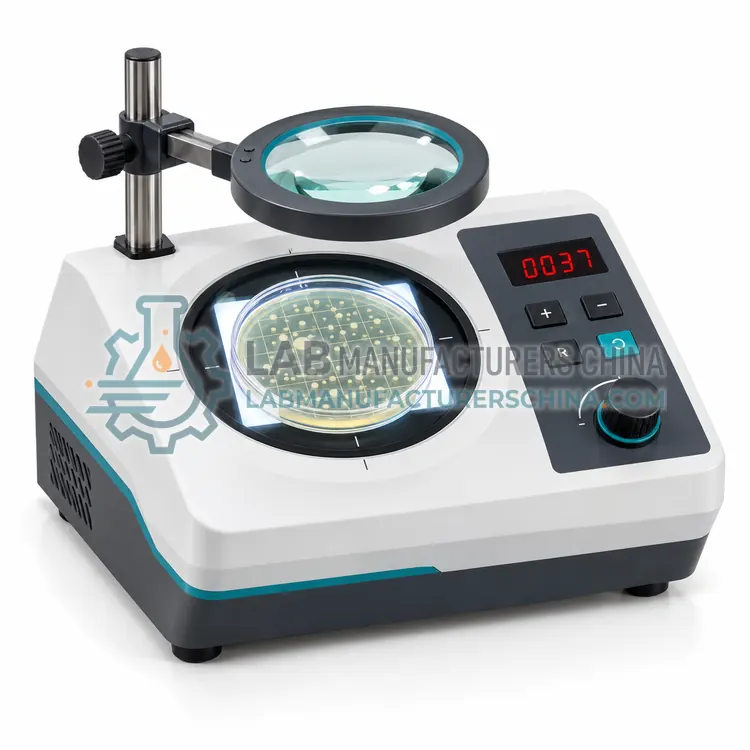
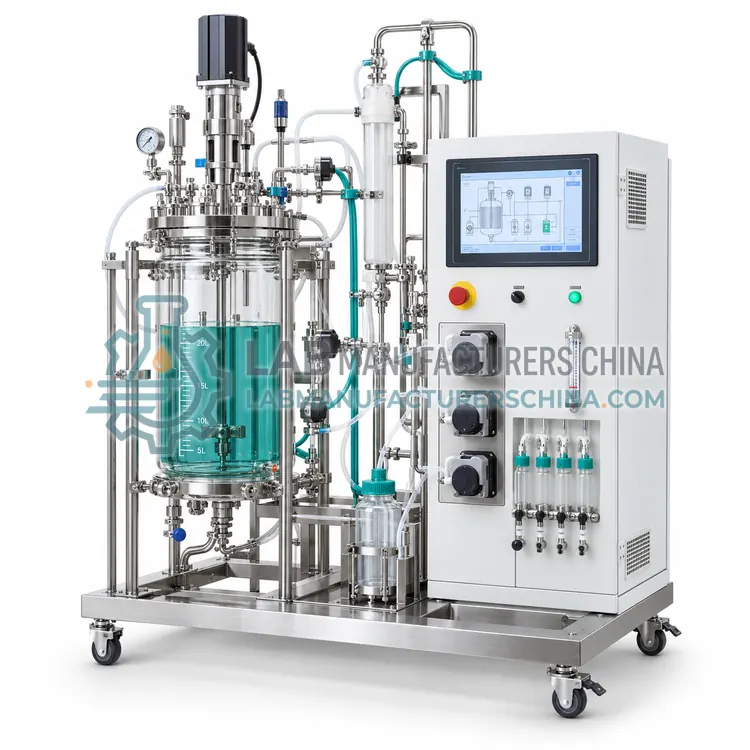
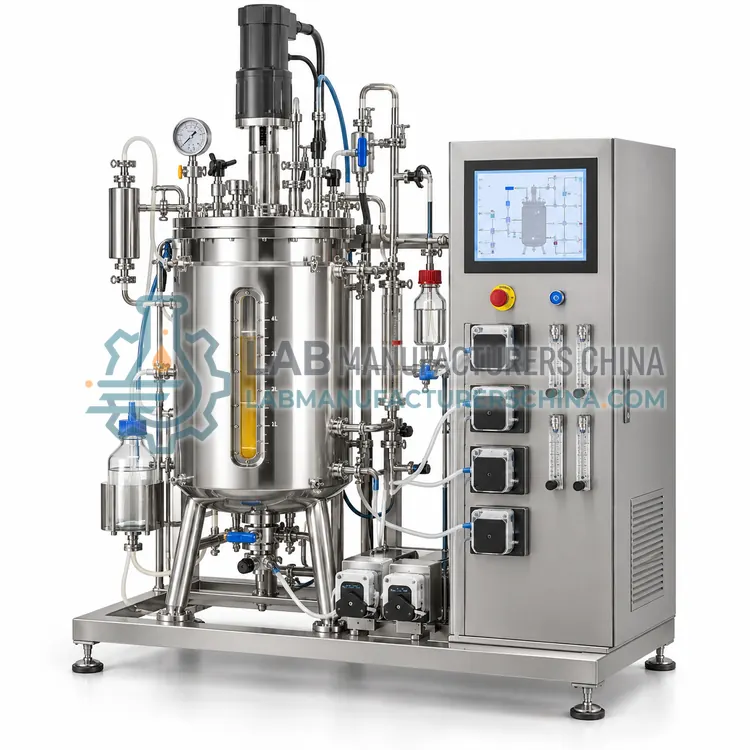
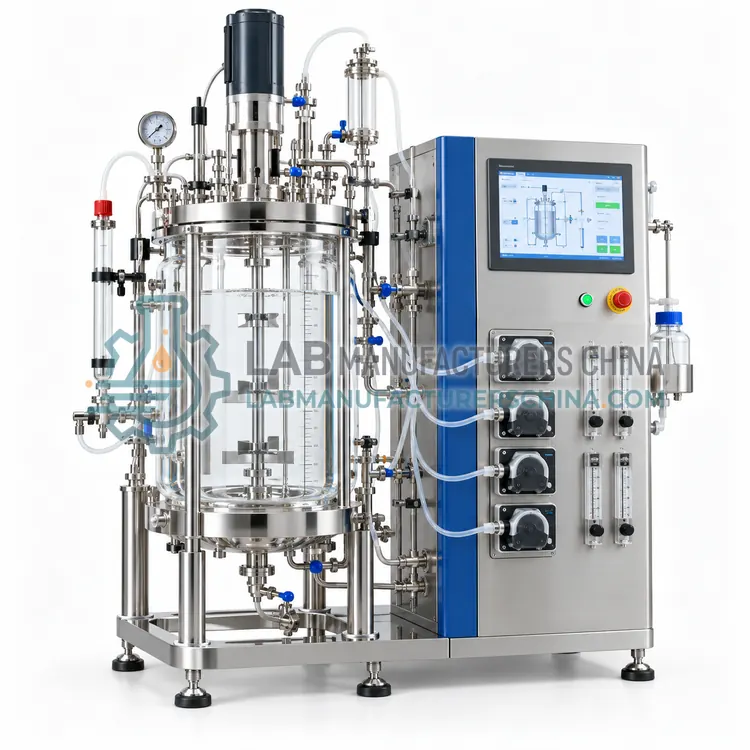
Life science laboratories work with materials that are small in quantity, sensitive to contamination and often alive. Equipment in this sector is built around those constraints: precise temperature control, sterile or contained workspaces, and detection methods that work at nanogram or single-cell scale.
The sector covers molecular biology and PCR thermal cyclers including real-time systems, gel and capillary electrophoresis, genomics and protein analysis equipment, cell culture incubators such as CO2 incubators, flow cytometers, microplate readers and washers, microbiology equipment including colony counters, and fermentation systems from benchtop vessels to bioreactors.
Selection depends on the assay format and throughput. A PCR thermal cycler is specified by block format, ramp rate and uniformity; a CO2 incubator by chamber volume, contamination control and gas sensor type; a bioreactor by working volume, mixing, sensors and control of pH, dissolved oxygen and temperature.
Many applications also need infrastructure from other sectors, such as biosafety cabinets, ultra-low freezers and purified water. Products in this sector are offered by a Chinese manufacturer and exporter; specifications are typical values confirmed at quotation, and any regulatory status for diagnostic use must be confirmed separately.
Applications
Industries that specify Life Science & Biotechnology equipment.
Frequently asked questions about Life Science & Biotechnology
A basic setup usually includes pipettes, a microcentrifuge, a PCR thermal cycler, a gel electrophoresis system with power supply and imaging, a vortex mixer, a freezer, a biosafety cabinet or PCR workstation, and a water bath or dry block. Real-time PCR and a spectrophotometer are common additions.
Conventional PCR amplifies DNA and detects the product afterward, usually by gel electrophoresis. Real-time PCR, or qPCR, measures fluorescence during each cycle, which allows quantification and removes the post-amplification step. Real-time systems need optical modules and suitable software.
Consider chamber volume, contamination control features such as HEPA filtration and high-temperature decontamination, CO2 sensor type (infrared or thermal conductivity), humidity method, door design and temperature uniformity. Match these to the cell types, sterility risk and number of users in your laboratory.
Not by default. Most research-use equipment is supplied without diagnostic registration. If you need in vitro diagnostic use, ask about the applicable regulatory status, such as CE IVDR or national registration, at the RFQ stage. Any certification listed is marked to be confirmed until documents are provided.