
PCR Equipment
PCR 设备
CPCE · Life Science & Biotechnology · 5 product types · 25 models
By Lab Manufacturers China Technical TeamLast reviewed
What are PCR Equipment?
PCR equipment covers instruments and enclosures used to amplify and quantify nucleic acids by the polymerase chain reaction, including conventional, real-time, digital and gradient thermal cyclers and contamination-control workstations. Clinical, research, forensic, food safety and environmental laboratories use them to detect, quantify and study DNA and RNA targets.
5 product types in PCR Equipment
The 5 product types below are grouped by the exact instrument you need.
- COP5 models
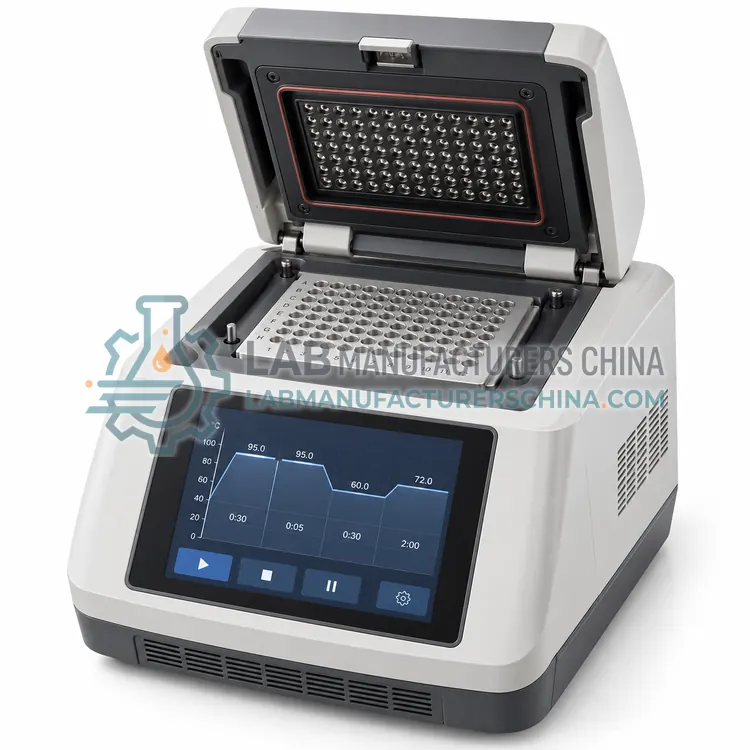
Conventional PCR
常规 PCR 仪
Conventional PCR thermal cyclers amplify a target DNA sequence by repeating denaturation, annealing and extension cycles in a programmable heating block, with results read afterwards by gel electrophoresis. They are used in molecular biology research, cloning, genotyping and diagnostics laboratories that need end-point amplification rather than real-time quantification.
- RTP5 models
Real-Time PCR
实时荧光定量 PCR 仪
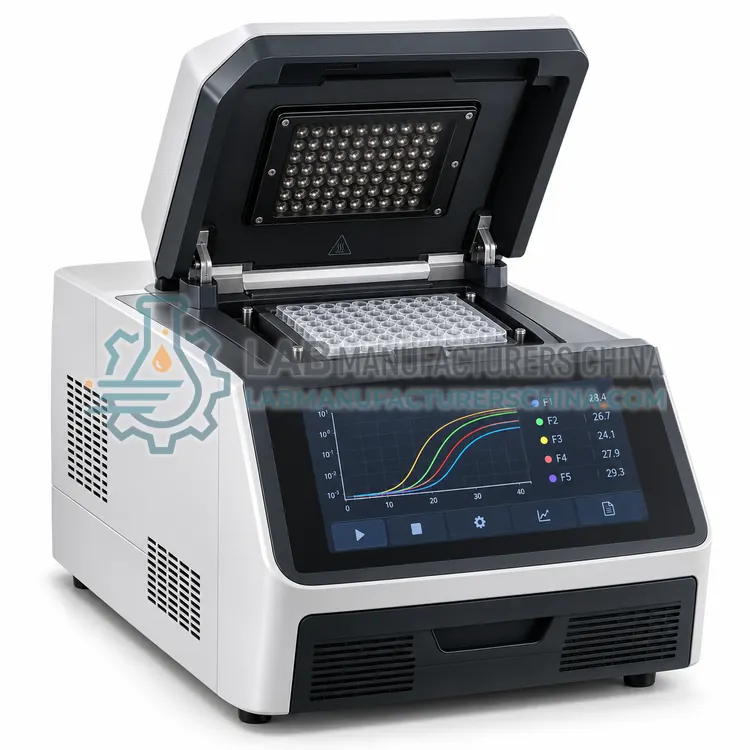
Real-time PCR systems, also called qPCR instruments, combine a thermal cycler with an optical module that measures fluorescence in every cycle, so amplification is followed as it happens. They quantify nucleic acids, detect pathogens and measure gene expression in clinical, research, food safety and environmental laboratories.
- DPC5 models
Digital PCR
数字 PCR 仪
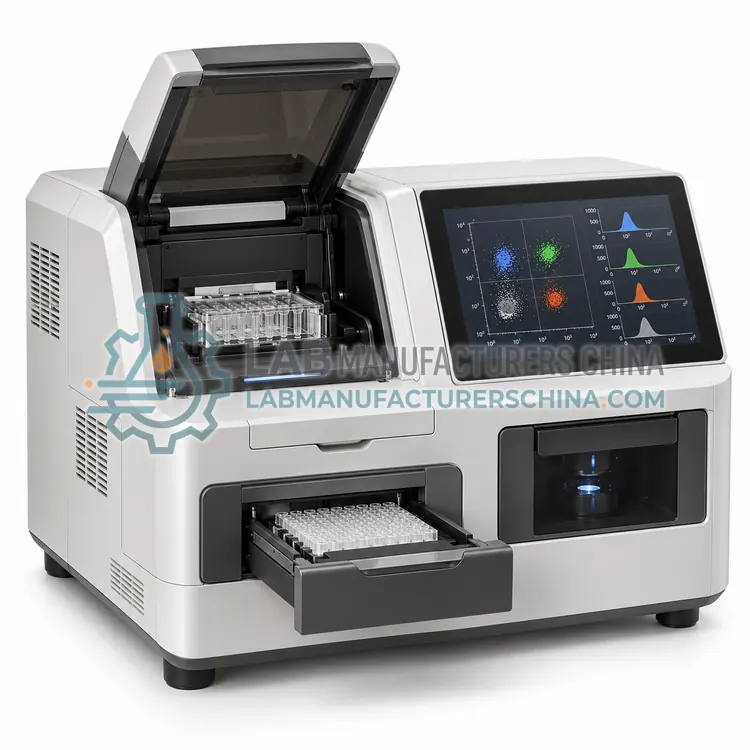
Digital PCR systems split a reaction into thousands of partitions so each holds zero or a few template molecules, then count positive partitions after end-point amplification. Poisson statistics convert the count into absolute copy number without a standard curve. They serve rare-mutation detection, copy-number analysis, viral load and reference-material work.
- GRP5 models
Gradient PCR
梯度 PCR 仪
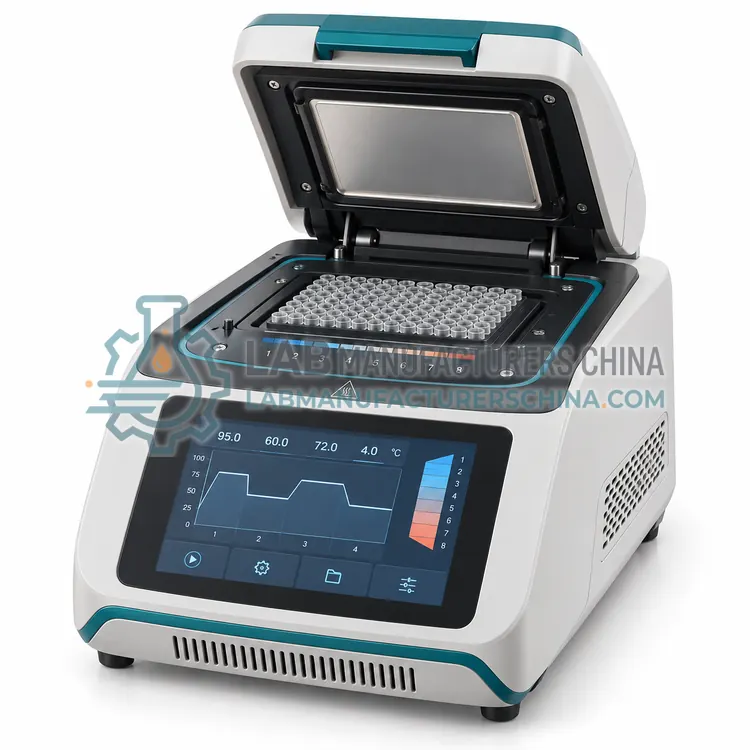
Gradient PCR thermal cyclers apply a controlled temperature difference across the block, so different columns or zones run at different annealing temperatures in one experiment. They are used to optimise primer annealing, compare polymerases and buffers, and develop multiplex or difficult-template assays without repeating runs.
- PCW5 models
PCR Workstations
PCR 工作站
PCR workstations are enclosed or hooded work areas for setting up PCR reactions with minimal contamination. They use HEPA-filtered airflow, UV decontamination or both to protect samples and reagents from airborne DNA, amplicons and particulates. Molecular diagnostic, forensic and research laboratories use them for pre-amplification set-up.
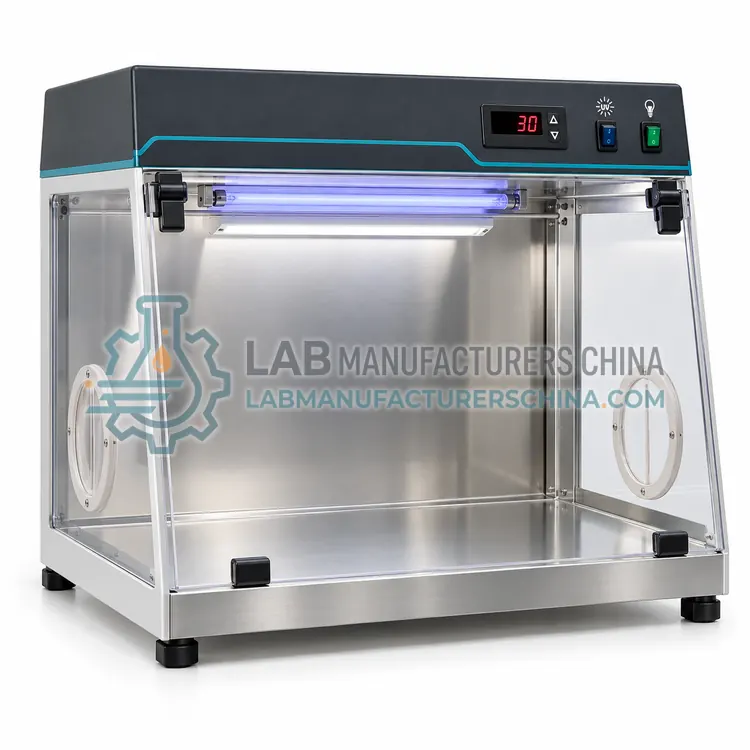
What are PCR Equipment?
PCR equipment is the family of instruments that make the polymerase chain reaction practical in a laboratory. The core device is the thermal cycler, which cycles a reaction tube or plate through precise temperatures so a DNA polymerase can copy a chosen sequence millions of times. Variants add fluorescence optics for real-time quantification, partitioning units for digital counting, or temperature gradients for assay optimisation. Around the cycler sit workstations that protect pre-amplification work from contamination with HEPA airflow and ultraviolet decontamination. Together these products support the complete PCR workflow from reaction set-up to analysis, and are used wherever nucleic acid sequences must be detected, measured or prepared for later steps such as sequencing and cloning.
How do PCR Equipment work?
A PCR cycle has three temperature steps: denaturation at about 94–98 °C separates the DNA strands, annealing at 50–68 °C lets primers bind the target, and extension at about 72 °C lets a thermostable polymerase build new strands. Thermal cyclers achieve this with Peltier blocks or air-heated chambers and a feedback loop from temperature sensors. Real-time instruments add LED or lamp excitation and detectors to read fluorescence every cycle, so the cycle threshold gives relative or absolute quantity. Digital PCR divides the sample into thousands of partitions and counts positive ones using Poisson statistics. Gradient cyclers vary the block temperature across columns. Workstations use HEPA filtration, directed airflow and UV-C light to limit airborne DNA.
Where are PCR Equipment used?
PCR equipment is used across clinical diagnostics, where real-time systems detect viruses and bacteria and monitor viral load; in research laboratories for cloning, gene expression and genotyping; in forensic laboratories for DNA profiling; in food and agricultural testing for pathogens, allergens and genetically modified organisms; and in environmental monitoring of microbial communities. Digital PCR supports liquid biopsy, rare-mutation detection, copy-number analysis and certification of reference materials. Gradient cyclers serve assay developers optimising primers. Workstations are installed in pre-amplification rooms of diagnostic and forensic laboratories to keep reagents and trace samples free from amplicon carry-over. Teaching laboratories use compact cyclers for training in molecular biology methods.
Which standards apply to PCR Equipment?
Instrument safety is covered by IEC 61010-1 and the particular requirements in IEC 61010-2-010 for heating and IEC 61010-2-101 for in vitro diagnostic equipment. ISO 20395 sets requirements for evaluating the performance of nucleic acid quantification methods including qPCR and digital PCR, and ISO 22174 covers general requirements for PCR detection of foodborne pathogens. CLSI MM19 guides establishing molecular testing in clinical laboratories. Research reporting follows the MIQE and dMIQE guidelines. Workstation cabinets are assessed against EN 12469 or NSF/ANSI 49 for biosafety cabinets, EN 1822 for HEPA filters and ISO 14644-1 for air cleanliness. Laboratories also apply ISO 17025 or ISO 15189 to calibration and quality management.
How do I select the right pcr equipment?
Start from the question the laboratory must answer. End-point answers such as cloning or genotyping need a conventional cycler, and assay optimisation benefits from gradient or multi-zone blocks. Quantification, viral load and expression studies need real-time PCR with enough optical channels for controls and multiplexing. Absolute copy number, rare alleles and reference-material work point to digital PCR. Next consider throughput, from 16-well portable units to 384-well automated systems, and the required uniformity and ramp rate. Add contamination control through a dead-air cabinet, HEPA hood, Class II cabinet or automated set-up station, matched to risk. Finally compare service, calibration documentation, software data-integrity features and consumable supply and cost.
PCR Equipment comparison
| Subcategory | Principle | Typical use | Key spec |
|---|---|---|---|
| Conventional PCR | Peltier thermal cycling with end-point analysis | Cloning, genotyping, qualitative detection | Block uniformity ±0.3 °C |
| Real-Time PCR | Thermal cycling with fluorescence read each cycle | Quantification, expression, pathogen detection | 4–6 optical channels |
| Digital PCR | Partitioning and Poisson counting of positives | Absolute quantification, rare mutations | 10,000–26,000 partitions |
| Gradient PCR | Temperature gradient across block columns | Annealing temperature optimisation | Gradient span 1–30 °C |
| PCR Workstations | HEPA airflow and UV-C decontamination | Contamination-free reaction set-up | ISO Class 5 workspace |
Frequently asked questions about PCR Equipment
PCR equipment includes thermal cyclers, real-time and digital PCR systems, gradient cyclers and PCR workstations. Together they amplify, quantify and protect nucleic acid reactions, from reaction set-up in a contamination-controlled enclosure to cycling, fluorescence detection and data analysis.
Conventional PCR reads the product after the run, usually on a gel. Real-time PCR measures fluorescence each cycle and quantifies relative to standards or references. Digital PCR partitions the sample and counts positive partitions for absolute quantity without a standard curve.
Choose by the question: end-point detection, relative quantification or absolute quantification. Then match well format, optical channels, ramp rate and uniformity to sample numbers, and add software and calibration documentation your quality system requires.
Thermal block accuracy and uniformity should be verified at installation and at least annually, plus after repairs or relocation. Real-time instruments also need periodic optical calibration with dye plates, and cabinets need annual airflow and HEPA certification.
Separate pre-PCR and post-PCR areas, use dedicated pipettes and filtered tips, prepare reactions in a UV or HEPA workstation, include no-template controls, and never open amplified tubes in the set-up area. Some assays add uracil-DNA glycosylase to degrade carry-over.
A typical set includes a pre-PCR cabinet, a nucleic acid extraction area, real-time PCR systems with multiplex channels, and a separate post-PCR area if end-point methods are used. Follow CLSI MM19 or local regulations for room layout and workflow.
Related categories
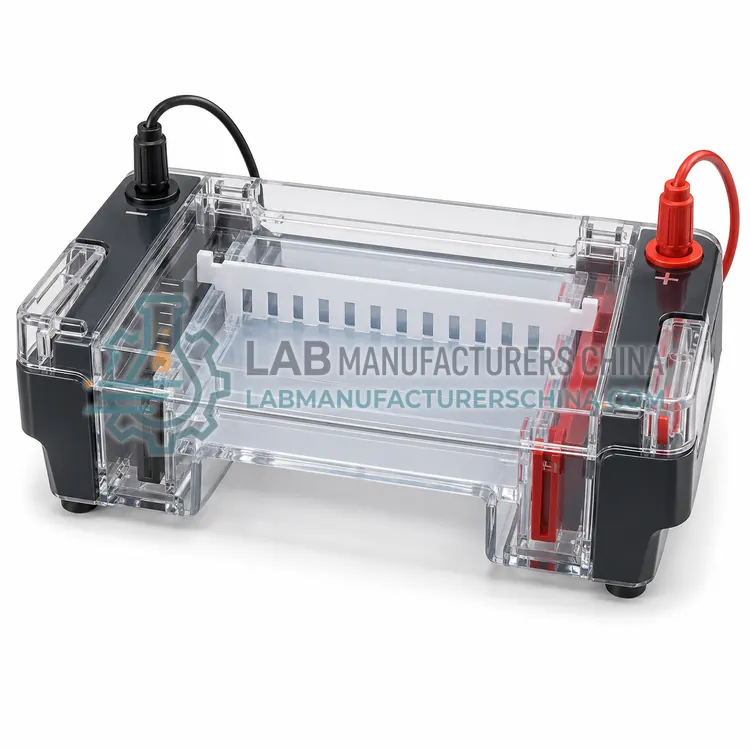 CELE电泳设备Electrophoresis equipment separates charged molecules such as DNA, RNA and proteins in an electric field through a gel or capillary. It includes horizontal and vertical gel tanks, power supplies, blotting systems and capillary electrophoresis analyzers used in molecular biology, clinical, quality control and forensic laboratories.
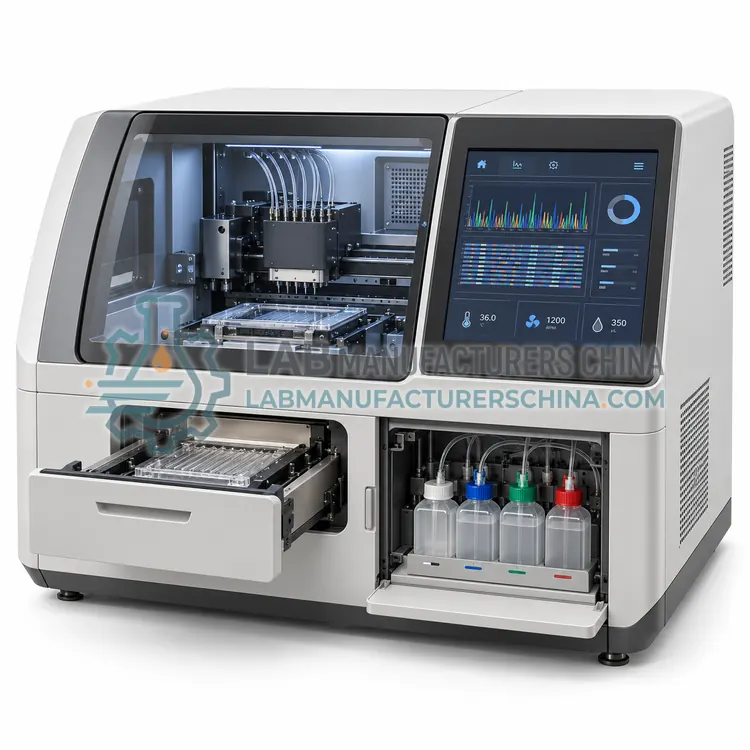 CGEE基因组学设备Genomics equipment covers the instruments used to extract, quantify, sequence and genotype nucleic acids, from automated extraction platforms and fragment analyzers to benchtop sequencers and library preparation systems. It is used by molecular biology, clinical, agrigenomics and microbial research laboratories.
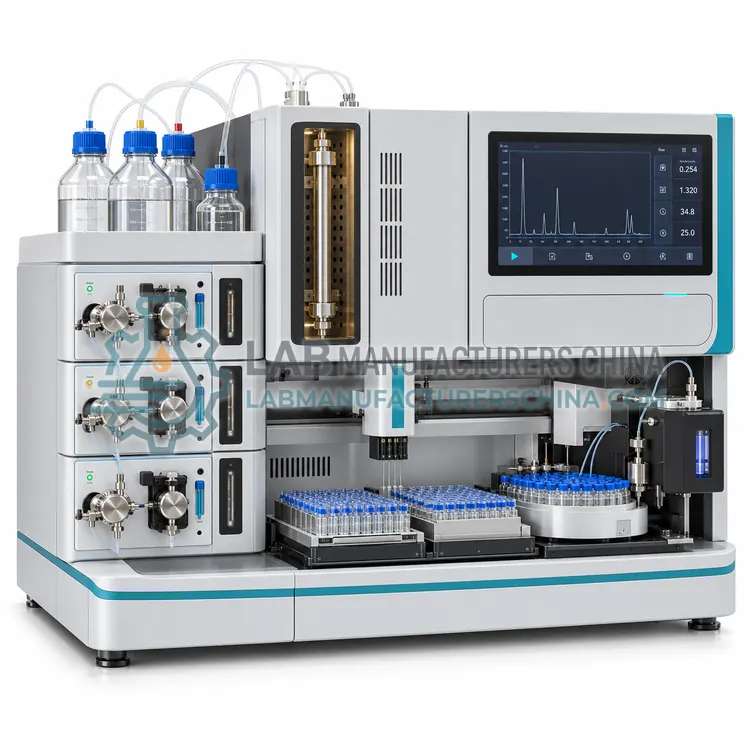 CPAE蛋白质分析设备Protein analysis equipment characterises proteins by concentration, size, charge, sequence, structure and binding behaviour, covering protein analyzers, western blot systems, protein electrophoresis, purification systems and protein imaging instruments. It is used in biochemistry, biopharmaceutical, clinical and food protein laboratories.
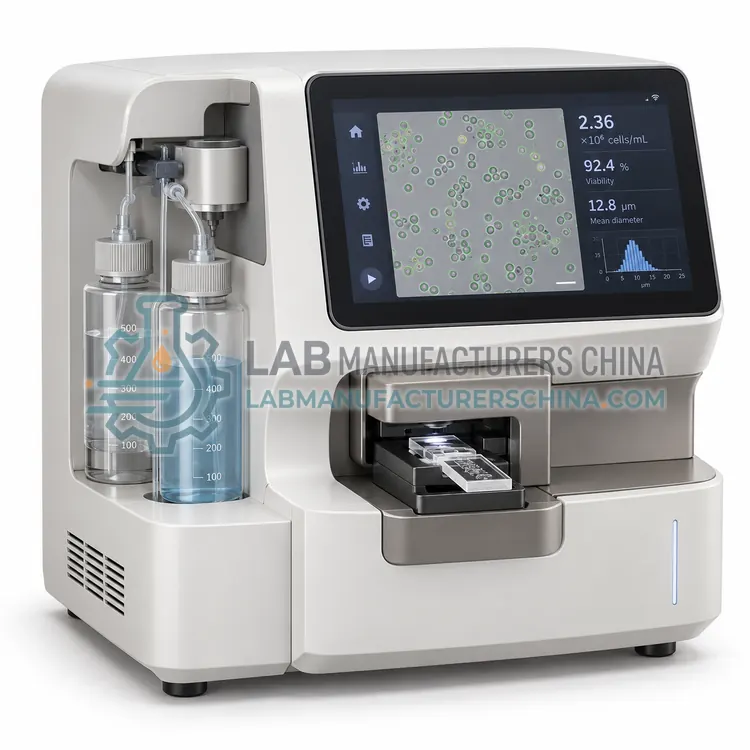 CCBE细胞生物学设备Cell biology equipment counts, analyses, images, separates and processes living cells, covering automated cell counters, flow cytometers and metabolic analysers, imaging systems, cell separation platforms and cell processing instruments. It is used in cell and cancer biology, immunology and bioprocess laboratories.