
Cell Biology Equipment
细胞生物学设备
CCBE · Life Science & Biotechnology · 5 product types · 25 models
By Lab Manufacturers China Technical TeamLast reviewed
What are Cell Biology Equipment?
Cell biology equipment counts, analyses, images, separates and processes living cells, covering automated cell counters, flow cytometers and metabolic analysers, imaging systems, cell separation platforms and cell processing instruments. It is used in cell and cancer biology, immunology and bioprocess laboratories.
5 product types in Cell Biology Equipment
The 5 product types below are grouped by the exact instrument you need.
- CEC5 models
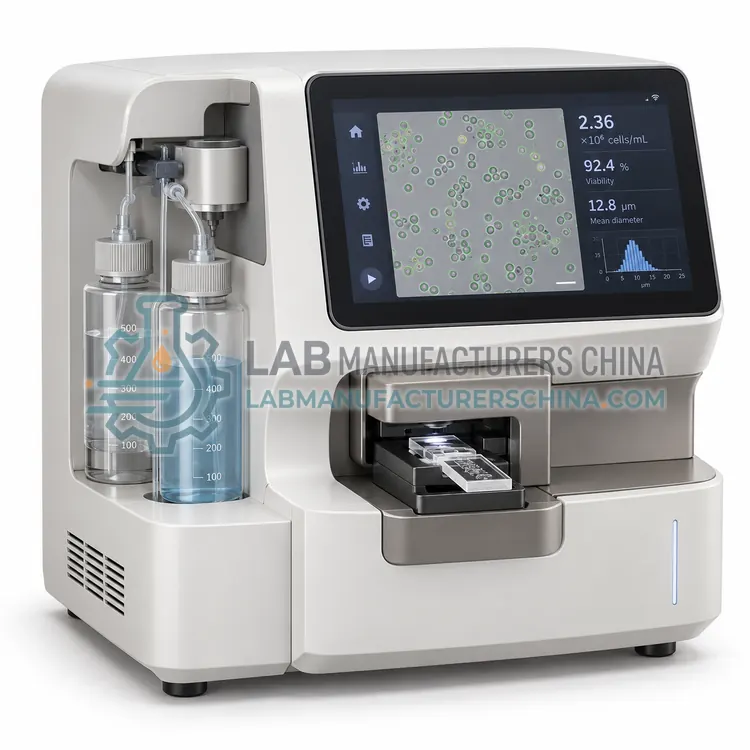
Cell Counters
细胞计数仪
Cell counters measure the concentration and viability of cells in suspension from a small sample, using dye exclusion imaging, fluorescence, electrical impedance or flow cytometry. They are used to set seeding densities, monitor growth and standardise assays in cell culture and bioprocess laboratories.
- CAN5 models
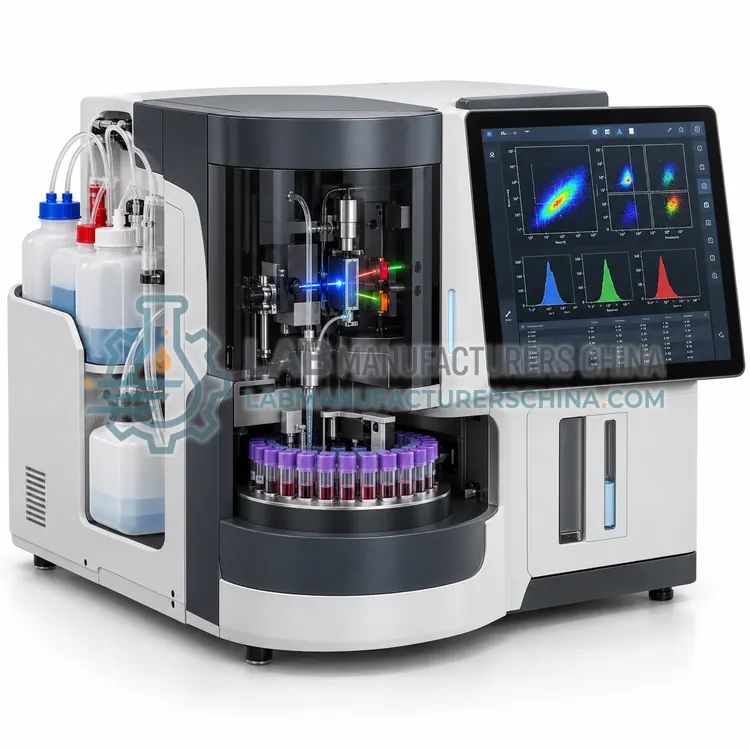
Cell Analyzers
细胞分析仪
Cell analyzers interrogate living cells for surface markers, viability, cell cycle status and metabolic activity, using flow cytometry, spectral detection, imaging cytometry or extracellular flux measurement. They are used in immunology, cancer biology, cell therapy and bioprocess development.
- CEI5 models
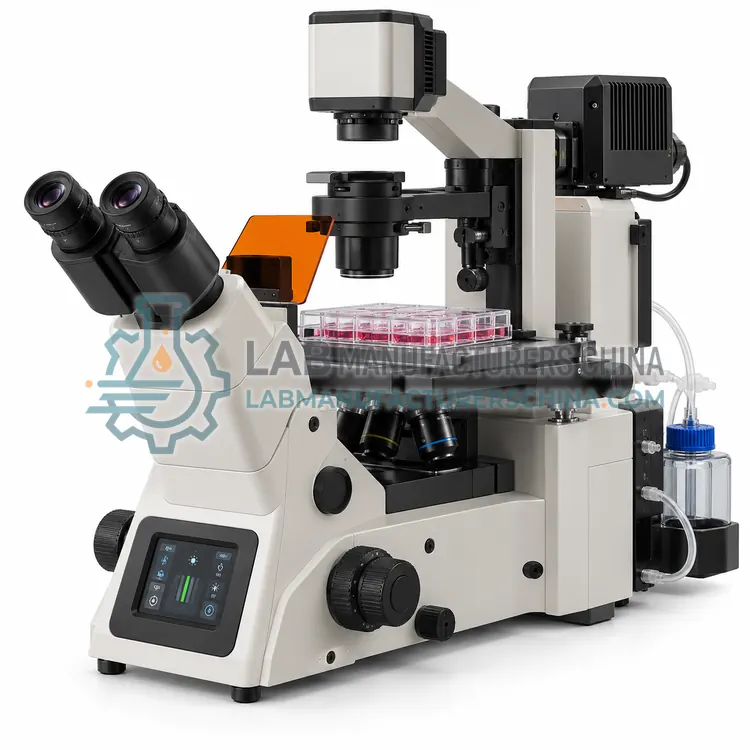
Cell Imaging
细胞成像系统
Cell imaging systems visualise living and fixed cells with transmitted light and fluorescence, from routine inverted microscopes to confocal, live-cell and high-content platforms. They are used to assess morphology, protein localisation and dynamic processes in cell biology and drug discovery.
- CES5 models
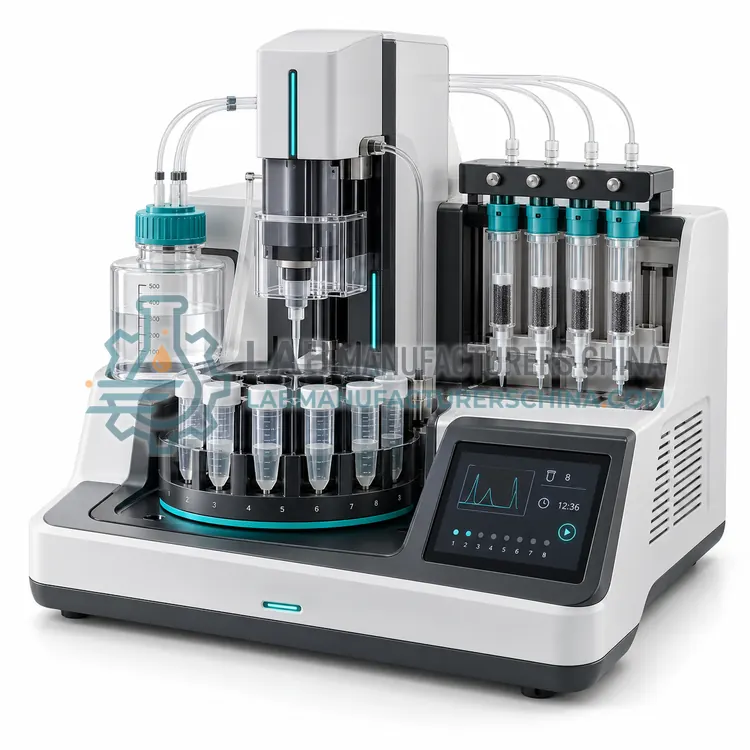
Cell Separation
细胞分离系统
Cell separation systems isolate target cell populations from blood, bone marrow, tissue digests or cultured mixtures using magnetic labelling, fluorescence-activated sorting, microfluidic deflection or density-based methods. They supply purified cells for immunology, cell therapy and single-cell analysis.
- CEP5 models
Cell Processing
细胞处理系统
Cell processing instruments prepare living cells for cell biology experiments by introducing nucleic acids, recovering frozen stocks, dissociating tissue into single cells, exchanging media and slicing live tissue. They are used in transfection, primary cell isolation and live-cell assay workflows.
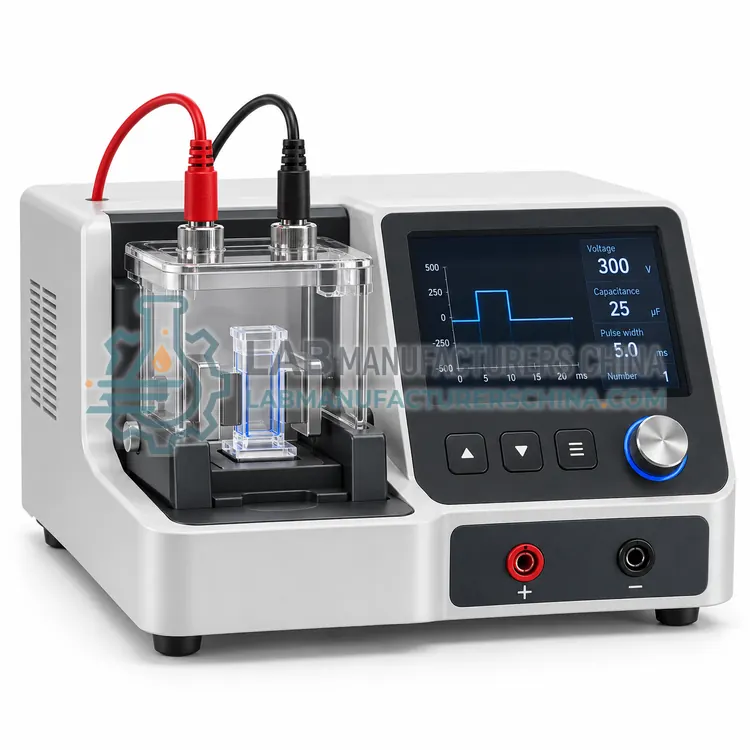
What are Cell Biology Equipment?
Cell biology equipment is the group of instruments that measure and handle living cells rather than their molecular components. It includes cell counters that report concentration and viability from a small sample, analysers such as flow cytometers and extracellular flux instruments that measure surface markers and metabolic activity, imaging systems from routine fluorescence microscopes to high-content screening platforms, separation instruments that isolate a target population by magnetic, fluorescence-activated or density-based methods, and processing instruments for electroporation, thawing, tissue dissociation and live tissue slicing. The group also covers the consumables and reagents that define compatibility between instruments. Because living cells respond to temperature, gas composition, shear and handling time, results depend as much on the workflow surrounding the instrument as on its specification.
How do Cell Biology Equipment work?
Most cell biology instruments detect cells through optical, electrical or magnetic signals. Counters dilute a sample with a dye such as trypan blue or acridine orange and propidium iodide, image a defined volume and calculate concentration and viability from the number of stained and unstained objects. Flow cytometers hydrodynamically focus cells into a single stream, illuminate each cell with lasers and record forward and side scatter plus fluorescence, which reveals size, granularity and marker expression; high-speed versions sort cells by charging droplets and deflecting them in an electric field. Imaging systems illuminate cells with transmitted light or defined fluorescence channels and use automated focus, tiling and analysis software to extract morphological features. Magnetic separation labels cells with antibody-coated particles and retains them in a column or collects them with a magnet. Electroporation and dissociation instruments apply controlled electric fields or mechanical force to open membranes or release cells from tissue.
Where are Cell Biology Equipment used?
Cell biology equipment supports work in research institutes, biopharmaceutical development, cell therapy manufacturing and clinical laboratories. Cell and molecular biologists use counters and imaging systems to monitor culture health, transfection efficiency and proliferation. Immunologists separate and phenotype lymphocyte subsets by magnetic separation and flow cytometry, and analyse cytokine production by intracellular staining. Cancer researchers study tumour heterogeneity, drug response and clonogenicity, often with high-content imaging and metabolic assays. Bioprocess groups monitor viable cell density, viability and metabolites in bioreactors and use imaging to check confluence before harvest. Cell therapy laboratories need validated separation, electroporation and thawing systems with closed and traceable workflows, and quality control relies on the same counting accuracy used in research.
Which standards apply to Cell Biology Equipment?
Cell biology instruments are electrical laboratory equipment, so IEC 61010-1 applies, with IEC 61010-2-010 for heated compartments and IEC 61010-2-020 for centrifuges used in separation workflows. IEC 61326-1 covers electromagnetic compatibility. Lasers in flow cytometers and confocal systems fall under IEC 60825-1 classification and require the corresponding safety controls. Cell therapy and biobanking workflows refer to ISO 20387 for biobank competence, USP <1046> for cellular and gene therapy products, ISO 15189 for clinical testing and ISO 17025 for testing laboratory competence. Laboratories using human tissue must also follow local ethics and privacy rules covering consent and data protection.
How do I select the right cell biology equipment?
Start with the question you need to answer and the cells you work with. For routine culture monitoring, an automated counter that reports concentration and viability from 10–20 µL is sufficient, and fluorescence or impedance methods are preferred when debris or clumping misleads dye exclusion. For immunophenotyping and population statistics, compare flow cytometer laser and detector configurations against the panels you intend to run, and check whether spectral or imaging cytometry is needed for overlapping dyes or morphological questions. For separation, decide between magnetic methods for speed and simplicity, fluorescence-activated sorting for maximum purity and flexibility, and density-based techniques for bulk isolation, and confirm that the instrument is compatible with your downstream application. Imaging systems should be chosen for the resolution, incubation capability and analysis software your assays require. Validate sterility, traceability and closed processing where regulated cell therapy work is involved.
Cell Biology Equipment comparison
| Subcategory | Principle | Typical use | Key spec |
|---|---|---|---|
| Cell Counters | Image, impedance or fluorescence counting of defined volume | Concentration and viability before seeding and assays | Sample volume 10–100 µL |
| Cell Analyzers | Single-cell laser interrogation or metabolic flux measurement | Immunophenotyping, cell cycle and metabolic studies | Detection of 4–30 fluorescence parameters |
| Cell Imaging | Transmitted and fluorescence light imaging with automatic focus | Morphology, localisation and live-cell dynamics | Resolution 0.2–1 µm, incubated stage |
| Cell Separation | Magnetic, fluorescence-activated or density-based separation | Isolating target populations from mixed samples | Purity 90–99% (method dependent) |
| Cell Processing | Electric fields, controlled heating or mechanical dissociation | Transfection, thawing, tissue dissociation, slicing | Field strength up to 3,000 V/cm |
Frequently asked questions about Cell Biology Equipment
A cell counter reports concentration and viability, usually from an image or impedance measurement of a small sample. A cell analyser measures additional properties such as surface markers, metabolic activity or cell cycle status, typically by flow cytometry or extracellular flux measurement.
Mix the sample thoroughly, dilute into the method's linear range, and use the same method consistently for a given cell type. Fluorescence or impedance counting is more reliable than dye exclusion when samples contain debris, red blood cells or clumped cells.
Cells in culture have no immune defence, so any contamination grows quickly and invalidates experiments. Instruments that contact cells should be cleanable with 70% ethanol or compatible disinfectants, and closed or single-use fluid paths reduce contamination risk.
Magnetic separation is fast, gentle and inexpensive, and suits enrichment of a labelled population without needing a sorter. Fluorescence-activated sorting gives high purity single-cell deposition and multi-parameter gating, but is slower and requires specialised operation.
Confirm accuracy and precision for the intended cell type, sterility and compatibility with closed systems, software traceability including audit trails, and reproducible recovery. Document acceptance criteria, then re-validate after major repair, relocation or software upgrade.
Related categories
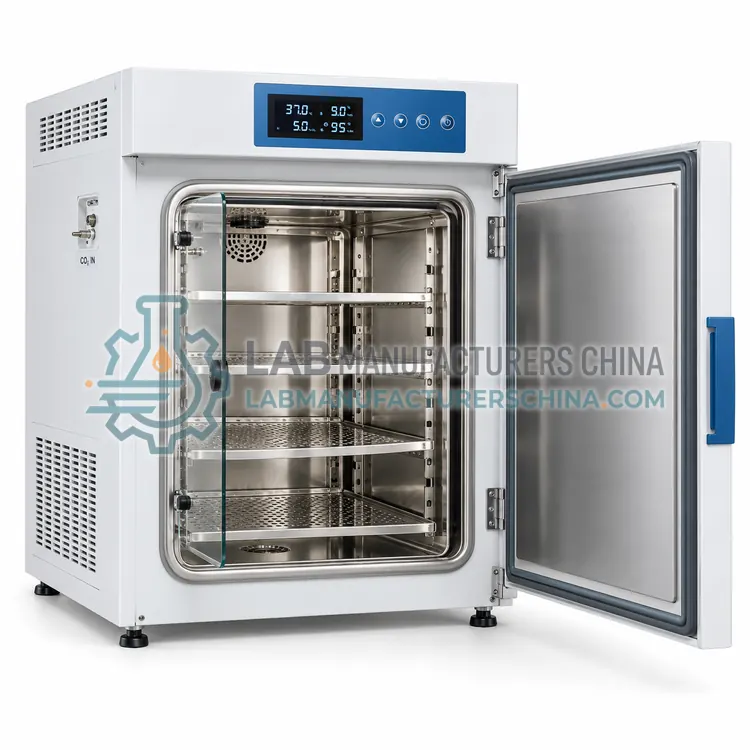 CCCE细胞培养设备Cell culture equipment provides the controlled environment, sterility and handling needed to grow cells outside the body, covering CO2 incubators, culture hoods, roller systems, automated culture platforms and monitoring instruments. It is used in research, bioprocess development and cell therapy laboratories.
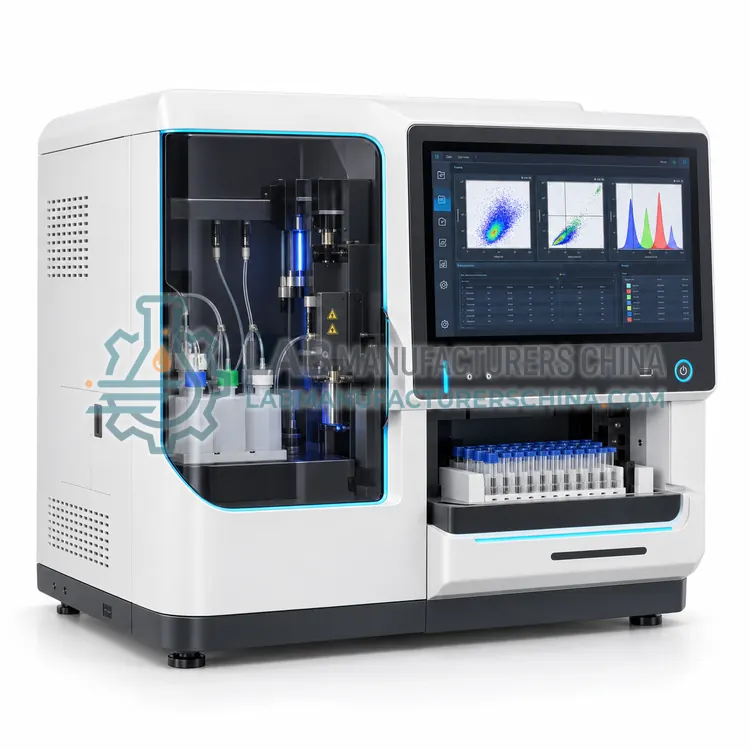 CFCE流式细胞术设备Flow cytometry equipment covers the instruments, consumables and software used to measure light scatter and fluorescence from individual cells or particles as they pass a laser beam. It includes analyzers, cell sorters, automated sample loaders, antibody reagents and acquisition and analysis software for immunology, hematology and cell biology laboratories.
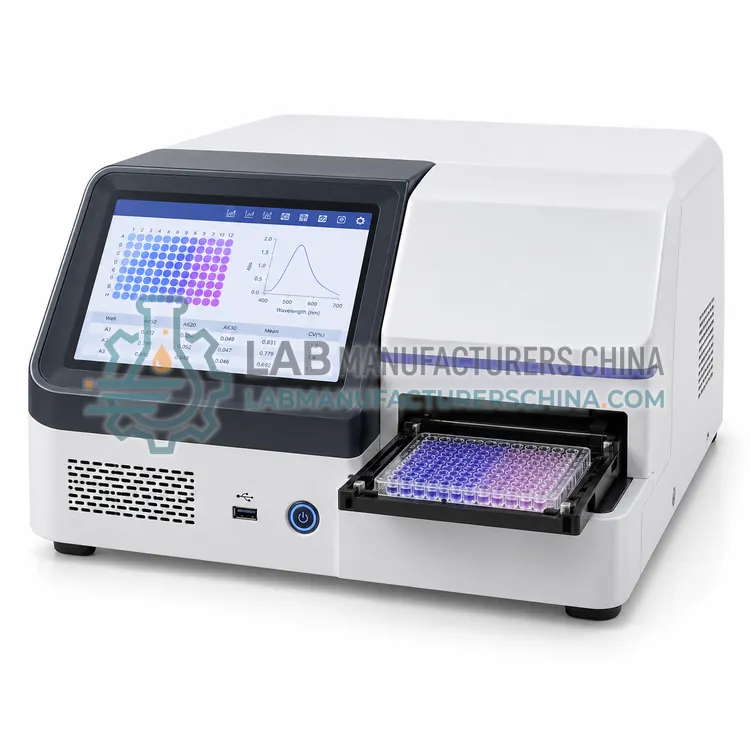 CMIE微孔板设备Microplate equipment covers the instruments used to process assays in 6- to 1536-well plates, including readers that measure absorbance, fluorescence and luminescence, washers, shakers, liquid dispensers and incubators. Immunoassay, cell-based screening, clinical diagnostic and quality control laboratories use them to run parallel, reproducible tests.
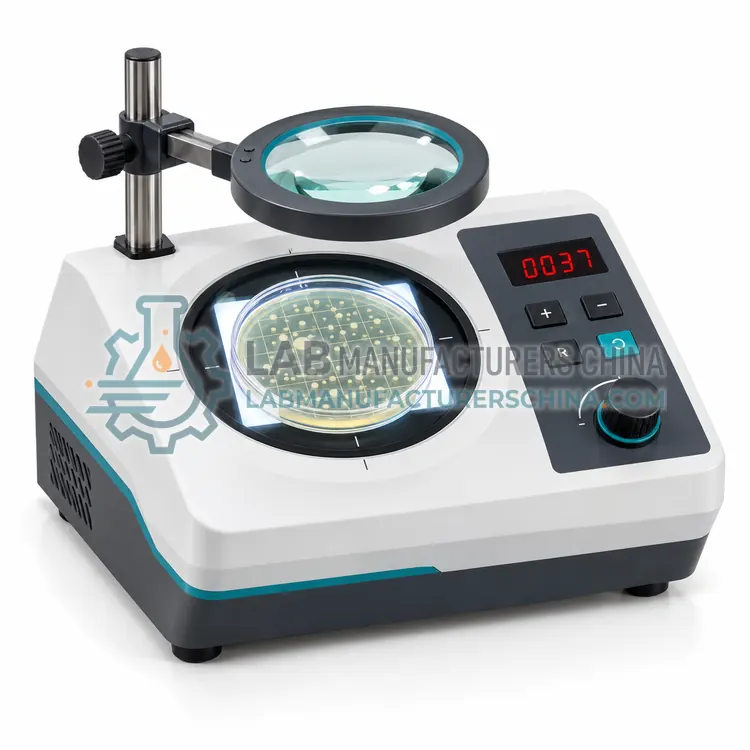 CMEQ微生物学设备Microbiology equipment covers the instruments used to culture, count, identify and inactivate microorganisms in clinical, pharmaceutical, food, water and research laboratories. It includes colony counters, anaerobic systems, identification systems, culture incubators and shakers, and autoclaves and other sterilizers.