
Microplate Equipment
微孔板设备
CMIE · Life Science & Biotechnology · 5 product types · 25 models
By Lab Manufacturers China Technical TeamLast reviewed
What are Microplate Equipment?
Microplate equipment covers the instruments used to process assays in 6- to 1536-well plates, including readers that measure absorbance, fluorescence and luminescence, washers, shakers, liquid dispensers and incubators. Immunoassay, cell-based screening, clinical diagnostic and quality control laboratories use them to run parallel, reproducible tests.
5 product types in Microplate Equipment
The 5 product types below are grouped by the exact instrument you need.
- MIR5 models
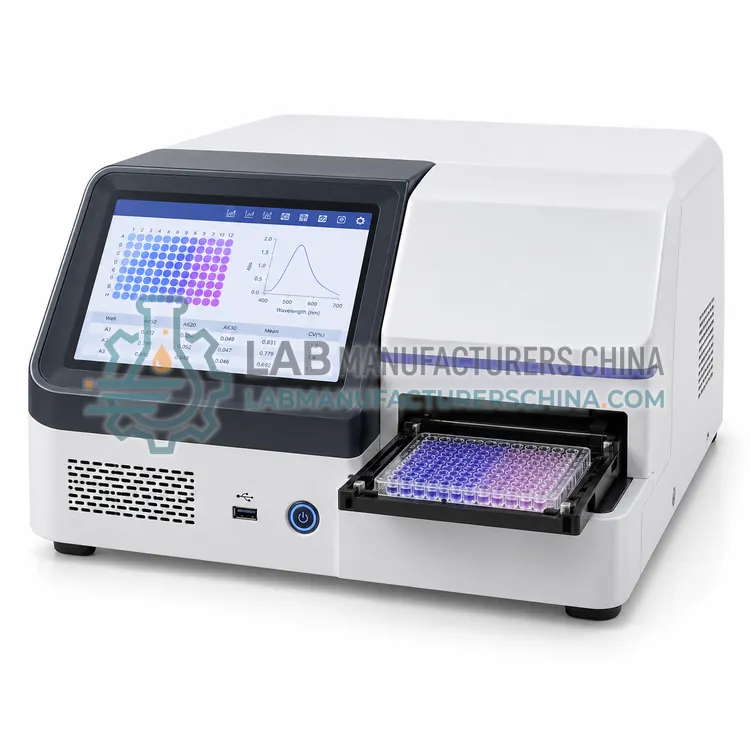
Microplate Readers
酶标仪(微孔板读板机)
Microplate readers are instruments that measure optical signals from samples in multi-well plates, most often absorbance, fluorescence intensity and luminescence. They quantify analytes in ELISA, cell viability, enzyme kinetics and nucleic acid assays, and are used in clinical, pharmaceutical, biotechnology, food testing and academic laboratories.
- MIW5 models
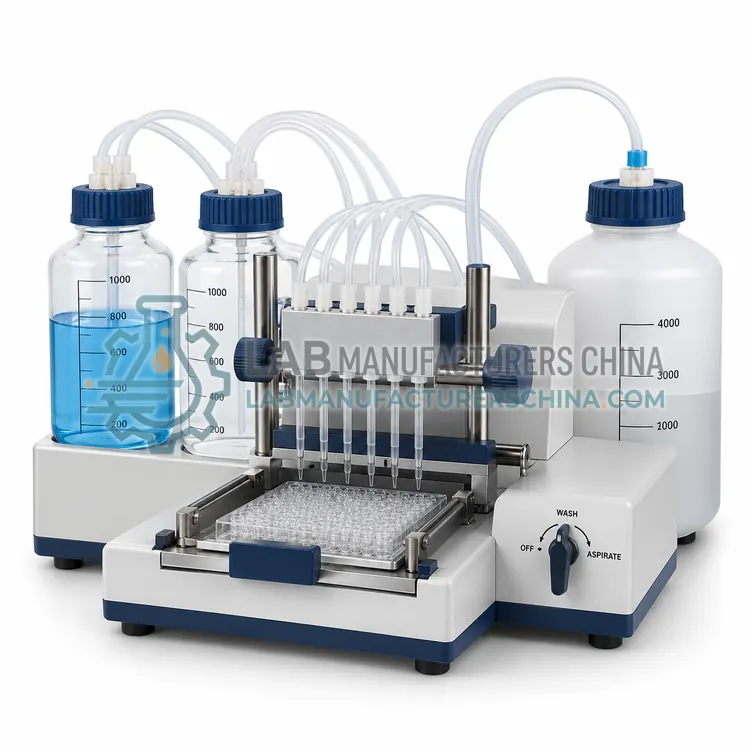
Microplate Washers
洗板机
Microplate washers are instruments that aspirate liquid from and dispense wash buffer into the wells of microplates to remove unbound reagents and sample matrix. They standardize the washing steps of ELISA and cell-based assays, reducing background and variability in clinical, pharmaceutical, food safety and research laboratories.
- MSH5 models
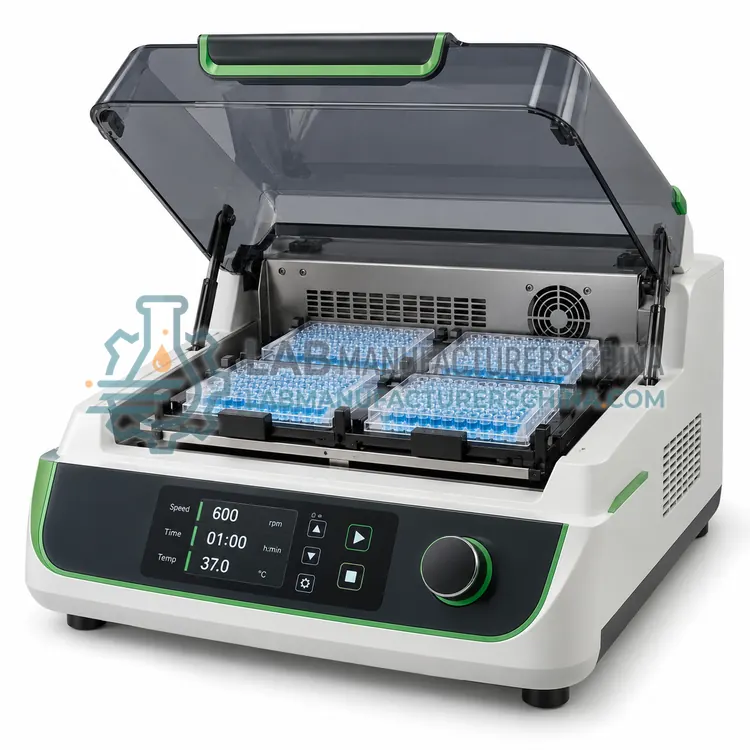
Microplate Shakers
微孔板振荡器
Microplate shakers are instruments that agitate 6- to 384-well plates by small-amplitude orbital or linear motion to mix reagents and keep cells or beads in suspension during assay incubations. They are used in ELISA, bead-based immunoassays, cell assays and screening workflows where precise, splash-free mixing is needed.
- MID5 models
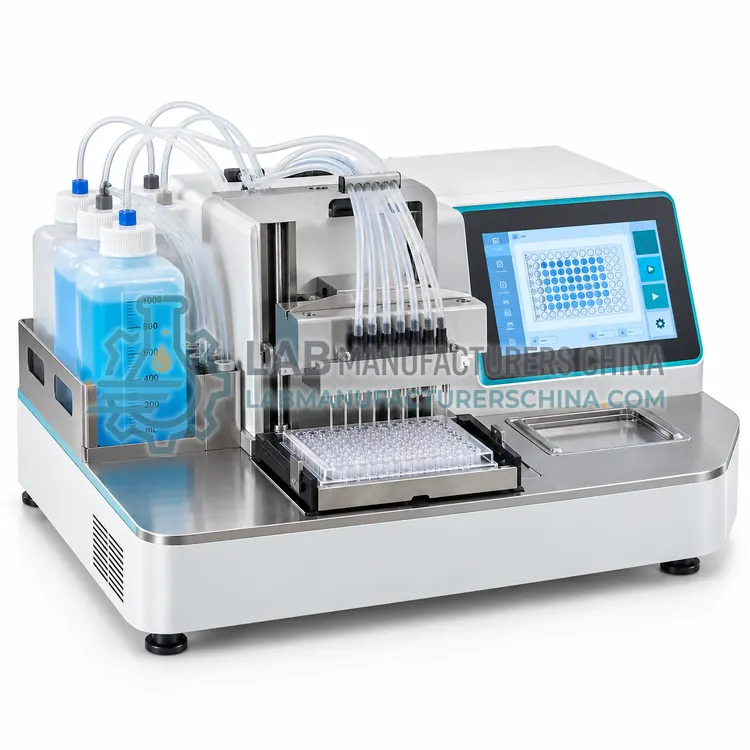
Microplate Dispensers
微孔板分配器
Microplate dispensers are instruments that add precise microliter volumes of reagents, buffers, substrates or cell suspensions to the wells of microplates. They use peristaltic, syringe, solenoid valve or piezo mechanisms to replace manual pipetting in ELISA, cell-based assays and high-throughput screening laboratories.
- MII5 models
Microplate Incubators
微孔板培养箱
Microplate incubators are temperature-controlled chambers or blocks designed to hold microplates during assay incubations and cell culture. They keep 96- and 384-well plates at stable temperature and often humidity, shaking or gas conditions for ELISA, immunoassays, bacterial growth and cell-based assays.
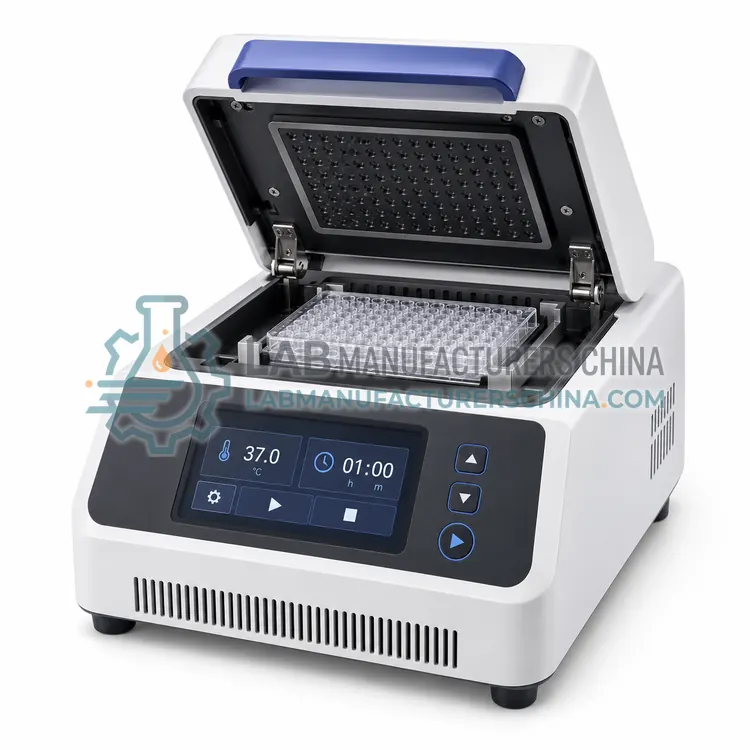
What are Microplate Equipment?
Microplate equipment supports assays performed in standardized multi-well plates whose footprint follows the ANSI/SLAS format of 127.76 by 85.48 millimeters. Plates with 6, 12, 24, 48, 96, 384 or 1536 wells let a laboratory run dozens to thousands of reactions in parallel with small reagent volumes. The category groups the instruments needed for a complete plate workflow: readers that detect the assay signal, washers that remove unbound material, shakers that mix and incubate, dispensers that add reagents and cells, and incubators that hold plates at controlled temperature, humidity or gas. Together they automate enzyme-linked immunosorbent assays, cell viability and cytotoxicity tests, nucleic acid quantification, enzyme kinetics and high-throughput screening, reducing manual pipetting and improving well-to-well reproducibility.
How do Microplate Equipment work?
Each instrument addresses one step of the plate workflow. Readers pass light through or excite each well and measure transmitted light, fluorescence emission or luminescence with a photodiode, photomultiplier tube or camera, using filters or monochromators to select wavelengths. Washers aspirate and dispense buffer through manifold pins, often with soak and shake steps, to remove unbound reagents and reduce background. Shakers apply orbital, linear or double-orbital motion at defined amplitude to mix contents without splashing. Dispensers deliver microliter volumes by peristaltic, syringe, solenoid valve or piezo mechanisms. Incubators regulate temperature, humidity and often carbon dioxide to keep biological reactions stable, using forced air or heated blocks. Integration through plate stackers and robotic arms links these steps into unattended workflows.
Where are Microplate Equipment used?
Microplate equipment is used wherever many samples must be tested under identical conditions. Clinical and veterinary laboratories run ELISA panels for infectious disease serology, allergy and hormone testing. Pharmaceutical and biotechnology groups use plate readers and dispensers for compound screening, cell viability, reporter gene and cytotoxicity assays. Food and environmental laboratories test for allergens, mycotoxins and pathogens with plate-based immunoassays. Molecular biology laboratories quantify DNA and RNA and monitor enzyme kinetics. Academic laboratories use plate incubators and shakers for bacterial growth curves and cell-based assays. Quality control laboratories in vaccine and biologics manufacturing rely on validated plate workflows for potency and endotoxin tests, where consistent washing and accurate dispensing directly influence assay precision.
Which standards apply to Microplate Equipment?
Plate dimensions follow ANSI/SLAS 1 to 4 microplate standards covering footprint, height, well positions and bottom outside flange dimensions, so that readers, stackers and robots accept plates from different suppliers. Electrical safety for laboratory equipment is addressed by IEC 61010-1, with IEC 61010-2-081 applying to automatic and semi-automatic laboratory analytical equipment. Electromagnetic compatibility follows IEC 61326-1. Instruments intended for in vitro diagnostic use fall under regional rules such as EU IVDR 2017/746 and ISO 13485 quality systems. Laboratories validating ELISA workflows often reference CLSI guidance on immunoassays and, for regulated work, 21 CFR Part 11 for electronic records. Performance claims such as absorbance accuracy and dispensing precision should be verified by qualification.
How do I select the right microplate equipment?
Start from the assay, not the instrument. Define the detection mode (absorbance, fluorescence, luminescence, time-resolved fluorescence), the plate formats and the daily plate throughput. For readers, match wavelength range, sensitivity and read speed to the assay. For washers, check residual volume per well, cross-contamination control and compatibility with the plate type. For shakers and incubators, confirm temperature uniformity, amplitude and capacity. For dispensers, verify volume range and precision against reagent viscosity and the plate density you use. Decide early whether instruments will be stand-alone or integrated with stackers and robotic arms, because software and communication protocols matter. Ask for qualification documentation, spare part availability and a calibration plan. Budget for consumables such as tubing, pins and filters.
Microplate Equipment comparison
| Subcategory | Principle | Typical use | Key spec |
|---|---|---|---|
| Microplate Readers | Measures absorbance, fluorescence or luminescence from each well | ELISA, viability, reporter assays | Wavelength range, sensitivity, read speed |
| Microplate Washers | Aspirates and dispenses buffer through manifold pins | ELISA washing, cell-based assay washing | Residual volume below 2 µL/well |
| Microplate Shakers | Orbital or linear motion mixes well contents | Assay incubation, reagent mixing | 300–1500 rpm, 1–3 mm orbit |
| Microplate Dispensers | Peristaltic, syringe or valve-based liquid delivery | Reagent, cell and substrate addition | Volume range 0.5–1000 µL/well |
| Microplate Incubators | Forced-air or block heating with controlled humidity or CO2 | Assay incubation, cell culture, kinetics | Ambient +5 to 65 °C, ±0.5 °C uniformity |
Frequently asked questions about Microplate Equipment
A basic ELISA workflow needs a microplate reader to measure absorbance, a plate washer for wash cycles, a shaker or incubator for controlled incubation and pipettes or a dispenser for reagent addition. High-volume laboratories add plate stackers and software for automation and data handling.
Filter-based readers are faster and usually more sensitive at fixed wavelengths, suiting routine ELISA and fluorescence assays. Monochromator readers allow full spectral scans and flexible wavelength selection, suiting method development and multiple assays, but typically have slightly lower sensitivity and higher cost.
Most instruments support 6- to 384-well plates in the ANSI/SLAS footprint, and many accept 1536-well plates with suitable heads or optics. Always verify plate height, bottom type and skirt design, because washers and dispensers require matching manifolds or tip spacing.
Incomplete washing leaves unbound enzyme conjugate, which raises background and variability, while overly aggressive washing strips bound antibody and reduces signal. Consistent aspiration, dispensing volume, soak time and low residual volume are therefore central to precision and lower coefficients of variation.
Most laboratories perform performance checks at installation and at least annually, with more frequent checks for regulated work. Typical checks include absorbance accuracy with filters, dispensing volume by gravimetric or dye methods, temperature mapping and washer residual volume testing.
Related categories
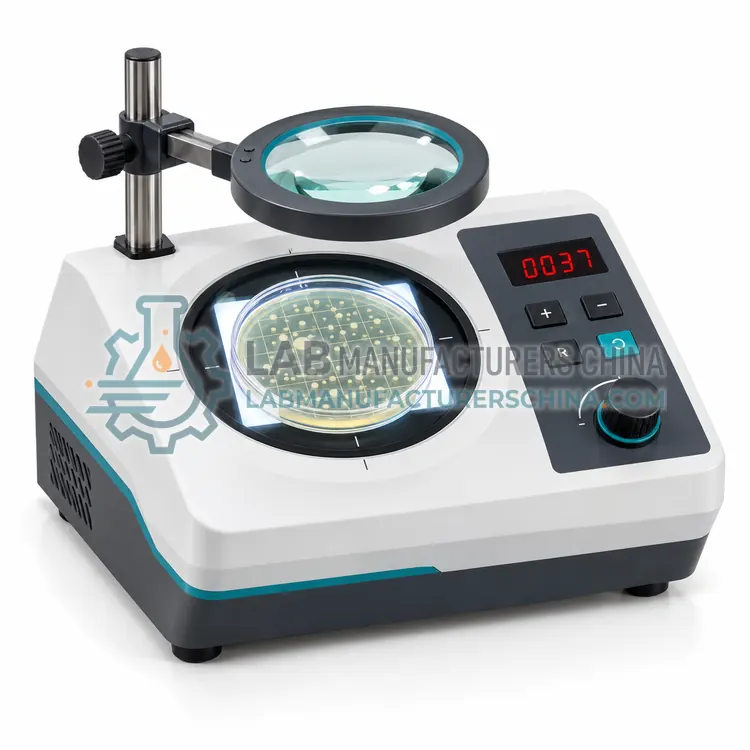 CMEQ微生物学设备Microbiology equipment covers the instruments used to culture, count, identify and inactivate microorganisms in clinical, pharmaceutical, food, water and research laboratories. It includes colony counters, anaerobic systems, identification systems, culture incubators and shakers, and autoclaves and other sterilizers.
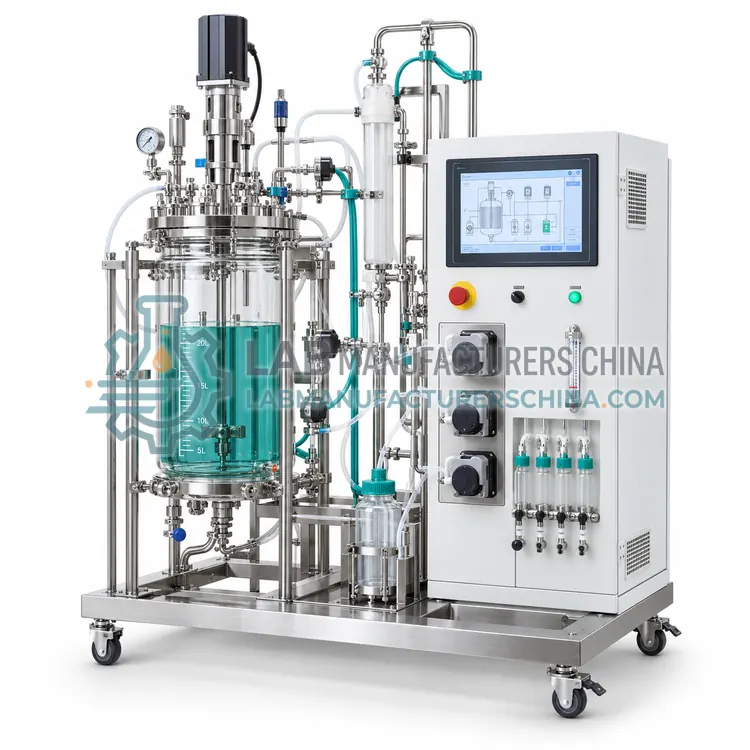 CBIE生物技术设备Biotechnology equipment covers the instruments and systems used to grow, process and purify biological materials at laboratory and production scale. It spans bioprocess systems, cell processing, protein purification, molecular processing and automation platforms for biopharmaceutical, diagnostics and research laboratories.
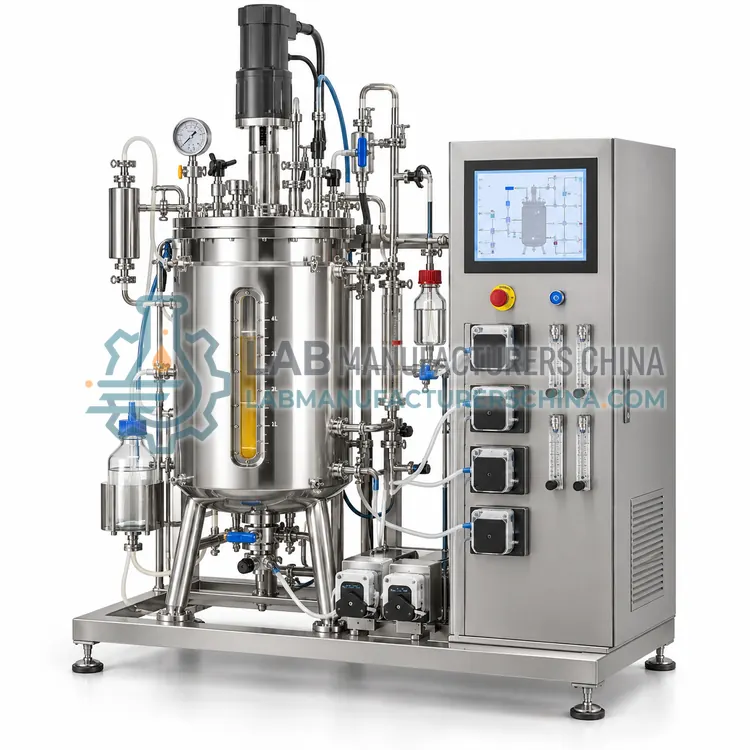 CFEE发酵设备Fermentation equipment covers the vessels and control systems used to cultivate microorganisms and cells under controlled conditions for research and production. It ranges from laboratory fermenters to pilot and production tanks with instrumentation for temperature, pH, dissolved oxygen, aeration and feeding.
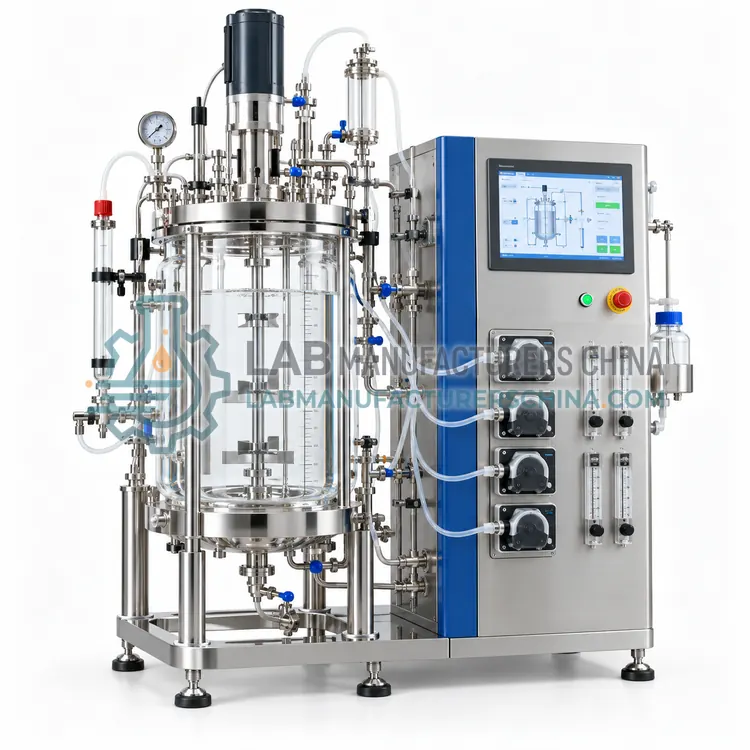 CBIO生物反应器Bioreactors are vessels that cultivate cells, tissues or microorganisms under controlled conditions of temperature, pH, dissolved oxygen and mixing. They range from glass benchtop units to stainless-steel, single-use, parallel and pilot systems used in bioprocess development and production.