
Laboratory Infrastructure Laboratory Equipment
实验室基础设施
Sector LAI · 8 categories · 39 product types
By Lab Manufacturers China Technical TeamLast reviewed
What is Laboratory Infrastructure?
Laboratory Infrastructure covers the fixed and semi-fixed systems that make a laboratory safe and workable: furniture, fume hoods, biosafety cabinets, laminar flow cabinets, cleanroom equipment, safety equipment, automation and consumables. These systems protect operators, samples and the surrounding environment together.
8 categories in Laboratory Infrastructure
Browse the 8 categories, then the product types and models inside them.
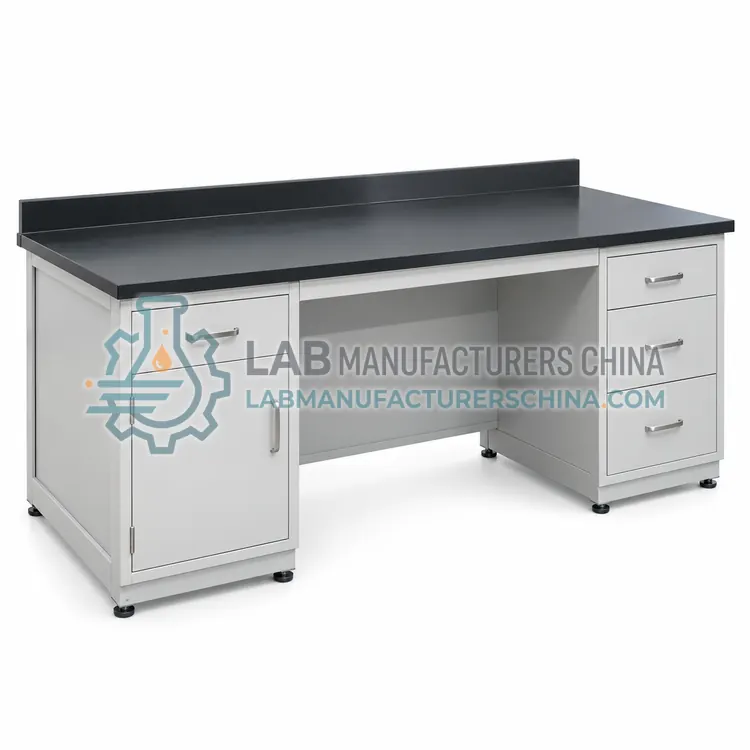
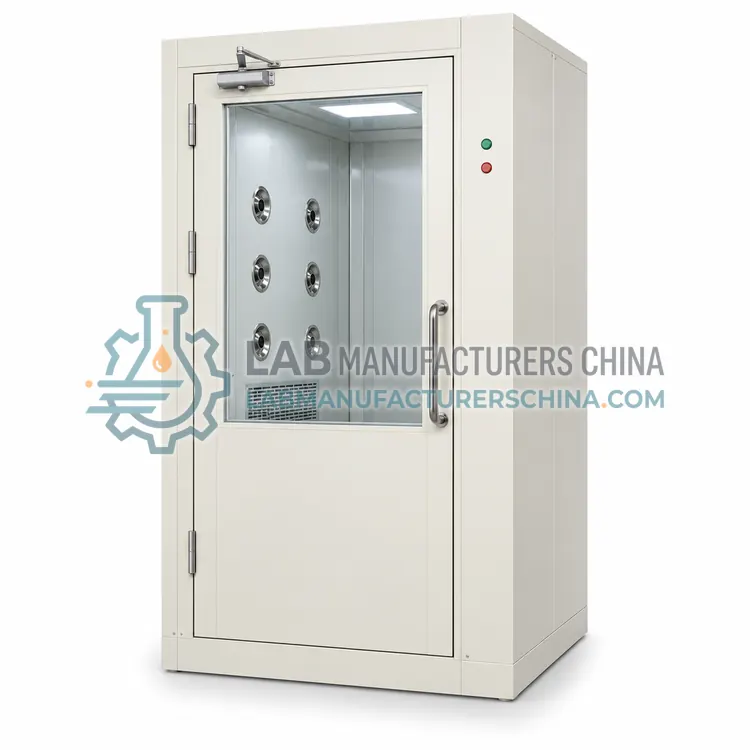
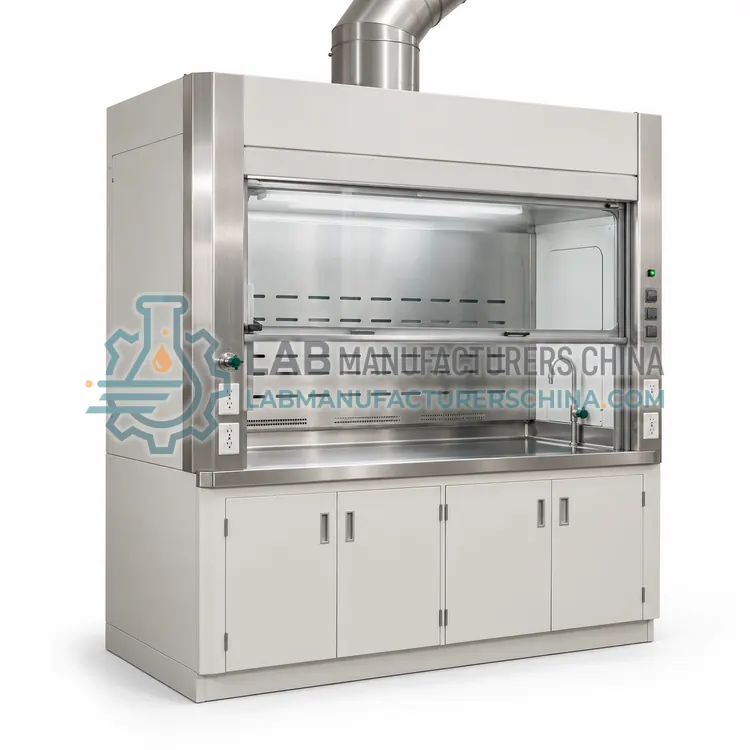
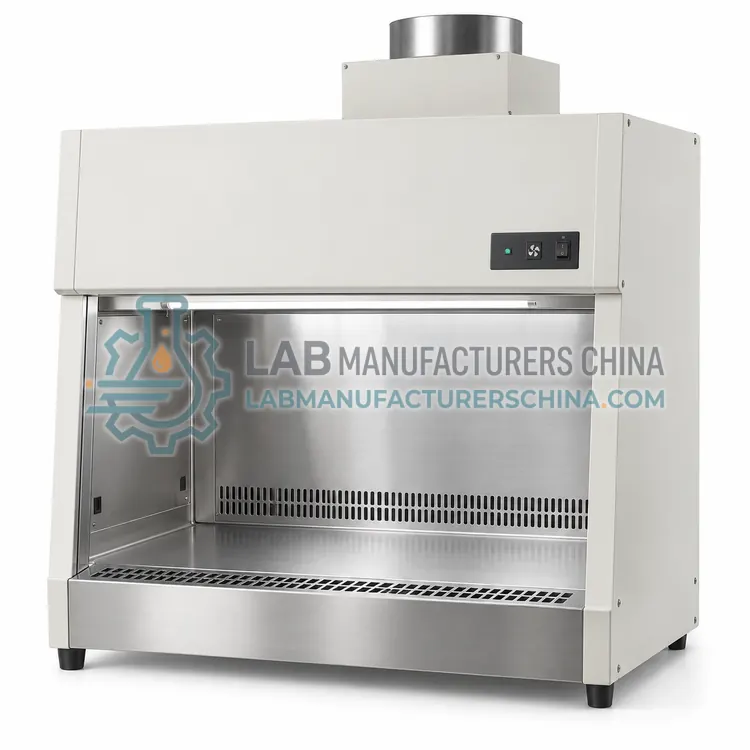
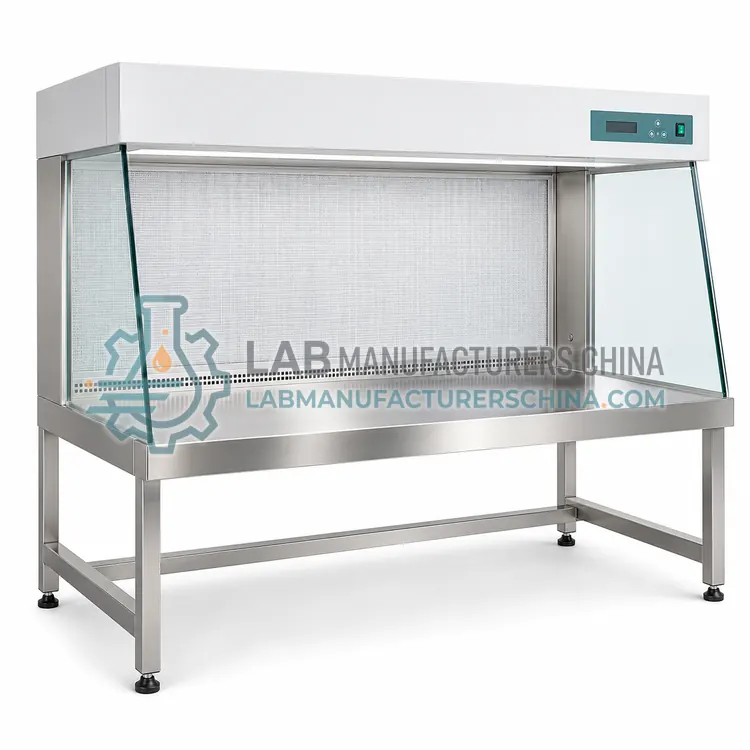
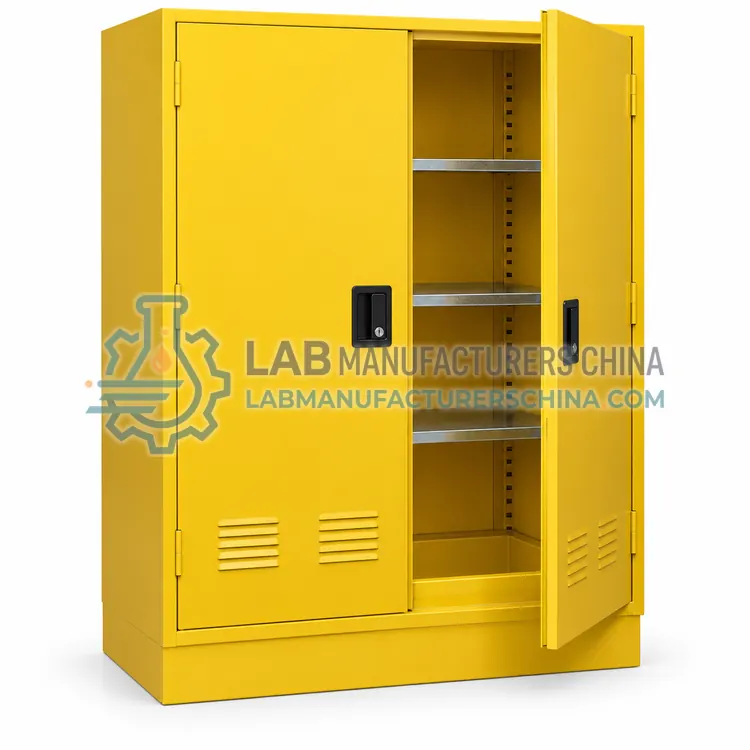
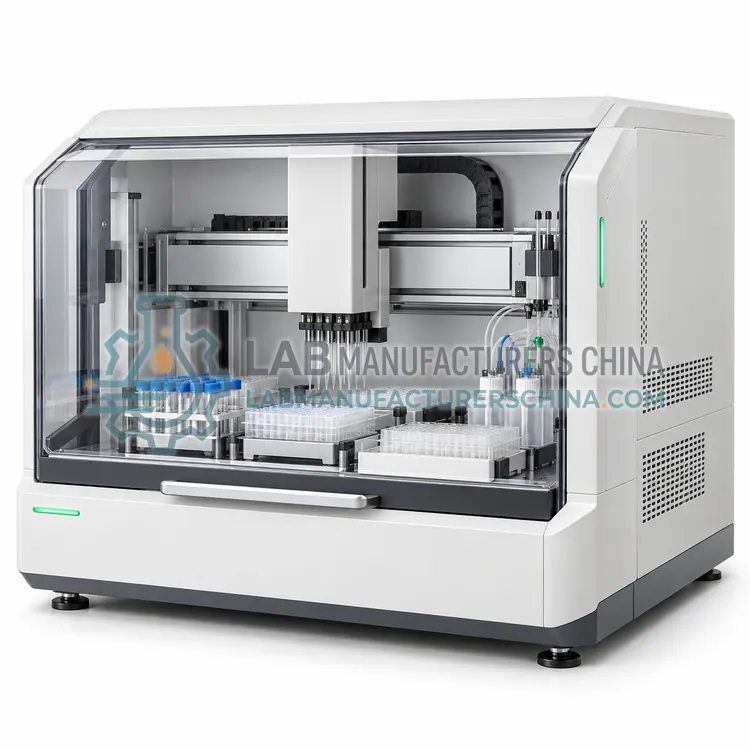
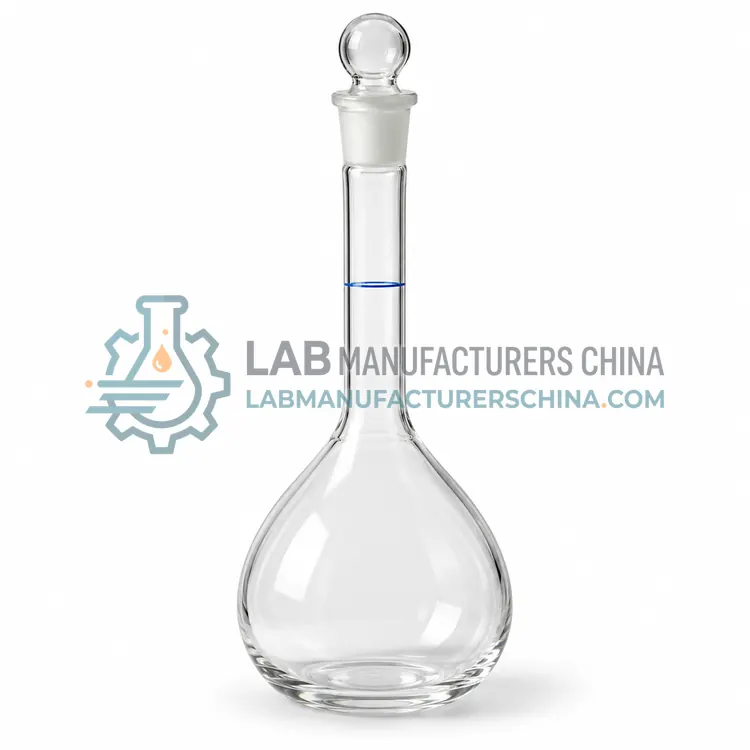
Infrastructure determines whether the instruments in a laboratory can be used safely and productively. Airflow, containment, surfaces, services and storage are design decisions that are expensive to change once a laboratory is built, so equipment selection should start early in the project.
This sector includes laboratory furniture such as benches, cabinets and workstations in epoxy resin, phenolic or stainless steel; chemical fume hoods; biosafety cabinets Class I, II and III; laminar flow cabinets for product protection; cleanroom equipment such as pass boxes, air showers and fan filter units; safety equipment such as eyewash stations, safety showers and storage cabinets; laboratory automation; and consumables.
Selection depends on the hazard. A fume hood protects against chemical vapors, a Class II biosafety cabinet protects operator, product and environment from biological agents, and a horizontal laminar flow cabinet protects the product only. Relevant standards include EN 12469, NSF/ANSI 49, EN 14175 for fume cupboards and ISO 14644 for cleanrooms.
Products are offered by a Chinese manufacturer and exporter. Certification or third-party test status is to be confirmed for each model, and on-site certification after installation is normally arranged locally.
Applications
Industries that specify Laboratory Infrastructure equipment.
Frequently asked questions about Laboratory Infrastructure
A fume hood draws air away from the operator to remove chemical vapors, usually exhausting them outdoors. A biosafety cabinet filters air through HEPA filters to protect the operator, sample and environment from biological agents. A fume hood does not protect the sample or provide HEPA filtration.
Class I, II and III biosafety cabinets are commonly assessed against EN 12469 in Europe and NSF/ANSI 49 in North America. China has its own YY 0569 standard. Type, class and certification status vary by model and are to be confirmed at quotation.
Epoxy resin resists most acids, bases and solvents and suits chemistry laboratories. Phenolic resin is a lower-cost option for moderate chemical exposure. Stainless steel suits clean or wet applications, and ceramic or solid-surface options exist for special uses. Match the material to your reagent list.
Not normally. Factory test reports may be available, but field certification of airflow and filter integrity is usually performed after installation by a qualified local technician. Discuss installation support and documentation requirements in your RFQ.