
Biosafety Cabinets
生物安全柜
CBIC · Laboratory Infrastructure · 4 product types · 20 models
By Lab Manufacturers China Technical TeamLast reviewed
What are Biosafety Cabinets?
Biosafety cabinets are ventilated enclosures that use HEPA filtration and controlled airflow to protect operators, the environment and often the work from biological aerosols. Class I, II and III designs and cytotoxic cabinets cover different containment levels.
4 product types in Biosafety Cabinets
The 4 product types below are grouped by the exact instrument you need.
- CIC5 models
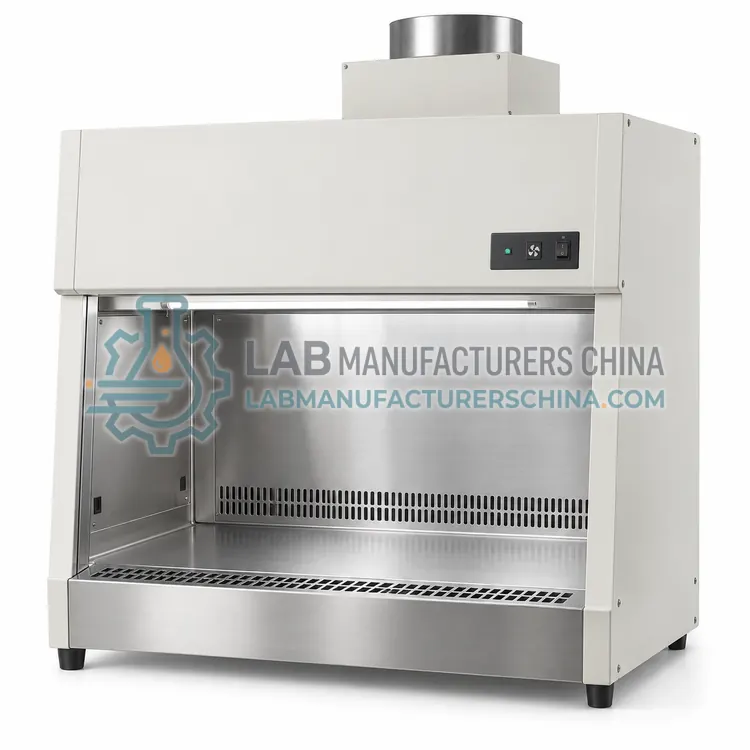
Class I Cabinets
I 级生物安全柜
Class I biosafety cabinets draw room air across the work surface and HEPA filter it before exhaust, protecting the operator and environment but not the sample. Research, veterinary and clinical laboratories use them for low-risk work and for housing equipment.
- CLS5 models
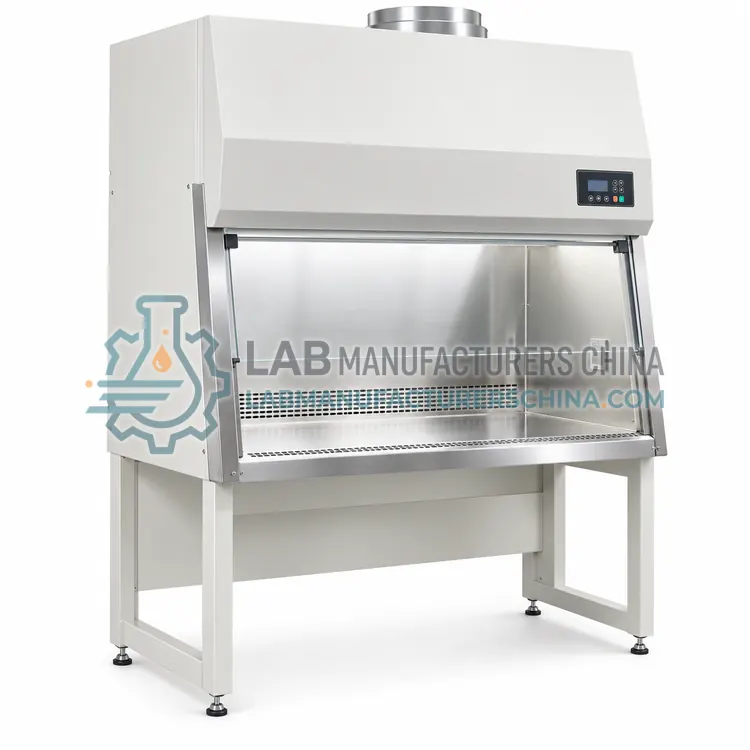
Class II Cabinets
II 级生物安全柜
Class II biosafety cabinets use HEPA-filtered supply and exhaust air with a controlled inflow to protect the operator, the environment and the work. They are the standard containment device in microbiology, cell culture and sterile-handling laboratories.
- CLN5 models
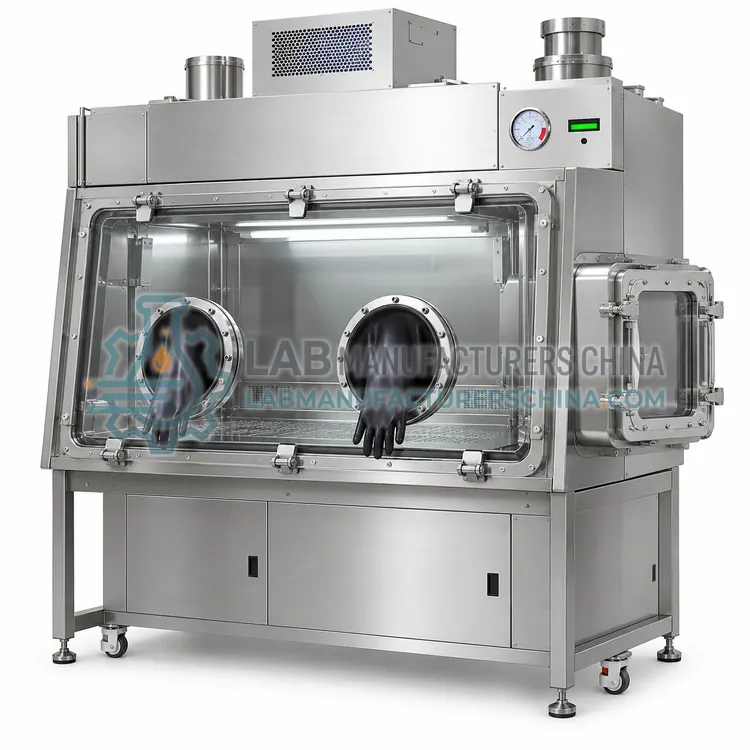
Class III Cabinets
III 级生物安全柜
Class III biosafety cabinets are gas-tight, negative-pressure gloveboxes with HEPA-filtered supply and exhaust and no direct operator access. They give the highest containment for Risk Group 4 pathogen agents and work requiring complete isolation.
- CYC5 models
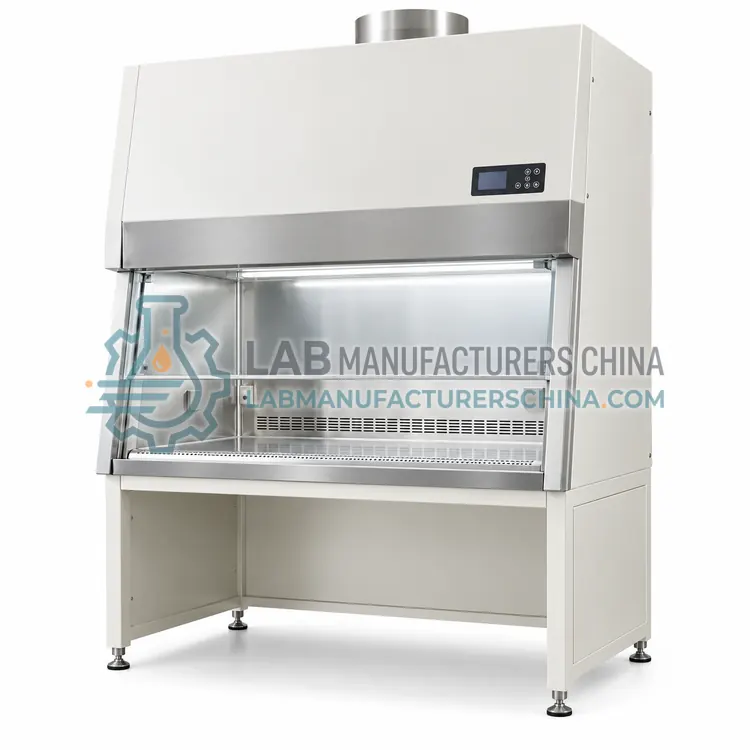
Cytotoxic Cabinets
细胞毒性药物安全柜
Cytotoxic safety cabinets are Class II or isolator designs configured to contain hazardous drugs such as antineoplastics during compounding. They protect the operator from drug aerosols and the product from contamination, with dedicated exhaust and no work-zone recirculation.
What are Biosafety Cabinets?
Biosafety cabinets are primary containment devices used whenever work with biological agents may generate aerosols, such as pipetting, vortexing, centrifuging or opening cultures. They are classified by protection level. Class I cabinets protect the operator and environment but not the sample. Class II cabinets protect operator, environment and product, and are the most common in microbiology, cell culture and clinical laboratories. Class III cabinets are gas-tight gloveboxes giving the highest containment for Risk Group 4 agents. Cytotoxic or antineoplastic cabinets are Class II designs adapted for handling hazardous drugs, usually with no recirculation into the work zone and dedicated exhaust. Cabinets differ from fume hoods, which protect only the operator, and from clean benches, which protect only the product. Correct selection depends on the agents, the required product protection and the risk assessment.
How do Biosafety Cabinets work?
All biosafety cabinets move air through HEPA filters, which remove at least 99.97 % of particles at 0.3 µm, and rely on controlled airflow patterns rather than bulk filtration alone. In a Class I cabinet, room air is drawn through the front opening and across the work surface, carrying aerosols away from the operator, and is then HEPA filtered before exhaust. A Class II cabinet adds a downward HEPA-filtered supply of air over the work zone and a split between inflow and recirculation, so both operator and product are protected; most Type A2 units exhaust 30 % of air and recirculate 70 %. Class III cabinets are sealed, maintained at negative pressure, and use attached gloves and HEPA-filtered supply and exhaust so nothing escapes. Inflow velocity at the front grille, typically 0.38–0.51 m/s for Class II, and filter integrity are key performance measures. Certification by aerosol leak testing and airflow measurement confirms performance.
Where are Biosafety Cabinets used?
Biosafety cabinets are used in clinical and hospital microbiology laboratories for culture and identification of pathogens, in public health and reference laboratories for diagnostic work, and in research for cell culture, virology, molecular biology and gene editing. Pharmaceutical and vaccine manufacturers use them for sterility testing, cell-based assays and aseptic processing of biologics. Veterinary and agricultural laboratories use them for animal pathogen work and plant tissue culture. Hospital pharmacies use cytotoxic cabinets for compounding hazardous drugs such as antineoplastics. Cell and gene therapy facilities, tissue banks and fertility clinics rely on Class II cabinets for aseptic handling of patient material. In each setting, the cabinet type follows the biological risk group and the need for product protection.
Which standards apply to Biosafety Cabinets?
Biosafety cabinets are tested against EN 12469 in Europe and NSF/ANSI 49 in North America, both of which define classification, airflow and aerosol leak-test methods. ISO 14644-1 provides the air cleanliness framework used for the work zone, and EU GMP Annex 1 applies to sterile compounding and manufacturing. Chinese laboratories follow GB 19489 for biosafety laboratory requirements and GB/T standards for cabinet performance. Class III cabinets and gloveboxes reference ISO 10648-2 for leak tightness. Clinical laboratories follow CLSI and ISO 15190 safety guidance, and electrical safety follows IEC 61010-1. Any certificate a supplier cites is a candidate until the exact model, filter and test report are verified for the installation.
How do I select the right biosafety cabinets equipment?
Begin with a risk assessment that sets the biological agent, the required operator protection, whether product protection is needed and the containment level. Choose a Class I cabinet for low-risk work where sample protection is not needed, a Class II cabinet when both operator and product protection are required, and a Class III glovebox for Risk Group 4 agents or operations needing the highest containment. For hazardous drugs, use a cytotoxic cabinet with dedicated exhaust and no recirculation into the work zone. Confirm the internal working height and width for equipment such as centrifuges or incubators, and check that the exhaust arrangement suits the room. For Class II, decide between recirculating Type A2 and ducted Type B2 based on the chemicals used. Verify certification to EN 12469 or NSF/ANSI 49 and plan annual recertification.
Biosafety Cabinets comparison
| Subcategory | Principle | Typical use | Key spec |
|---|---|---|---|
| Class I Cabinets | Inflow across work surface, HEPA exhaust only | Low-risk microbiology without product protection | Inflow 0.7–1.0 m/s; HEPA H14 exhaust |
| Class II Cabinets | HEPA supply and exhaust with inflow split | Cell culture, microbiology, sterile handling | Inflow 0.38–0.51 m/s; Type A2 or B2 |
| Class III Cabinets | Gas-tight glovebox at negative pressure | Risk Group 4 agents, highest containment | Leak tightness to ISO 10648-2; two HEPA stages |
| Cytotoxic Cabinets | Class II design with dedicated exhaust, no work-zone recirculation | Hazardous drug compounding | Negative pressure; no recirculation; HEPA H14 |
Frequently asked questions about Biosafety Cabinets
Class I cabinets protect the operator and environment. Class II cabinets also protect the work from contamination. Class III cabinets give the highest containment for both. This differs from a fume hood, which protects only the operator.
A2 cabinets recirculate about 70 % of air and exhaust 30 % back to the room, while B2 cabinets exhaust 100 % to the outside through a dedicated duct. Choose B2 when toxic chemicals or radionuclides are used.
Commonly at least once a year, and after relocation, filter change or major repair. Certification includes HEPA leak testing, airflow and inflow velocity measurement, and alarm checks to EN 12469 or NSF/ANSI 49.
Only where the design allows it. Recirculating A2 cabinets trap chemical vapour in the HEPA filter and must not be used with toxic or flammable chemicals. Use a ducted B2 cabinet or a fume hood for chemical work.
Away from doors, walkways, windows and air supply diffusers, because cross-drafts disturb the air curtain and reduce protection. Allow at least 30 cm clearance behind and above for service and certification access.
Related categories
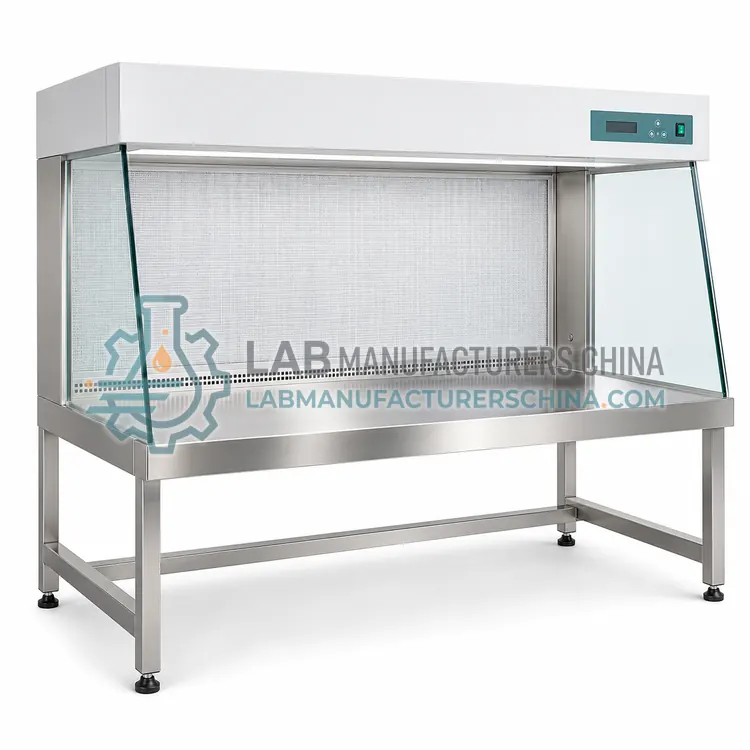 CLFC层流柜Laminar flow cabinets use HEPA-filtered unidirectional airflow to protect a work surface and the samples on it from particles and microbes. Horizontal, vertical, PCR and clean bench designs are used in cleanrooms, cell culture and molecular laboratories.
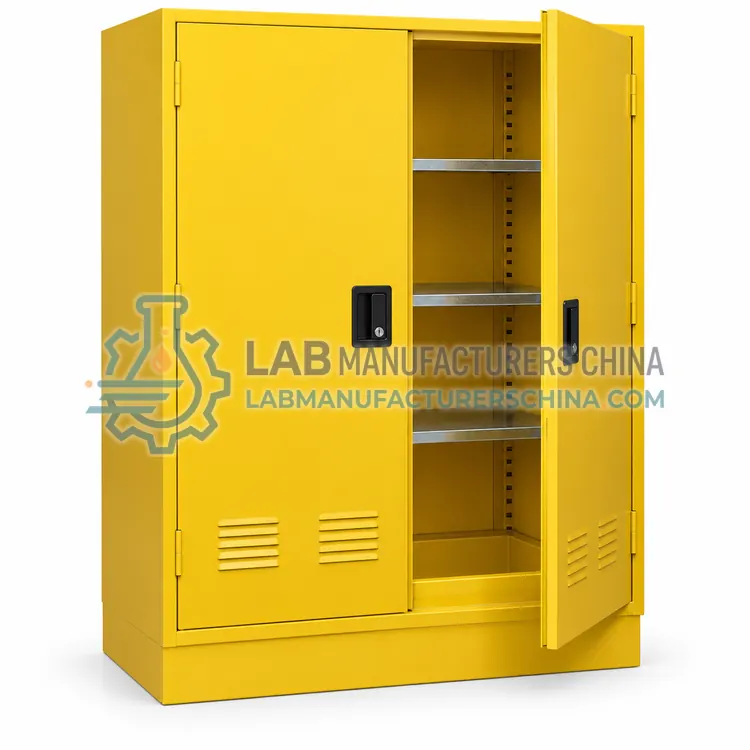 CLBR实验室安全设备Laboratory safety equipment covers cabinets, emergency showers, eyewash stations, spill control supplies and chemical storage that protect people and facilities from fire, chemical exposure and spills. It supports the laboratory's exposure-control and emergency plans.
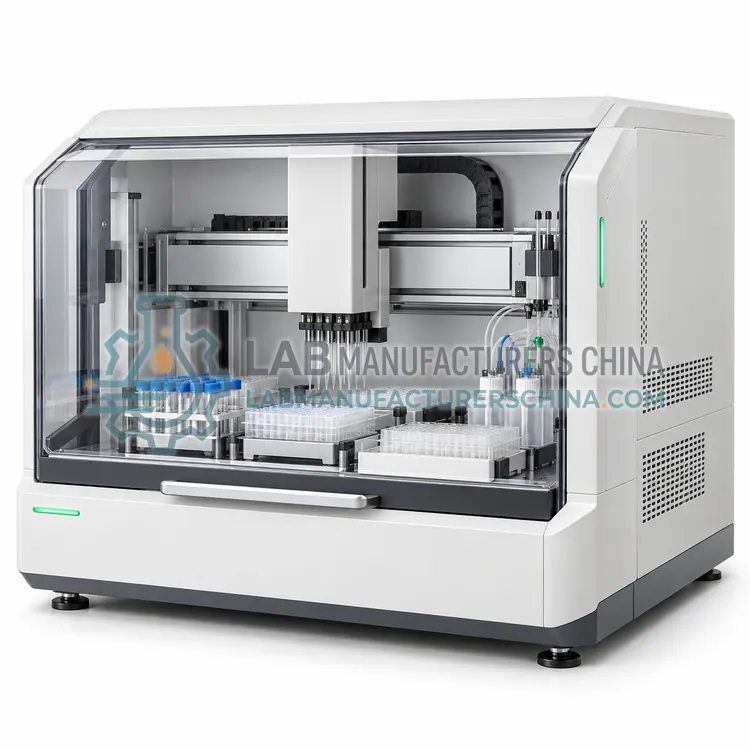 CLAA实验室自动化Laboratory automation covers instruments and software that prepare samples, move liquids, run analyses and feed results into information systems. It raises throughput and reproducibility while reducing manual handling, transcription errors, delays and running cost.
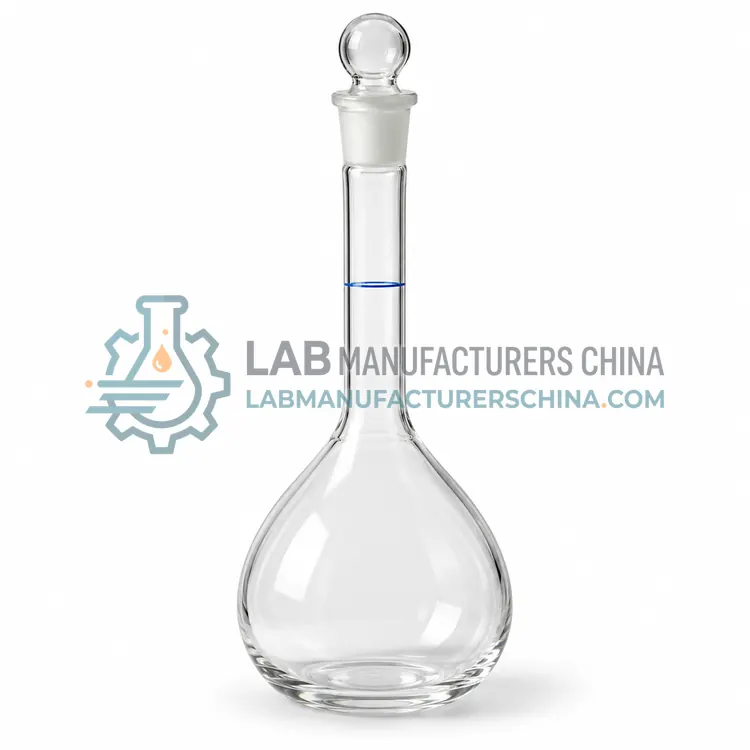 CLCO实验室耗材Laboratory consumables are the glassware, plasticware, tips, tubes, vials, filters and chromatography items used in daily work. They determine sample integrity, analytical background and cost per test, and are controlled materials in regulated laboratories.