
Laboratory Automation
实验室自动化
CLAA · Laboratory Infrastructure · 5 product types · 25 models
By Lab Manufacturers China Technical TeamLast reviewed
What are Laboratory Automation?
Laboratory automation covers instruments and software that prepare samples, move liquids, run analyses and feed results into information systems. It raises throughput and reproducibility while reducing manual handling, transcription errors, delays and running cost.
5 product types in Laboratory Automation
The 5 product types below are grouped by the exact instrument you need.
- ATM5 models
Automated Sample Preparation
自动样品制备系统
Automated sample preparation systems weigh, dilute, extract, digest or filter samples before analysis with minimal manual handling. They improve reproducibility and free analysts from repetitive bench work. They also document every preparation step for traceability.
- RLH5 models
Robotic Liquid Handling
机器人液体处理系统
Robotic liquid handling systems aspirate and dispense precise volumes for assays, screening and sample preparation. Air displacement, positive displacement, multichannel and nanolitre formats cover different liquids, volumes and throughputs, and help laboratories scale their work.
- AUA5 models
Automated Analyzers
自动分析仪
Automated analyzers run large numbers of tests with onboard sample handling, reagent management and result reporting. Bench-top, random-access, continuous-flow, batch and modular formats match different throughputs and workflows, and reduce manual work and transcription errors.
- LAR5 models
Laboratory Robotics
实验室机器人
Laboratory robots use arms, grippers and tracks to move labware and connect instruments without manual handling. Arm workstations, dual-arm systems, mobile robots, storage robots and plate handlers cover different levels of integration and cost.
- LII5 models
LIMS Integration
LIMS 集成
LIMS integration connects instruments, automation and laboratory software so sample identities, methods and results move automatically. Interfaces, middleware, barcode tracking, notebook links and reporting modules build a traceable data path and protect data integrity.
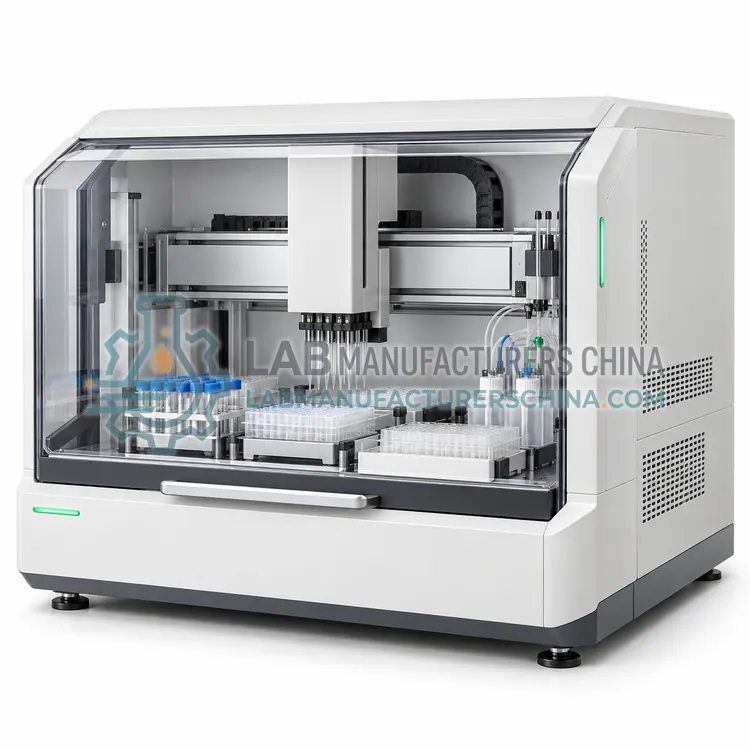
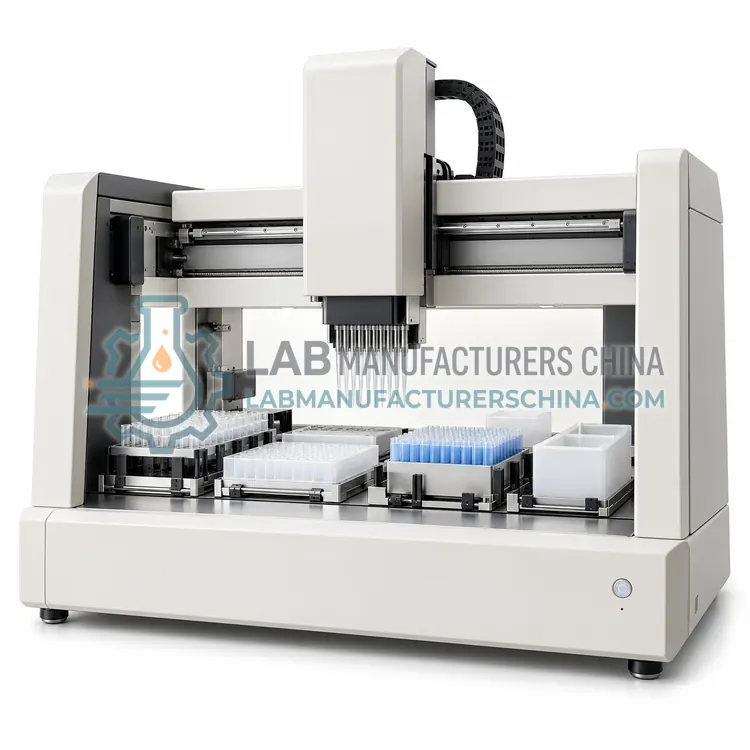
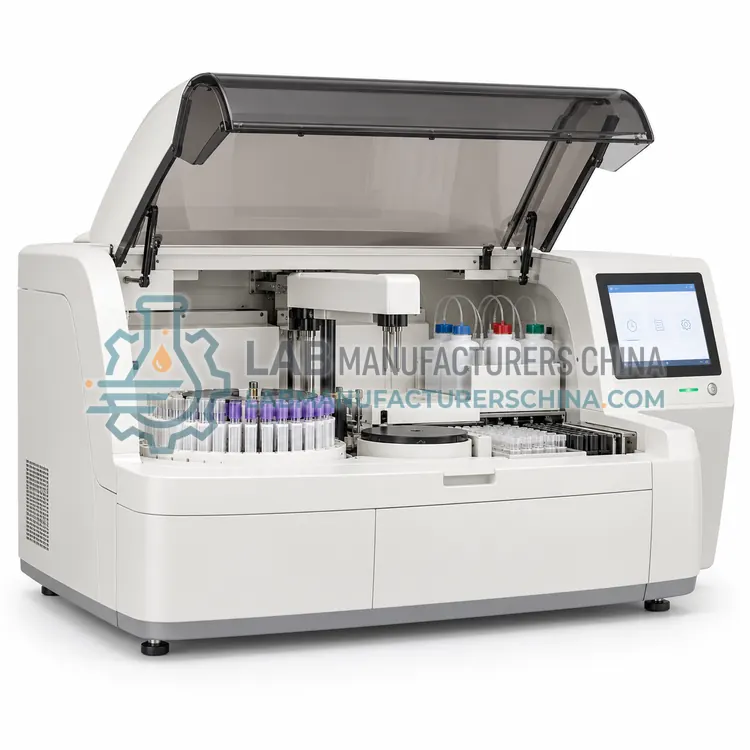
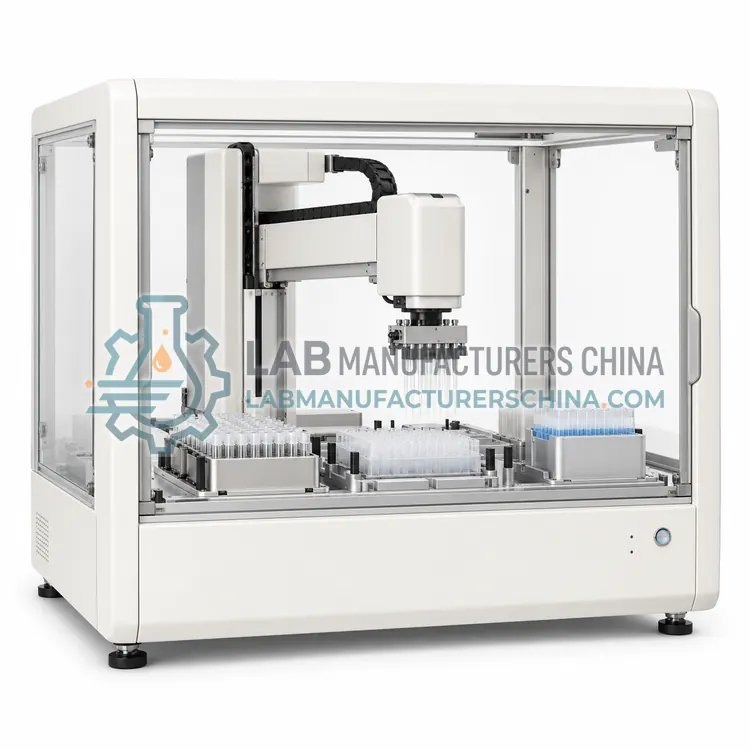
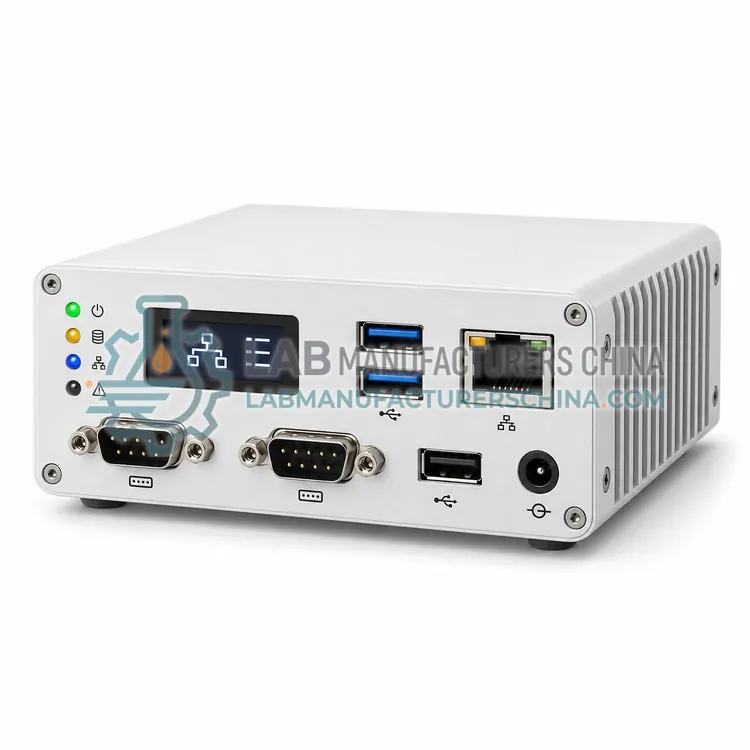
What are Laboratory Automation?
Laboratory automation is the use of mechanical, robotic and software systems to perform repetitive laboratory tasks with less manual intervention. It ranges from a single automated pipetting workstation or sample preparation robot to fully linked analysis lines where barcoded tubes move between instruments and results flow into a laboratory information management system. The main building blocks are liquid handling devices that aspirate and dispense precise volumes, robotic arms and grippers that move labware, analytical instruments with autosamplers, scheduling software that coordinates workflows, and integration software that exchanges data with the LIMS or electronic laboratory notebook. Automation is chosen when volume, precision, traceability or safety justify the investment, and it changes the laboratory's skill profile as much as its throughput, since operators become system supervisors who manage reagents, assays and exceptions.
How do Laboratory Automation work?
Automated systems combine sensing, motion and control. Liquid handlers aspirate a set volume through a disposable tip or a fixed probe using a syringe pump or positive displacement, then dispense into wells or tubes with accuracy and precision specified in percent and microlitres. Robotic arms or a track move plates and racks between modules, and barcode readers identify every container so the scheduler knows what to do next. The scheduler software maintains a queue, tracks reagents and consumables, and records each action for traceability. Detection modules may include spectrophotometry, imaging or chromatography, and results are written to a LIMS or a database through a defined interface. Error handling, liquid-level sensing, clot detection and self-checks keep runs valid. Validation, calibration and software controls such as audit trails and access levels are part of the installed system.
Where are Laboratory Automation used?
Automation is used in clinical diagnostics for high-volume chemistry, immunoassay and haematology testing, where sample tubes arrive barcoded and results are reported to the hospital system. Pharmaceutical and contract laboratories use it for dissolution sample handling, assay preparation and stability studies, and for screening libraries in early discovery. Genomics and molecular laboratories use automated nucleic acid extraction and PCR set-up. Biobanks and compound stores use robotic storage and retrieval. Food, environmental and industrial laboratories use it for sample weighing, digestion and multi-element analysis. Public health and reference laboratories use it for consistent high-throughput testing. In each setting, the automation is configured to the assay, the container types and the required traceability, and it is usually integrated with the LIMS so that results are reported without transcription.
Which standards apply to Laboratory Automation?
Laboratory automation is covered by a mix of safety, quality and data standards. Electrical safety follows IEC 61010-1 and, for some instruments, IEC 61010-2-081. Clinical laboratories work to ISO 15189 and, in the United States, CLIA requirements, while testing laboratories work to ISO/IEC 17025. Electronic records and signatures are addressed by 21 CFR Part 11 and EU GMP Annex 11. In vitro diagnostic devices fall under the EU IVDR or equivalent national rules. Microplate and labware dimensions follow ANSI/SLAS standards so that plates and tips are interchangeable, and liquid handling verification uses gravimetric or photometric methods under ISO 8655 for piston devices. Any certificate a supplier cites should be treated as a candidate until the exact model and software version are verified.
How do I select the right laboratory automation equipment?
Start from the assay, the required throughput and the acceptable hands-on time, then match the automation level. A bench-top liquid handler suits medium throughput and flexible methods, while a robotic system or connected line suits very high volume with fixed workflows. Confirm compatibility with the labware you already use, because plate, tube and tip formats determine what can be handled. Check volumetric accuracy and precision at the volumes that matter, not only at the mid-range. Review the software for method editing, audit trails, user access levels and interfaces to your LIMS, and ask how validation and revalidation are supported. Consider reliability, service response, spare parts and the training required, since downtime on a central system stops the whole workflow. Finally, confirm the return on investment in labour, quality and safety terms.
Laboratory Automation comparison
| Subcategory | Principle | Typical use | Key spec |
|---|---|---|---|
| Automated Sample Preparation | Robotic weighing, dilution and digestion of samples | Sample prep before analysis | Volumes 1–1000 µL; accuracy ± 1 % |
| Robotic Liquid Handling | Air or positive displacement aspiration and dispensing | Plate-based assays and screening | Channels 1–384; CV ≤ 3 % |
| Automated Analyzers | Instrument with autosampler and onboard reagent handling | High-volume routine testing | Throughput 100–2400 tests/h |
| Laboratory Robotics | Arms and tracks moving labware between modules | Linked workflows and storage access | Payload 0.5–10 kg; repeatability ± 0.1 mm |
| LIMS Integration | Software interfaces exchanging sample and result data | Traceability and automated reporting | HL7, ASTM or REST interfaces; audit trail |
Frequently asked questions about Laboratory Automation
It can prepare samples, aspirate and dispense precise volumes, move labware between instruments, run analyses and report results into a LIMS. It reduces manual steps, improves reproducibility and supports traceability of every action.
Match it to assay complexity, throughput and acceptable hands-on time. Bench-top liquid handlers suit flexible medium volumes, while robotic systems and connected lines suit high-volume fixed workflows with strict traceability.
Because plates, tubes, tips and racks must be gripped and positioned precisely. If the automation cannot handle your current consumables, you must change them, which affects assays and cost, so compatibility should be checked before purchase.
It is an interface between instruments or automation and the laboratory information management system, so sample identities, methods and results move automatically. It removes transcription errors and supports audit trails required by regulators.
By installation, operational and performance qualification, with accuracy and precision testing at the relevant volumes, software checks for audit trails and access control, and documented acceptance criteria. Revalidation is repeated after major changes.
Related categories
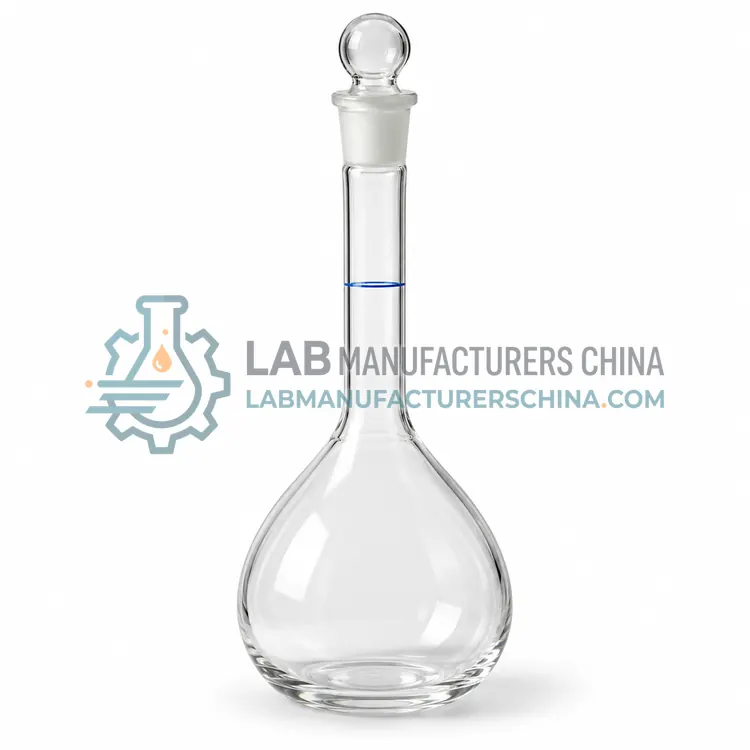 CLCO实验室耗材Laboratory consumables are the glassware, plasticware, tips, tubes, vials, filters and chromatography items used in daily work. They determine sample integrity, analytical background and cost per test, and are controlled materials in regulated laboratories.
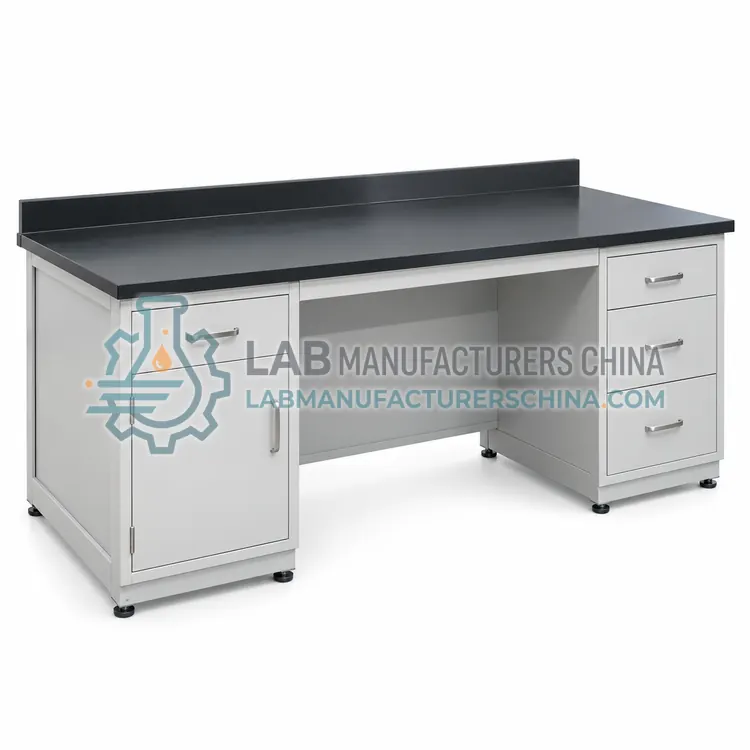 CLFU实验室家具Laboratory furniture covers benches, island and wall units, storage cabinets and sink units built from chemically resistant, load-rated materials. It provides the work surfaces, storage and service connections that laboratories need, and is specified by bench material, load capacity, service layout and compliance with casework standards.
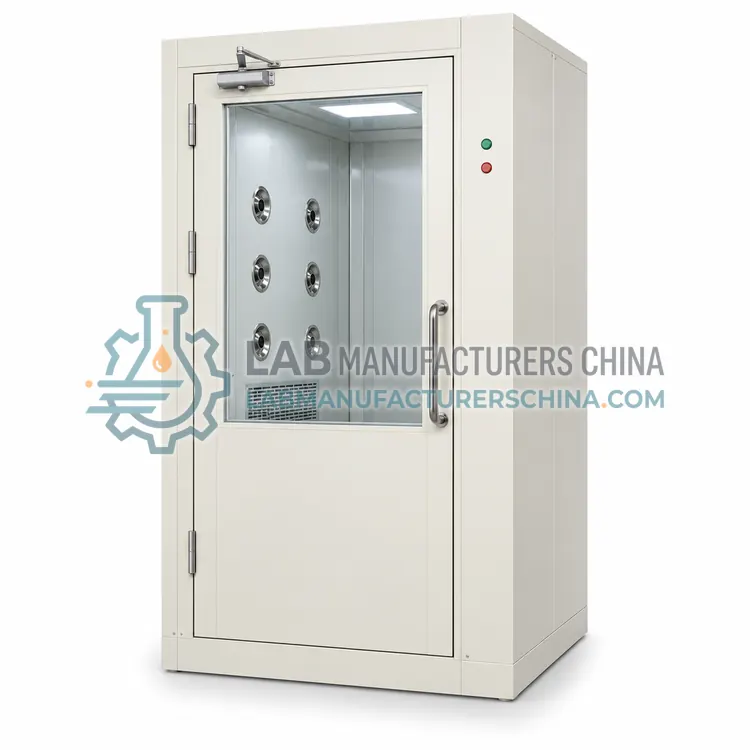 CCEQ洁净室设备Cleanroom equipment covers air showers, pass boxes, clean benches, garment cabinets and accessories that control particles and microbes at the entries, transfer points and work areas of classified rooms. Pharmaceutical, electronics, biotech and laboratory facilities use it to keep contamination within ISO 14644-1 class limits.
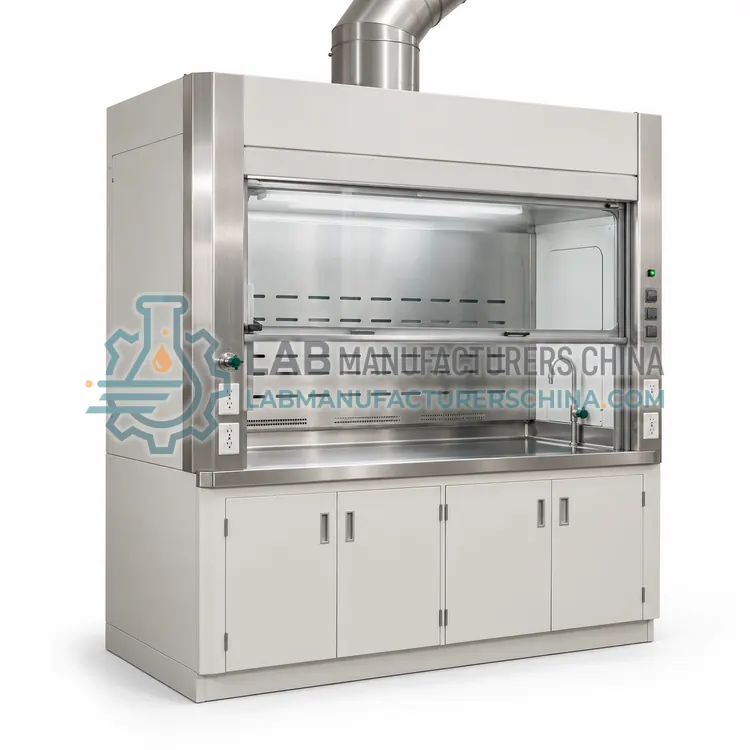 CFUH通风柜Fume hoods are enclosed ventilated workstations that capture and remove hazardous vapours, fumes, gases and dusts from a laboratory work area. Ducted, ductless, acid digestion and perchloric acid models address different chemicals, containment needs and building services.