
Food, Water, Agriculture & Environment Laboratory Equipment
食品、水、农业与环境
Sector FWA · 9 categories · 45 product types
By Lab Manufacturers China Technical TeamLast reviewed
What is Food, Water, Agriculture & Environment?
Food, Water, Agriculture & Environment equipment tests the safety and composition of foodstuffs, drinking and waste water, air, soil and seed. It includes food and water analyzers, environmental and air quality monitors, soil and seed testing equipment used by food producers, water utilities, environmental agencies and agricultural laboratories.
9 categories in Food, Water, Agriculture & Environment
Browse the 9 categories, then the product types and models inside them.
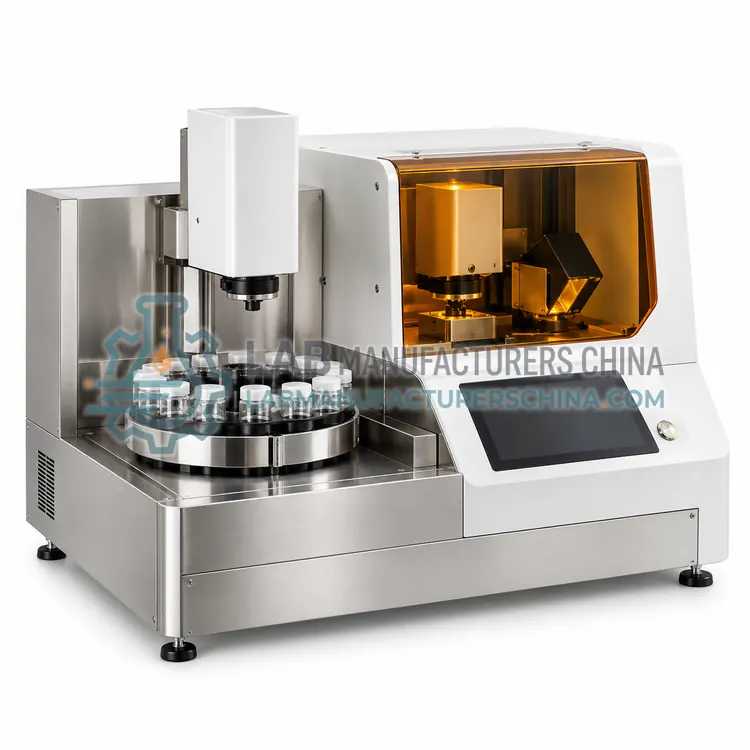
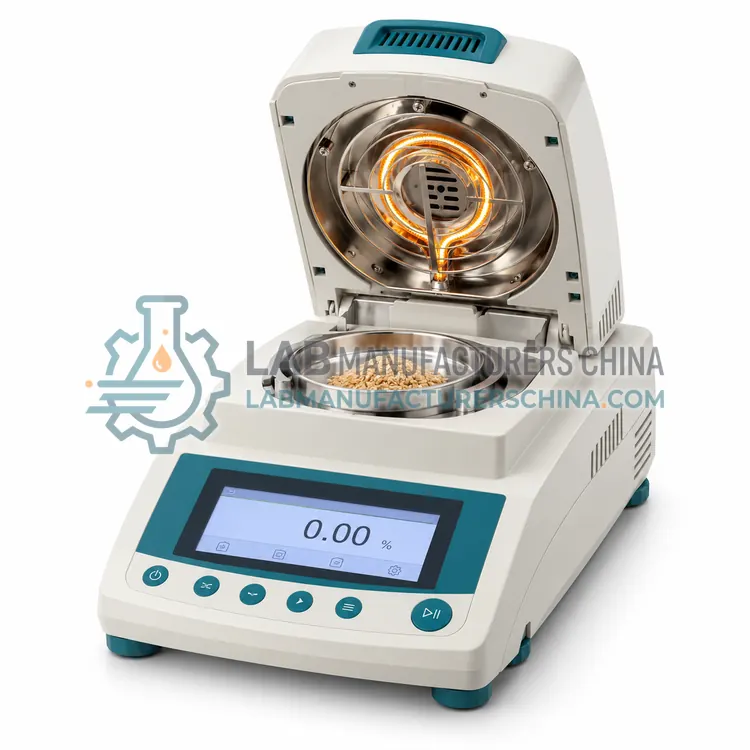
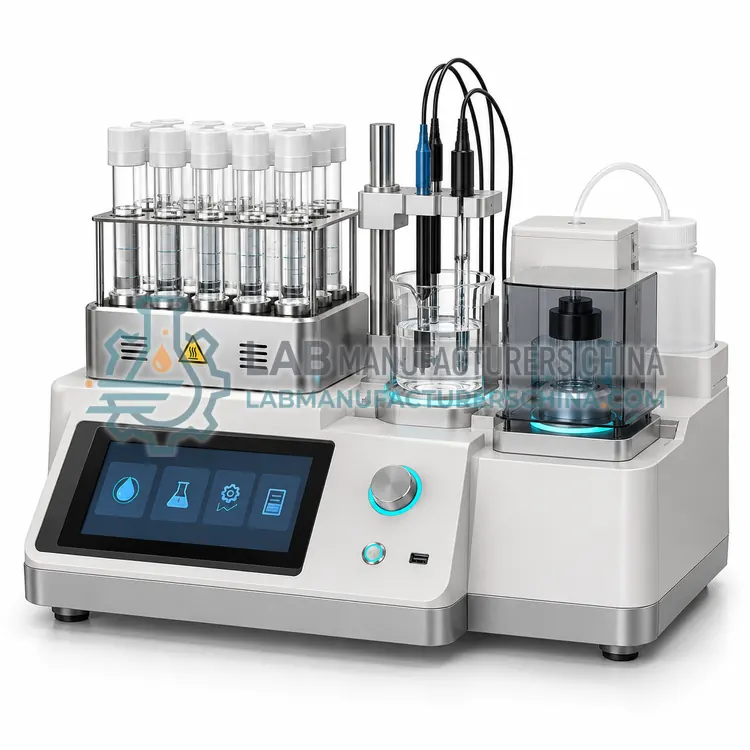
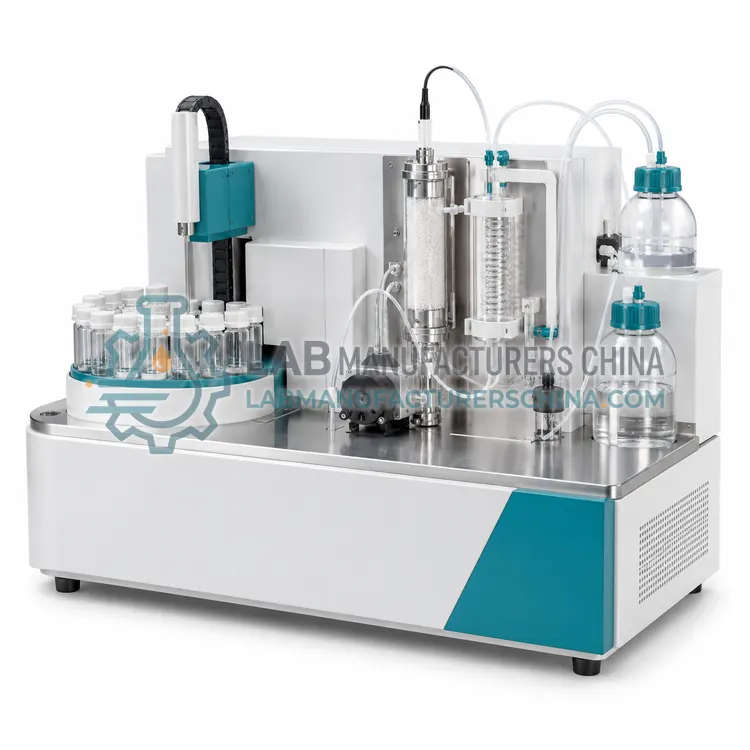
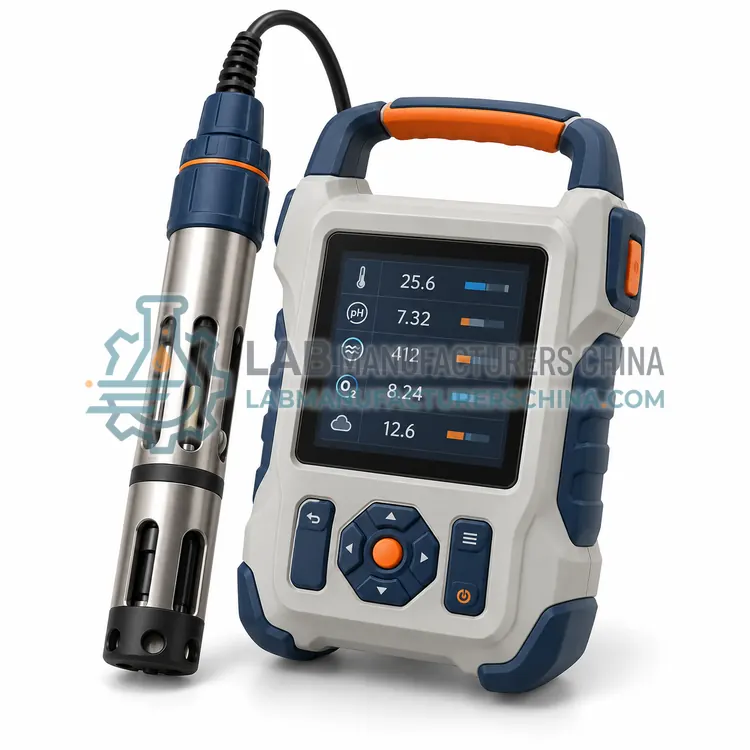
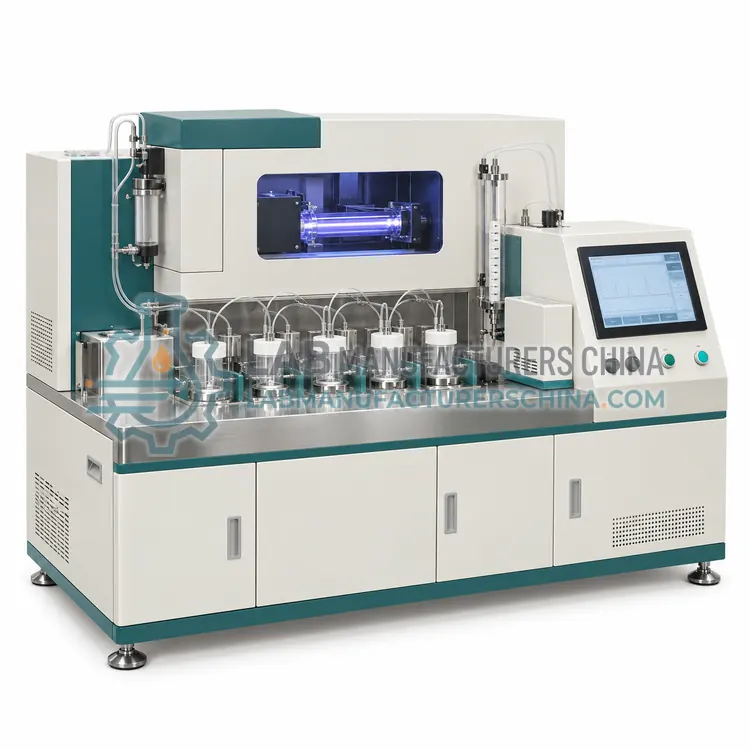
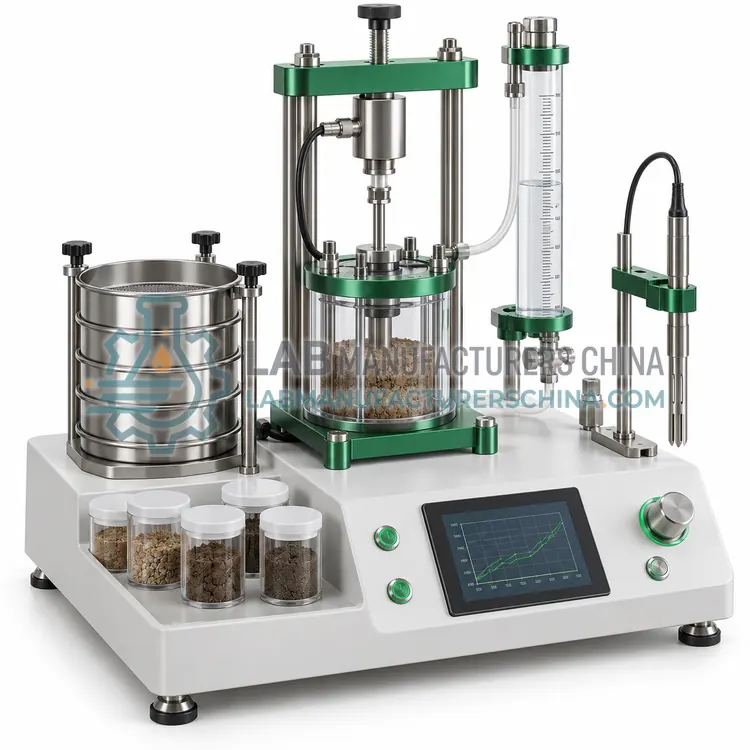
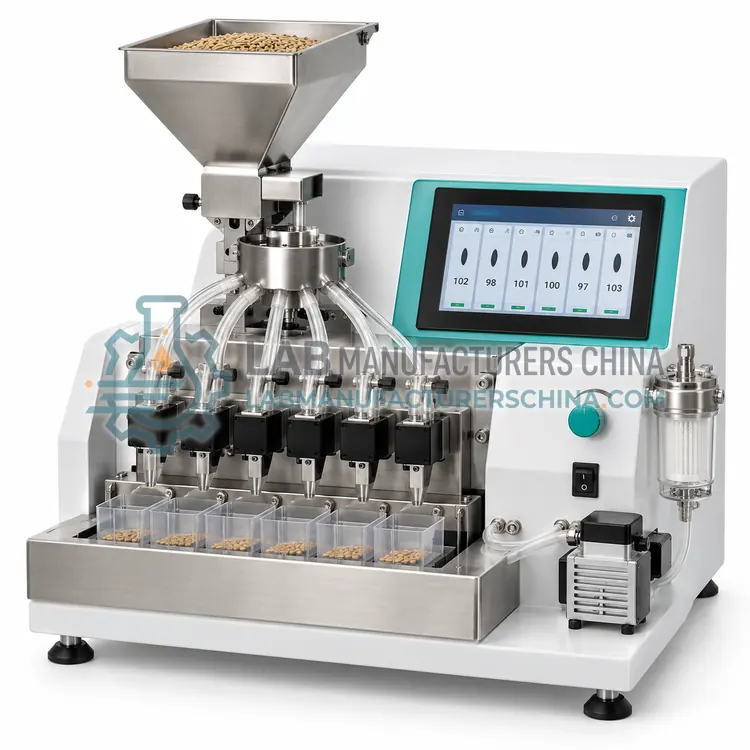
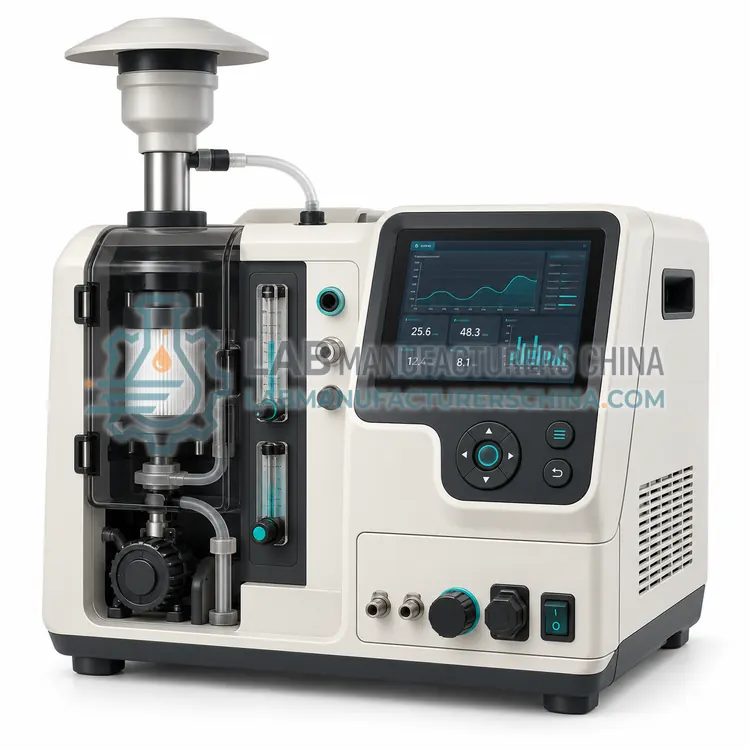
Laboratories in this sector protect public health and the environment by checking that food, water, air and soil meet regulatory limits. Samples are varied and often complex, so methods are frequently standardized by ISO, AOAC, APHA or national GB methods, and instruments are selected to run those methods.
Food testing and analysis equipment measures moisture, fat, protein, fiber, additives, contaminants and microbiological indicators. Water testing and analysis equipment covers pH, conductivity, turbidity, dissolved oxygen, COD, BOD, total organic carbon, residual chlorine and heavy metals. Environmental and air quality equipment samples and measures particulates and gases, while agricultural, seed and soil equipment evaluates nutrients, germination, moisture and contaminants.
Selection depends on the analyte list, sample volume, required detection limit and the method the laboratory must follow. Field portability, reagent consumption and ease of routine calibration are important for high-volume laboratories and on-site monitoring.
Products are offered by a Chinese manufacturer and exporter. Typical specifications are listed in the catalogue, and suitability for a specific regulatory method is to be confirmed at quotation.
Applications
Industries that specify Food, Water, Agriculture & Environment equipment.
Frequently asked questions about Food, Water, Agriculture & Environment
Typical instruments include moisture analyzers, Kjeldahl or Dumas nitrogen analyzers for protein, fat extractors, HPLC and GC for additives and residues, atomic absorption or ICP for metals, UV-Vis spectrophotometers, and microbiology equipment such as incubators and colony counters.
Routine panels include pH, conductivity, turbidity, dissolved oxygen, temperature, residual chlorine, hardness, COD, BOD, nutrients such as nitrogen and phosphorus, and metals. The parameter list and limits depend on whether the water is drinking, process or wastewater and on local regulation.
Start with the parameters and ranges you must report, then decide between portable, benchtop or online formats. Check the reference method the analyzer follows, electrode or reagent consumption, calibration effort and data logging needs. Confirm the method matches the regulation governing your reports.
Many analyzers can be configured or calibrated for GB/T, ISO or other national methods, but the exact configuration varies by model. State the method number and sample type in your RFQ so suitability can be confirmed before you order.