
Water Analysis Equipment
水质分析设备
CWAE · Food, Water, Agriculture & Environment · 5 product types · 25 models
By Lab Manufacturers China Technical TeamLast reviewed
What are Water Analysis Equipment?
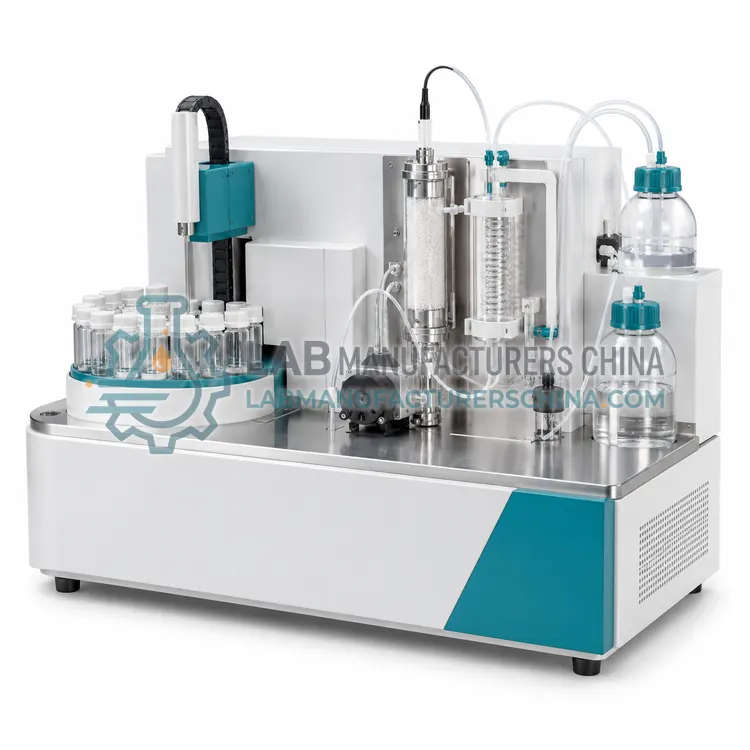
Water analysis equipment measures the chemical, physical and metal content of drinking water, surface water, wastewater and process water. The category covers TOC analyzers, ion analyzers, water-specific spectrophotometers, multi-parameter water quality analyzers and heavy metal analyzers used by utilities, environmental labs and industrial QC teams.
5 product types in Water Analysis Equipment
The 5 product types below are grouped by the exact instrument you need.
- TOC5 models
TOC Analyzers
水质 TOC 分析仪
TOC analyzers for water analysis measure total organic carbon in drinking water, surface water, wastewater and process water by oxidizing organic compounds to carbon dioxide and detecting the gas. Environmental laboratories, water utilities and industrial plants use them as a fast, low-reagent indicator of organic contamination and treatment performance.
- IOA5 models
Ion Analyzers
离子分析仪
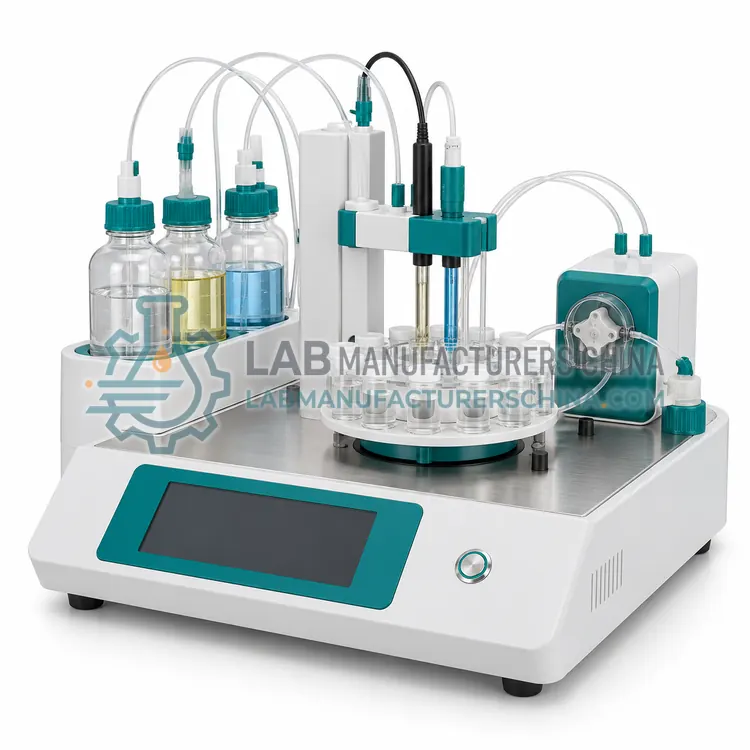
Ion analyzers measure the concentration of specific ions, such as fluoride, chloride, nitrate, sulfate, ammonium, sodium and calcium, in water and aqueous samples. They use ion-selective electrodes or ion chromatography and are used by water utilities, environmental laboratories, power plants and food and pharmaceutical quality control teams.
- SPT5 models
Spectrophotometers
水质分析分光光度计
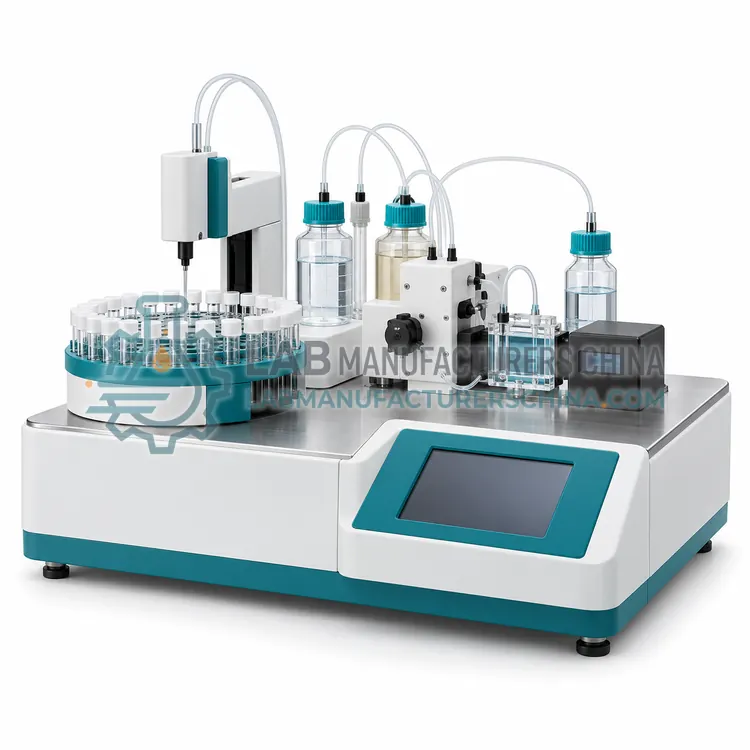
Spectrophotometers for water analysis measure light absorbance of water samples or reagent-developed colors to determine parameters such as ammonia nitrogen, phosphate, COD, residual chlorine, nitrate, iron and color. They are used by water utilities, environmental laboratories and industrial plants for routine compliance and process testing.
- WQA5 models
Water Quality Analyzers
水质分析仪
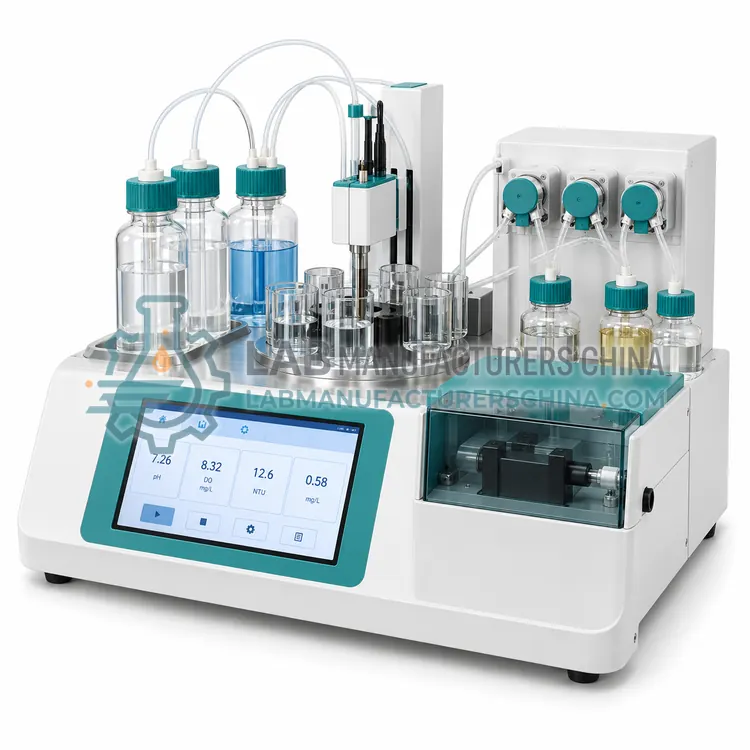
Water quality analyzers measure multiple physical and chemical parameters of water, such as pH, conductivity, dissolved oxygen, turbidity, temperature, TDS and residual chlorine, using electrochemical and optical sensors. Laboratories, treatment plants, environmental agencies and aquaculture operations use them to assess and control water quality.
- HMA5 models
Heavy Metal Analyzers
重金属分析仪
Heavy metal analyzers determine trace concentrations of toxic metals such as lead, cadmium, mercury, arsenic, chromium, copper and zinc in water and wastewater. Using stripping voltammetry, atomic fluorescence or atomic absorption, they serve environmental laboratories, water utilities and industrial dischargers needing results at microgram-per-liter levels.
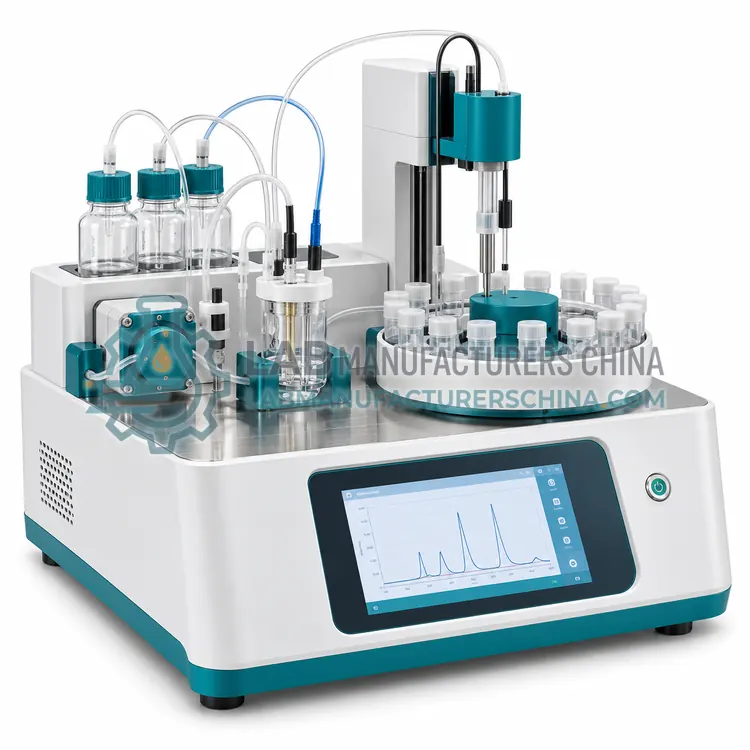
What are Water Analysis Equipment?
Water analysis equipment is the group of laboratory and field instruments used to quantify what is dissolved or suspended in water. Typical measurands include total organic carbon, anions and cations, nutrients such as ammonia nitrogen and phosphate, chemical oxygen demand, turbidity, pH, conductivity, dissolved oxygen, residual chlorine and trace metals such as lead, cadmium, mercury and arsenic. Instruments range from benchtop analyzers with autosamplers to portable photometers and online process analyzers. Laboratory users rely on them to demonstrate compliance with drinking water limits, discharge permits and ultrapure water specifications, while plant operators use them for process control and early detection of contamination. Results are only as reliable as the sampling, preservation and calibration around the instrument, so the category includes supporting reagents, standards and accessories as well as the analyzers themselves.
How do Water Analysis Equipment work?
Different water parameters call for different detection principles. TOC analyzers oxidize organic carbon to CO2 by high-temperature combustion or UV-persulfate oxidation and detect the gas by non-dispersive infrared absorption or conductometry. Ion analyzers use ion-selective electrodes or ion chromatography, where a suppressed conductivity detector quantifies separated ions. Spectrophotometers and photometers apply the Beer–Lambert law to colored complexes formed by reagent chemistry, such as indophenol blue for ammonia or molybdenum blue for phosphate. Multi-parameter analyzers combine electrochemical sensors, optical turbidity and titration or digestion modules. Heavy metal analyzers use anodic stripping voltammetry, atomic fluorescence or atomic absorption to reach microgram-per-liter detection limits. Across all principles, calibration with traceable standards and regular blank checks convert raw signals into defensible concentrations.
Where are Water Analysis Equipment used?
Municipal water utilities use these instruments to verify finished drinking water against national limits and to monitor treatment steps such as coagulation, filtration and disinfection. Environmental testing labs analyze river, lake and groundwater samples and wastewater for discharge reporting. Industrial users include power plants monitoring boiler feedwater conductivity and silica, semiconductor fabs tracking ultrapure water TOC at low parts-per-billion, food and beverage plants controlling process water, and pharmaceutical manufacturers qualifying purified water and water for injection. Aquaculture and agriculture operations check nutrient and oxygen levels. Research institutes study trace metal transport and emerging contaminants. Field teams use portable photometers and multi-parameter meters for rapid screening before samples are sent to a central laboratory for confirmatory analysis.
Which standards apply to Water Analysis Equipment?
Water analysis methods are largely prescribed by standard methods. TOC is covered by ISO 8245 and ASTM D4839 and D5173, and by USP <643> for pharmaceutical water. Ion chromatography follows ISO 10304 and EPA Method 300.1. Spectrophotometric tests follow ISO 7150 for ammonium and ISO 6878 for phosphorus. Chinese laboratories commonly work to GB 5749 for drinking water, GB 3838 for surface water and the HJ series of environmental methods. Instrument electrical safety is addressed by IEC 61010-1, and laboratory competence by ISO/IEC 17025. The method named in a permit or contract determines which instrument configuration, calibration range and quality-control samples are acceptable.
How do I select the right water analysis equipment?
Start with the regulatory method or specification you must meet, because it fixes the analyte, detection principle and required limit of quantitation. Then match sample throughput: a few samples per week suits manual or portable instruments, while dozens per day justify autosamplers and automated reagent handling. Consider the sample matrix, since high-salinity or high-particulate wastewater needs robust oxidation, dilution and filtration options. Check detection range against expected concentrations, leaving margin below the regulatory limit. Decide between laboratory, portable and online formats according to where and how often data are needed. Finally compare running costs such as reagents, consumables, gases and electrodes, and confirm that calibration standards, service support and software audit trails meet your quality system.
Water Analysis Equipment comparison
| Subcategory | Principle | Typical use | Key spec |
|---|---|---|---|
| TOC Analyzers | Oxidation to CO2 with NDIR detection | Drinking water, wastewater and process water organics | 0.05 mg/L to 30,000 mg/L range |
| Ion Analyzers | Ion-selective electrode or ion chromatography | Fluoride, nitrate, chloride and cation testing | 0.01–1000 mg/L typical |
| Spectrophotometers | Colorimetric absorbance via Beer–Lambert law | Nutrients, COD, chlorine, phenol and color | 340–900 nm typical range |
| Water Quality Analyzers | Electrochemical, optical and titration sensors combined | Multi-parameter lab and field screening | pH 0–14, conductivity to 200 mS/cm |
| Heavy Metal Analyzers | Stripping voltammetry, atomic fluorescence or AAS | Lead, cadmium, mercury and arsenic in water | Detection limit from 0.1 µg/L |
Frequently asked questions about Water Analysis Equipment
A basic drinking water lab needs a pH and conductivity meter, turbidimeter, spectrophotometer for nutrients and residual chlorine, and an ion analyzer or ion chromatograph for anions. Trace metals require an atomic absorption, atomic fluorescence or stripping voltammetry analyzer. The exact list follows the national standard, such as GB 5749.
TOC measures the carbon present in organic compounds by oxidizing it to CO2, while COD measures the oxygen equivalent consumed by a chemical oxidant, usually dichromate. TOC is faster, reagent-light and works at low levels; COD captures oxidizable inorganic species too and is still specified in many discharge permits.
The choice depends on the metal and limit. Anodic stripping voltammetry suits field or low-cost screening of lead, cadmium, copper and zinc. Atomic fluorescence is preferred for mercury and arsenic. Flame or graphite furnace atomic absorption and ICP-MS cover broader multi-element work at lower detection limits.
Portable photometers and multi-parameter meters are reliable for screening, process checks and remote sites when used with fresh reagents and verified calibration. Regulatory reporting usually requires the method named in the permit, so portable results are often confirmed by laboratory analysis on a subset of samples.
Calibration frequency depends on the instrument and quality system. pH electrodes are typically calibrated daily, photometers verified with standards before each batch, and TOC or ion analyzers checked against a standard each run with full recalibration monthly or after maintenance. Follow the method and ISO/IEC 17025 procedures.
Preservation depends on the analyte. Metals samples are acidified to pH below 2 with nitric acid, TOC and COD samples with sulfuric or phosphoric acid, and nutrients are often refrigerated at 4 °C. Use clean containers, observe holding times in the method, and keep blanks from the same batch.
Related categories
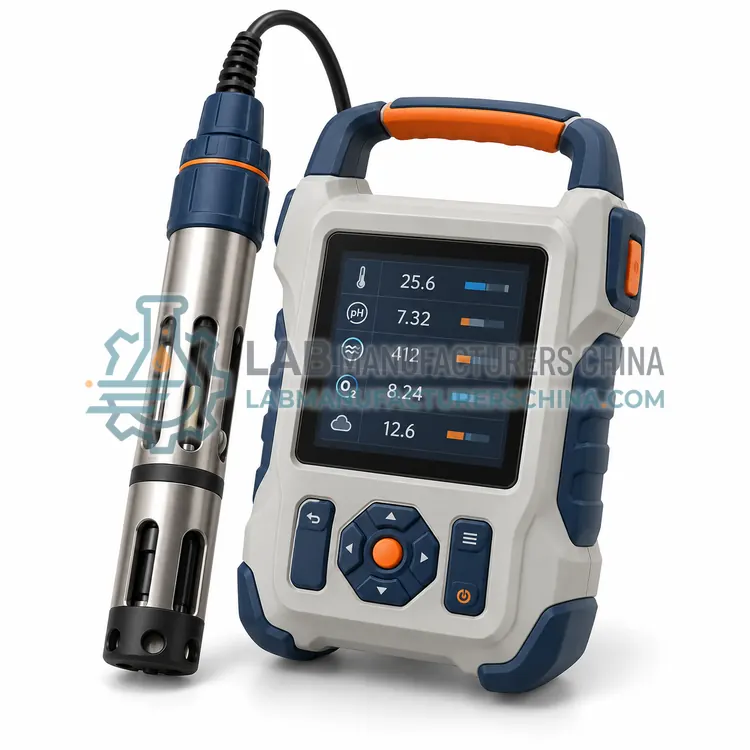 CETE环境检测设备Environmental testing equipment measures and collects samples of water, air, stack emissions, noise and soil or sediment to assess pollution and regulatory compliance. It covers online monitors, portable meters and samplers used by environmental agencies, industrial plants, consultancies and accredited testing laboratories.
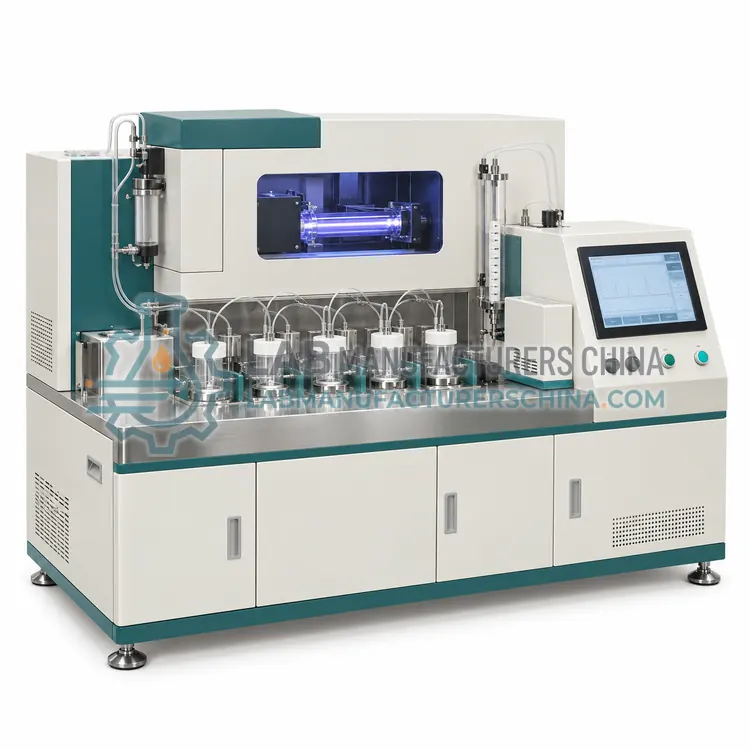 CAQM空气质量监测设备Air quality monitoring equipment measures gases, particulate matter and volatile organic compounds in ambient air and in industrial stacks. It includes gas analyzers, particulate monitors, VOC analyzers, stack gas analyzers and integrated ambient air stations used by environmental agencies, industry and research institutes.
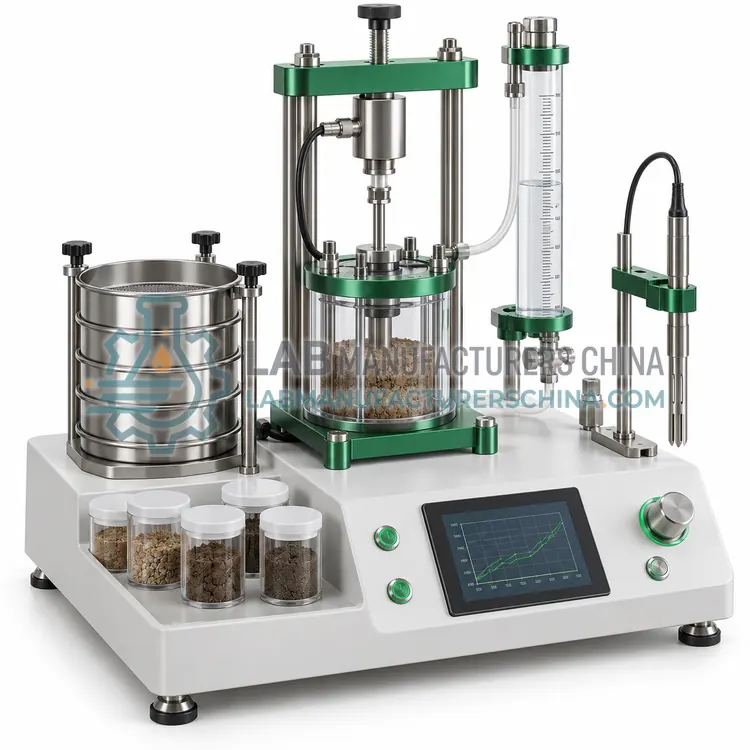 CATE农业检测设备Agricultural testing equipment analyzes grain, crops, plant tissue and fertilizers for quality, composition and nutrient content, and prepares agricultural samples for analysis. It is used by grain traders, feed and fertilizer producers, breeding programs, inspection bodies and agronomy laboratories.
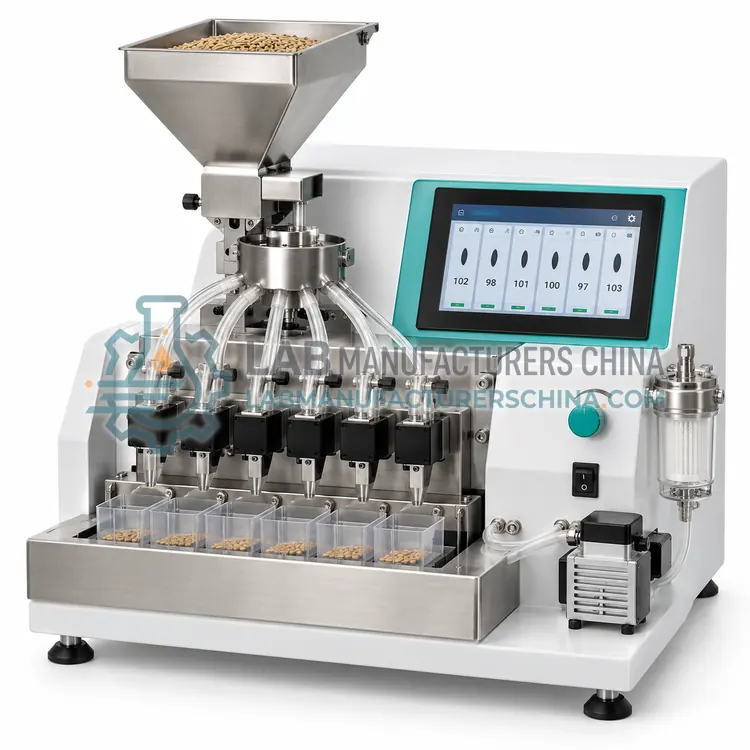 CSTE种子检测设备Seed testing equipment evaluates seed quality, including count, germination, moisture content, physical purity and representative sampling. It is used by seed companies, official seed testing stations, breeders and research institutes that follow ISTA and AOSA rules to certify and trade seed lots.