
Petroleum, Mining & Industrial Analysis Laboratory Equipment
石油、矿业与工业分析
Sector PMI · 12 categories · 60 product types
By Lab Manufacturers China Technical TeamLast reviewed
What is Petroleum, Mining & Industrial Analysis?
Petroleum, Mining & Industrial Analysis equipment tests fuels, lubricants, coal, ores, metals and industrial materials such as polymers, plastics, rubber and paper. It covers standardized test apparatus for ASTM, ISO and GB/T methods used in refineries, mines, foundries and manufacturing quality control laboratories.
12 categories in Petroleum, Mining & Industrial Analysis
Browse the 12 categories, then the product types and models inside them.
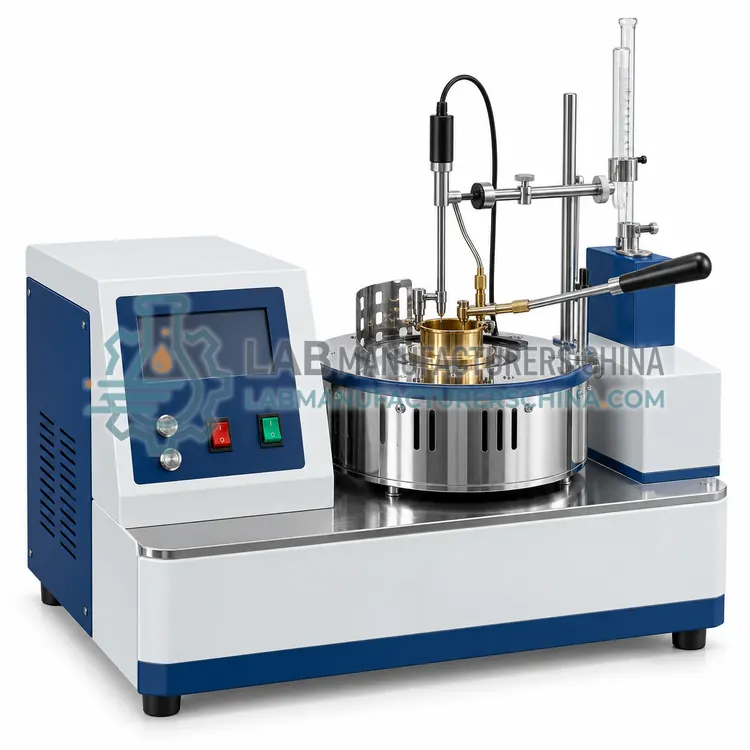
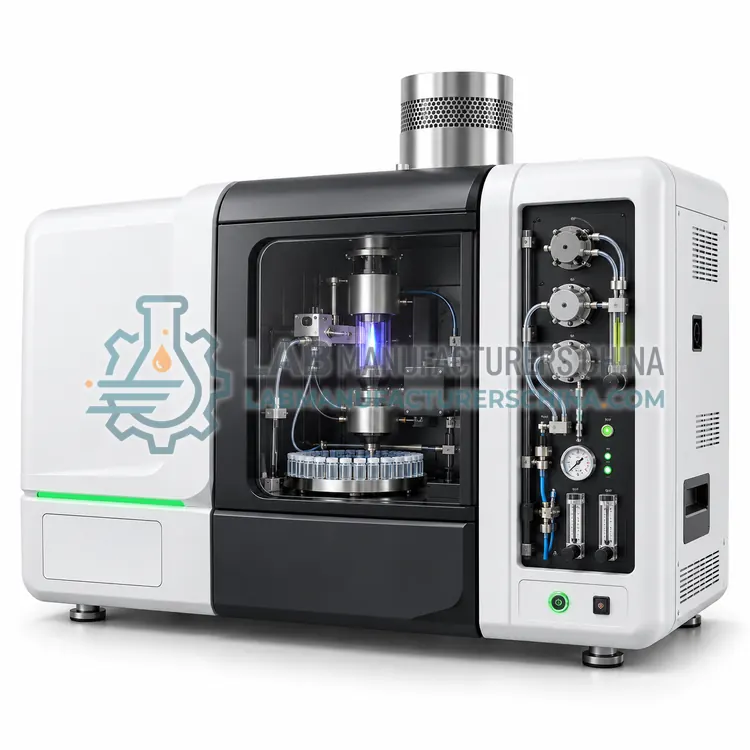
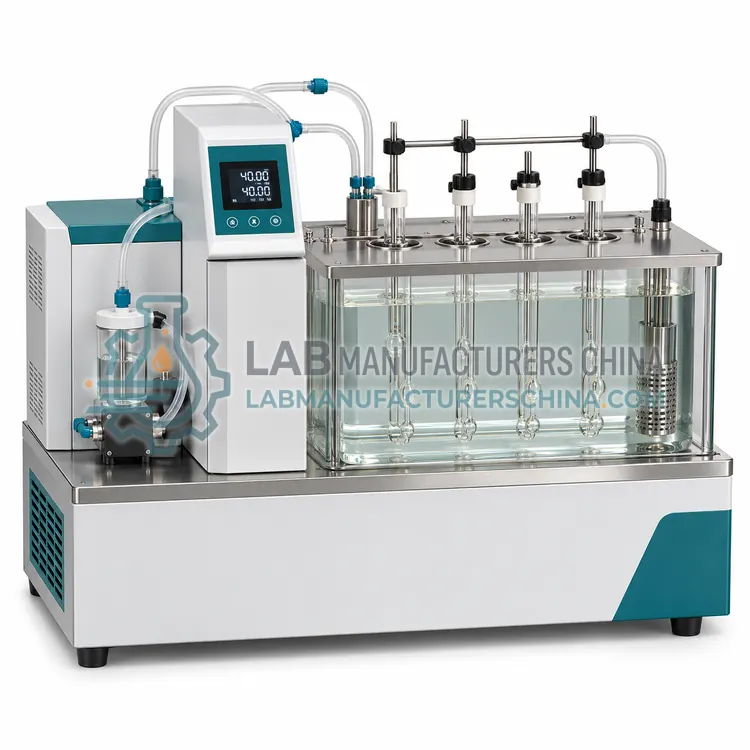
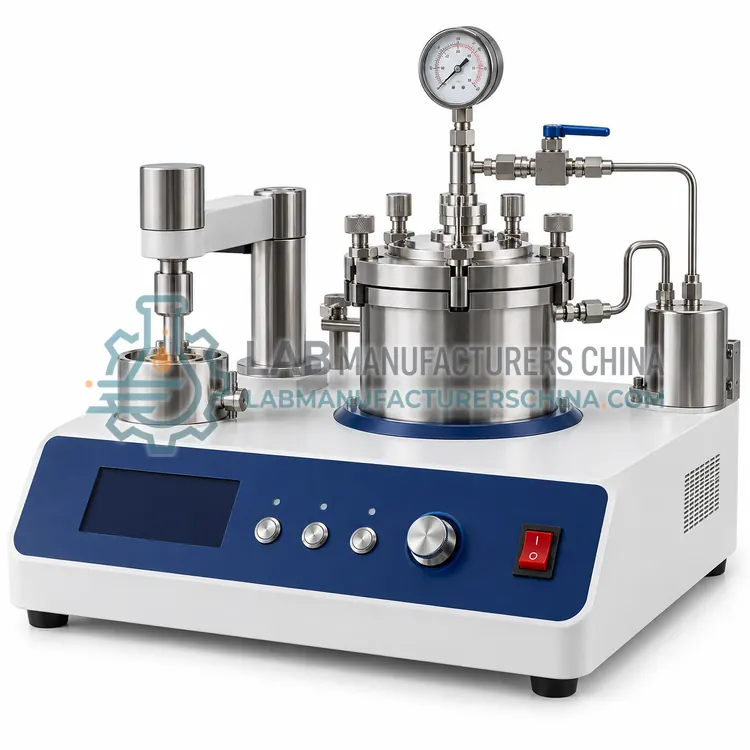
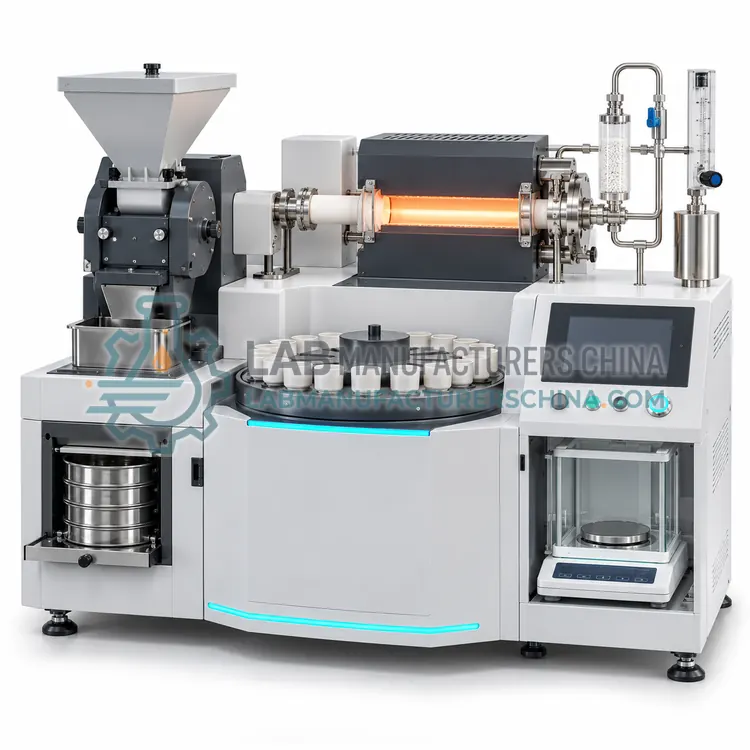
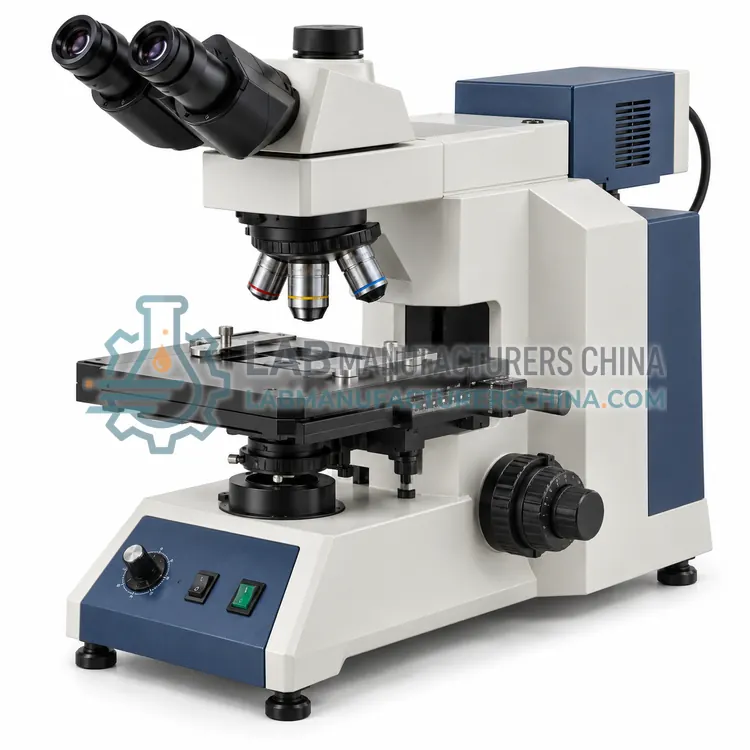
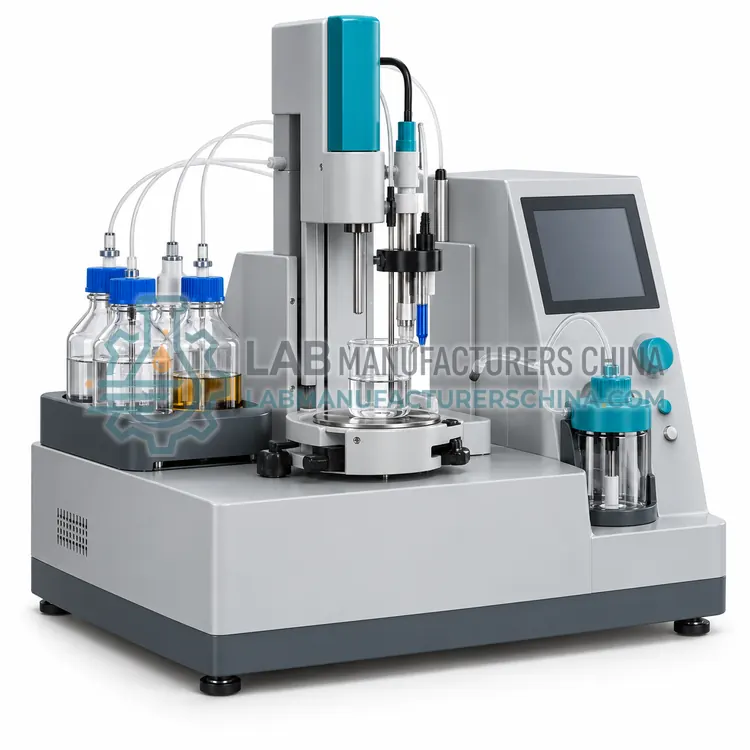
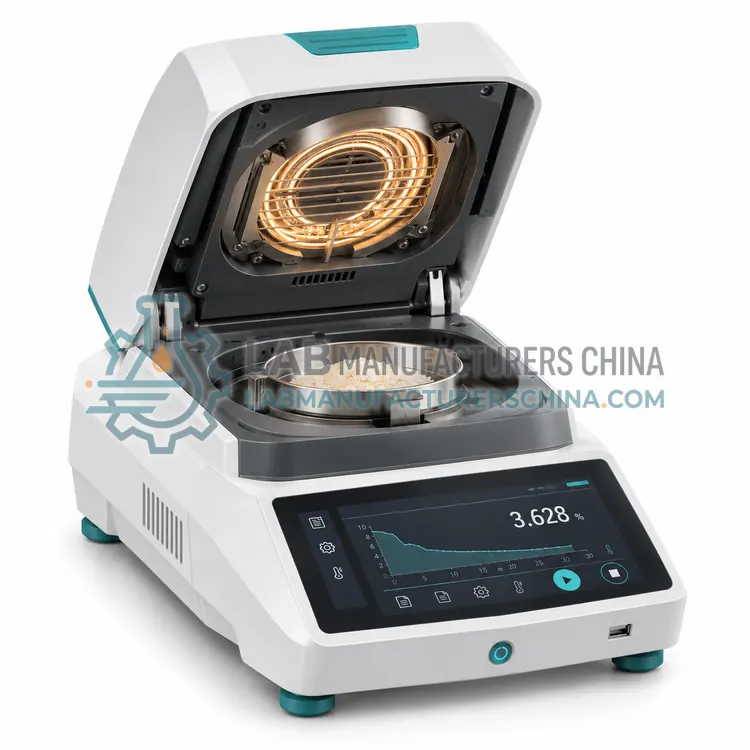
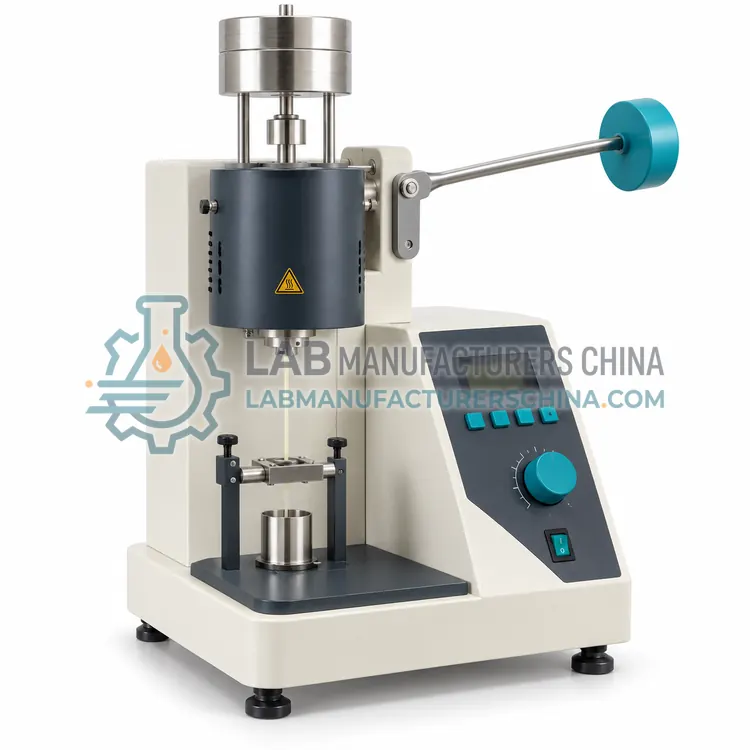
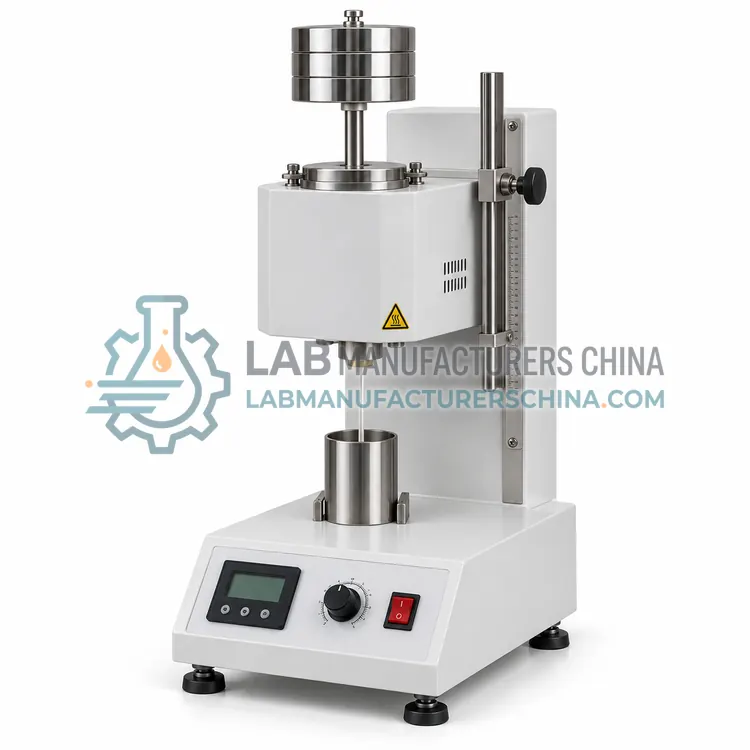
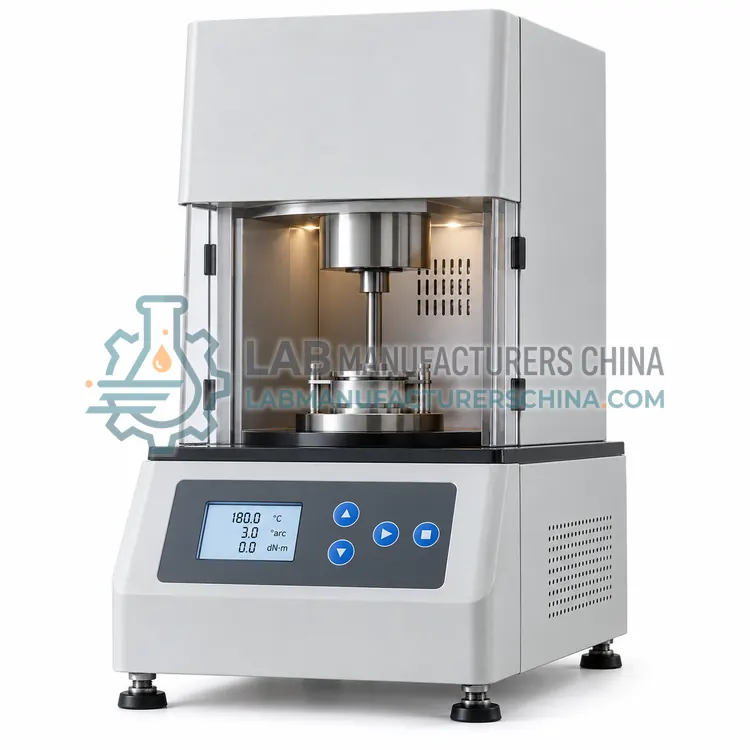
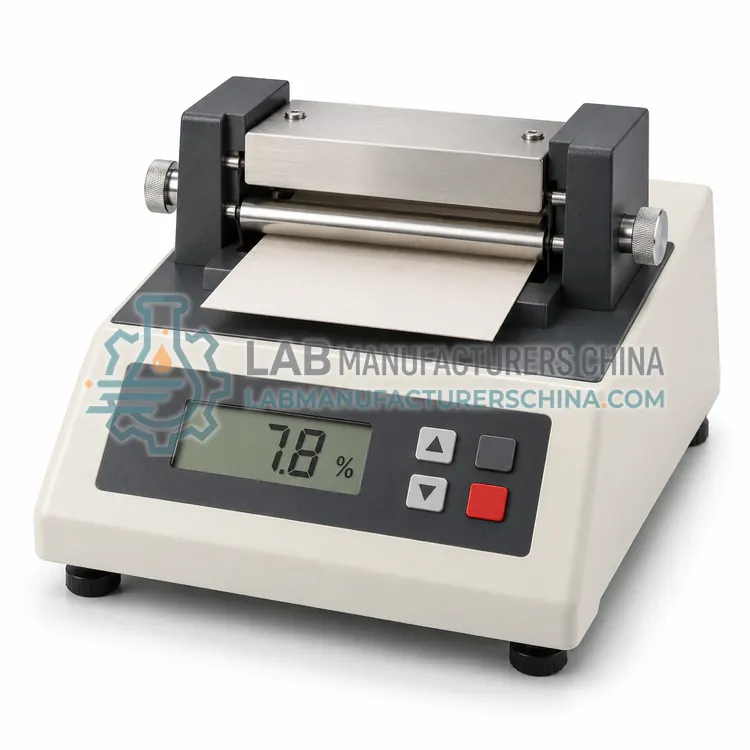
Industrial and resource laboratories rely heavily on standardized test methods. A flash point, viscosity or ash content result is only comparable if it was produced on apparatus that meets the dimensions, heating rates and procedures written into the method. Equipment in this sector is therefore specified by the standard it implements.
Petroleum, oil and lubricant testing equipment includes flash point testers, viscometers, distillation units, pour point and cloud point apparatus, density meters, water content titrators and corrosion tests. Coal and mining laboratory equipment covers proximate analysis furnaces, calorific value bombs, sulfur analyzers, crushers and sample dividers. Metallurgical laboratories use spark spectrometers, hardness testers and metallographic preparation equipment. Polymer, plastic, rubber and paper analysis equipment includes melt flow indexers, tensile and impact testers, rheometers and moisture or strength testers.
Selection starts with the method: ASTM D93 for flash point, ASTM D445 for kinematic viscosity, ASTM D5865 for gross calorific value of coal, ISO 1133 for melt flow rate, among others. Then consider automation, sample throughput and operator safety.
Products are offered by a Chinese manufacturer and exporter. The standard each model follows is stated in its datasheet and is to be confirmed at quotation.
Applications
Industries that specify Petroleum, Mining & Industrial Analysis equipment.
Frequently asked questions about Petroleum, Mining & Industrial Analysis
The main references are ASTM and ISO methods, for example ASTM D93 for flash point by Pensky-Martens, ASTM D445 for kinematic viscosity, ASTM D86 for distillation and ASTM D97 for pour point. China also uses GB/T equivalents. Confirm the method your customers or regulator require.
Proximate analysis determines moisture, ash, volatile matter and, by difference, fixed carbon. It is performed in controlled furnaces or automatic analyzers following methods such as ASTM D3172 or ISO 17246. Calorific value and total sulfur are usually measured separately.
Automatic testers control heating, apply the ignition source, detect the flash and correct for barometric pressure, which reduces operator influence and improves repeatability. Manual testers require the operator to control rate and ignition timing. Both must follow the method, such as ASTM D93.
Many models are built to one or more named methods, and the datasheet lists them. If you need a particular method or revision, state it in the RFQ. Conformity to the method and any supporting test records are to be confirmed at quotation.