Lab Manufacturers China

Paper Quality Analysis

纸张物理性能试验机

PQA · Paper Analysis Equipment · 5 models

By Lab Manufacturers China Technical TeamLast reviewed Standards: ISO 1924-2, ISO 1974, ISO 535

Standards referenced

  • ISO 1924-2
  • ISO 1974
  • ISO 535
  • ISO 8791-2
  • ISO 5626
  • ASTM D828
  • TAPPI T494
  • TAPPI T414
  • TAPPI T441
  • IEC 61010-1

What are Paper Quality Analysis?

Paper quality testing measures the mechanical and surface properties that determine how a sheet performs in printing, converting and packaging, including tensile strength, tearing resistance, water absorbency, smoothness, porosity and folding endurance. These tests form the basis of grade specifications and runnability acceptance.

5 models of Paper Quality Analysis

The 5 models below are current configurations; specifications are confirmed on quotation.

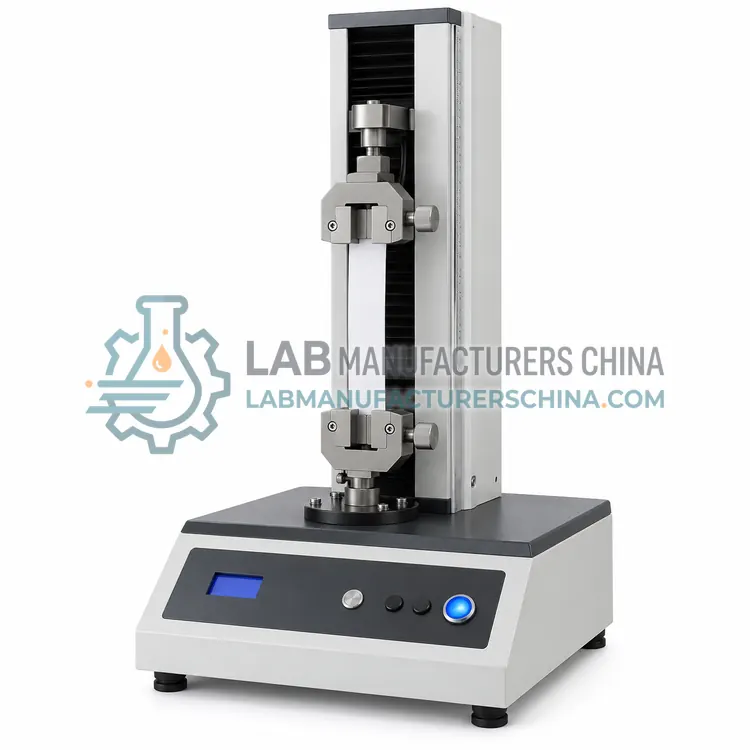
Tensile Strength Tester for Paper and Board

纸张与纸板抗张强度试验机

  • PQA-0001
  • Paper Quality Analysis
  • CE (to be confirmed)
  • ISO 9001 manufacturing (to be confirmed)
Maximum force:
500 N or 1000 N
Force resolution:
0.01 N
Test length:
100 mm and 180 mm
Stretching rate:
1–500 mm/min, 20 mm/min typical
Specimen width:
15 mm or 25 mm
Elongation measurement:
To 100% or more

A tensile tester stretches a conditioned paper strip at a constant rate and records breaking force, elongation and tensile energy absorption. It is the fundamental strength test for packaging, sack and label papers and for board.

Request a quote
View details

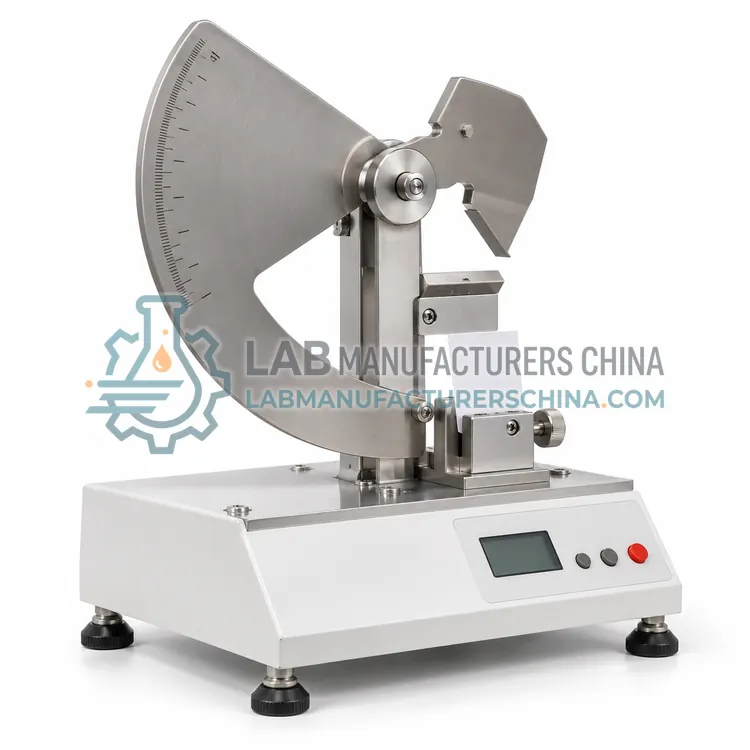
Elmendorf Tear Resistance Tester for Paper

纸张撕裂度测定仪(埃尔门多夫法)

  • PQA-0002
  • Paper Quality Analysis
  • CE (to be confirmed)
  • ISO 9001 manufacturing (to be confirmed)
Pendulum capacities:
200, 400, 800, 1600 or 6400 mN options
Tear length:
43 mm per ISO 1974
Specimen size:
About 63 × 50 mm
Plies per test:
1–16
Initial slit length:
20 mm
Readout:
Digital display with index calculation

An Elmendorf tear tester measures the energy absorbed when a pendulum tears a pre-cut paper specimen through a fixed distance. It characterises resistance to tearing, which matters for papers that are punched, bound or handled.

Request a quote
View details

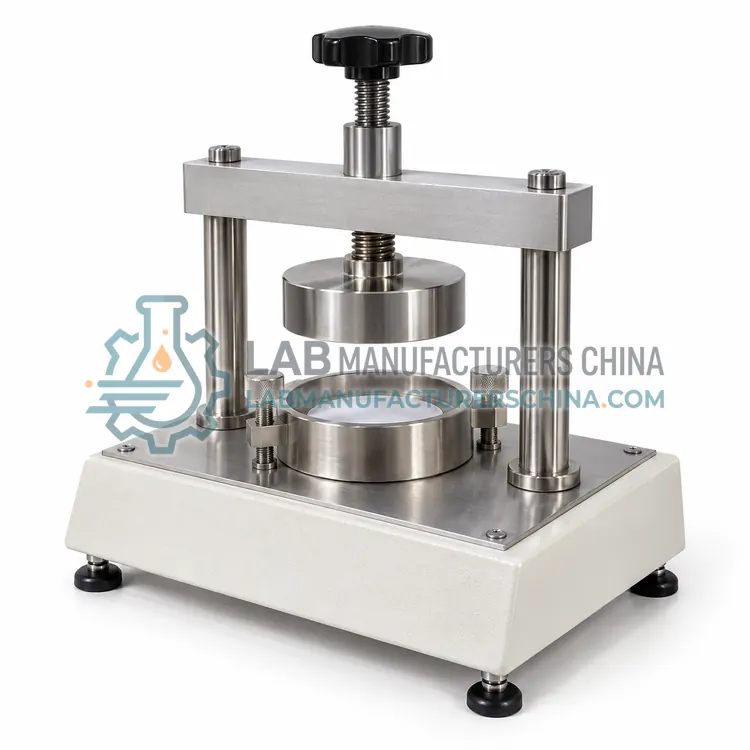
Cobb Sizing Tester for Paper

纸张可勃吸水度测定仪

  • PQA-0003
  • Paper Quality Analysis
  • CE (to be confirmed)
  • ISO 9001 manufacturing (to be confirmed)
Test area:
100 cm²
Water volume:
100 mL
Contact time:
60 s standard, 30–180 s options
Water temperature:
Controlled, typically 23 °C
Blotting pressure:
Defined roller load
Balance resolution:
0.001 g

A Cobb sizing tester measures the mass of water absorbed by a paper specimen exposed to water over a defined area and time. The Cobb value indicates sizing quality and resistance to water penetration for printing and packaging grades.

Request a quote
View details

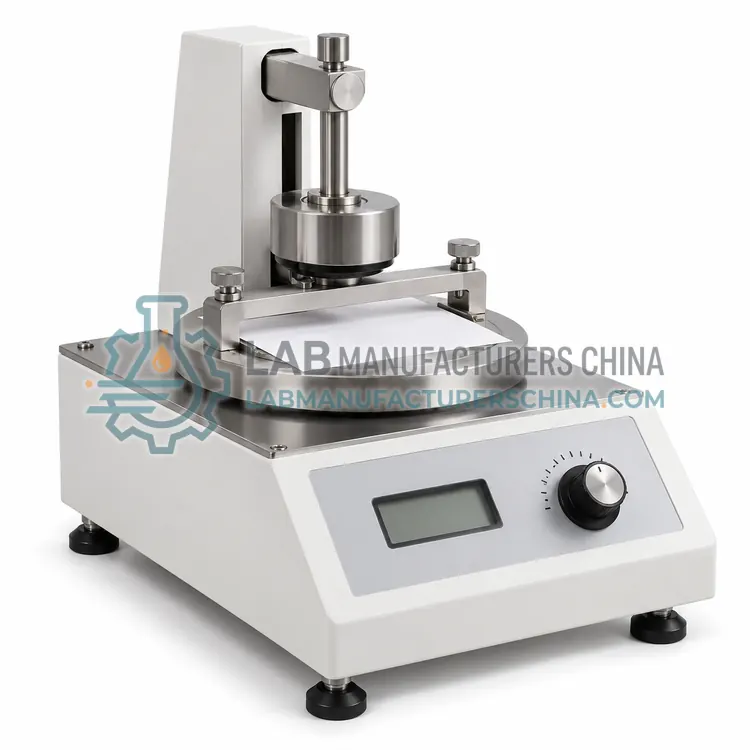
Bendtsen Smoothness and Porosity Tester for Paper

纸张本特生平滑度与透气度仪

  • PQA-0004
  • Paper Quality Analysis
  • CE (to be confirmed)
  • ISO 9001 manufacturing (to be confirmed)
Roughness range:
0.1–4.0 µm
Roughness resolution:
0.01 µm
Air permeability range:
0.1–1000 mL/min
Pressure difference:
1.47 kPa roughness, 1.0 kPa porosity
Measuring ring load:
Per the method
Reference standards:
Calibrated roughness plates and orifices

A Bendtsen instrument measures surface roughness and air permeability from the rate of air flow over or through the sheet under a defined pressure difference. Both parameters relate to print quality and to ink penetration in printing and coating grades.

Request a quote
View details

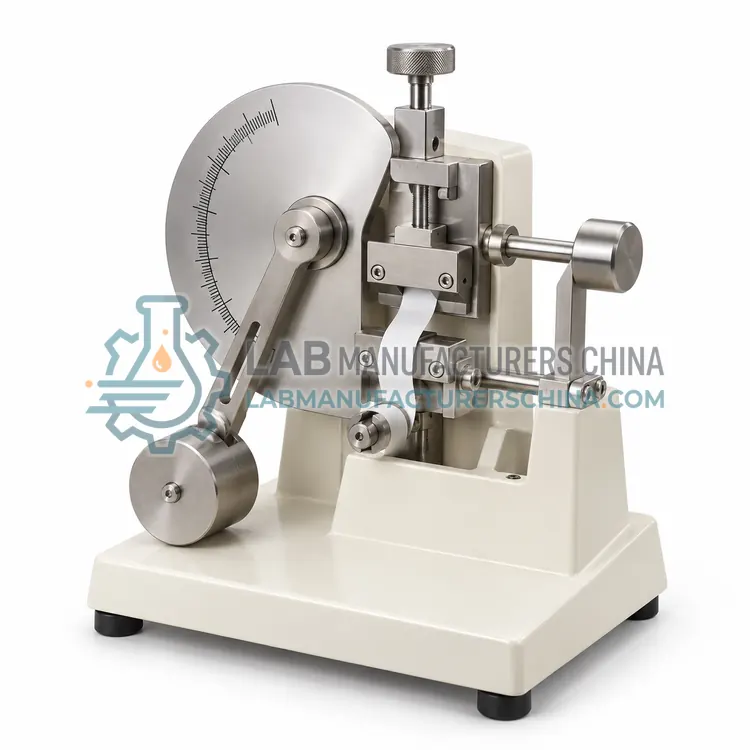
MIT Folding Endurance Tester for Paper

纸张 MIT 耐折度仪

  • PQA-0005
  • Paper Quality Analysis
  • CE (to be confirmed)
  • ISO 9001 manufacturing (to be confirmed)
Folding angle:
About ±135°
Folding rate:
175 double folds per minute typical
Tension weights:
0.5 / 1.0 / 1.5 kg options
Specimen width:
15 mm standard
Counter range:
0–99999 double folds
Fold head radius:
Per ISO 5626 or TAPPI T511

An MIT folding endurance tester repeatedly folds a paper strip under tension through a fixed angle until it breaks, counting the double folds. It assesses resistance to repeated flexing in banknote, security, map and creased products.

Request a quote
View details

Compare Paper Quality Analysis models

ModelSpecimen widthData outputSpecimen sizePower supplyTest area
Tensile Strength Tester for Paper and BoardPQA-000115 mm or 25 mmCurves, indices and statistics———
Elmendorf Tear Resistance Tester for PaperPQA-0002——About 63 × 50 mm220 V, 50/60 Hz—
Cobb Sizing Tester for PaperPQA-0003——About 125 × 125 mm—100 cm²
Bendtsen Smoothness and Porosity Tester for PaperPQA-0004———220 V, 50/60 HzAbout 10 cm² for permeability
MIT Folding Endurance Tester for PaperPQA-000515 mm standardFold count with statistics———

Indicative values for this product class. Final specifications are confirmed on the quotation and in the calibration documents supplied with the instrument.

How do Paper Quality Analysis work?

Mechanical paper tests apply a controlled force or deformation to a conditioned specimen and record the load or the extent of damage. Tensile testing pulls a strip at constant rate and records breaking force, elongation and tensile energy absorption, from which indices are calculated using basis weight. Tearing resistance is measured by the energy absorbed when a specimen with a pre-cut slit is torn by a pendulum or a falling weight. Folding endurance counts the number of double folds a strip withstands under tension before it breaks. Surface and absorbency tests use different principles: water absorbency is determined by the mass of water taken up by a defined area during a timed contact, smoothness by the air flow between a measuring ring and the sheet surface, and porosity by the air flow through the sheet itself at a defined pressure difference.

Which Paper Quality Analysis variants are available?

  • Tensile Strength Tester for Paper and Board — A tensile tester stretches a conditioned paper strip at a constant rate and records breaking force, elongation and tensile energy absorption.
  • Elmendorf Tear Resistance Tester for Paper — An Elmendorf tear tester measures the energy absorbed when a pendulum tears a pre-cut paper specimen through a fixed distance.
  • Cobb Sizing Tester for Paper — A Cobb sizing tester measures the mass of water absorbed by a paper specimen exposed to water over a defined area and time.
  • Bendtsen Smoothness and Porosity Tester for Paper — A Bendtsen instrument measures surface roughness and air permeability from the rate of air flow over or through the sheet under a defined pressure difference.
  • MIT Folding Endurance Tester for Paper — An MIT folding endurance tester repeatedly folds a paper strip under tension through a fixed angle until it breaks, counting the double folds.

How do I choose the right variant?

Select the test that corresponds to the specification you must meet and to the failure mode you are investigating. Tensile testing is fundamental for packaging, bag and label papers because it defines strength in the principal load direction. Tearing resistance is important for papers that are handled, punched or bound, and for tissue and sack grades. Internal bond, folding endurance and tensile energy absorption matter for papers that are creased or repeatedly flexed. Water absorbency is specified for papers that are glued, coated or used outdoors, while smoothness and porosity are specified where print quality and ink penetration matter. Each instrument should be capable of the exact conditions named in the standard, since test length, strain rate and contact area change results appreciably.

Where are Paper Quality Analysis used?

Paper Quality Analysis are specified in tensile strength and elongation of packaging papers, tearing resistance of sack, tissue and bound papers, water absorbency of sizing and coating grades, smoothness and porosity for print quality control, folding endurance of creased and folded products and incoming inspection of paper against specification.

Which standards and certifications apply?

Work with Paper Quality Analysis is commonly governed by ISO 1924-2, ISO 1974, ISO 535, ISO 8791-2, ISO 5626, ASTM D828, TAPPI T494, TAPPI T414, TAPPI T441 and IEC 61010-1. Instrument certifications such as CE marking are confirmed per configuration and never assumed.

What are the key considerations before purchase?

Condition specimens to the standard atmosphere, usually 23 °C and 50% relative humidity, before every mechanical test, because strength properties change sharply with moisture. Cut specimens with sharp dies or blades and reject those with damaged edges, since a nick initiates premature failure. Keep grips clean and aligned, and verify load cells with certified masses or a reference load cell at defined intervals. For absorbency and surface tests, control the water temperature, contact time and pressure difference, and clean measuring rings and plates, because deposits change the flow. Record basis weight, test direction, specimen count and conditioning with every result so that indices can be recalculated.

Frequently asked questions about Paper Quality Analysis

Dividing the measured force or energy by the basis weight or by the specimen width removes the effect of differences in sheet mass, so papers of different weight can be compared. Indices are also more reproducible between laboratories than raw forces, which is why specifications normally quote them.

Need help specifying Paper Quality Analysis?

Request a quote