
Clinical & Diagnostic Laboratory Equipment
临床与诊断
Sector CLD · 11 categories · 47 product types
By Lab Manufacturers China Technical TeamLast reviewed
What is Clinical & Diagnostic?
Clinical & Diagnostic equipment supports testing of blood, urine and tissue for patient care. It includes hematology, clinical chemistry, immunoassay, coagulation and urinalysis analyzers, blood bank equipment, and pathology, histology and cytology instruments used in hospital, reference and point-of-care laboratories.
11 categories in Clinical & Diagnostic
Browse the 11 categories, then the product types and models inside them.
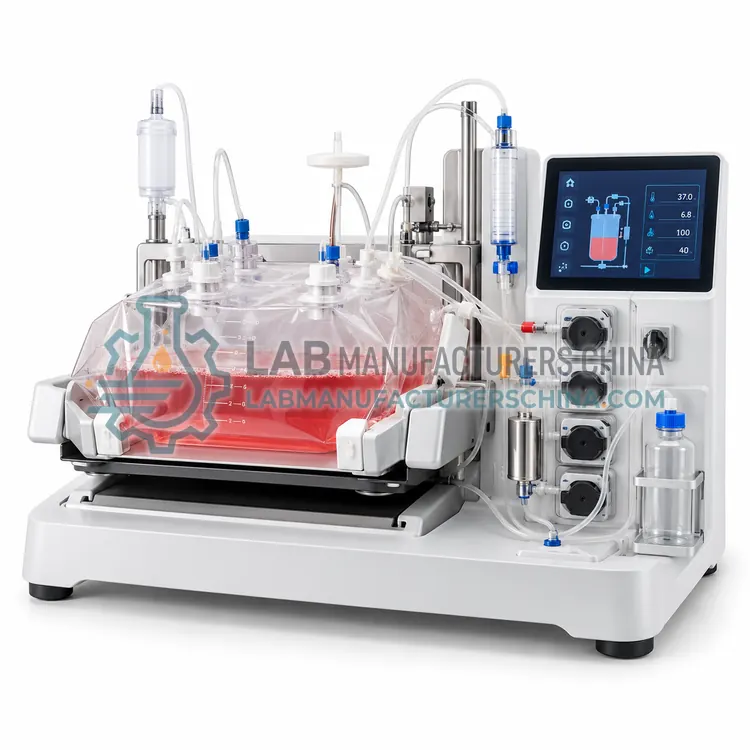
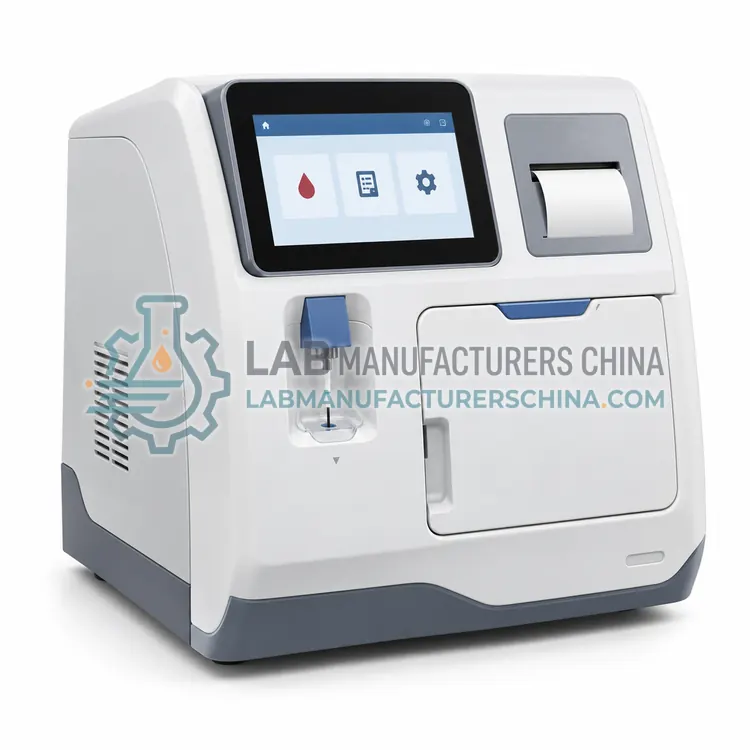
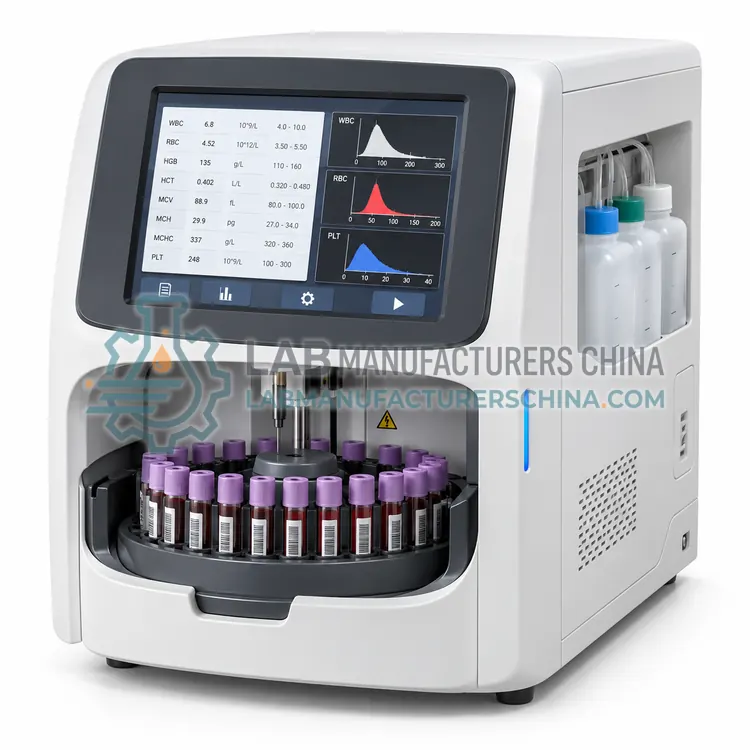
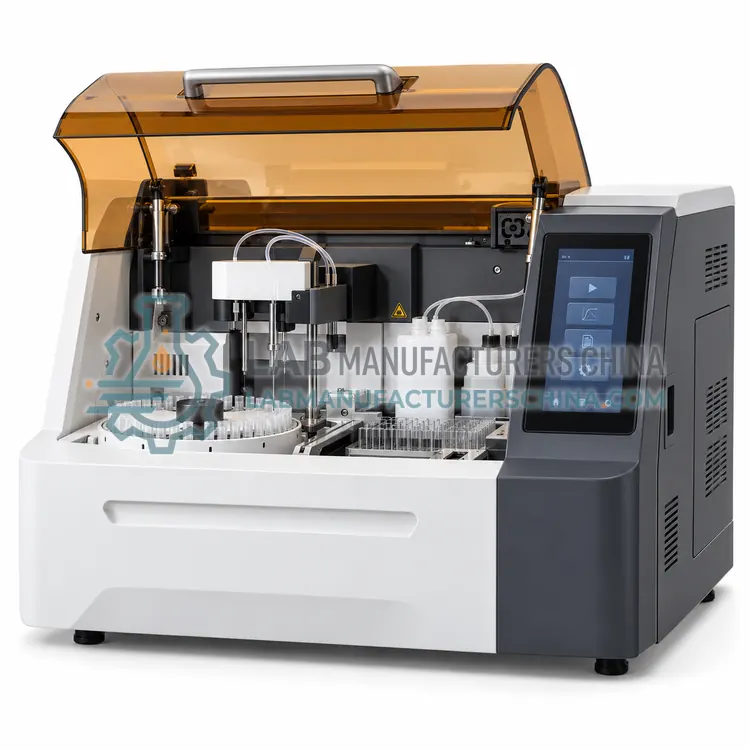
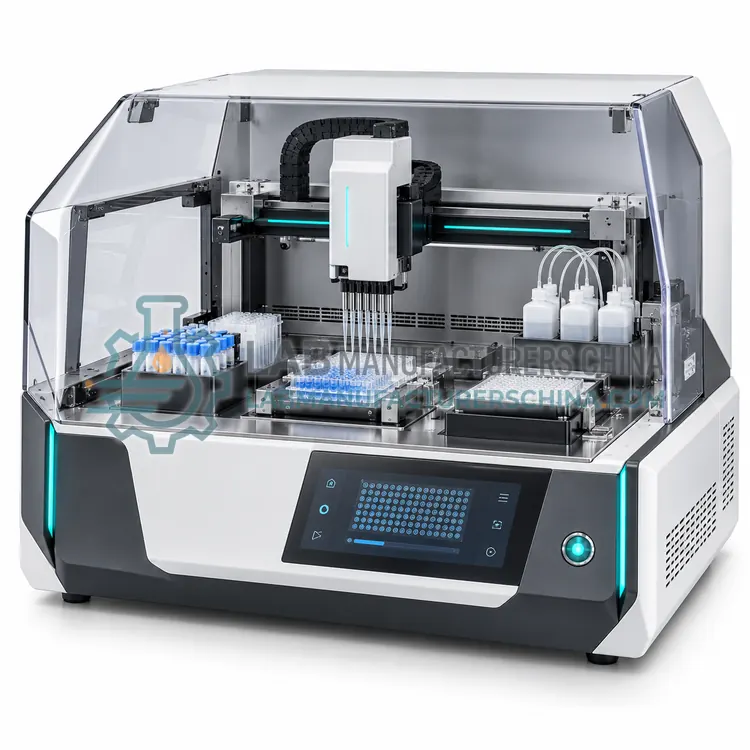
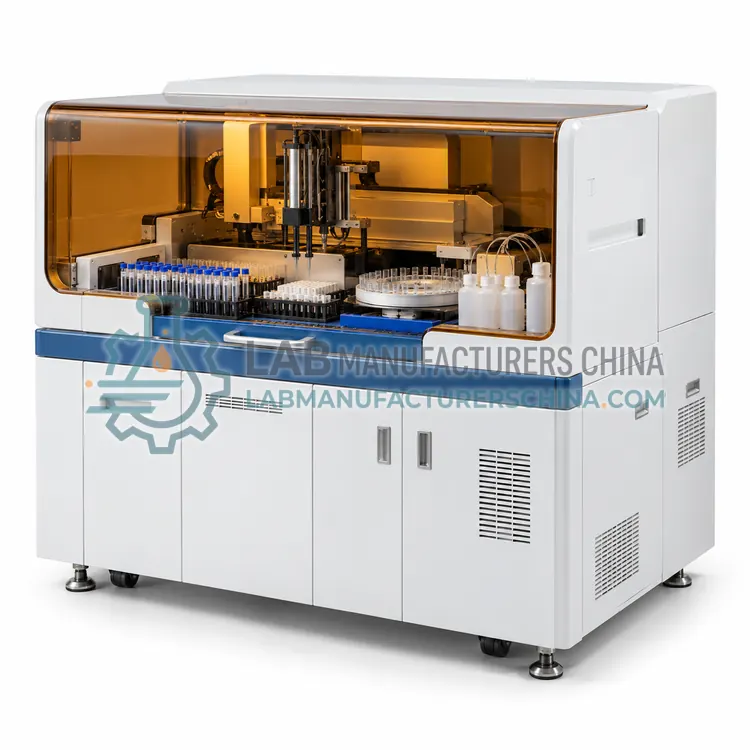

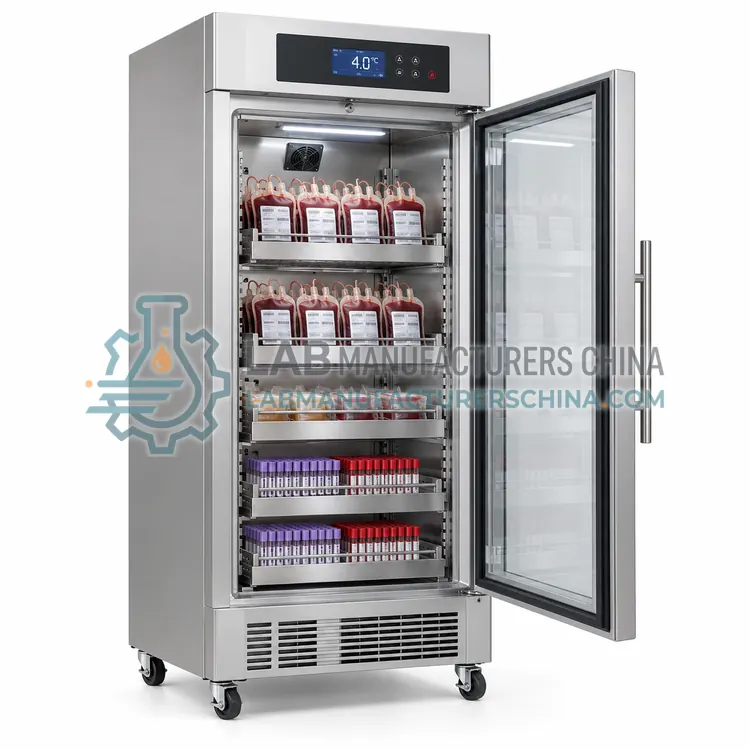
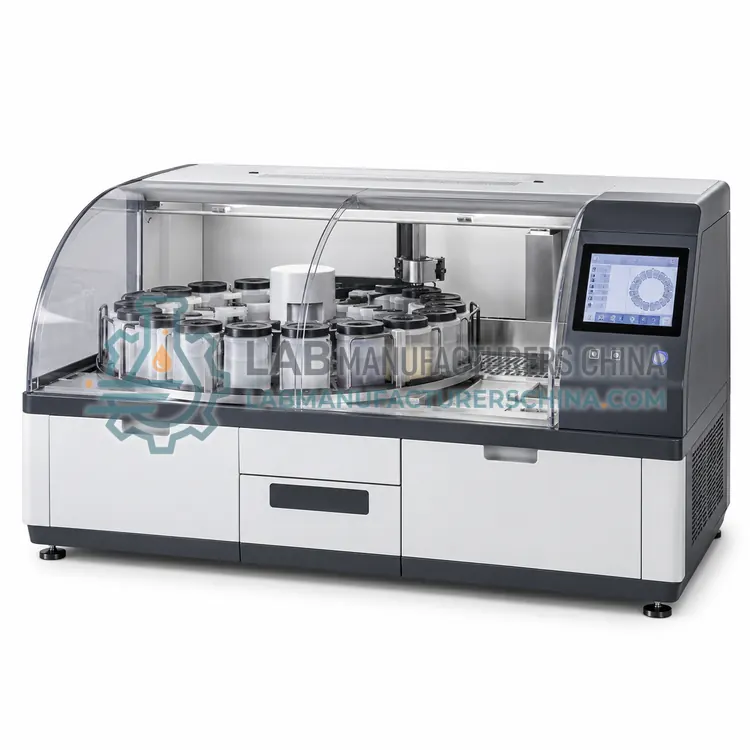
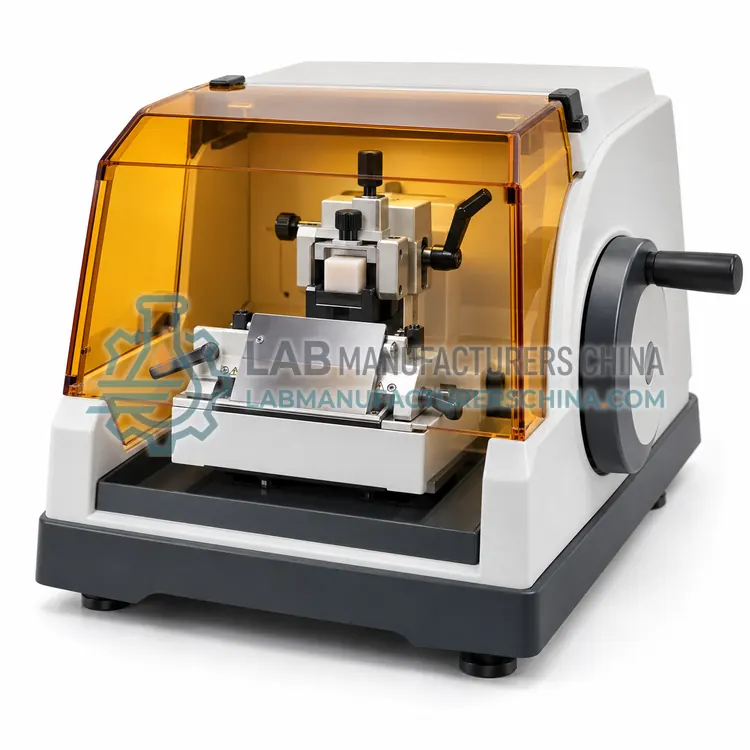
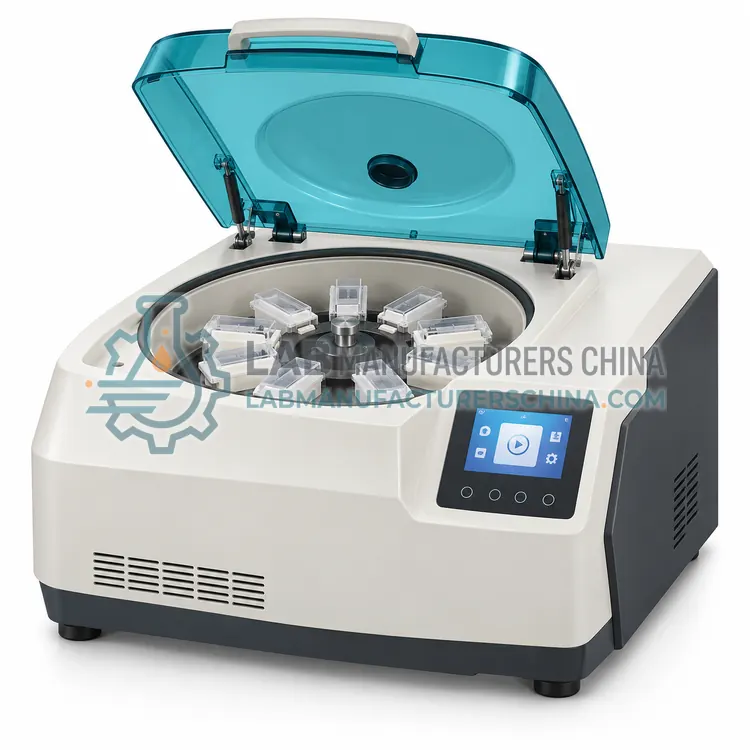
Clinical laboratories generate results that influence diagnosis and treatment, so reliability, traceability and documented quality control matter as much as analytical performance. Equipment in this sector is designed for repeatable throughput, barcode sample handling and connection to a laboratory information system.
The main groups are hematology analyzers for cell counts, clinical chemistry analyzers for metabolites, enzymes and electrolytes, immunoassay analyzers for hormones, markers and infectious disease, coagulation analyzers, urinalysis analyzers, and blood bank equipment such as blood bank refrigerators, plasma freezers and plasma thawers. Anatomical pathology is served by tissue processors, embedding stations, microtomes, slide stainers and cytology equipment.
Selection factors include test menu, throughput per hour, sample volume, reagent format (open or closed), calibration and QC workflow, LIS connectivity and service support. Laboratories commonly work to ISO 15189 and CLSI guidelines, and diagnostic analyzers may require regional device registration such as CE IVDR, NMPA or FDA clearance.
Any regulatory status is to be confirmed for each product and destination market. The catalogue lists typical specifications, and the exact test menu and reagent compatibility are agreed at the RFQ stage.
Applications
Industries that specify Clinical & Diagnostic equipment.
Frequently asked questions about Clinical & Diagnostic
Each analyzer type targets a test group. Hematology analyzers count and size blood cells, clinical chemistry analyzers measure metabolites, enzymes and electrolytes, immunoassay analyzers detect hormones and markers, coagulation analyzers time clotting, and urinalysis analyzers assess urine chemistry and sediment.
A closed system runs only the manufacturer's reagents and often gives fixed calibration and QC workflows. An open system lets the laboratory use third-party reagents, which adds flexibility and may reduce running costs but places more responsibility on the laboratory for parameter setup and verification.
Many laboratories work to ISO 15189 for medical laboratory quality and competence, together with CLSI guidelines for method verification and quality control. Local regulation, such as CLIA in the United States, may also apply. Equipment must support the documentation these systems require.
Most benchtop and floor-standing clinical analyzers support bidirectional communication with a LIS, commonly over HL7 or ASTM protocols via RS-232 or Ethernet. Confirm the protocol and your LIS vendor's requirements in the RFQ, because interface configuration is agreed per installation.