
Hematology Analyzers
血液分析仪
CHEA · Clinical & Diagnostic · 4 product types · 20 models
By Lab Manufacturers China Technical TeamLast reviewed
What are Hematology Analyzers?
Hematology analyzers are instruments that count and characterize blood cells in whole blood or body fluids. They measure red cells, white cells, platelets and hemoglobin by impedance, light scatter or fluorescence, and are used by hospital laboratories, clinics and blood centers for complete blood counts and cell differentials.
4 product types in Hematology Analyzers
The 4 product types below are grouped by the exact instrument you need.
- PAA5 models
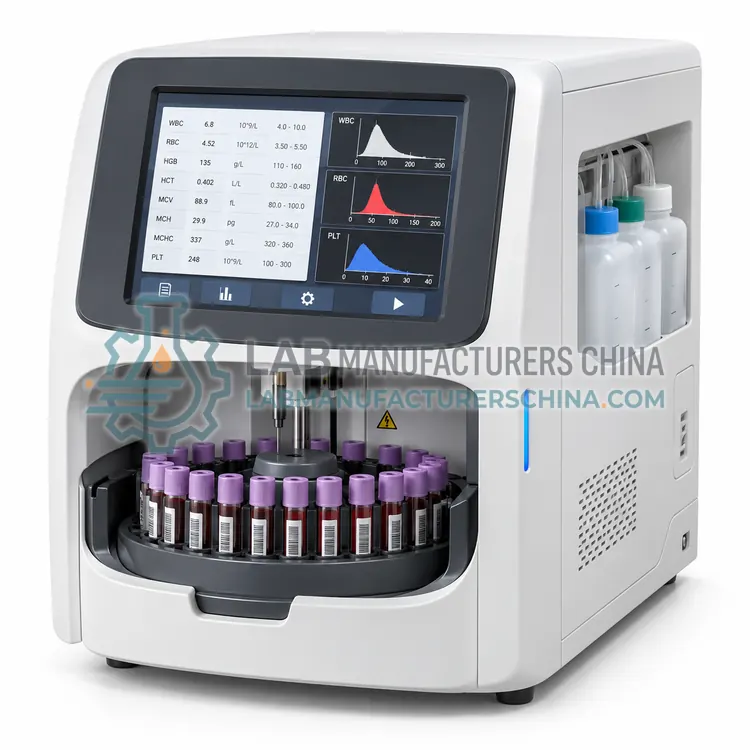
3-Part Analyzers
三分群血液分析仪
3-part hematology analyzers are compact blood cell counters that group white cells into lymphocytes, monocytes with eosinophils, and granulocytes by impedance and size discrimination. They report a complete blood count with a three-part differential and suit clinics, small hospitals and outreach laboratories with low to moderate test volumes.
- PAR5 models
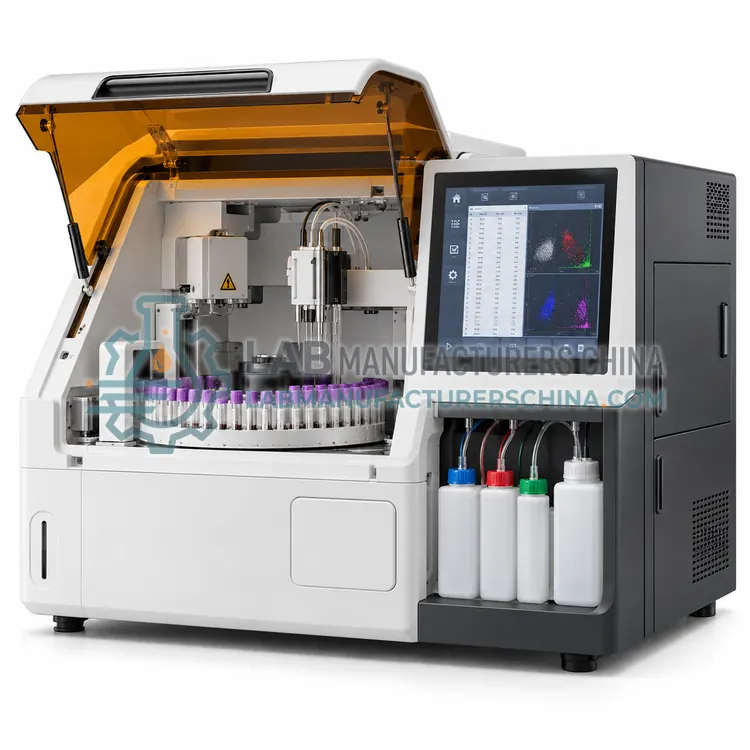
5-Part Analyzers
五分类血液分析仪
5-part hematology analyzers separate white cells into neutrophils, lymphocytes, monocytes, eosinophils and basophils using laser flow cytometry with fluorescence, and add flags for immature and abnormal cells. They serve hospital laboratories that need full differentials for oncology, pediatric, emergency and infectious disease patients.
- AHS5 models
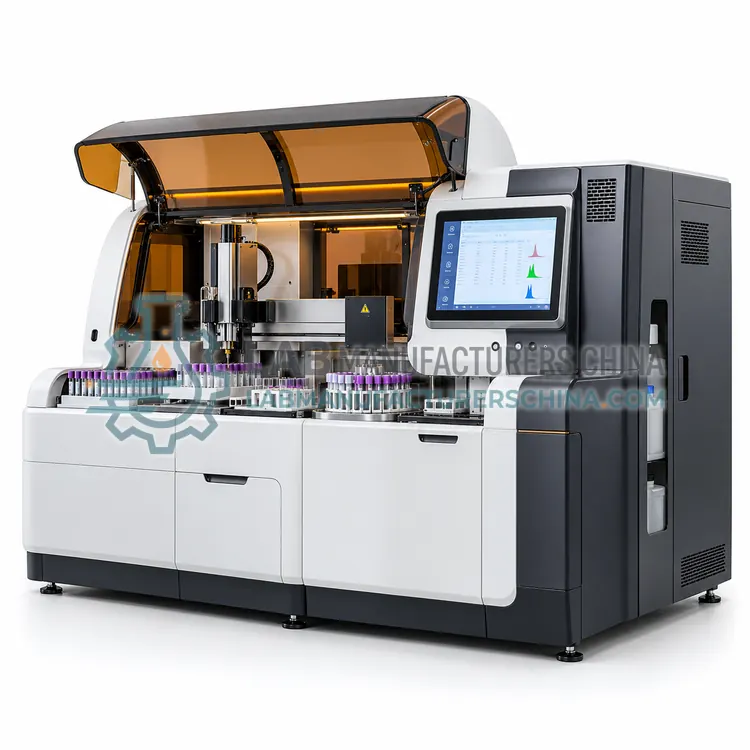
Automated Hematology Systems
全自动血液分析系统
Automated hematology systems combine blood cell analyzers with automated sample loading, track transport, slide preparation or digital morphology review. They handle continuous sample flow in high-volume hospital laboratories and link analyzers, film preparation and review into one managed workflow.
- ESA5 models
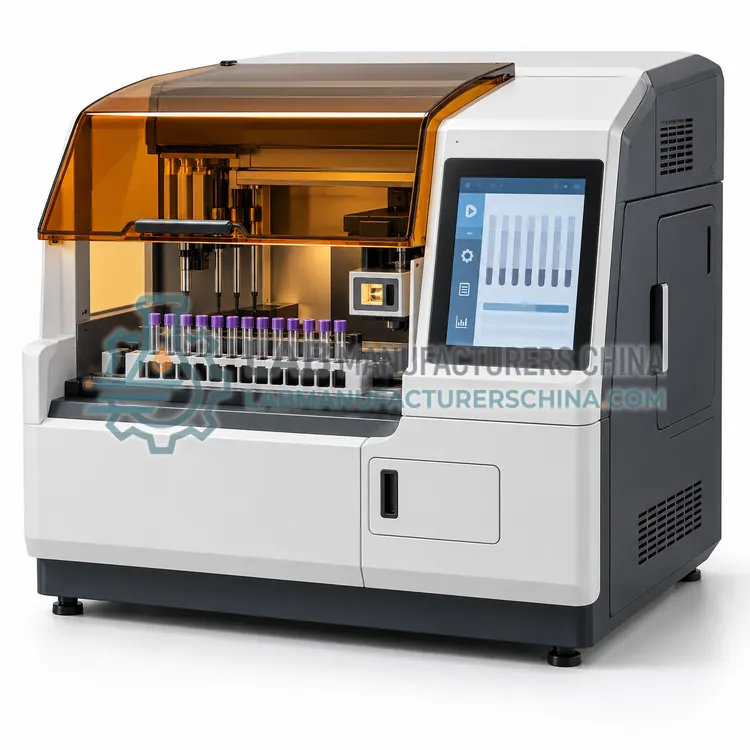
ESR Analyzers
血沉分析仪
ESR analyzers measure the erythrocyte sedimentation rate, the speed at which red cells settle in a vertical column of anticoagulated blood. Automated instruments replace the manual Westergren method with optical or infrared detection and are used to investigate inflammation, infection and autoimmune disease.
What are Hematology Analyzers?
Hematology analyzers are the instruments that perform complete blood counts and cell differentials in clinical laboratories. A single analyzer aspirates an EDTA-anticoagulated whole blood sample, dilutes and lyses it in several reagent channels, and reports red blood cell count, white blood cell count, platelet count, hemoglobin, hematocrit and calculated indices. More advanced instruments add a white cell differential, reticulocyte count, nucleated red cell count and body fluid cell counts. The category includes compact 3-part analyzers for clinics, 5-part differential analyzers for hospitals, higher-throughput automated systems with track loading and slide preparation, and dedicated erythrocyte sedimentation rate analyzers. Laboratories select equipment according to daily sample volume, the differential report required by clinicians, sample volume tolerance for pediatric work, and the level of automation and connectivity available.
How do Hematology Analyzers work?
Most analyzers count cells by the Coulter principle: a diluted sample passes through a small aperture with an electric current across it, and each cell displaces electrolyte and produces a voltage pulse proportional to its volume. Hydrodynamic focusing keeps cells centered so pulses separate cleanly. White cells are counted in a channel where red cells have been lysed; red cells are counted in an isotonic diluent; platelets are counted by size discrimination with fitted curves that exclude debris and microcytes. Five-part instruments add a flow cytometry channel in which cells pass a laser beam; forward scatter reflects cell size, side scatter reflects granularity, and fluorescent dyes distinguish lymphocytes, monocytes, neutrophils, eosinophils and basophils. Hemoglobin is measured photometrically after conversion to a stable chromogen. An ESR analyzer often uses capillary photometry, measuring the fall of red cells over a fixed period.
Where are Hematology Analyzers used?
Hematology analyzers support the complete blood count, the most frequently ordered laboratory test. Hospital laboratories use them for anemia and polycythemia assessment, infection and inflammation monitoring, chemotherapy follow-up, and screening for hematological malignancy through abnormal differential flags and blast warnings. Emergency departments rely on rapid counts and hemoglobin measurement for bleeding assessment. Blood centers screen donors for hemoglobin and perform quality checks on blood components. Smaller clinics and physician office laboratories use compact analyzers for routine counts. ESR analyzers support the investigation of inflammatory and autoimmune disease. Body fluid modes support cell counts in cerebrospinal, pleural and synovial fluid. Research and veterinary laboratories also use these instruments and report results through the laboratory information system.
Which standards apply to Hematology Analyzers?
Hematology results are governed by ISO 15189 laboratory quality requirements and by CLSI documents. CLSI H26-A2 covers validation, verification and quality assurance of automated hematology analyzers, and CLSI H20-A2 defines the reference leukocyte differential method. CLSI EP05 and EP15 describe precision and verification experiments, while CLSI H21 addresses platelet counting performance. The International Council for Standardization in Haematology publishes reference methods for blood cell counting, hemoglobin measurement and erythrocyte sedimentation rate. Electrical safety follows IEC 61010-1 with IEC 61010-2-101 for in vitro diagnostic equipment. Market access may require CE marking under the IVD Regulation, NMPA registration in China or FDA clearance in the United States, depending on the declared intended use and destination market.
How do I select the right hematology analyzers equipment?
Begin with the differential your clinicians require. A 3-part analyzer reports lymphocytes, monocytes plus eosinophils, and granulocytes, which is sufficient for many community clinics. A 5-part analyzer separates neutrophils, lymphocytes, monocytes, eosinophils and basophils and adds flags for immature cells, so it suits hospitals with oncology, pediatric or emergency demand. Next, size throughput: count daily and peak-hour samples and add about thirty percent headroom. Check the aspiration volume against pediatric requirements, since capillary and small-volume samples are common. Confirm whether reagents are open or proprietary, because this affects running cost. Consider an autoloader, onboard quality control, reticulocyte and body fluid modes, an integrated ESR module, and HL7 or ASTM connectivity to the laboratory information system. Ask about local service coverage, spare parts and training before ordering.
Hematology Analyzers comparison
| Subcategory | Principle | Typical use | Key spec |
|---|---|---|---|
| 3-Part Analyzers | Impedance counting with size-based three-population white cell grouping | Routine blood counts in clinics and small laboratories | Throughput and minimum sample volume |
| 5-Part Analyzers | Impedance plus laser flow cytometry with fluorescence staining | Hospital blood counts with full white cell differential | Differential quality and flagging capability |
| Automated Hematology Systems | Analyzer linked to autoloaders, track systems and slide preparation | High-volume core laboratories and integrated workflows | Samples per hour and automation modules |
| ESR Analyzers | Capillary photometry or infrared detection of red cell sedimentation | Erythrocyte sedimentation rate for inflammation and autoimmune disease | Throughput and sample tube compatibility |
Frequently asked questions about Hematology Analyzers
A hematology analyzer measures red blood cell count, white blood cell count, platelet count, hemoglobin and hematocrit, and calculates indices such as MCV, MCH and MCHC. Five-part instruments also report a white cell differential, reticulocytes and nucleated red cells, and many models support body fluid cell counts.
A 3-part analyzer groups white cells into lymphocytes, a monocyte and eosinophil cluster, and granulocytes, using impedance and size discrimination. A 5-part analyzer adds a flow cytometry channel with laser scatter and fluorescence to report neutrophils, lymphocytes, monocytes, eosinophils and basophils separately and to flag abnormal cells.
Manufacturers usually specify calibration at installation, after major service, and at intervals defined by the laboratory, often every three to six months when control results remain stable. Full blood count controls are run at least once per shift on which patient samples are reported, and calibration is repeated whenever control results drift beyond limits.
Yes, many analyzers offer a prediluted or capillary mode that needs only 10 to 25 microliters of whole blood, which supports finger-stick collection from children and adults with difficult venous access. Confirm the minimum volume, the linearity at low counts and whether the control material is validated for that mode.
ISO 15189 covers laboratory quality, while CLSI H26-A2 and H20-A2 address analyzer validation and the reference leukocyte differential. Precision studies follow CLSI EP05 and EP15, and ICSH publishes reference methods for cell counting and hemoglobin. Electrical safety is covered by IEC 61010-1 and IEC 61010-2-101.
Related categories
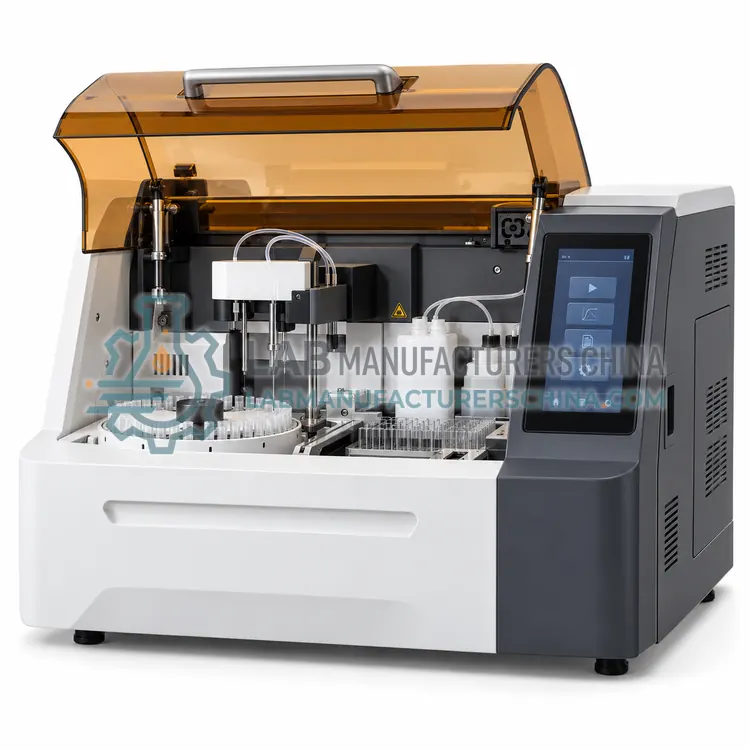 CCCA临床生化分析仪Clinical chemistry analyzers measure metabolites, enzymes, electrolytes and proteins in serum, plasma, urine and other body fluids. They use photometry, ion-selective electrodes and turbidimetry, and serve hospital laboratories, clinics and reference laboratories running biochemical panels and therapeutic drug monitoring.
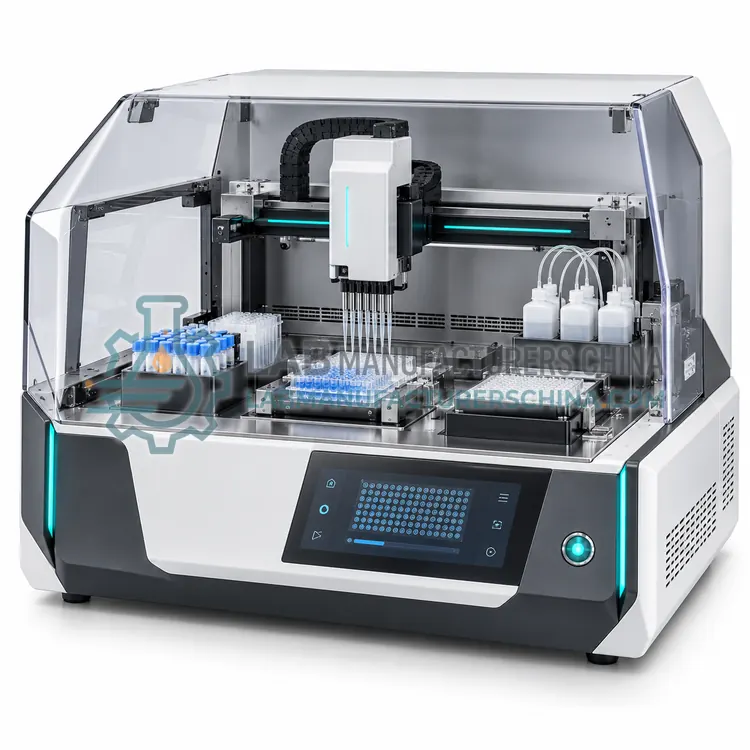 CIMA免疫分析仪Immunoassay analyzers detect antigens, antibodies and haptens in patient samples using specific antibody binding, with labels that produce color, fluorescence, luminescence or scattered light. They serve hospital and reference laboratories for infectious disease, hormone, cardiac, tumour and therapeutic drug testing.
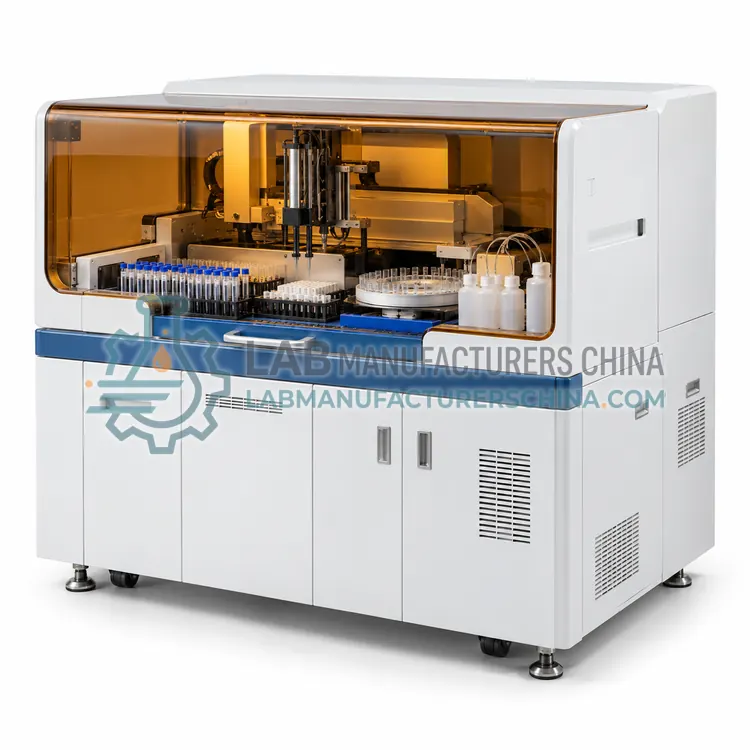 CCOA凝血分析仪Coagulation analyzers measure blood clotting function using clot detection, chromogenic or immunoturbidimetric methods. They report PT, APTT, fibrinogen, D-dimer and antithrombin, and support anticoagulation monitoring, bleeding disorder investigation and pre-surgical assessment in hospital laboratories and clinics.
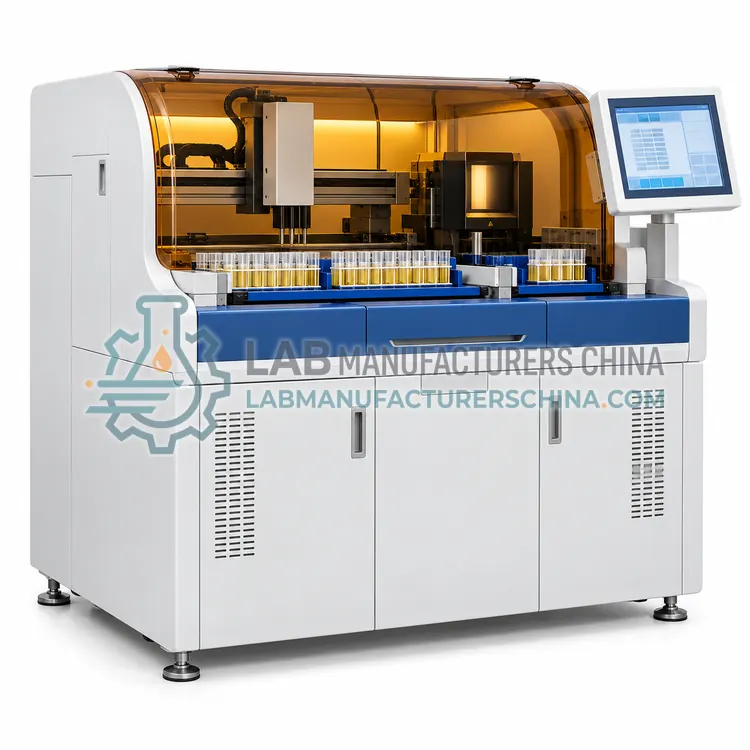 CURA尿液分析仪Urinalysis analyzers measure chemical and microscopic properties of urine to screen for renal, urinary tract and metabolic disease. They read reagent strips photometrically or classify particles by flow cytometry or imaging, and are used in hospital laboratories, clinics and screening programmes.