
Diagnostic Laboratory Equipment
诊断实验室设备
CDLE · Clinical & Diagnostic · 5 product types · 25 models
By Lab Manufacturers China Technical TeamLast reviewed
What are Diagnostic Laboratory Equipment?
Diagnostic laboratory equipment covers instruments used to detect disease markers, pathogens and genetic targets in patient specimens. It includes diagnostic analyzers, immunodiagnostic and molecular diagnostic systems, point-of-care devices and sample preparation equipment used in hospitals, reference laboratories, clinics and public health settings.
5 product types in Diagnostic Laboratory Equipment
The 5 product types below are grouped by the exact instrument you need.
- DIA5 models
Diagnostic Analyzers
诊断分析仪
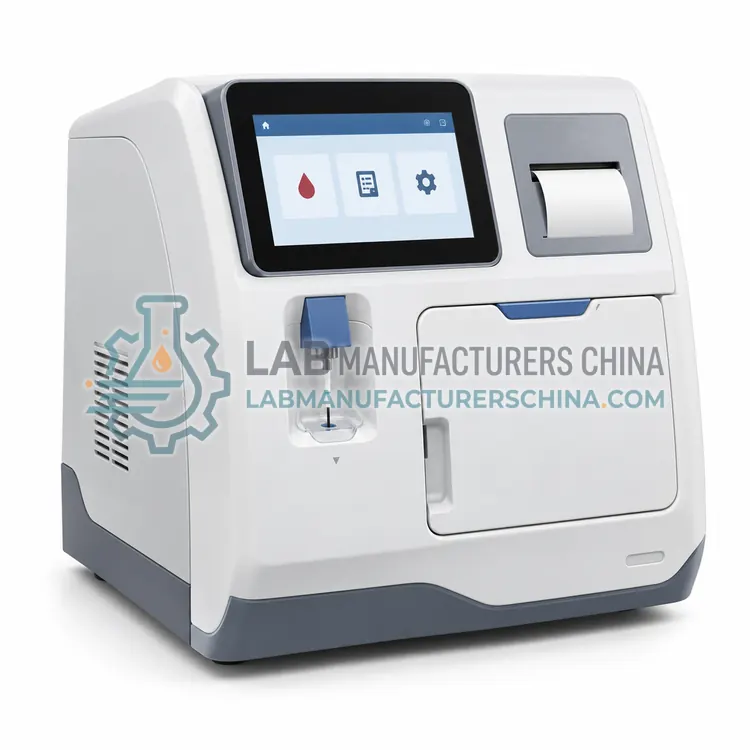
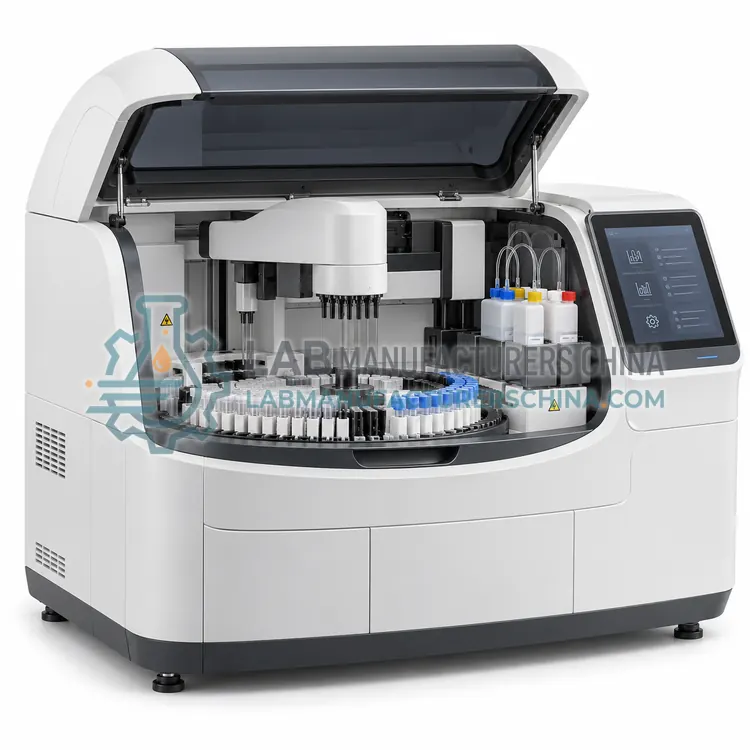
Diagnostic analyzers are dedicated instruments that measure a defined group of clinical markers or microbiological results in patient specimens using optical, electrochemical or growth-detection methods. They cover blood gases, glycated hemoglobin, specific proteins and microbial detection, and are used in hospital and reference laboratories.
- IMM5 models
Immunodiagnostics
免疫诊断设备
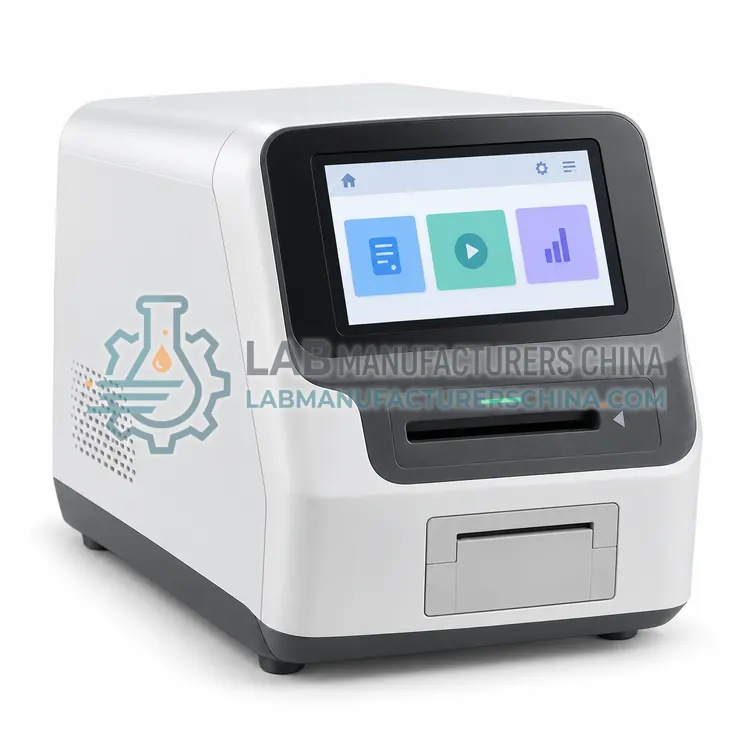
Immunodiagnostic equipment detects antigens, antibodies and other proteins in patient specimens using antibody-based binding and labeled signal generation. Platforms include chemiluminescence, electrochemiluminescence, time-resolved fluorescence, fluorescence and ELISA systems used for infectious disease, hormone, tumor marker and cardiac testing.
- MOD5 models
Molecular Diagnostics
分子诊断设备
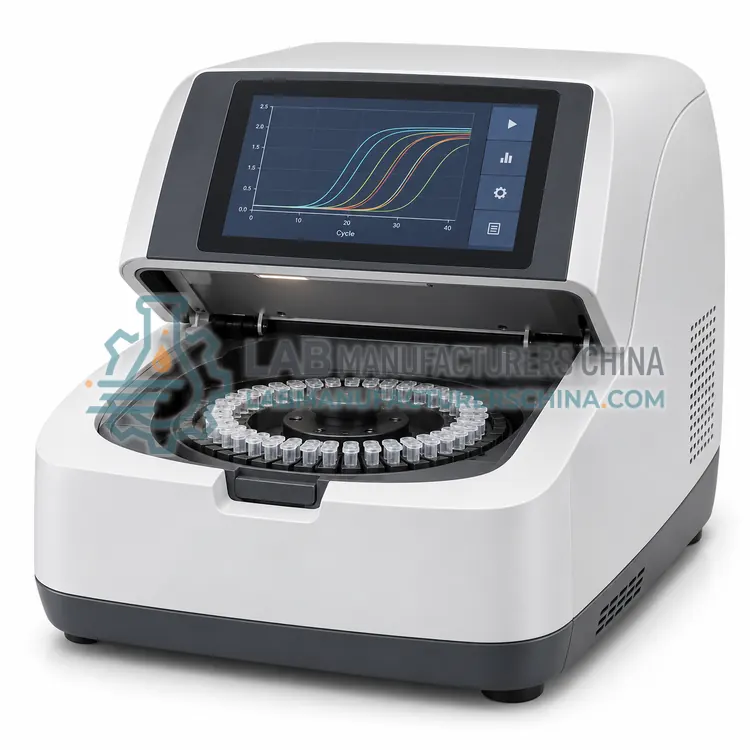
Molecular diagnostic equipment detects and quantifies nucleic acid targets such as viral RNA, bacterial DNA and genetic variants in clinical specimens. It includes real-time PCR, sample-to-answer, digital PCR, isothermal amplification and sequencing systems used by clinical, public health and oncology laboratories.
- PCD5 models
Point-of-Care Diagnostics
床旁诊断设备
Point-of-care diagnostic equipment performs patient testing near the place of care, returning results in minutes from small whole blood, urine or swab samples. It includes lateral flow readers, handheld cartridge analyzers, coagulation meters, compact hematology and HbA1c systems used in clinics, emergency care and remote settings.
- SAM5 models
Sample Preparation
诊断实验室样本前处理设备
Sample preparation equipment for diagnostic laboratories prepares patient specimens such as serum, plasma, stool, sputum, swabs and tissue for testing. It covers aliquotting stations, heat inactivation baths, specimen homogenizers, fecal preparation systems and blood smear preparation devices.
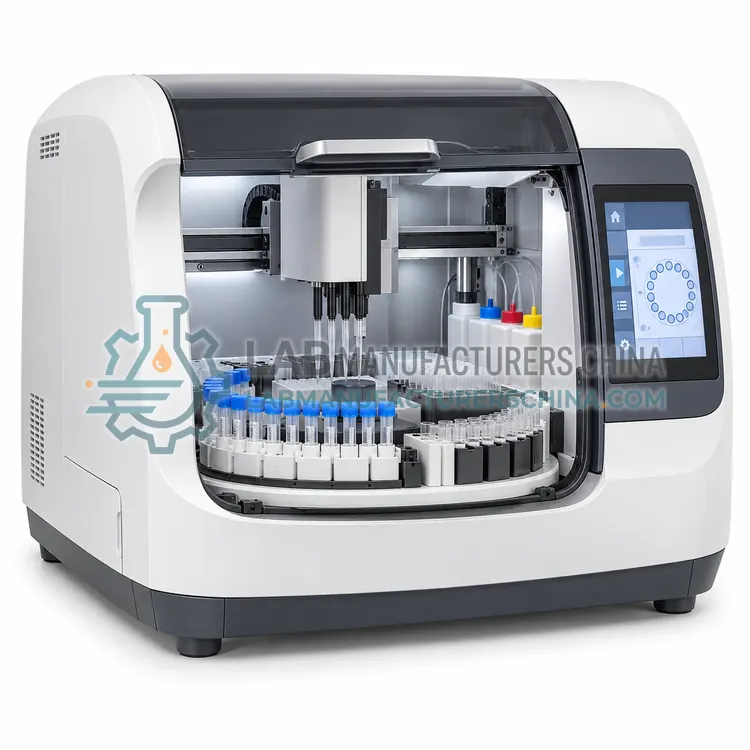
What are Diagnostic Laboratory Equipment?
Diagnostic laboratory equipment is the group of instruments that turn patient specimens into diagnostic information. Where clinical laboratory equipment covers the whole laboratory workflow, this category focuses on the detection technologies themselves: immunodiagnostic platforms that detect antigens and antibodies, molecular systems that amplify and detect nucleic acids, multi-parameter diagnostic analyzers, rapid point-of-care readers that return results near the patient, and the sample preparation equipment that extracts and purifies targets before detection. Instruments are normally used with in vitro diagnostic reagents that are registered separately, so the performance of a test depends on the analyzer, the reagent and the specimen handling working together. Buyers include infectious disease laboratories, blood banks, oncology and genetics laboratories, hospitals, clinics and public health agencies.
How do Diagnostic Laboratory Equipment work?
Diagnostic instruments detect a marker through a chemical or biological recognition step followed by signal measurement. Immunodiagnostic systems rely on antibody-antigen binding with enzyme, fluorescent or chemiluminescent labels read by a photometer, fluorometer or luminometer. Molecular systems extract nucleic acids, amplify a target by PCR or isothermal methods, and detect it by fluorescence in real time. Lateral flow readers image colored or fluorescent test lines and convert intensity into results using stored calibration. Sample preparation equipment lyses cells and purifies targets using magnetic beads, silica columns or automated pipetting. Controls and calibrators are run to confirm validity, and results are transmitted to the laboratory information system for interpretation and reporting.
Where are Diagnostic Laboratory Equipment used?
Diagnostic laboratory equipment is used for infectious disease testing such as hepatitis, HIV, respiratory viruses and sexually transmitted infections, for cardiac, tumor and hormone marker measurement, for autoimmune and allergy panels, and for genetic and oncology testing by PCR or sequencing. Point-of-care devices support emergency departments, clinics, pharmacies and field settings where rapid results change treatment decisions, for example troponin, glucose, HbA1c or influenza testing. Blood banks use immunodiagnostic systems for donor screening. Public health laboratories use molecular systems for outbreak response and surveillance. Sample preparation equipment supports all of these by extracting nucleic acids or processing specimens before detection. Choice of platform depends on the test menu, volume, and required turnaround time.
Which standards apply to Diagnostic Laboratory Equipment?
Diagnostic instruments are regulated as in vitro diagnostic medical devices. Key references include ISO 13485 for quality management, ISO 18113 for information supplied by the manufacturer, ISO 15189 for laboratory competence and IEC 61010-2-101 for electrical safety of IVD equipment. Point-of-care testing follows ISO 22870, and self-testing devices follow ISO 15197 for glucose meters. Performance evaluation commonly uses CLSI guidelines such as EP05, EP06, EP07 and EP17 for precision, linearity, interference and detection limits, and MM guidelines for molecular methods. Market access requires CE marking under the European IVD Regulation, NMPA registration in China or FDA clearance in the United States, depending on the destination.
How do I select the right diagnostic laboratory equipment?
Choose the platform by the target analytes and their detection technology first. Immunoassays suit proteins, hormones and serology, while PCR-based systems suit nucleic acid targets. Then define volume and turnaround: random-access systems for continuous workflow, batch systems for scheduled runs, and point-of-care readers for results within minutes. Check the reagent menu, registration status in your market, open or closed reagent policy, sample volume, onboard stability and calibration frequency. For molecular work, plan laboratory zoning, contamination control and extraction workflow. Verify LIS connectivity, data security, service coverage, consumables lead time and operator training. Request performance data such as precision, limit of detection and correlation with a reference method.
Diagnostic Laboratory Equipment comparison
| Subcategory | Principle | Typical use | Key spec |
|---|---|---|---|
| Diagnostic Analyzers | Photometric, electrochemical and optical multi-parameter measurement | Multi-analyte screening and routine diagnostic testing | Throughput and test menu |
| Immunodiagnostics | Antibody-antigen binding with enzyme, fluorescent or luminescent labels | Infectious disease serology, hormones and tumor markers | Sensitivity and throughput |
| Molecular Diagnostics | Nucleic acid extraction, amplification and fluorescence detection | Pathogen detection, genetic and oncology testing | Limit of detection and channels |
| Point-of-Care Diagnostics | Portable readers for lateral flow, electrochemical or fluorescence cartridges | Bedside and clinic testing with results in minutes | Time to result |
| Sample Preparation | Lysis and purification using magnetic beads, columns or automated pipetting | Nucleic acid and protein extraction before detection | Samples per run and yield |
Frequently asked questions about Diagnostic Laboratory Equipment
It is the group of instruments used to detect disease markers, pathogens or genetic targets in patient specimens. Examples include immunoassay analyzers, real-time PCR systems, point-of-care readers and nucleic acid extraction instruments, typically used with registered in vitro diagnostic reagents.
Immunodiagnostics detect proteins, antibodies or antigens using antibody binding and labeled signals, while molecular diagnostics detect DNA or RNA sequences by amplification, usually PCR. Molecular methods are more sensitive for early infection and genetic targets, but need stricter contamination control.
Closed systems offer validated reagent and instrument combinations with simpler operation, while open systems allow third-party reagents and lower cost per test but require the laboratory to validate performance. The choice depends on test menu flexibility, regulatory status and in-house validation capacity.
ISO 13485 covers the manufacturer quality system, IEC 61010-2-101 covers electrical safety of IVD equipment and ISO 18113 covers information supplied by the manufacturer. Laboratories use ISO 15189 and CLSI guidelines to evaluate performance, and regional regulations such as the EU IVDR or NMPA apply for market access.
Point-of-care testing suits situations where minutes matter, such as emergency care, remote clinics or treatment monitoring at the bedside. Central analyzers remain better for high volumes, broad menus and lower cost per test, so many facilities use both with connectivity to a common record.
Related categories
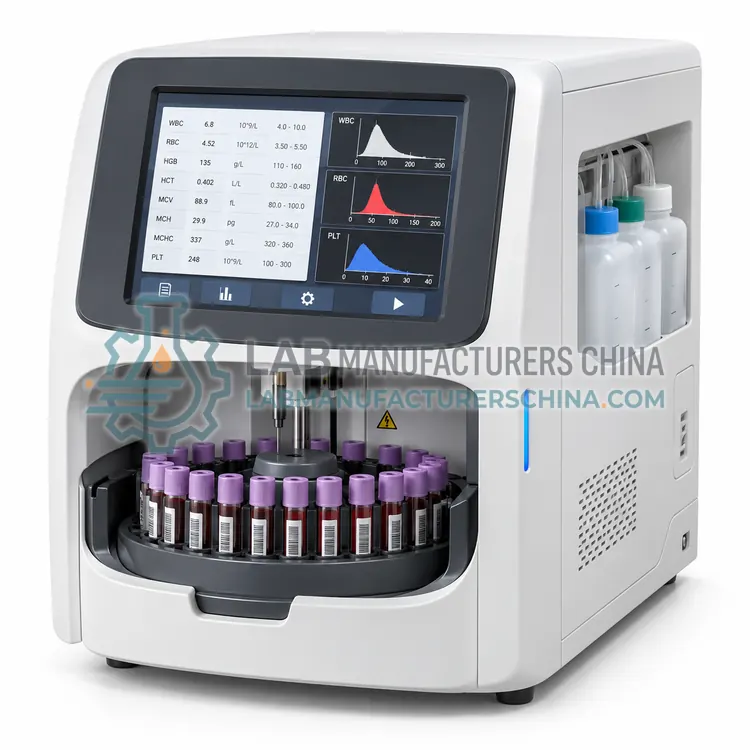 CHEA血液分析仪Hematology analyzers are instruments that count and characterize blood cells in whole blood or body fluids. They measure red cells, white cells, platelets and hemoglobin by impedance, light scatter or fluorescence, and are used by hospital laboratories, clinics and blood centers for complete blood counts and cell differentials.
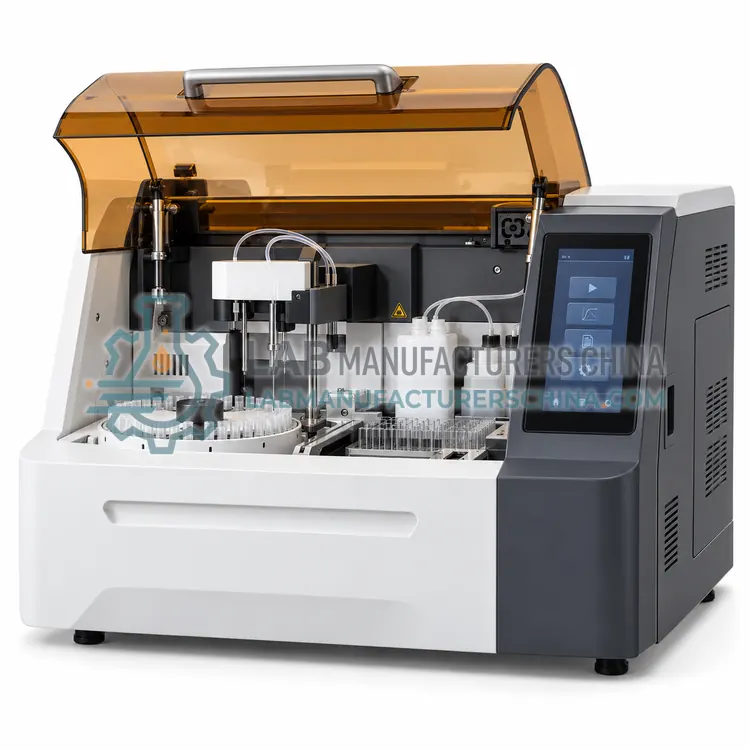 CCCA临床生化分析仪Clinical chemistry analyzers measure metabolites, enzymes, electrolytes and proteins in serum, plasma, urine and other body fluids. They use photometry, ion-selective electrodes and turbidimetry, and serve hospital laboratories, clinics and reference laboratories running biochemical panels and therapeutic drug monitoring.
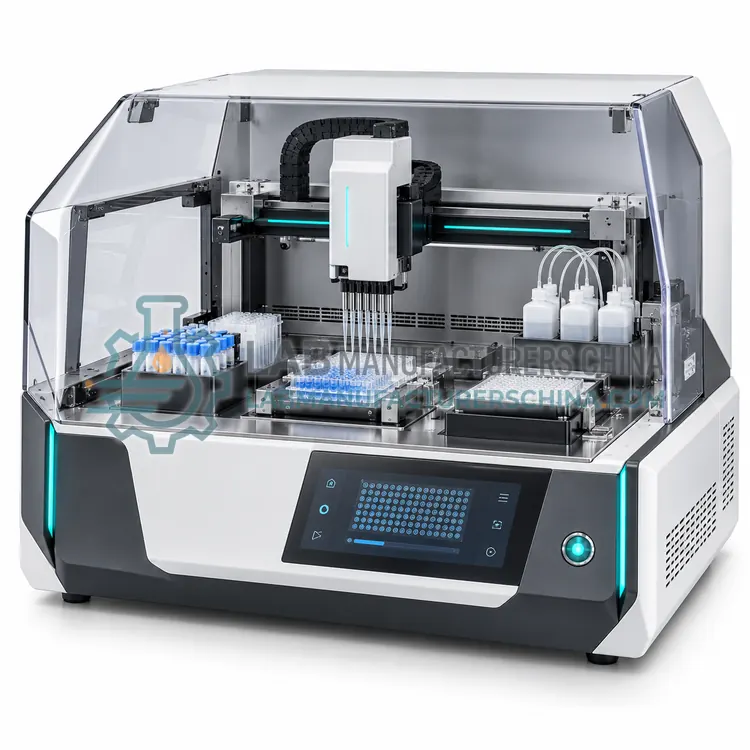 CIMA免疫分析仪Immunoassay analyzers detect antigens, antibodies and haptens in patient samples using specific antibody binding, with labels that produce color, fluorescence, luminescence or scattered light. They serve hospital and reference laboratories for infectious disease, hormone, cardiac, tumour and therapeutic drug testing.
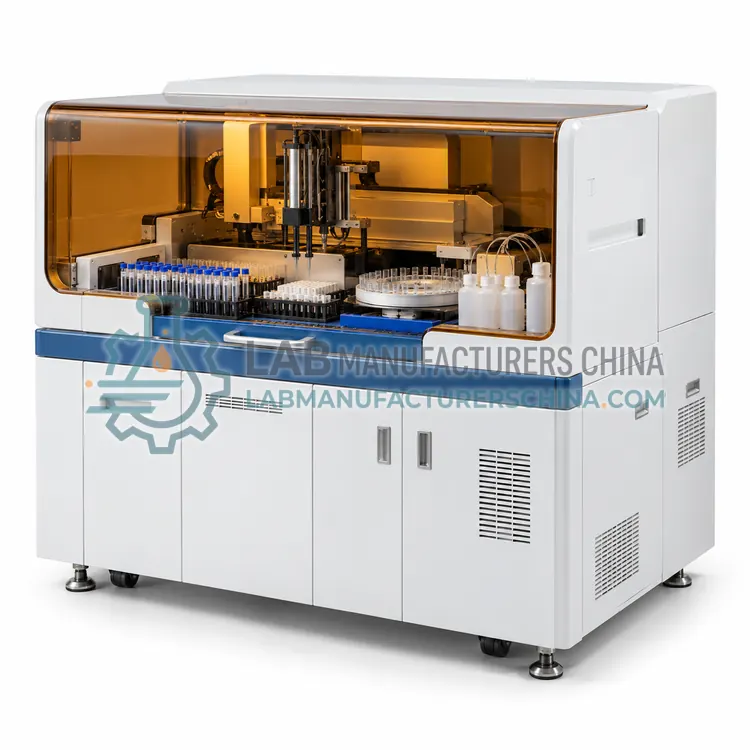 CCOA凝血分析仪Coagulation analyzers measure blood clotting function using clot detection, chromogenic or immunoturbidimetric methods. They report PT, APTT, fibrinogen, D-dimer and antithrombin, and support anticoagulation monitoring, bleeding disorder investigation and pre-surgical assessment in hospital laboratories and clinics.