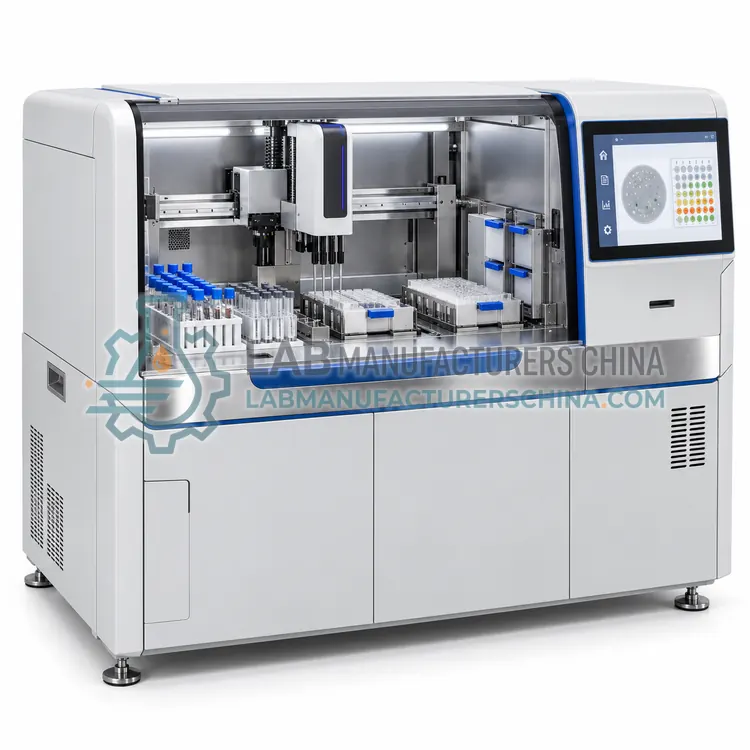
How do Diagnostic Analyzers work?
Diagnostic analyzers combine a sample handling system, a reaction or sensing chamber and a detector specific to the measurand. Blood gas analyzers use ion-selective, Clark-type oxygen and Severinghaus-type carbon dioxide electrodes. HbA1c analyzers separate hemoglobin fractions by cation-exchange HPLC and detect them at 415 nm. Specific protein analyzers measure light scattering or turbidity produced when antibody-coated particles bind a protein, using nephelometry or immunoturbidimetry. Blood culture systems monitor carbon dioxide production by colorimetric or fluorescent sensors inside bottles to flag microbial growth. Identification and susceptibility systems measure turbidity and growth kinetics in panels containing substrates or antibiotics. Calibration with standards and periodic quality control ensure that results remain traceable and within acceptance limits.
Which Diagnostic Analyzers variants are available?
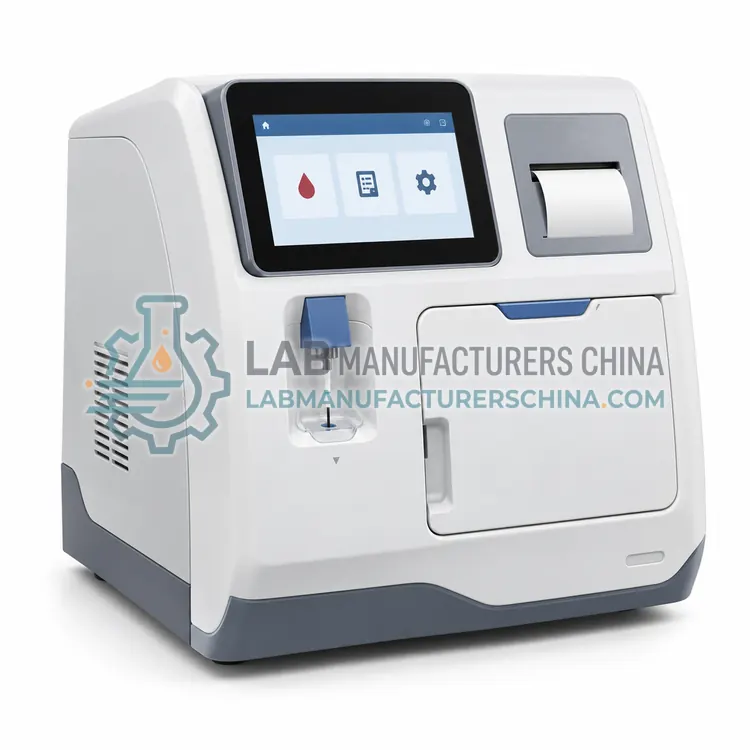
- Blood Gas and Electrolyte Analyzer — A blood gas and electrolyte analyzer measures pH, pCO2 and pO2 together with sodium, potassium, chloride, calcium and often glucose and lactate in whole blood.
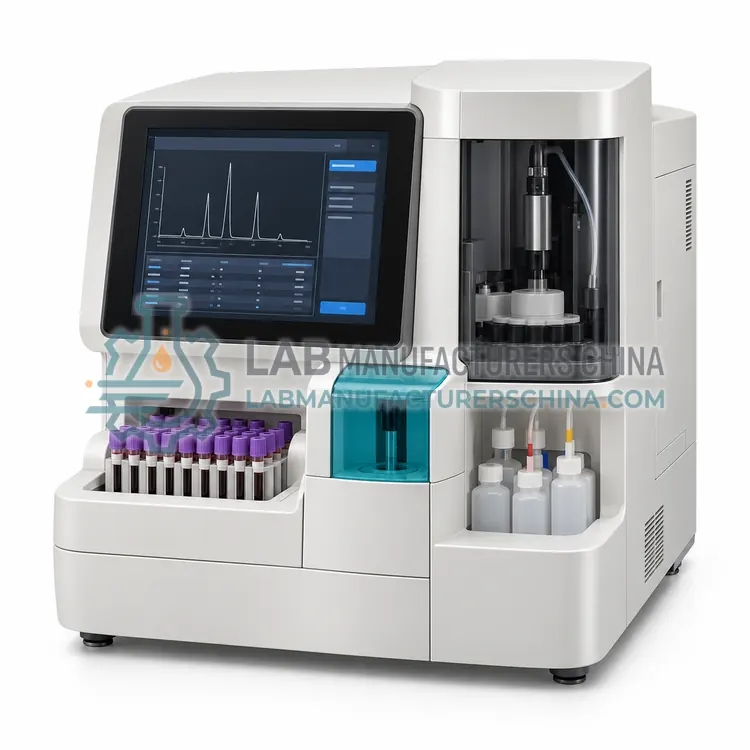
- HbA1c Analyzer (Ion-Exchange HPLC) — An ion-exchange HPLC HbA1c analyzer separates glycated hemoglobin from other hemoglobin fractions and quantifies it by absorbance at 415 nm.
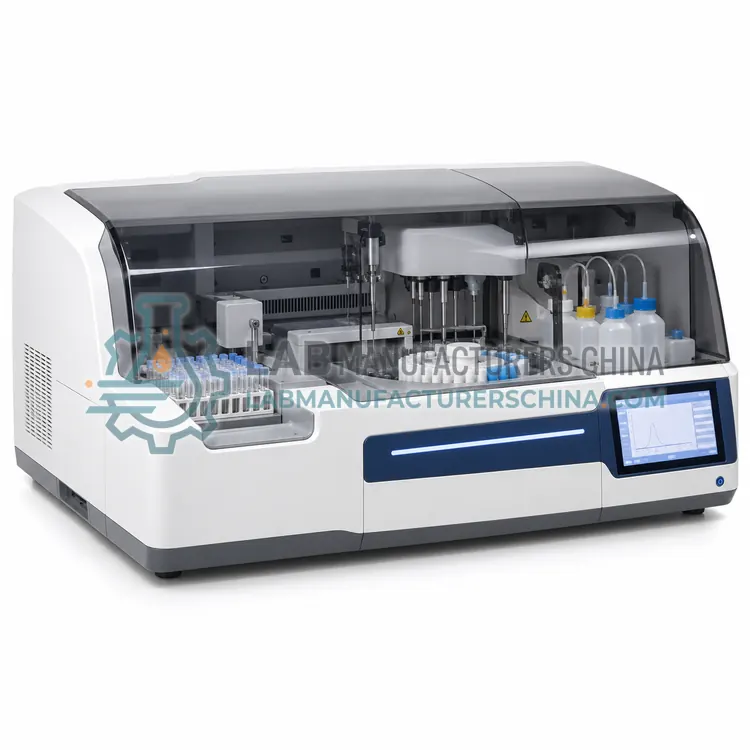
- Specific Protein Analyzer (Nephelometric) — A nephelometric specific protein analyzer measures proteins such as CRP, immunoglobulins, complement and albumin by detecting light scattered by antigen-antibody complexes.
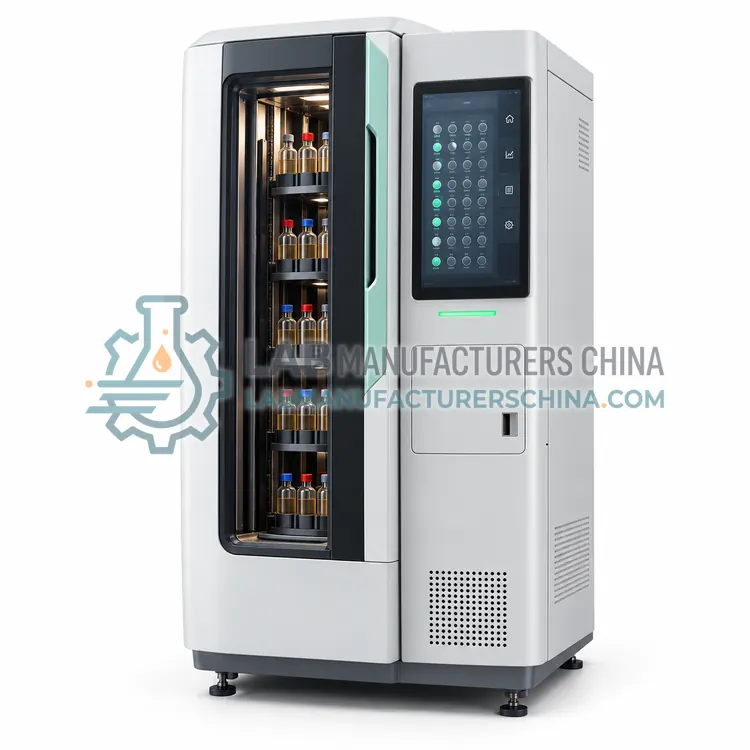
- Automated Blood Culture System — An automated blood culture system incubates blood culture bottles and continuously monitors them for microbial growth using CO2-sensitive sensors, flagging positive bottles for Gram stain and subculture.
- Microbial Identification and Antimicrobial Susceptibility Testing System — A microbial identification and antimicrobial susceptibility testing system automatically reads biochemical or growth panels to identify isolates and determine minimum inhibitory concentrations.
How do I choose the right variant?
Choose the analyzer by the measurand and the clinical setting. Blood gas analyzers for critical care should provide results in under two minutes from small sample volumes, with integrated co-oximetry and electrolytes if needed. For diabetes programs, HbA1c analyzers should demonstrate traceability to IFCC and NGSP and throughput matching the clinic. Specific protein analyzers differ in menu, sample dilution and calibration stability. Microbiology systems should match bottle capacity to blood culture volume. Compare reagent and consumable availability, maintenance demands, onboard calibration, LIS connectivity and operator training. Request evidence such as precision, interference testing and method comparison, and confirm the registration status of reagents in your market.
Where are Diagnostic Analyzers used?
Diagnostic Analyzers are specified in critical care blood gas monitoring, diabetes control monitoring, inflammation and immune protein testing, bloodstream infection detection and antimicrobial susceptibility testing.
Which standards and certifications apply?
Work with Diagnostic Analyzers is commonly governed by ISO 15189, IEC 61010-2-101, CLSI C46, CLSI EP15, ISO 18113-1, ISO 15197, CLSI M47 and CLSI M07. Instrument certifications such as CE marking are confirmed per configuration and never assumed.
What are the key considerations before purchase?
Install analyzers on stable benches with controlled temperature, stable power and adequate ventilation. Follow manufacturer schedules for electrode or column replacement, reagent pack changes and waste handling, and treat all specimens and waste as potentially infectious. Run quality control at defined intervals, participate in external quality assessment and verify performance on installation according to CLSI EP15. Blood gas analyzers require regular membrane and electrode maintenance and proper sample handling to avoid air bubbles. Blood culture instruments need a clean, vibration-free environment. Document calibration, maintenance and training under the laboratory quality system in line with ISO 15189, and plan service and spare parts support.