
Coagulation Analyzers
凝血分析仪
CCOA · Clinical & Diagnostic · 3 product types · 15 models
By Lab Manufacturers China Technical TeamLast reviewed
What are Coagulation Analyzers?
Coagulation analyzers measure blood clotting function using clot detection, chromogenic or immunoturbidimetric methods. They report PT, APTT, fibrinogen, D-dimer and antithrombin, and support anticoagulation monitoring, bleeding disorder investigation and pre-surgical assessment in hospital laboratories and clinics.
3 product types in Coagulation Analyzers
The 3 product types below are grouped by the exact instrument you need.
- SAC5 models
Semi-Automatic Coagulation Analyzers
半自动凝血分析仪
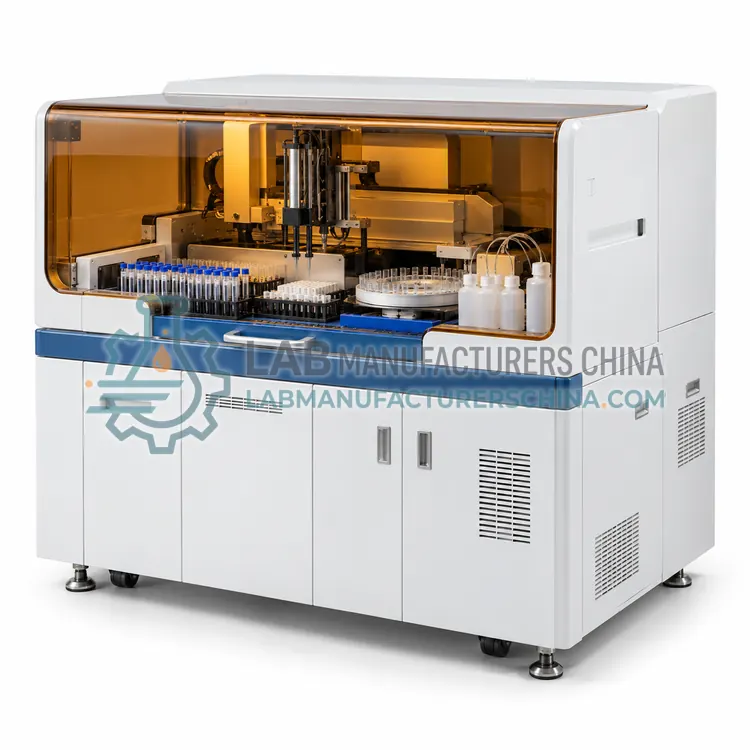
Semi-automatic coagulation analyzers measure clotting times with the operator adding sample and reagent, while the instrument incubates, detects clot formation and calculates results. They suit clinics and small laboratories that run prothrombin time, APTT and fibrinogen in small batches.
- ACA5 models
Automatic Coagulation Analyzers
全自动凝血分析仪
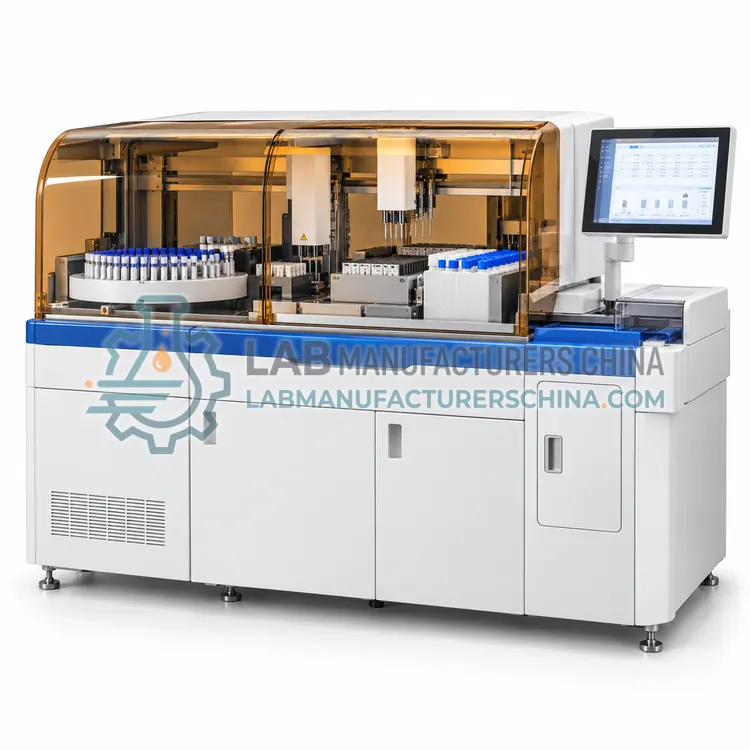
Automatic coagulation analyzers aspirate plasma and reagent, incubate, detect clot formation or chromogenic change and report results without operator intervention. They run random-access or batch hemostasis testing and support anticoagulation monitoring in hospital and reference laboratories.
- PLA5 models
Platelet Analyzers
血小板功能分析仪
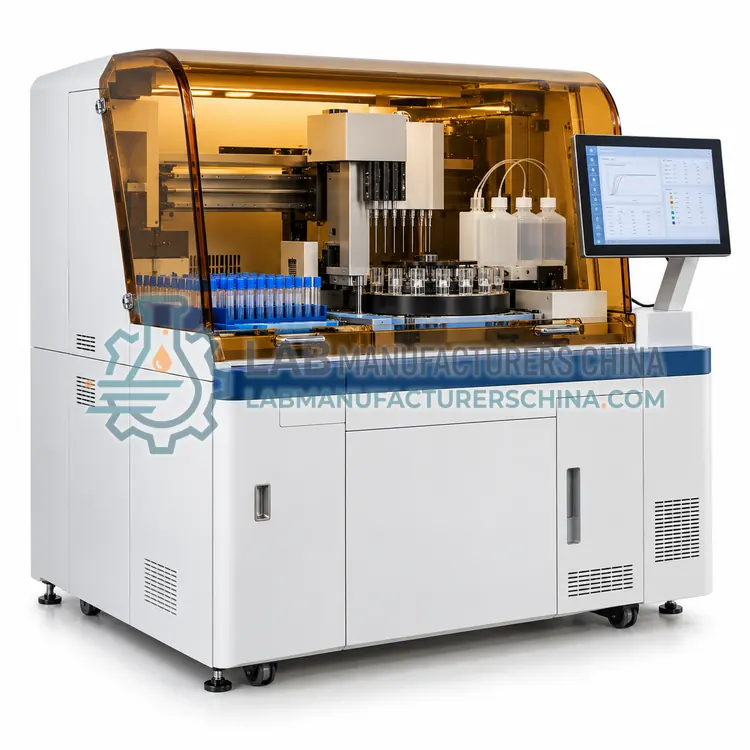
Platelet analyzers assess platelet function by measuring aggregation in response to agonists, or by simulating high-shear flow and measuring closure time. They support the diagnosis of inherited and acquired platelet disorders and the assessment of response to antiplatelet therapy.
What are Coagulation Analyzers?
Coagulation analyzers, also called hemostasis analyzers, assess the proteins and cellular components involved in blood clotting. Testing covers the extrinsic pathway through prothrombin time, the intrinsic pathway through activated partial thromboplastin time, the common pathway through thrombin time, fibrinogen concentration, and fibrin degradation products such as D-dimer. Specialised tests include antithrombin, protein C and protein S, factor assays, lupus anticoagulant and heparin monitoring. The category ranges from semi-automatic single-channel instruments that an operator feeds with sample and reagent, to fully automatic random-access analyzers that load tubes, detect clot formation, and report results with quality control, and to platelet function analyzers that assess aggregation rather than plasma clotting. Laboratories choose according to test menu, daily workload, the detection principle offered, the need for reagent openness, and the required turnaround for emergency and pre-operative testing.
How do Coagulation Analyzers work?
Clot detection works on three main principles. Optical instruments measure the increase in turbidity or the change in light scatter as fibrin strands form in the cuvette, since the fibrin network scatters more light than the clear plasma. Mechanical instruments detect the change in viscosity or movement of a steel ball or magnetic particle as the clot forms, which makes them relatively insensitive to bilirubin, hemoglobin and lipemia. Chromogenic instruments add a substrate that releases a colour when a specific coagulation enzyme or inhibitor acts on it, and this is used for antithrombin, protein C and heparin assays. Immunoturbidimetric assays measure the light scattered by antigen-antibody complexes to quantify D-dimer or von Willebrand factor. Most analyzers incubate reagent at 37 degrees Celsius and start timing at reagent addition, then report the clotting time in seconds, a ratio for PT, or a concentration in derived units.
Where are Coagulation Analyzers used?
Coagulation analyzers support the diagnosis and monitoring of bleeding and clotting disorders. Routine use covers pre-operative screening, monitoring of vitamin K antagonist therapy through the international normalised ratio, monitoring of unfractionated and low molecular weight heparin, and assessment of disseminated intravascular coagulation. D-dimer testing supports the exclusion of venous thromboembolism in combination with clinical scoring. Factor assays and inhibitor tests support haemophilia diagnosis and replacement therapy monitoring, and thrombophilia testing covers antithrombin, protein C and protein S. Platelet function analyzers are used before surgery, to investigate inherited platelet disorders, and to detect resistance to antiplatelet drugs. Anticoagulation clinics, intensive care units and obstetric units are frequent users, and results are reported through the laboratory information system.
Which standards apply to Coagulation Analyzers?
Coagulation testing operates under ISO 15189 quality requirements, with method verification following CLSI H57 for coagulation testing and CLSI EP05 and EP15 for precision and verification studies. Prothrombin time results are expressed as an international normalised ratio in line with WHO thromboplastin reference standards and ISI calibration. The Clinical and Laboratory Standards Institute publishes guidelines for platelet function testing, and the International Society on Thrombosis and Haemostasis provides scientific standardisation recommendations. Electrical safety follows IEC 61010-1 and IEC 61010-2-101 for in vitro diagnostic equipment. Market registration may require CE marking under the IVD Regulation, NMPA registration in China or FDA clearance in the United States, and anticoagulant reagents also have specific labelling requirements.
How do I select the right coagulation analyzers equipment?
Choose the detection principle first, because it determines which samples can be measured reliably: mechanical and magnetic detection suits icteric, hemolyzed or lipemic samples, while optical systems are common and usually simpler to maintain. Next match the test menu to routine needs. A clinic that runs prothrombin time and activated partial thromboplastin time only can use a semi-automatic instrument with manual reagent addition, whereas a hospital laboratory reporting hundreds of samples and emergency results needs a fully automatic random-access analyzer with cap piercing, onboard reagents and STAT priority. Check whether you need chromogenic or immunoturbidimetric assays such as antithrombin and D-dimer, since not every platform supports them. Verify sample volume for pediatric tubes, the calibration and control material supply, reagent openness and lot-to-lot consistency, LIS connectivity, and the availability of application support and spare parts locally.
Coagulation Analyzers comparison
| Subcategory | Principle | Typical use | Key spec |
|---|---|---|---|
| Semi-Automatic Coagulation Analyzers | Single-channel optical, mechanical or turbidimetric clot detection with manual reagent addition | Low-volume clinics, PT and APTT testing, small batches | Channels and sample volume |
| Automatic Coagulation Analyzers | Random-access clot detection with automated sampling, dilution and reporting | Hospital routine and emergency hemostasis testing | Throughput and supported assay types |
| Platelet Analyzers | Optical transmission or impedance measurement of platelet aggregation | Platelet function assessment before surgery and drug response testing | Channels, agonists and sample type |
Frequently asked questions about Coagulation Analyzers
Common tests are prothrombin time, activated partial thromboplastin time, thrombin time, fibrinogen, D-dimer and antithrombin. Specialised menus add individual clotting factor assays, protein C and protein S, lupus anticoagulant testing and heparin monitoring, depending on the platform and the reagents validated for it.
Optical detection measures the change in light transmission or scatter as fibrin forms, and is fast and precise but can be affected by hemolysis, icterus and lipemia. Mechanical or magnetic detection follows the movement of a ball or particle as viscosity rises, which is largely unaffected by sample colour or turbidity.
The international normalised ratio is the patient prothrombin time divided by the mean normal prothrombin time, raised to the power of the international sensitivity index of the thromboplastin reagent. Each reagent lot carries an ISI value, and laboratories should verify the local mean normal prothrombin time with their own normal samples.
Yes, many instruments accept partially filled collection tubes or offer low-volume modes with dead volume as low as 50 to 100 microliters. Pediatric and difficult-draw samples should be checked for underfilling, because citrate-to-plasma ratio affects results. Confirm the minimum sample volume and tube compatibility before purchase.
Each reagent lot is usually calibrated on installation, and calibration curves for many assays are valid for the life of the lot when control results remain within limits. At least two levels of normal and abnormal control material are run per shift or per day of testing, and after major maintenance or failed control.
Related categories
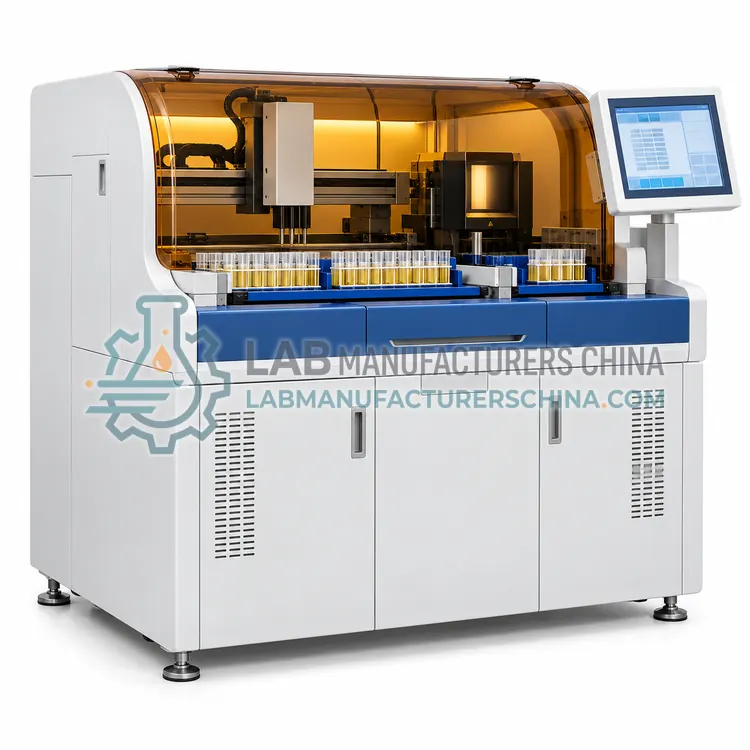 CURA尿液分析仪Urinalysis analyzers measure chemical and microscopic properties of urine to screen for renal, urinary tract and metabolic disease. They read reagent strips photometrically or classify particles by flow cytometry or imaging, and are used in hospital laboratories, clinics and screening programmes.
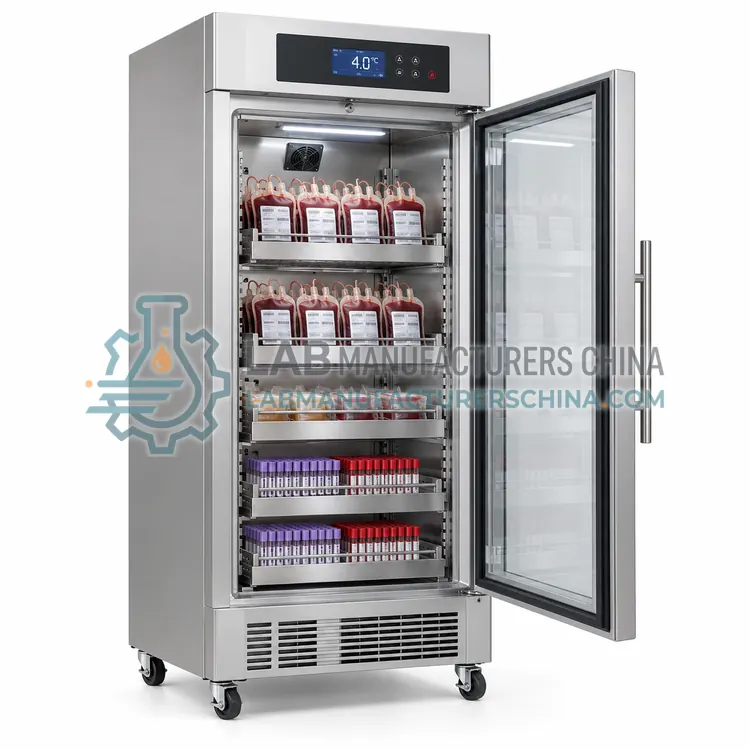 CBBE血库设备Blood bank equipment covers the refrigerators, plasma freezers, collection monitors, tube sealers and plasma thawers used to collect, process, store and issue blood components. It supports blood centers, hospital transfusion services and plasma facilities that must hold defined temperatures and keep traceable records.
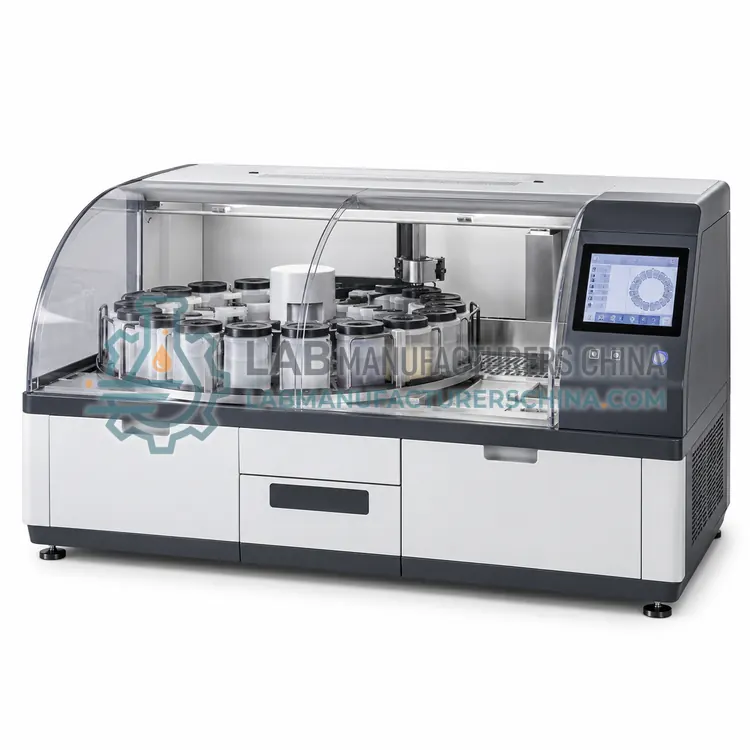 CPEQ病理设备Pathology equipment covers the instruments that turn surgical and biopsy specimens into stained, diagnosable slides. It includes grossing stations, tissue processors, embedding stations, microtomes and slide stainers, used in hospital pathology departments, reference laboratories, veterinary and research histology services.
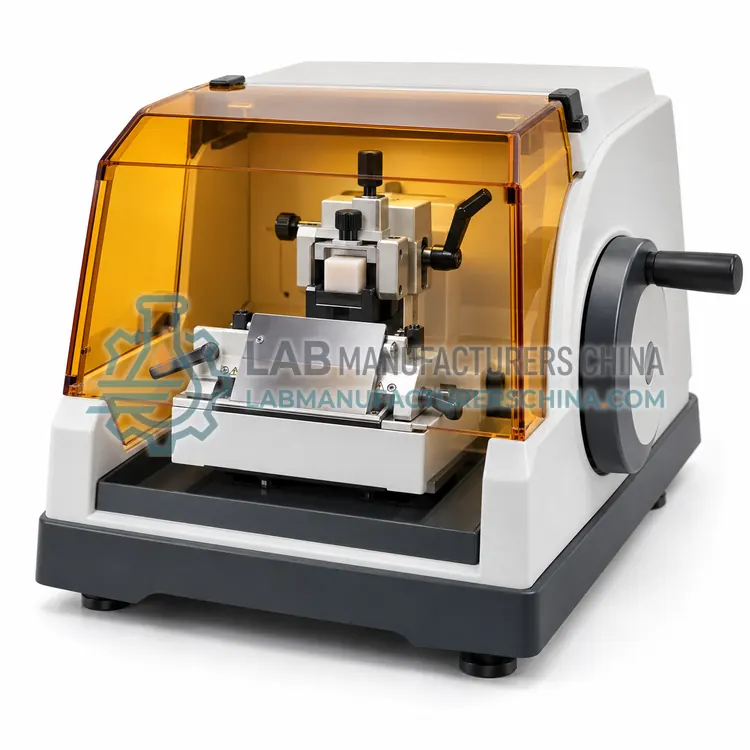 CHIE组织学设备Histology equipment covers the instruments used to embed, section, float, dry and stain tissue samples for microscopic examination. It serves hospital pathology laboratories, research histology facilities and contract research organizations that turn biopsy and necropsy specimens into stained slides for diagnosis and study.