
Clinical Laboratory Equipment
临床实验室设备
CCLE · Clinical & Diagnostic · 5 product types · 25 models
By Lab Manufacturers China Technical TeamLast reviewed
What are Clinical Laboratory Equipment?
Clinical laboratory equipment covers the instruments that test patient specimens such as blood, urine and body fluids to support diagnosis and monitoring. It includes clinical analyzers, sample processing devices, centrifuges, microscopes and laboratory automation used in hospital, reference and clinic laboratories.
5 product types in Clinical Laboratory Equipment
The 5 product types below are grouped by the exact instrument you need.
- CLA5 models
Clinical Analyzers
临床分析仪
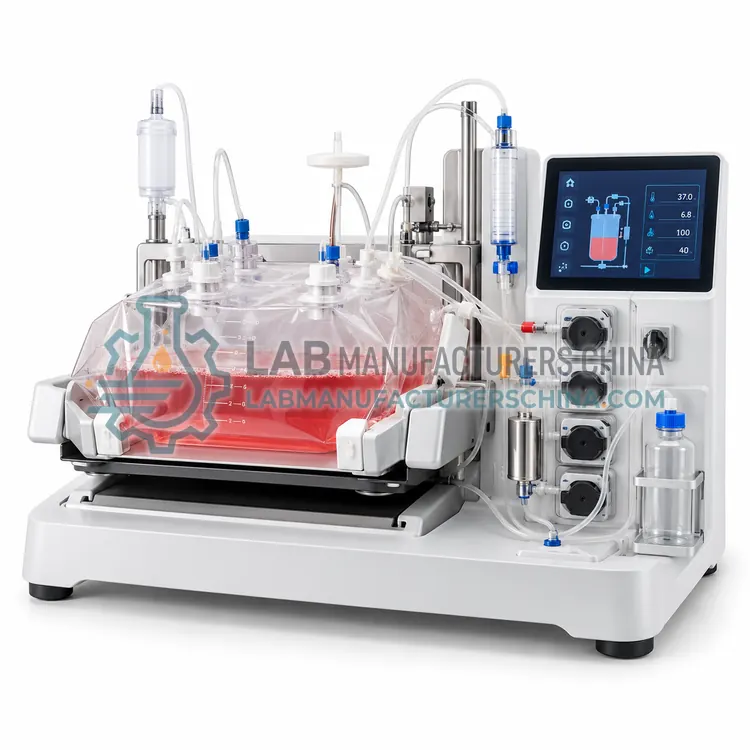
Clinical analyzers are instruments that measure analytes in blood, serum, plasma, urine and other body fluids to support diagnosis and monitoring of disease. They use photometry, ion-selective electrodes, turbidimetry, chromatography or electrochemistry, and are operated by hospital laboratories, reference laboratories, clinics and blood banks.
- SPR5 models
Sample Processing
临床实验室样本处理设备
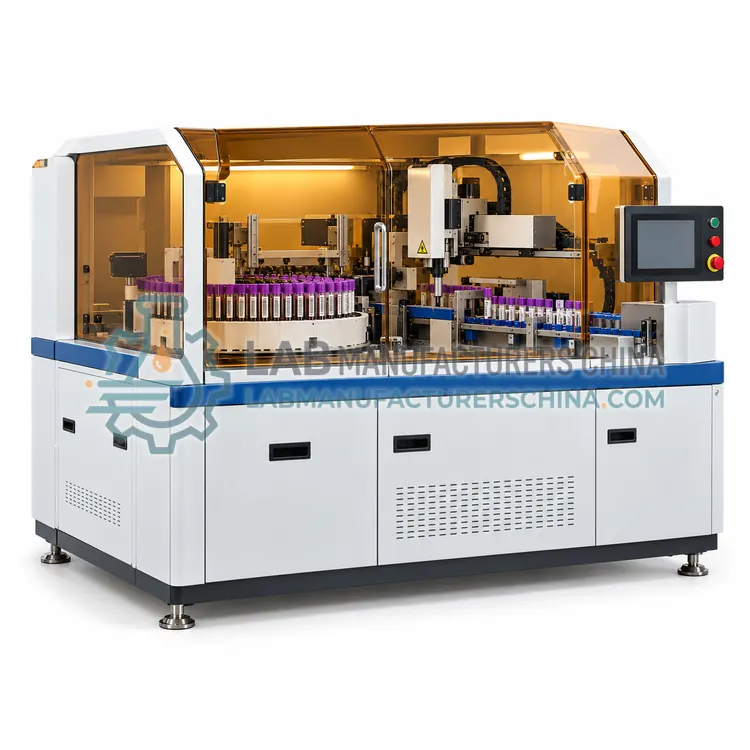
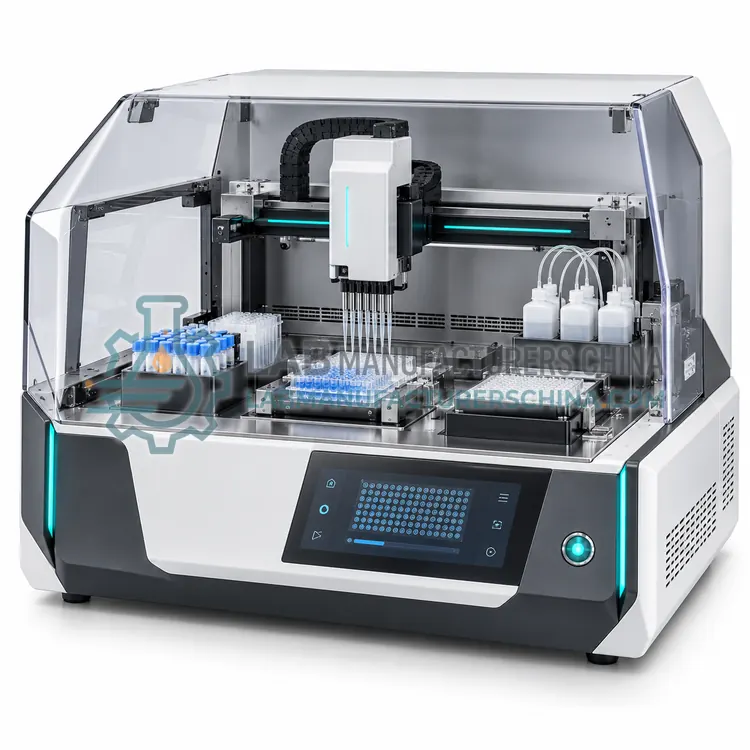
Sample processing equipment in a clinical laboratory handles patient specimens between collection and analysis. It labels, sorts, decaps, aliquots, recaps and stores blood and urine tubes so that analyzers receive correctly identified, properly prepared samples. Hospital and reference laboratories use it to cut manual handling, errors and turnaround time.
- CLC5 models
Clinical Centrifuges
临床离心机
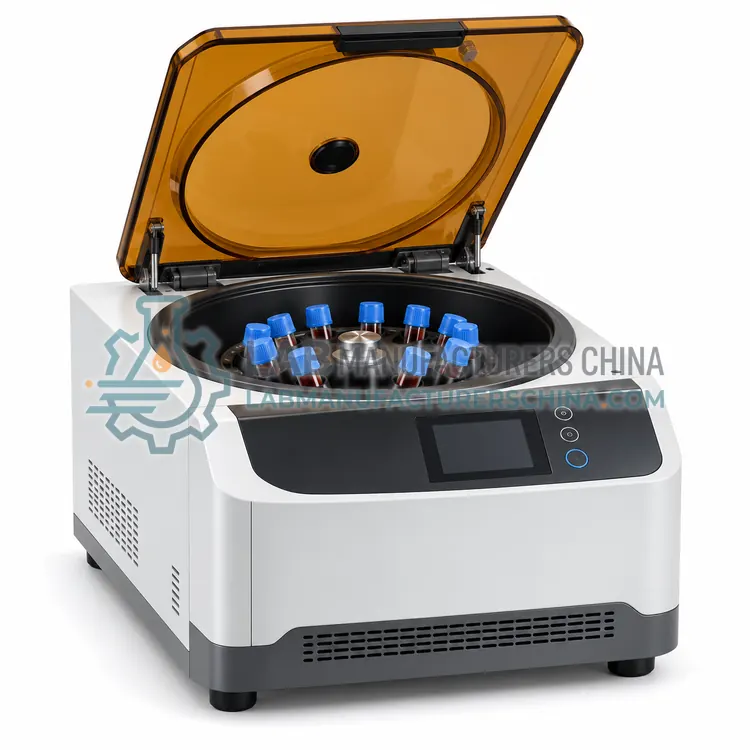
Clinical centrifuges spin blood, urine and other specimens at controlled speed to separate components by density. Laboratories use them to obtain serum or plasma, pack red cells, concentrate cells or sediment, and prepare blood components. Hospital laboratories, blood banks and clinics rely on them for routine pre-analytical processing.
- CLM5 models
Clinical Microscopy
临床显微镜检查设备
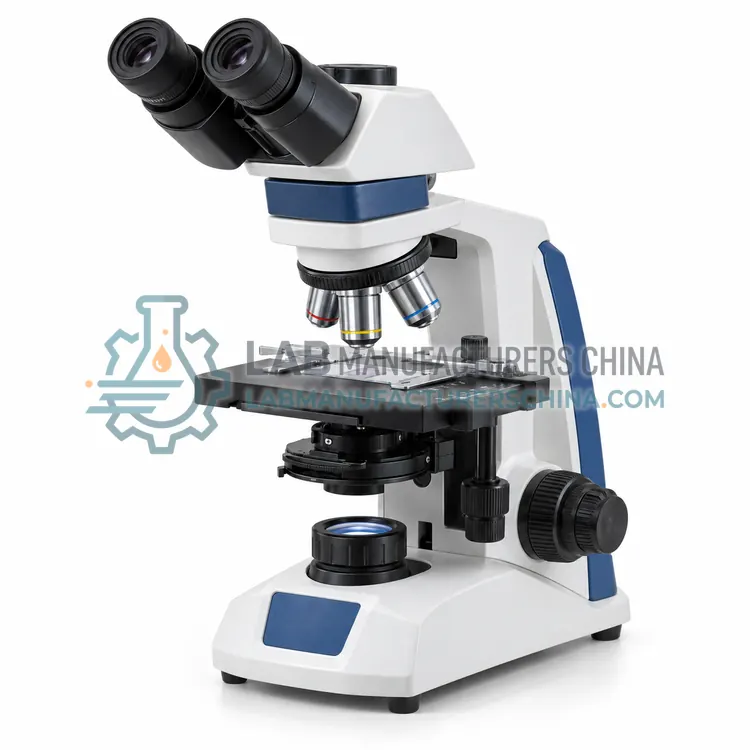
Clinical microscopy equipment magnifies stained or unstained specimens so that cells, crystals and microorganisms can be identified for diagnosis. It includes brightfield, phase-contrast, dark-field and fluorescence microscopes and digital slide scanners used in hematology, urinalysis, microbiology, cytology and pathology laboratories.
- LAA5 models
Laboratory Automation
实验室自动化系统
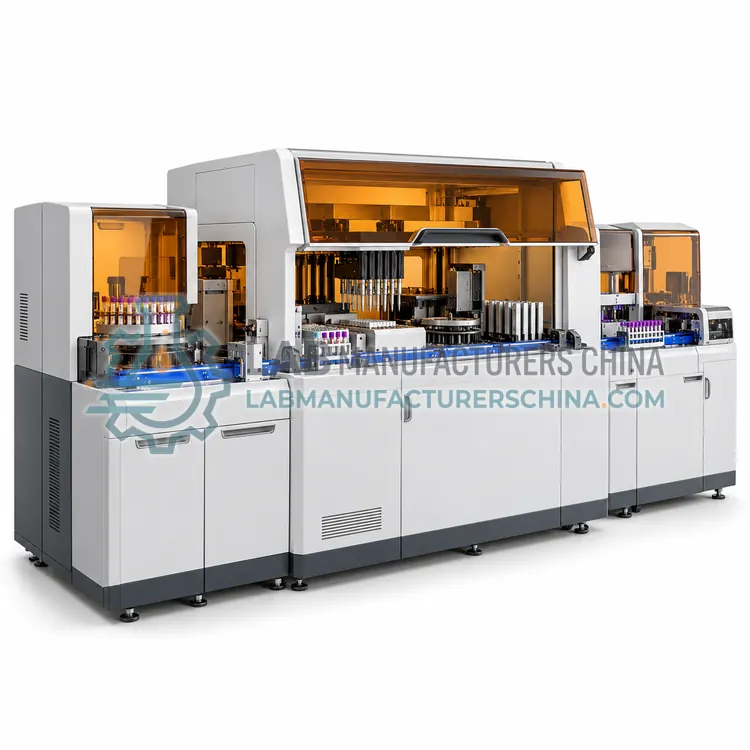
Laboratory automation is the set of robotic and conveyor systems that move, prepare, present and store specimen tubes between pre-analytical, analytical and post-analytical steps. It reduces manual handling and turnaround time and is used by hospital, reference and high-volume clinical laboratories.
What are Clinical Laboratory Equipment?
Clinical laboratory equipment is the set of instruments that receive, prepare, measure and report results on patient specimens. A typical laboratory workflow starts with specimen reception and labeling, continues with centrifugation and aliquoting, moves to analytical instruments for chemistry, hematology, immunoassay, coagulation or microscopy, and ends with result validation and reporting through a laboratory information system. The category therefore spans several instrument families: clinical analyzers that quantify analytes, sample processing equipment such as decappers and sorters, clinical centrifuges for separating serum or plasma, microscopes for morphological examination, and laboratory automation including track systems and pre-analytical modules. Laboratories choose equipment according to test menu, daily sample volume, turnaround requirements, staffing and the regulatory environment in which they operate.
How do Clinical Laboratory Equipment work?
The equipment in this category relies on several physical and chemical principles. Analyzers measure absorbance, turbidity, fluorescence, luminescence or electrode potential after a specimen reacts with a reagent, and convert the signal into a concentration using a calibration curve. Centrifuges apply relative centrifugal force to sediment cells and separate serum or plasma. Microscopes magnify specimens using objective and eyepiece lenses with brightfield, phase-contrast or fluorescence contrast. Sample processing devices use mechanical grippers, cameras and barcode readers to handle tubes. Laboratory automation connects these modules with conveyors or robotic carriers, controlled by middleware that routes each tube according to its test orders. Quality control material is run regularly to verify accuracy and precision.
Where are Clinical Laboratory Equipment used?
Clinical laboratory equipment supports routine and emergency testing in hospitals, independent reference laboratories, community clinics and blood centers. Common uses include metabolic panels, liver and kidney function tests, lipid profiles, glucose monitoring, complete blood counts, coagulation screening, cardiac marker testing, infectious disease serology and urinalysis. Microscopes are used for blood film differentials, urine sediment review and microbiology smears. Automation is most valuable in laboratories with high daily sample volumes, where consolidating chemistry and immunoassay onto one track reduces manual handling, labeling errors and turnaround time. Smaller laboratories often use stand-alone benchtop analyzers and manual pre-analytical workflows. Equipment also serves teaching hospitals, veterinary clinics and research laboratories that process human-derived specimens.
Which standards apply to Clinical Laboratory Equipment?
Clinical laboratories commonly work under ISO 15189, which specifies quality and competence requirements for medical laboratories, and ISO 22870 or ISO 15197 where point-of-care and glucose testing apply. Electrical safety of laboratory equipment follows IEC 61010-1, with IEC 61010-2-101 for in vitro diagnostic equipment and IEC 61010-2-020 for laboratory centrifuges. In the United States, CLIA regulations and CLSI guidelines such as EP05, EP15 and EP09 govern precision and method comparison studies. Reagent and analyzer registration may require CE marking under the IVD Regulation, NMPA registration in China or FDA clearance. Which standards apply depends on the destination market and the intended use declared for each instrument.
How do I select the right clinical laboratory equipment?
Start with the test menu and daily workload. Count the number of specimens and tests per day, peak-hour demand and the share of urgent samples, then match these to analyzer throughput in tests per hour. Decide between open and closed reagent systems, considering reagent cost per test, onboard capacity and supply reliability. Check sample volume needs for pediatric and small-volume specimens, onboard refrigeration and calibration stability. For centrifuges, specify tube formats, maximum relative centrifugal force and the need for refrigeration. For microscopes, choose the contrast method required. Evaluate automation only when volumes justify it, and confirm LIS connectivity, interface protocols such as ASTM and HL7, service coverage and spare parts supply, and operator training in your region.
Clinical Laboratory Equipment comparison
| Subcategory | Principle | Typical use | Key spec |
|---|---|---|---|
| Clinical Analyzers | Photometry, ion-selective electrodes and immunoassay detection | Routine chemistry, immunoassay and integrated testing | Throughput in tests per hour |
| Sample Processing | Mechanical tube handling with barcode and camera identification | Decapping, sorting, aliquoting and labeling of patient tubes | Tubes processed per hour |
| Clinical Centrifuges | Relative centrifugal force separates cells from serum or plasma | Serum and plasma separation from blood collection tubes | Maximum RCF and tube capacity |
| Clinical Microscopy | Optical magnification with brightfield, phase or fluorescence contrast | Blood film, urine sediment and smear examination | Objectives and magnification range |
| Laboratory Automation | Conveyor or robotic transport linking pre-analytical and analytical modules | High-volume laboratories consolidating workflows | Tube throughput and connected modules |
Frequently asked questions about Clinical Laboratory Equipment
A basic clinical laboratory needs a chemistry analyzer, hematology analyzer, centrifuge, microscope and refrigerated storage, plus immunoassay and coagulation analyzers as the menu grows. Larger laboratories add sample processing modules and track automation to handle volume and reduce manual handling.
Estimate daily tests and peak-hour demand, then select an analyzer whose rated throughput in tests per hour covers the peak with margin of about 30 percent. Consider reagent onboard capacity and the ability to run urgent samples without interrupting batches.
Clinical centrifuges are built for blood collection tubes, with swing-out rotors, safe bucket lids and programmable acceleration for serum separation. General laboratory centrifuges cover wider speeds and tube formats, including microtubes and high-speed rotors, and are not always tuned for gel-tube workflows.
ISO 15189 governs medical laboratory quality and competence, while IEC 61010-1 and its part 2 standards cover electrical safety of the instruments. Performance evaluation typically follows CLSI guidelines, and market registration may require CE marking, NMPA registration or FDA clearance.
Automation generally pays off when a laboratory handles several hundred to a few thousand tubes per day and has staffing or turnaround pressure. It reduces manual sorting, labeling errors and handling time, but needs floor space, LIS integration and dedicated maintenance support.
Yes, many manufacturers supply analyzers, centrifuges and microscopes to export markets. Buyers should confirm the registration status for their country, such as CE marking or local approval, verify quality system certification, and agree on reagent supply, training and service arrangements before purchase.
Related categories
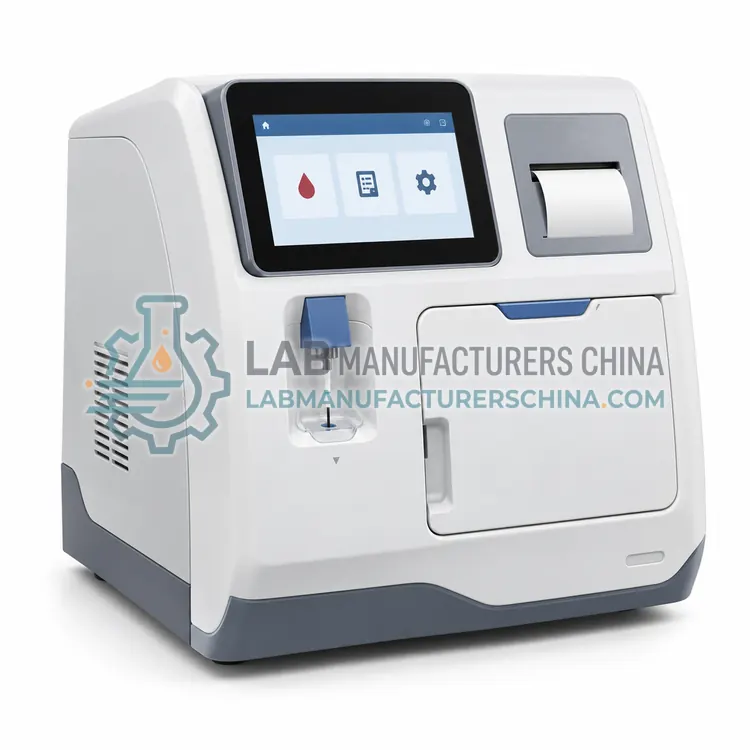 CDLE诊断实验室设备Diagnostic laboratory equipment covers instruments used to detect disease markers, pathogens and genetic targets in patient specimens. It includes diagnostic analyzers, immunodiagnostic and molecular diagnostic systems, point-of-care devices and sample preparation equipment used in hospitals, reference laboratories, clinics and public health settings.
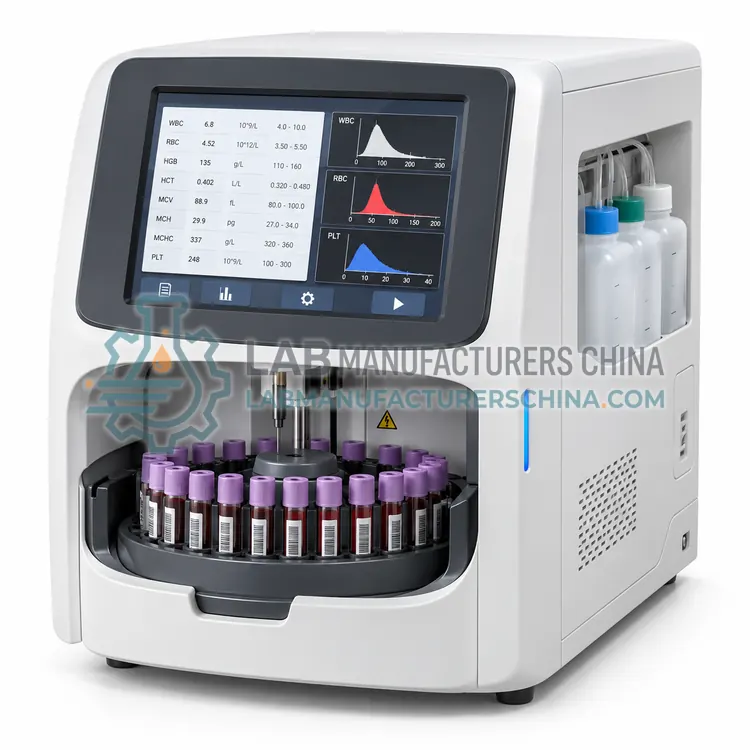 CHEA血液分析仪Hematology analyzers are instruments that count and characterize blood cells in whole blood or body fluids. They measure red cells, white cells, platelets and hemoglobin by impedance, light scatter or fluorescence, and are used by hospital laboratories, clinics and blood centers for complete blood counts and cell differentials.
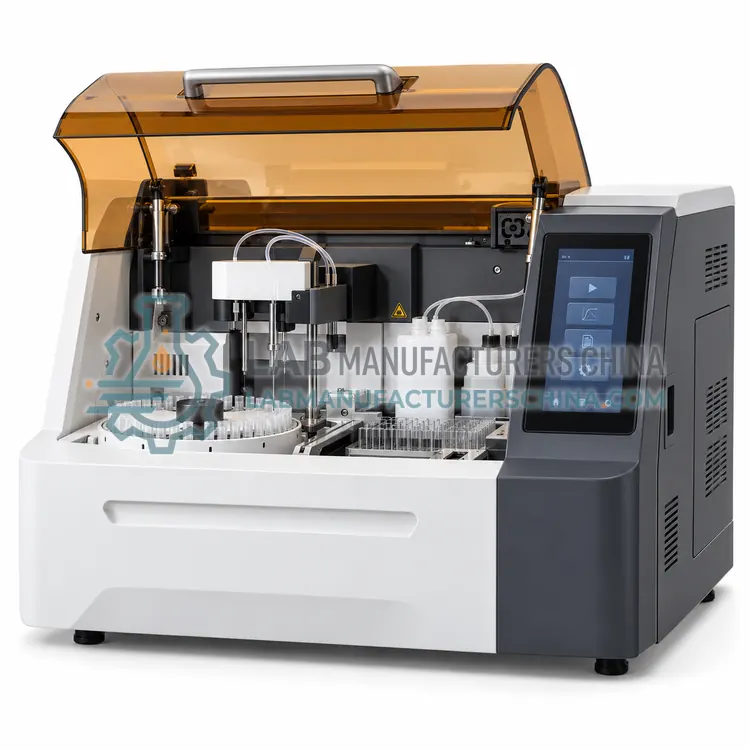 CCCA临床生化分析仪Clinical chemistry analyzers measure metabolites, enzymes, electrolytes and proteins in serum, plasma, urine and other body fluids. They use photometry, ion-selective electrodes and turbidimetry, and serve hospital laboratories, clinics and reference laboratories running biochemical panels and therapeutic drug monitoring.
 CIMA免疫分析仪Immunoassay analyzers detect antigens, antibodies and haptens in patient samples using specific antibody binding, with labels that produce color, fluorescence, luminescence or scattered light. They serve hospital and reference laboratories for infectious disease, hormone, cardiac, tumour and therapeutic drug testing.