How do Laboratory Automation work?
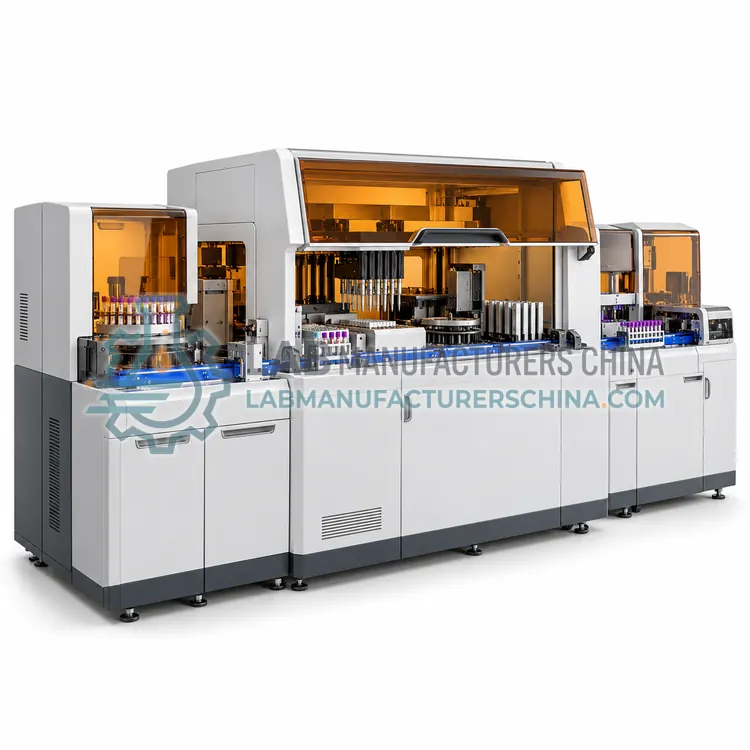
A laboratory automation system links modules through a transport layer, usually a conveyor track carrying individual tube carriers, or robotic arms and carts for smaller installations. Each carrier holds a tube that is identified by a barcode or RFID tag at input. Control software, often called middleware, queries the laboratory information system for the test orders, decides which instruments and modules the tube must visit, and routes it through decapping, centrifugation, aliquoting, analysis, resealing and storage. Sensors and cameras check tube type, cap, fill level and serum quality. Grippers handle tube formats of various diameters and lengths. Tracking data are logged, so each tube's location and status are always known, and urgent samples can be prioritized in the queue.
Which Laboratory Automation variants are available?
- Track-Based Total Laboratory Automation System — A track-based total laboratory automation system connects input, sorting, centrifugation, decapping, analyzers, resealing and storage with a conveyor, routing every tube automatically.
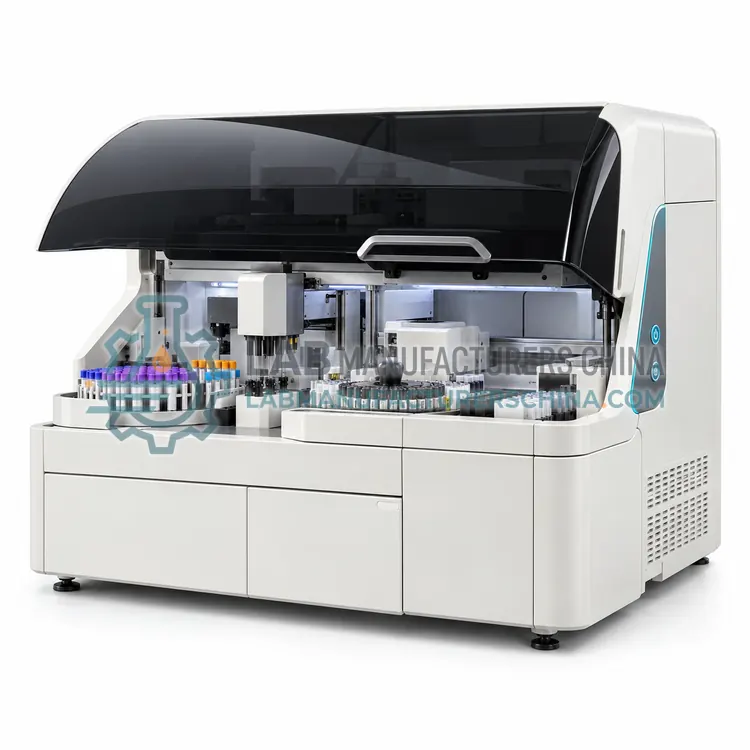
- Modular Pre-Analytical Automation System — A modular pre-analytical automation system automates sorting, centrifugation, decapping, aliquoting and labeling without connecting to analyzers by track.
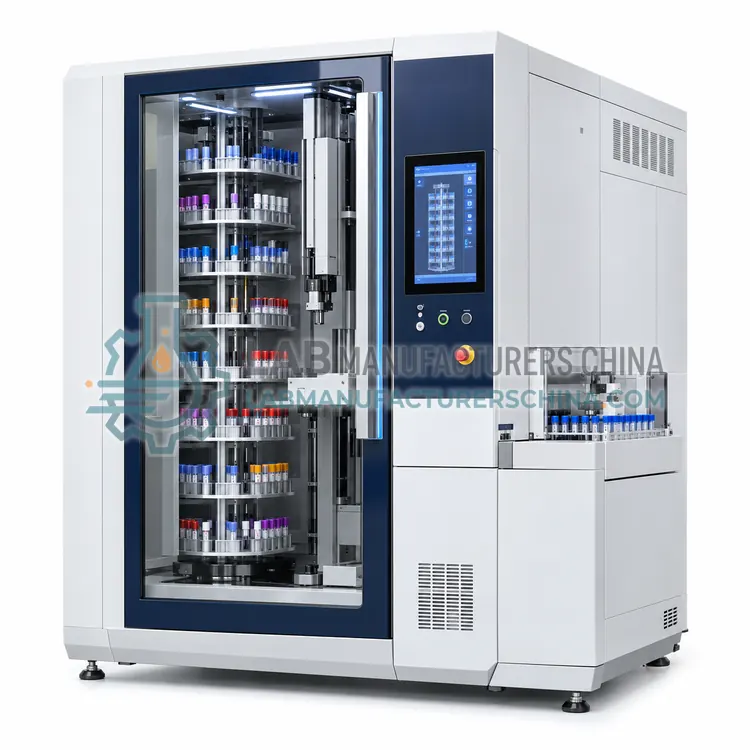
- Automated Refrigerated Sample Storage and Retrieval System — An automated refrigerated sample storage and retrieval system stores capped specimen tubes at 2–8 °C in racks and retrieves them on demand for retesting or add-on tests.
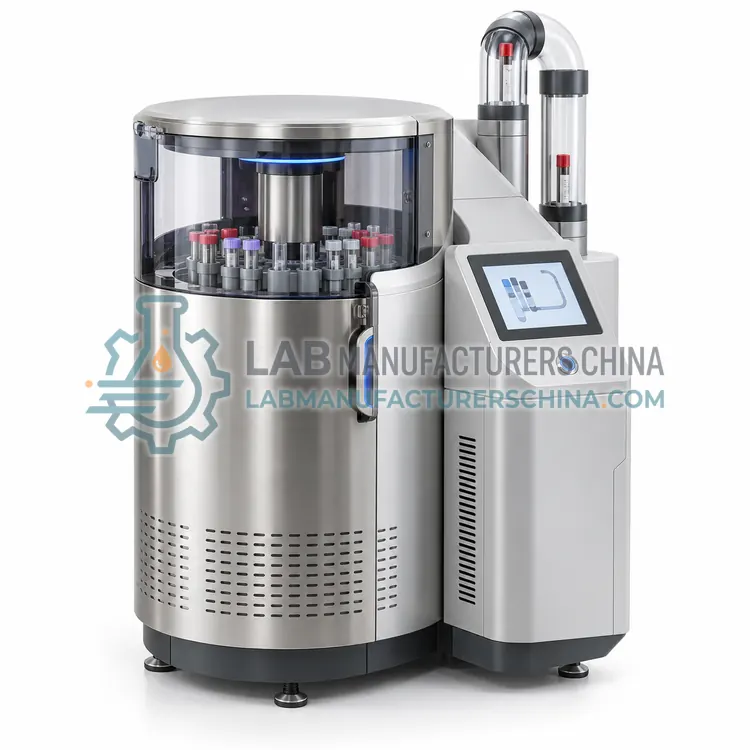
- Pneumatic Tube Specimen Transport System — A pneumatic tube specimen transport system sends sealed carriers containing specimen bags or tubes between hospital wards and the laboratory through air-driven pipelines.
- Robotic Liquid Handling Workstation for Clinical Laboratories — A robotic liquid handling workstation for clinical laboratories automates pipetting steps such as sample dilution, plate loading and nucleic acid extraction setup.
How do I choose the right variant?
Selection starts with daily tube volume, number of analyzers to connect and available floor plan. Small laboratories below a few hundred tubes per day may need only a pre-analytical module, while laboratories handling over 1,000 tubes benefit from a full track. Verify which analyzers the track can connect to, because open interfaces and third-party instrument support vary. Check tube formats and sizes, cap types, centrifuge capacity, urgent-sample handling, output buffer size and storage capacity. Confirm middleware functions such as rules-based routing, autoverification and reflex testing, and LIS interface protocols. Consider uptime, service response, spare parts, training, and the power, network and air requirements of the installation site.
Where are Laboratory Automation used?
Laboratory Automation are specified in high-volume hospital laboratory workflows, reference laboratory specimen consolidation, emergency department STAT testing, specimen archiving and retrieval and blood center sample handling.
Which standards and certifications apply?
Work with Laboratory Automation is commonly governed by CLSI AUTO01, CLSI AUTO03, CLSI AUTO04, CLSI AUTO05, ISO 15189, IEC 61010-1, IEC 61010-2-101 and CLSI GP44. Instrument certifications such as CE marking are confirmed per configuration and never assumed.
What are the key considerations before purchase?
Automation needs a level floor with adequate load rating, stable power with UPS backup, network connectivity and, where pneumatic modules are used, compressed air. Plan the layout for operator access and service clearance. Validate the installation through functional testing, carryover and sample identification checks, and verify interfaces with the LIS and each analyzer. Establish downtime procedures so that testing can continue manually if the track stops. Schedule preventive maintenance for belts, grippers and sensors, and clean carriers regularly. Follow biosafety practice for decapped tubes and aerosol control, and document validation under ISO 15189. Train staff on error recovery and on loading rules for tube types.