
Pathology Equipment
病理设备
CPEQ · Clinical & Diagnostic · 5 product types · 25 models
By Lab Manufacturers China Technical TeamLast reviewed
What are Pathology Equipment?
Pathology equipment covers the instruments that turn surgical and biopsy specimens into stained, diagnosable slides. It includes grossing stations, tissue processors, embedding stations, microtomes and slide stainers, used in hospital pathology departments, reference laboratories, veterinary and research histology services.
5 product types in Pathology Equipment
The 5 product types below are grouped by the exact instrument you need.
- TIP5 models
Tissue Processors
组织处理机
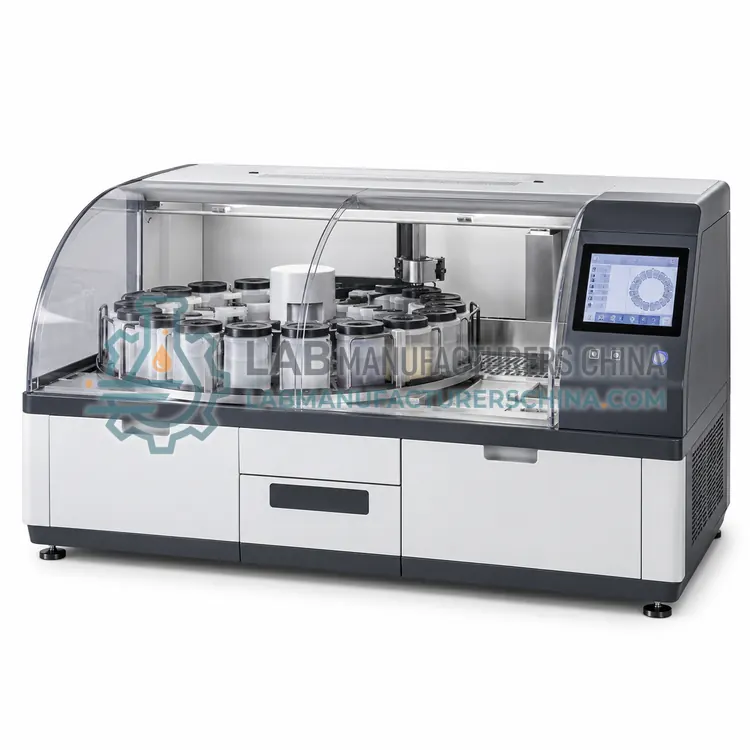
Tissue processors automate fixation-to-infiltration steps that dehydrate, clear and infiltrate tissue specimens with paraffin so they can be embedded and sectioned. Pathology and histology laboratories use them overnight or in rapid cycles, running 40 to 600 cassettes per batch with controlled temperature, vacuum and reagent handling.
- EMS5 models
Embedding Stations
包埋机
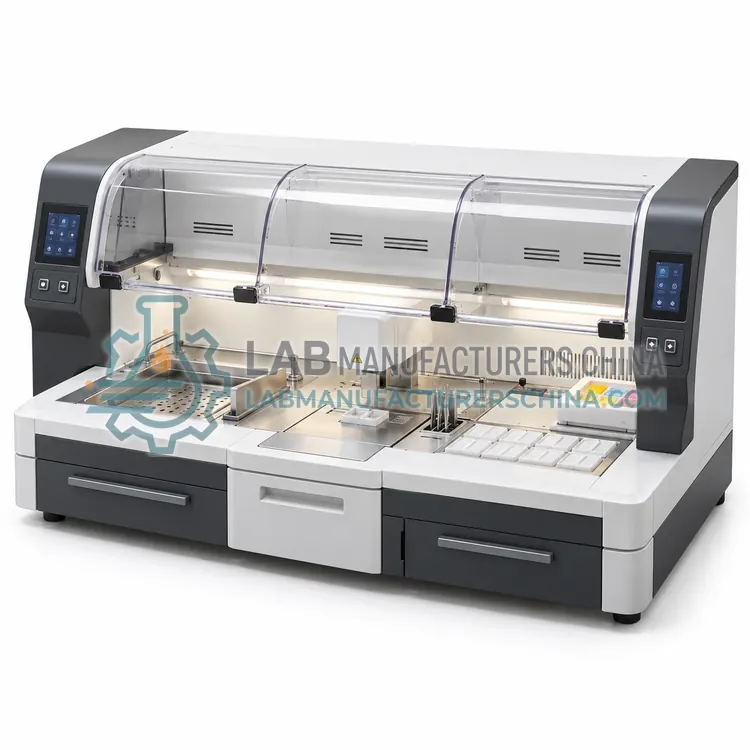
Embedding stations hold molten paraffin, dispense it into molds and cool the filled blocks so processed tissue can be oriented and sectioned. Histology and pathology laboratories use them after tissue processing to produce uniform paraffin blocks with a dispenser, heated work area, forceps warmer and a cold plate.
- MIT5 models
Microtomes
切片机
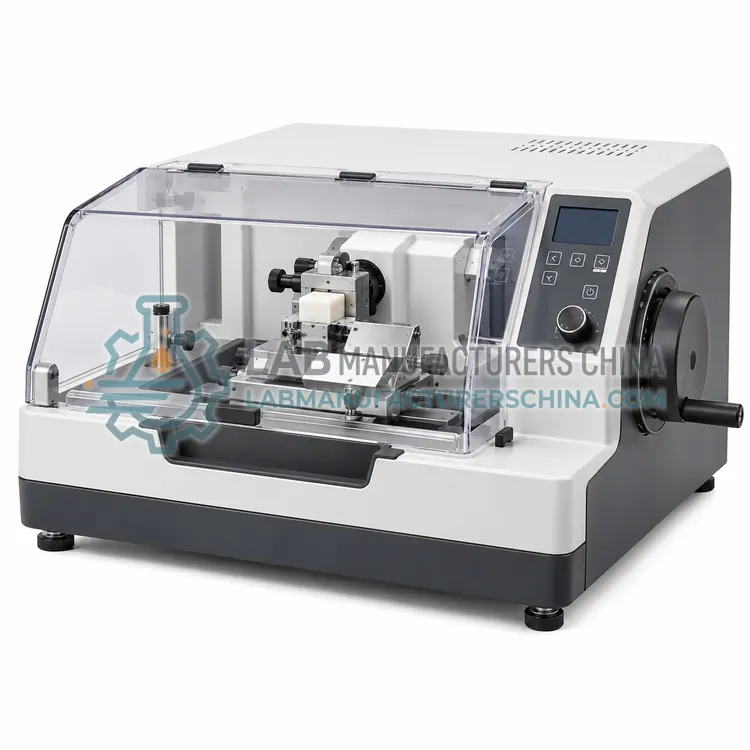
Microtomes are precision cutting instruments that slice embedded or frozen specimens into sections from a few nanometers to several hundred micrometers thick. Pathology, materials and life-science laboratories use them to prepare tissue for light or electron microscopy, with designs ranging from sliding and vibrating to ultra-thin types.
- SLS5 models
Slide Stainers
玻片染色机
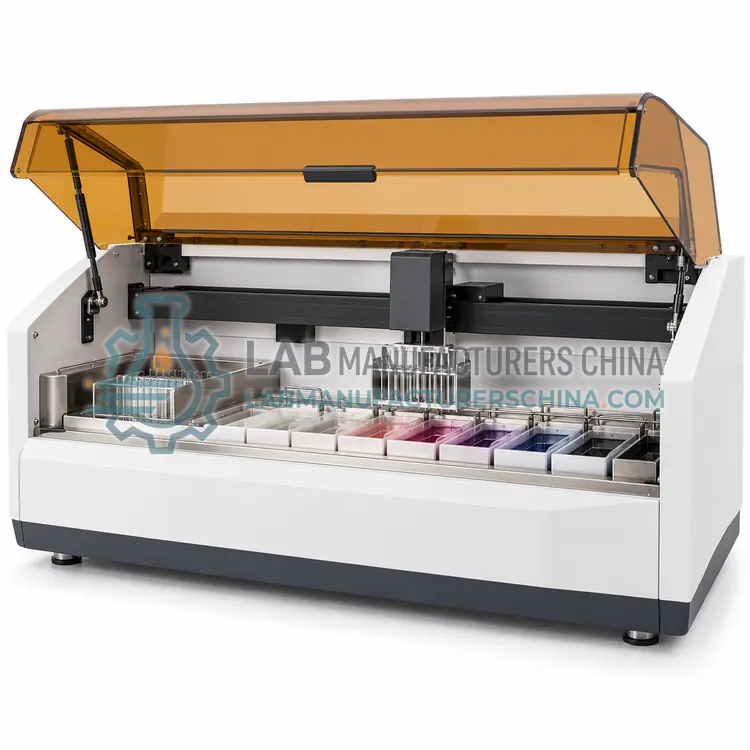
Slide stainers automate the staining of tissue sections on glass slides by moving them through dewaxing, stain and rinse reagents or by dispensing reagents onto each slide. Pathology laboratories use them for hematoxylin and eosin, special stains and immunohistochemistry, with capacities from 20 to over 300 slides per run.
- GRS5 models
Grossing Stations
标本取材台
Grossing stations are ventilated dissection workstations where pathologists and technicians examine, measure, dissect and sample surgical specimens before tissue processing. They capture formaldehyde and other vapors with downdraft or backdraft airflow, and include sinks, dissection surfaces, lighting and often scales or cameras.
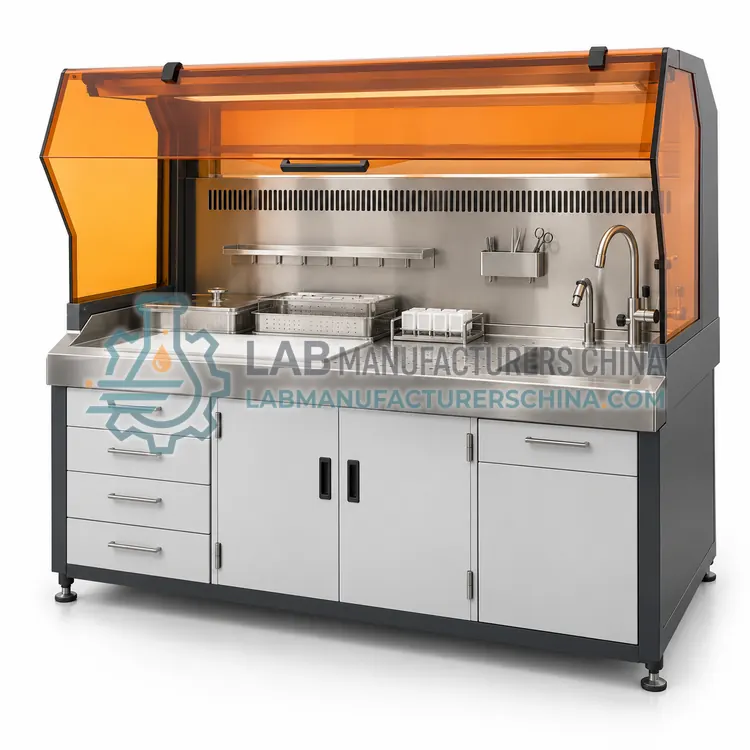
What are Pathology Equipment?
Pathology equipment supports the anatomic pathology workflow from specimen receipt to microscope slide. Specimens are fixed in formalin, examined and sampled at a grossing station, then dehydrated, cleared and infiltrated with paraffin in a tissue processor. An embedding station forms paraffin blocks, a microtome cuts sections a few micrometers thick, and a slide stainer applies hematoxylin and eosin, special stains or immunohistochemical reagents. Each step affects diagnostic quality: poor fixation or processing cannot be corrected later, and uneven sectioning or staining can hide features. The equipment also controls exposure to formaldehyde and xylene, so ventilation and containment are part of the design. Laboratories choose instruments by daily specimen volume, turnaround targets and the stains they must support.
How do Pathology Equipment work?
Each instrument applies a defined physical or chemical process. Tissue processors cycle reagents under heat, vacuum and pressure so water is replaced by paraffin. Embedding stations keep wax molten at 60 to 65 °C, dispense it into molds, then cool the block on a cold plate. Microtomes advance the block by controlled micrometer steps against a fixed blade to cut sections of 1 to 10 µm, and sliding, vibrating or ultra-thin types address special samples. Slide stainers transfer slides between reagent stations or dispense reagents with precise timing and temperature. Grossing stations draw air through a work surface at 0.3 to 0.5 m/s to capture formaldehyde. Electronic controllers, sensors and software tie these operations together and log events for accreditation.
Where are Pathology Equipment used?
Pathology equipment is used in hospital and private pathology laboratories, cancer centers, reference laboratories, veterinary diagnostic services, forensic pathology, toxicologic pathology in pharmaceutical research and teaching institutions. Surgical pathology is the largest use, where specimens from operating rooms are processed for diagnosis and cancer staging. Biopsy services rely on rapid processing and accurate staining for same-day reports. Research and drug safety studies use the same workflow to examine animal tissue. Teaching laboratories use smaller, simpler versions. Capacity needs range from a few dozen cassettes per day in clinics to thousands per day in centralized laboratories.
Which standards apply to Pathology Equipment?
Pathology laboratories operate under quality and safety frameworks. ISO 15189 and national accreditation schemes cover quality management and competence, and CLSI QMS 02 and related guidance cover document control. Electrical safety of instruments follows IEC 61010-1 with part 2 standards for laboratory equipment such as IEC 61010-2-101, and EMC follows IEC 61326-1. Manufacturers often hold ISO 13485 for quality management, and CE or other market approvals are to be confirmed for each product. Occupational limits for formaldehyde, such as OSHA 29 CFR 1910.1048, and local solvent rules govern ventilation of grossing and processing areas.
How do I select the right pathology equipment?
Select equipment by matching the slowest step to your daily volume. Estimate cassettes and slides per day, add growth, and choose a tissue processor, stainer and embedding capacity that meets peak demand. Decide whether rapid biopsy, immunohistochemistry or special stains are required, because these drive processor and stainer type. Check ventilation and solvent strategy, including xylene-free options, ducted or filtered extraction and waste handling. Compare connectivity to laboratory information systems and barcode traceability. Confirm bench space, electrical and exhaust requirements, service response time, spare parts and training. Finally, ask for validation documents and references from laboratories with similar workloads.
Pathology Equipment comparison
| Subcategory | Principle | Typical use | Key spec |
|---|---|---|---|
| Tissue Processors | Reagent cycling under heat, vacuum and pressure | Dehydrating and infiltrating tissue with paraffin | 40–600 cassettes per run |
| Embedding Stations | Molten paraffin dispensing and cold plate cooling | Forming oriented paraffin blocks | Wax at 60–65 °C; cold plate to –10 °C |
| Microtomes | Controlled feed of block against a fixed blade | Sections for light and electron microscopy | Thickness 10 nm to 500 µm by type |
| Slide Stainers | Sequential dip or dispensed reagent staining | H and E, special stains, IHC | 20–400 slides per run or hour |
| Grossing Stations | Downdraft or backdraft vapor capture | Examination and sampling of specimens | Face velocity 0.3–0.6 m/s |
Frequently asked questions about Pathology Equipment
A histopathology laboratory typically needs a grossing station, tissue processor, embedding station, microtome, water bath, slide dryer, slide stainer and coverslipper, plus microscopes. The exact list depends on volume, special stains and immunohistochemistry requirements.
Specimens are fixed in formalin, grossed and placed in cassettes, processed with alcohol, clearing agent and paraffin, embedded in blocks, cut into sections with a microtome, mounted on slides and stained, then coverslipped for microscopy.
Carousel units suit modest volumes and lower budgets but offer limited fume control. Enclosed vacuum processors suit higher volumes, protect staff from vapors and allow rapid programs. Choose by daily cassette count, available space and ventilation.
Yes. Formaldehyde and xylene require local exhaust at grossing stations, ducted or filtered processors and stainers, and adequate room ventilation. Laboratories should monitor exposure against local limits and plan filter replacement where ductless equipment is used.
Routine overnight tissue processing takes about 8 to 14 hours. Rapid or microwave-assisted programs for small biopsies can finish in one to three hours, allowing same-day embedding, sectioning and staining, but require validated protocols and careful specimen thickness control.
Laboratories follow ISO 15189 for quality and competence, while instruments follow IEC 61010-1 for electrical safety and IEC 61326-1 for EMC. Manufacturers may hold ISO 13485. Certification status should be confirmed for each product before purchase.
Related categories
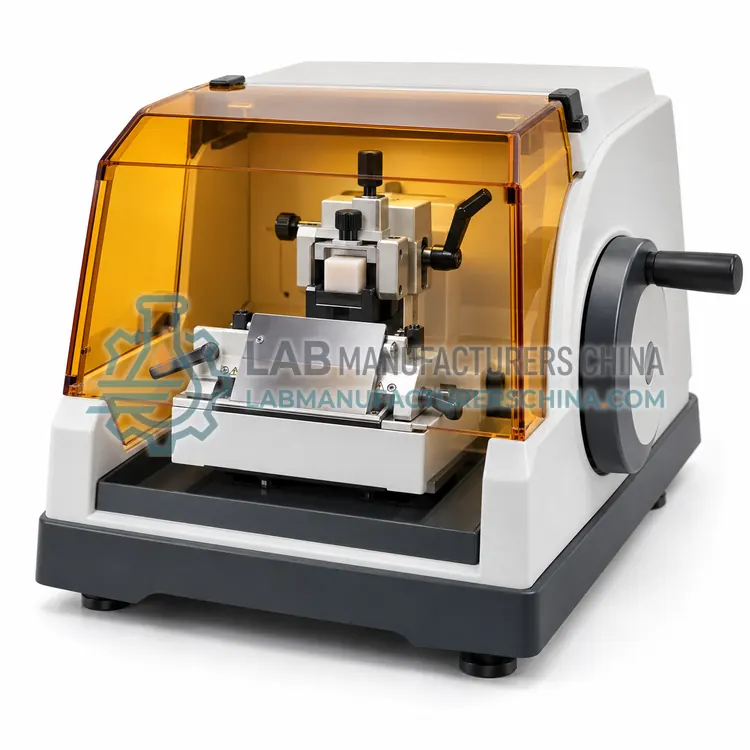 CHIE组织学设备Histology equipment covers the instruments used to embed, section, float, dry and stain tissue samples for microscopic examination. It serves hospital pathology laboratories, research histology facilities and contract research organizations that turn biopsy and necropsy specimens into stained slides for diagnosis and study.
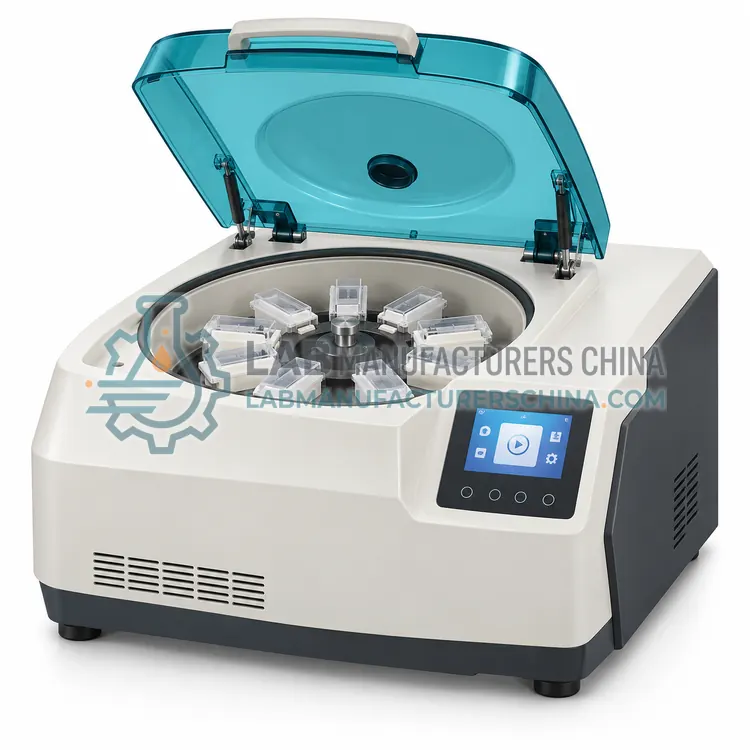 CCYE细胞学设备Cytology equipment covers the instruments that concentrate, prepare and stain individual cells for microscopic examination rather than intact tissue. It serves hospital cytology laboratories, cervical screening programmes and research facilities that examine exfoliated cells, body fluids and fine-needle aspirates.
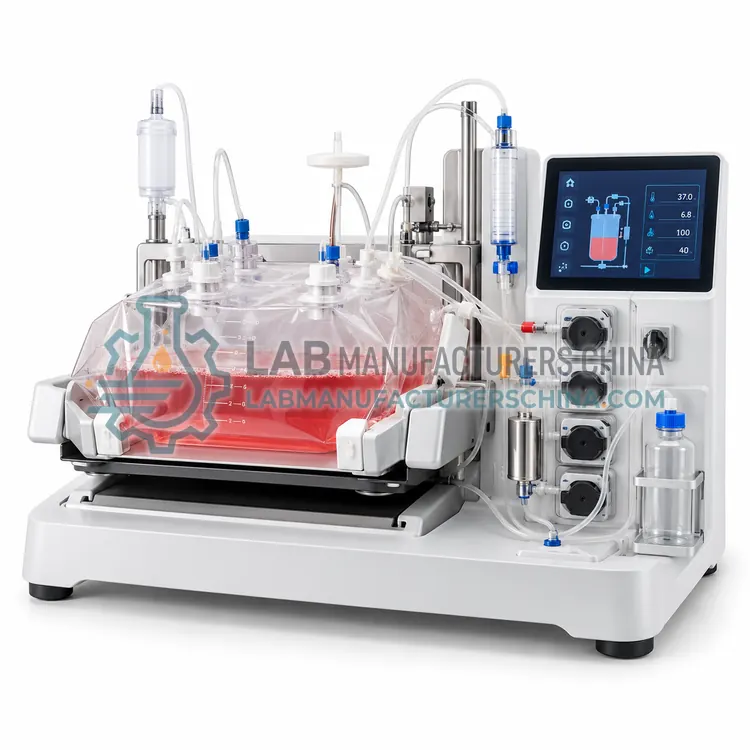 CCLE临床实验室设备Clinical laboratory equipment covers the instruments that test patient specimens such as blood, urine and body fluids to support diagnosis and monitoring. It includes clinical analyzers, sample processing devices, centrifuges, microscopes and laboratory automation used in hospital, reference and clinic laboratories.
 CDLE诊断实验室设备Diagnostic laboratory equipment covers instruments used to detect disease markers, pathogens and genetic targets in patient specimens. It includes diagnostic analyzers, immunodiagnostic and molecular diagnostic systems, point-of-care devices and sample preparation equipment used in hospitals, reference laboratories, clinics and public health settings.