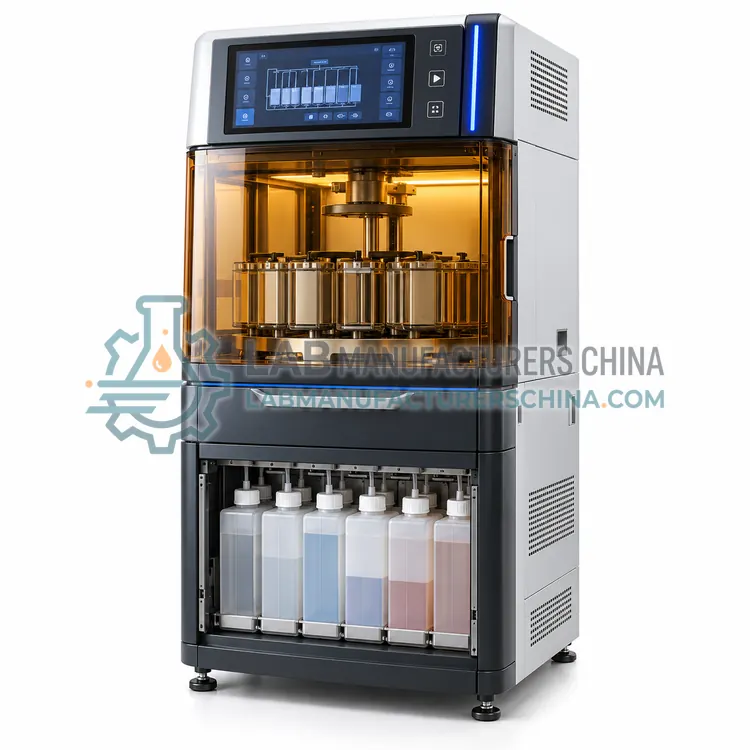
How do Tissue Processors work?
A tissue processor moves cassettes through a programmed sequence of reagents: formalin fixative, graded ethanol to remove water, a clearing agent such as xylene or an isoparaffin substitute to remove alcohol, and molten paraffin that infiltrates the tissue. In carousel models the basket is raised and lowered into open stations. In enclosed models, a retort is filled and drained by pump or pressure from sealed reagent bottles. Vacuum and pressure cycles accelerate penetration by drawing air out of the tissue, while heating and agitation improve diffusion. Sensors monitor level, temperature and reagent use, and a fume-control system with a carbon filter captures solvent vapors. Programs are typically 4 to 14 hours, and rapid protocols can be under 2 hours for small biopsies.
Which Tissue Processors variants are available?
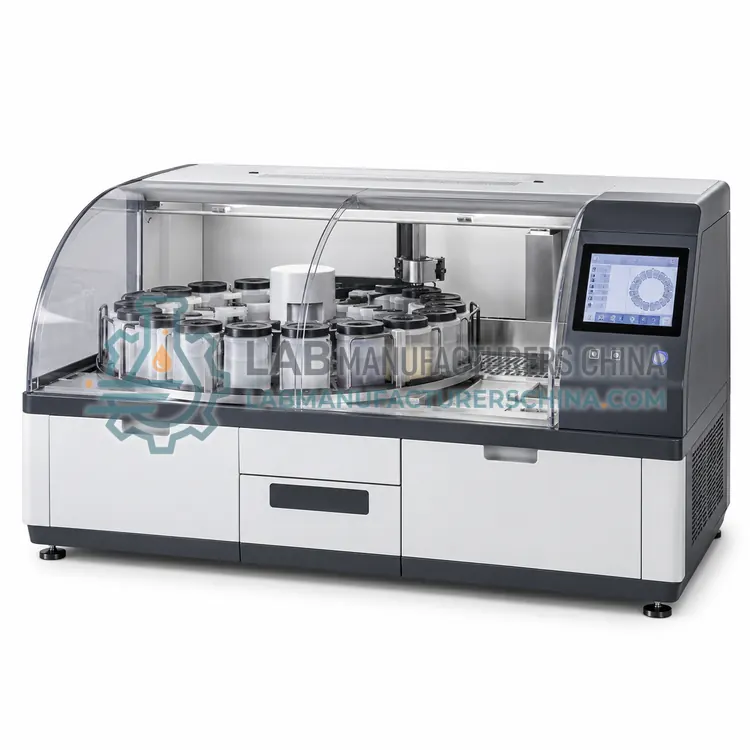
- Carousel Tissue Processor — A carousel tissue processor lowers a basket of cassettes into a ring of open reagent stations and paraffin baths in sequence.
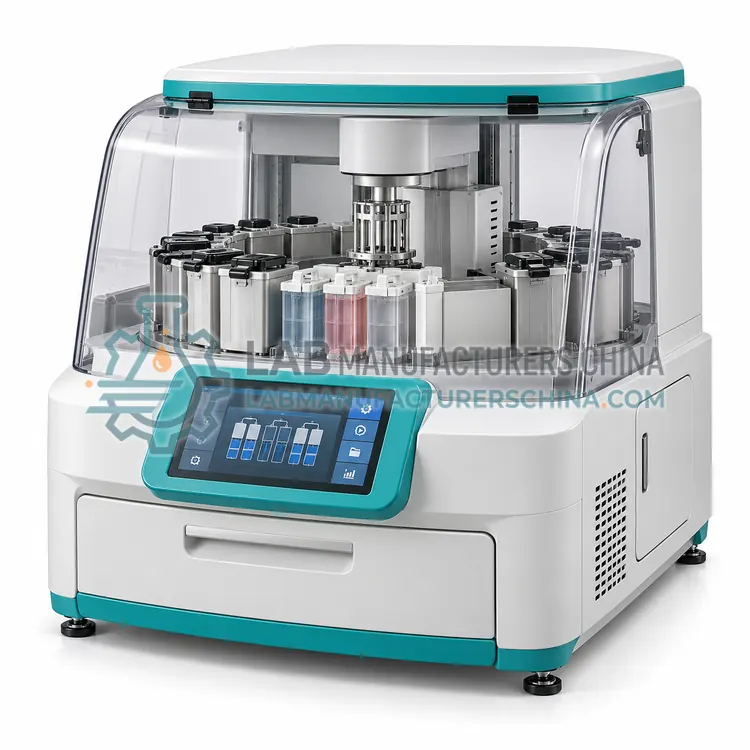
- Enclosed Vacuum Tissue Processor — An enclosed vacuum tissue processor moves reagents between sealed bottles and a single retort, applying vacuum and pressure cycles with fume containment.
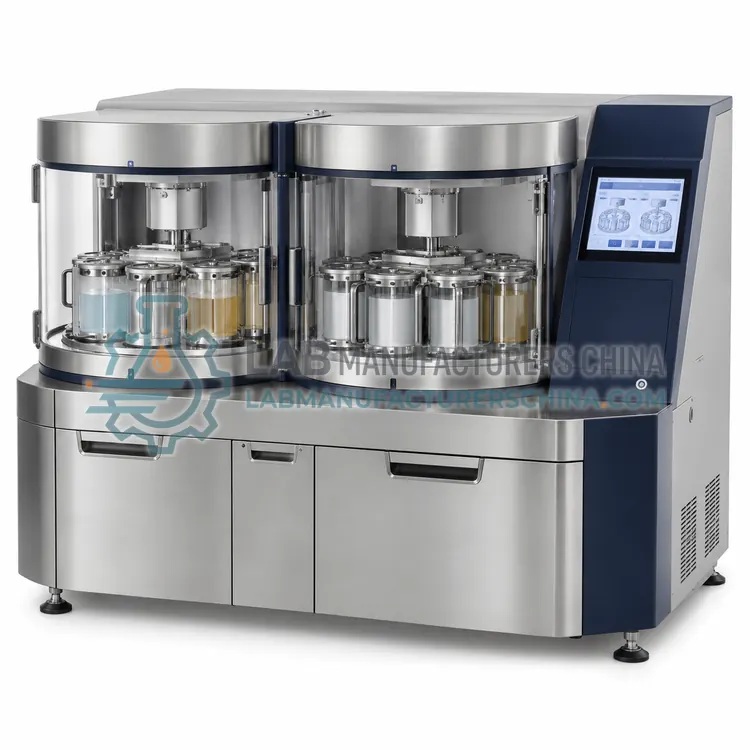
- Dual-Retort Tissue Processor — A dual-retort tissue processor has two independent retorts that share reagent bottles, letting two batches run on different programs or staggered start times.
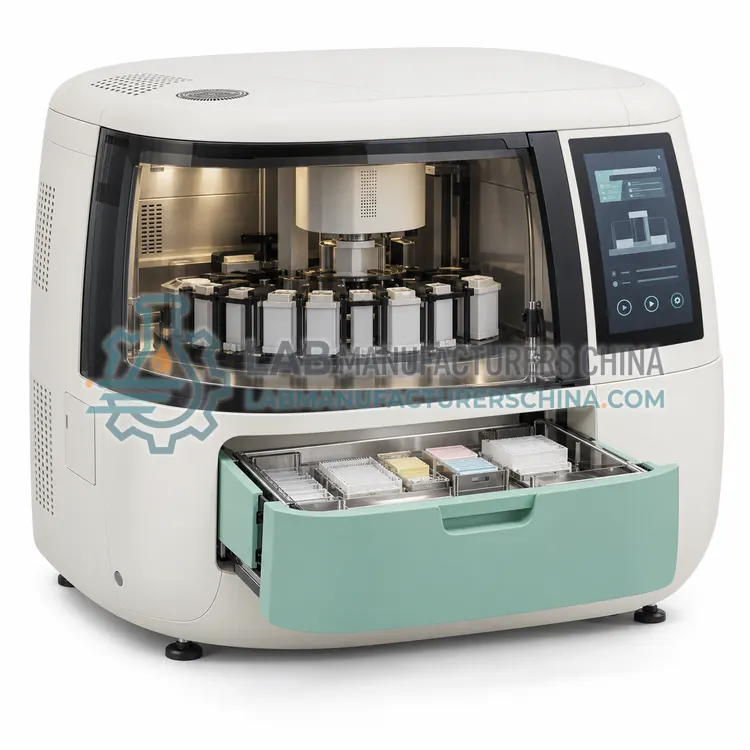
- Microwave-Assisted Rapid Tissue Processor — A microwave-assisted rapid tissue processor uses controlled microwave energy with vacuum and agitation to shorten infiltration from hours to about one to two hours.
- Xylene-Free Tissue Processor — A xylene-free tissue processor is configured for isoparaffin or other non-xylene clearing agents, using higher-temperature paraffin and compatible seals.
How do I choose the right variant?
Choose first by daily cassette volume and specimen mix. Low volumes and teaching labs suit carousel models, while busy services favor enclosed retorts that protect staff from fumes and allow vacuum. If biopsies must be reported the same day, pick a model with rapid or microwave-assisted programs. Dual-retort systems let you run two independent batches for flexible start times. Look at reagent management, such as reagent-use counters and cleaning cycles, and check the solvent you plan to use, since xylene-free protocols need compatible seals and tubing. Verify capacity per basket, program storage, connectivity to LIS, and ventilation or fume filter requirements. Ask about validation data for your tissue types.
Where are Tissue Processors used?
Tissue Processors are specified in surgical pathology, biopsy processing, research histology, veterinary pathology and teaching laboratories.
Which standards and certifications apply?
Work with Tissue Processors is commonly governed by IEC 61010-1, IEC 61010-2-101, IEC 61326-1, ISO 15189, CLSI QMS 02 and ISO 13485. Instrument certifications such as CE marking are confirmed per configuration and never assumed.
What are the key considerations before purchase?
Place the processor in a ventilated room with a dedicated circuit, and connect a carbon filter or exhaust duct, since xylene and formalin are hazardous. Follow the maker's schedule for reagent replacement, based on cassette count rather than time alone, and keep a record of changes. Run cleaning programs with the correct solvent and change the paraffin bath filter routinely. Use level sensor and temperature checks as part of monthly maintenance, and verify wax temperature with a calibrated thermometer. Validate each protocol with representative tissue, checking for under-processing or brittleness. Provide spill kits and staff training, and follow local rules for solvent and formalin waste.