
Immunoassay Analyzers
免疫分析仪
CIMA · Clinical & Diagnostic · 4 product types · 20 models
By Lab Manufacturers China Technical TeamLast reviewed
What are Immunoassay Analyzers?
Immunoassay analyzers detect antigens, antibodies and haptens in patient samples using specific antibody binding, with labels that produce color, fluorescence, luminescence or scattered light. They serve hospital and reference laboratories for infectious disease, hormone, cardiac, tumour and therapeutic drug testing.
4 product types in Immunoassay Analyzers
The 4 product types below are grouped by the exact instrument you need.
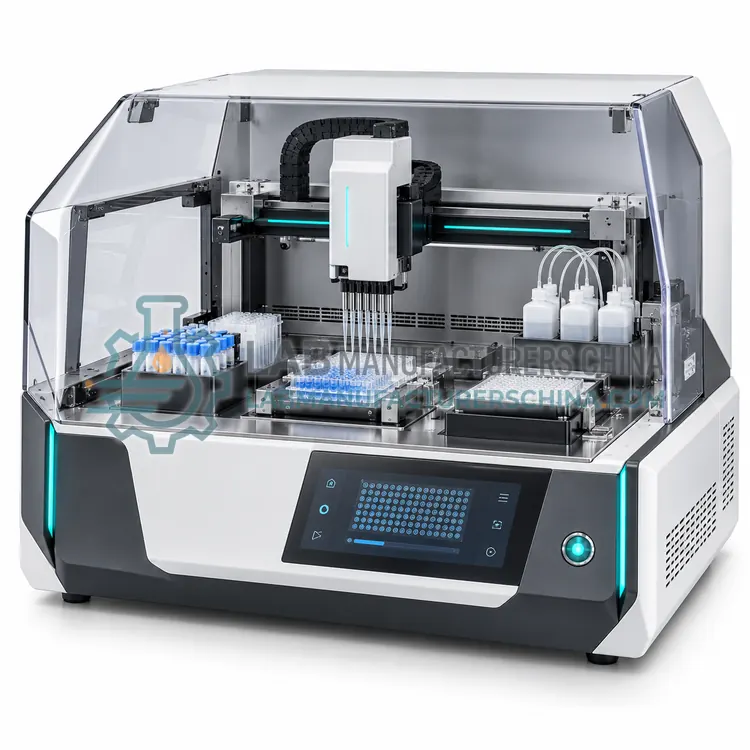
- ELS5 models
ELISA Systems
ELISA 系统
ELISA systems detect and quantify antigens or antibodies using an enzyme label and a chromogenic substrate read by absorbance on a microplate. They include readers, washers and automated processors, and are used for infectious disease serology, allergy, autoimmune and research testing.
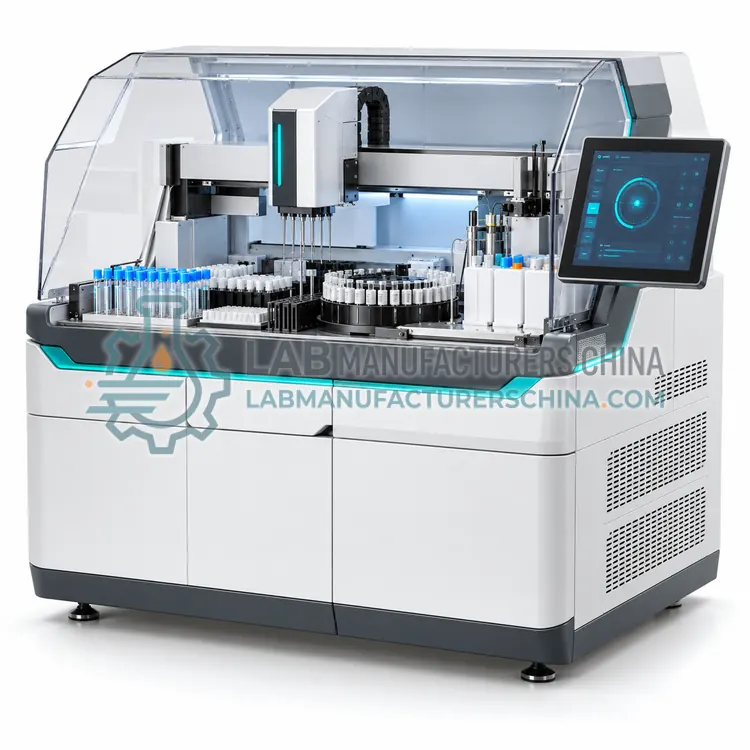
- CLI5 models
CLIA Analyzers
化学发光免疫分析仪
CLIA analyzers quantify antigens, antibodies and haptens using a chemiluminescent label whose light emission is measured by a photodetector after a magnetic or plate-based separation step. They serve hospital and reference laboratories for hormone, cardiac, tumour and infectious disease testing.
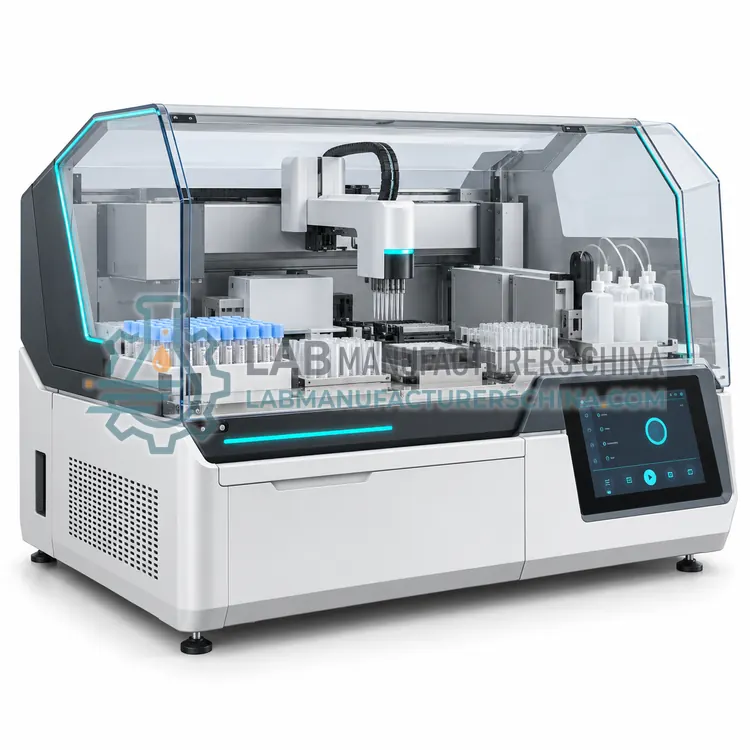
- FLI5 models
Fluorescence Immunoassay
荧光免疫分析仪
Fluorescence immunoassay analyzers quantify antigens and antibodies using a fluorescent label that is excited at one wavelength and read at a longer emission wavelength. They include strip and cartridge readers, time-resolved and polarization platforms, and serve clinics, emergency departments and hospital laboratories.
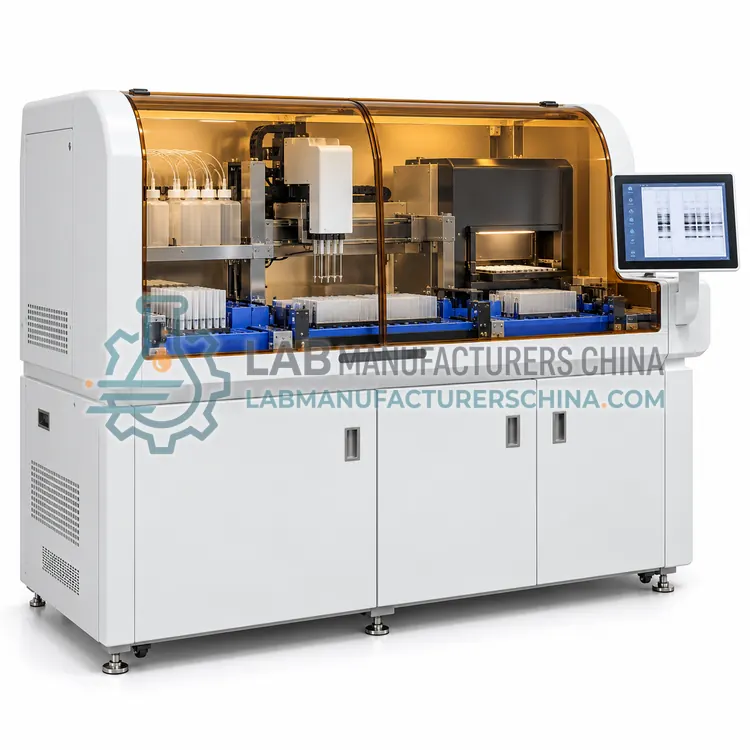
- IMU5 models
Immunoblot Systems
免疫印迹系统
Immunoblot systems detect antibodies or antigens on proteins that have been separated by electrophoresis or applied as lines on a membrane, and are used mainly as confirmatory assays after a reactive screening test. They combine strip processing, incubation, washing, imaging and densitometric reading.
What are Immunoassay Analyzers?
Immunoassay analyzers are instruments that quantify analytes through the binding reaction between an antibody and its target. Depending on the label and detection method, they are grouped into enzyme immunoassay systems such as ELISA, chemiluminescence immunoassay analyzers, fluorescence immunoassay analyzers, and immunoblot systems used mainly for confirmation and profile testing. The analytes include hormones such as TSH, FT4 and hCG, cardiac markers such as troponin and NT-proBNP, infectious disease antigens and antibodies, tumour markers, inflammation proteins, allergy panels, and therapeutic drugs. Platforms range from microplate readers and washers for manual or semi-automated enzyme immunoassay, through random-access chemiluminescence analyzers, to cartridge or strip based systems for smaller laboratories. Laboratories choose according to assay menu, sensitivity and precision requirements, throughput, sample volume, reagent format and the regulatory clearance needed for the intended tests.
How do Immunoassay Analyzers work?
All immunoassays depend on the specific binding of an antibody to its analyte. In a sandwich assay the analyte is captured between two antibodies, one immobilised on a solid phase and one carrying a label, so the signal is proportional to analyte concentration. Competitive assays are used for small molecules such as therapeutic drugs, where labelled and unlabelled analyte compete for a limited number of binding sites. Enzyme immunoassay uses a substrate that changes colour, chemiluminescence uses a chemical reaction that emits light, fluorescence uses a fluorophore excited at one wavelength and read at another, and immunoblot separates proteins by electrophoresis or spotting before antibody incubation. Enzymatic amplification, magnetic particle separation, washing steps and strict temperature control reduce background and improve sensitivity. Software fits the calibration curve, usually a four-parameter logistic model, and reports concentration with quality control results.
Where are Immunoassay Analyzers used?
Immunoassay analyzers support a large share of diagnostic testing. Infectious disease serology covers hepatitis, HIV, syphilis and other markers, while antigen tests detect pathogens directly. Hormone assays are used for thyroid, fertility and reproductive endocrinology assessment. Cardiac marker panels support rapid assessment of chest pain in emergency departments. Tumour markers are used for monitoring rather than screening. Allergy panels measure specific IgE, autoimmune testing detects autoantibodies, and therapeutic drug monitoring measures concentrations of drugs with narrow therapeutic windows. Immunoblot systems are used as confirmatory tests after screening, including line immunoassays and Western blot formats. Veterinary and food safety laboratories also use immunoassays, and results are reported through the laboratory information system.
Which standards apply to Immunoassay Analyzers?
Immunoassay testing in medical laboratories operates under ISO 15189, with method verification and precision studies following CLSI EP05, EP15 and EP17 for limits of detection and quantitation. Standard methods for immunoassays are published by CLSI, the World Health Organization and national pharmacopoeias, and many assays are traceable to international reference preparations such as WHO standards. Electrical safety follows IEC 61010-1 and IEC 61010-2-101. In vitro diagnostic devices are regulated by the IVD Regulation in the European Union, NMPA in China and the FDA in the United States; infectious disease and blood screening assays typically require the highest level of regulatory review, so the registration status of each assay matters as much as the instrument.
How do I select the right immunoassay analyzers equipment?
Start from the assay menu and the sensitivity each test requires, because the platform must be cleared for the specific analytes you intend to report. Determine throughput from daily and peak-hour test numbers and add headroom for repeat testing and quality control. Consider sample volume needs, especially for pediatric and neonatal testing. Compare reagent formats: microplate enzyme immunoassay offers low cost per test but more manual steps, while random-access chemiluminescence gives walkaway operation, shorter turnaround and better traceability at higher reagent cost. Check calibration stability and curve frequency, onboard reagent capacity and refrigeration, first-result time, whether the analyzer supports STAT samples, and the availability of calibrators, controls and consumables. Confirm LIS connectivity, service response, training and registration documents for your market before purchase.
Immunoassay Analyzers comparison
| Subcategory | Principle | Typical use | Key spec |
|---|---|---|---|
| ELISA Systems | Enzyme label with chromogenic substrate read by microplate absorbance | Screening, serology and batch immunoassay at low cost per test | Plate format and reader wavelength range |
| CLIA Analyzers | Chemiluminescent label measured by photodetector after magnetic separation | Random-access hormone, cardiac and infectious disease testing | Throughput and first-result time |
| Fluorescence Immunoassay | Fluorophore or time-resolved fluorescence label read at a defined emission wavelength | Rapid quantitative testing on strips, cartridges and microplates | Sensitivity and assay menu |
| Immunoblot Systems | Antibody detection on membrane-bound separated proteins with optical reading | Confirmatory and profile testing such as line immunoassay | Strip or blot throughput and reading method |
Frequently asked questions about Immunoassay Analyzers
ELISA uses an enzyme label and a chromogenic substrate read by absorbance on a microplate, which is economical but requires more manual or semi-automated steps. Chemiluminescence uses a light-emitting label read by a photodetector, which gives wider dynamic range, higher sensitivity and easier automation on random-access analyzers.
A small laboratory usually starts with a microplate reader and washer for enzyme immunoassay, or a compact cartridge-based immunoassay analyzer with a limited menu. These have lower capital cost and tolerate intermittent workload. Confirm that the assays you need are registered for your market and that calibrators and controls are available locally.
Calibration frequency is defined by the reagent manufacturer and your laboratory procedure, typically every two to four weeks or at each new reagent lot for many assays, with a full curve sometimes required after major maintenance. Two or three levels of quality control are run each day to verify that the stored curve remains valid.
Common causes include heterophile antibodies, cross-reactivity, the hook effect at very high analyte concentrations, carryover between samples, incomplete washing, and temperature variation during incubation. Good laboratory practice uses dilutions for suspected high results, interference checks, and reagent and sample barcode identification to reduce these errors.
Many assays are standardised against WHO international standards or other reference preparations so that results are comparable between platforms and laboratories. Traceability should be documented in the instructions for use. Even when traceable, method differences mean that results should ideally be monitored with the same platform over time.
Immunoblot systems detect antibodies or antigens after proteins have been separated or spotted onto a membrane, and are mainly used as confirmatory tests following a reactive screening assay. Line immunoassays and Western blot formats are used for conditions such as HIV, hepatitis and autoimmune disease, with results read by densitometry or imaging.
Related categories
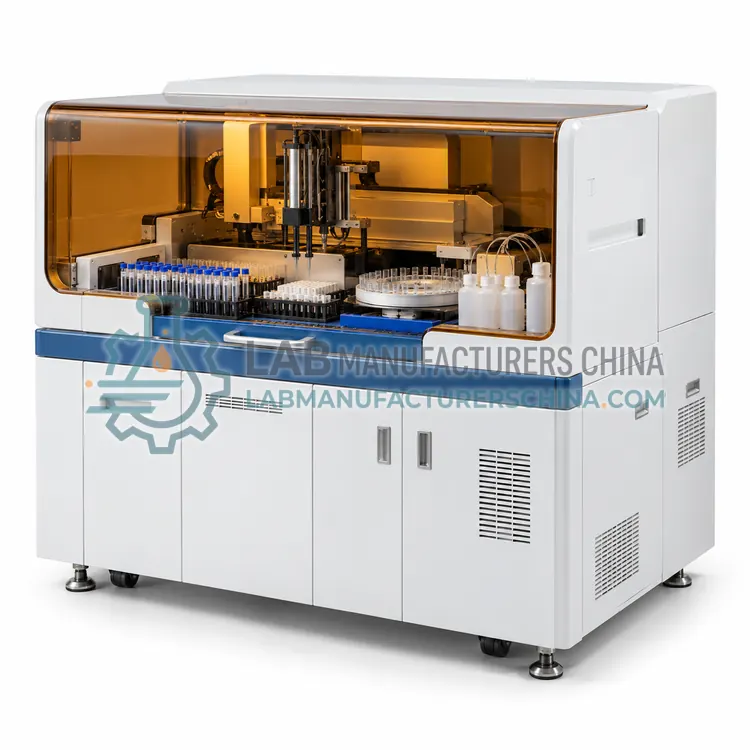 CCOA凝血分析仪Coagulation analyzers measure blood clotting function using clot detection, chromogenic or immunoturbidimetric methods. They report PT, APTT, fibrinogen, D-dimer and antithrombin, and support anticoagulation monitoring, bleeding disorder investigation and pre-surgical assessment in hospital laboratories and clinics.
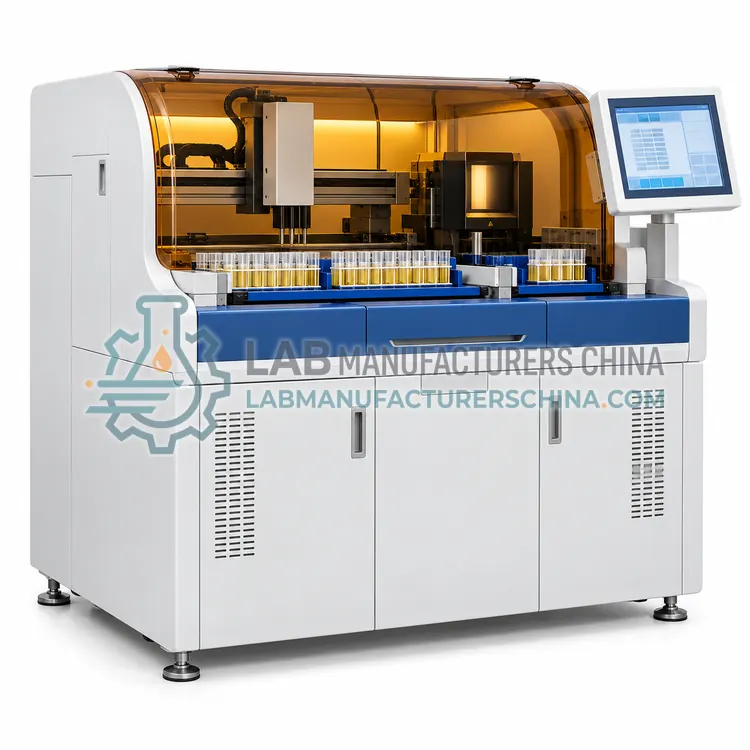 CURA尿液分析仪Urinalysis analyzers measure chemical and microscopic properties of urine to screen for renal, urinary tract and metabolic disease. They read reagent strips photometrically or classify particles by flow cytometry or imaging, and are used in hospital laboratories, clinics and screening programmes.
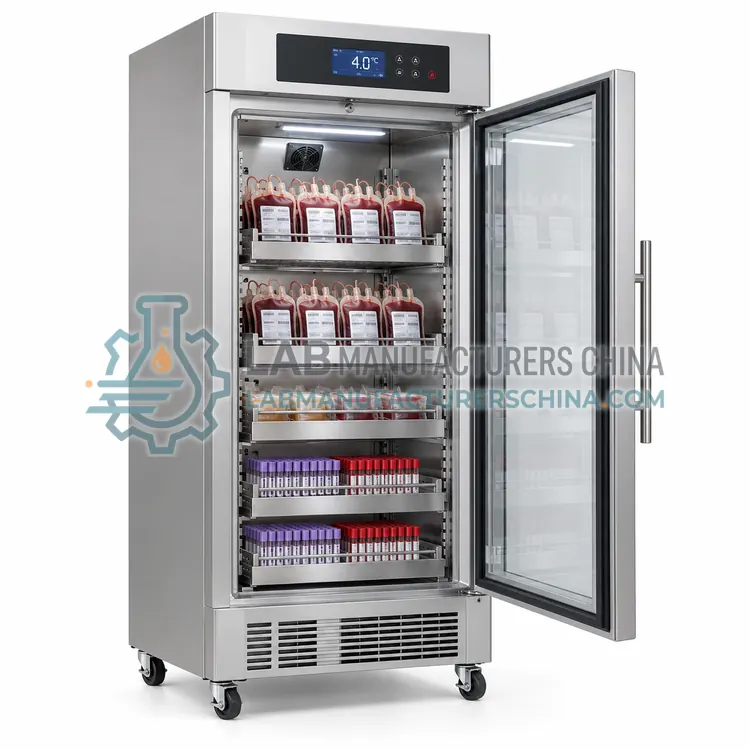 CBBE血库设备Blood bank equipment covers the refrigerators, plasma freezers, collection monitors, tube sealers and plasma thawers used to collect, process, store and issue blood components. It supports blood centers, hospital transfusion services and plasma facilities that must hold defined temperatures and keep traceable records.
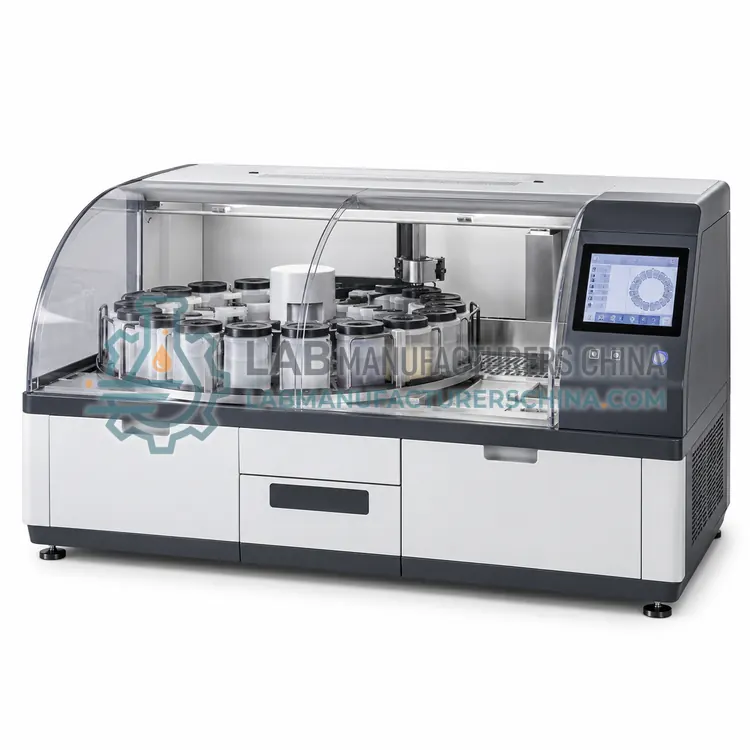 CPEQ病理设备Pathology equipment covers the instruments that turn surgical and biopsy specimens into stained, diagnosable slides. It includes grossing stations, tissue processors, embedding stations, microtomes and slide stainers, used in hospital pathology departments, reference laboratories, veterinary and research histology services.