
Cytology Equipment
细胞学设备
CCYE · Clinical & Diagnostic · 4 product types · 20 models
By Lab Manufacturers China Technical TeamLast reviewed
What are Cytology Equipment?
Cytology equipment covers the instruments that concentrate, prepare and stain individual cells for microscopic examination rather than intact tissue. It serves hospital cytology laboratories, cervical screening programmes and research facilities that examine exfoliated cells, body fluids and fine-needle aspirates.
4 product types in Cytology Equipment
The 4 product types below are grouped by the exact instrument you need.
- CYT5 models
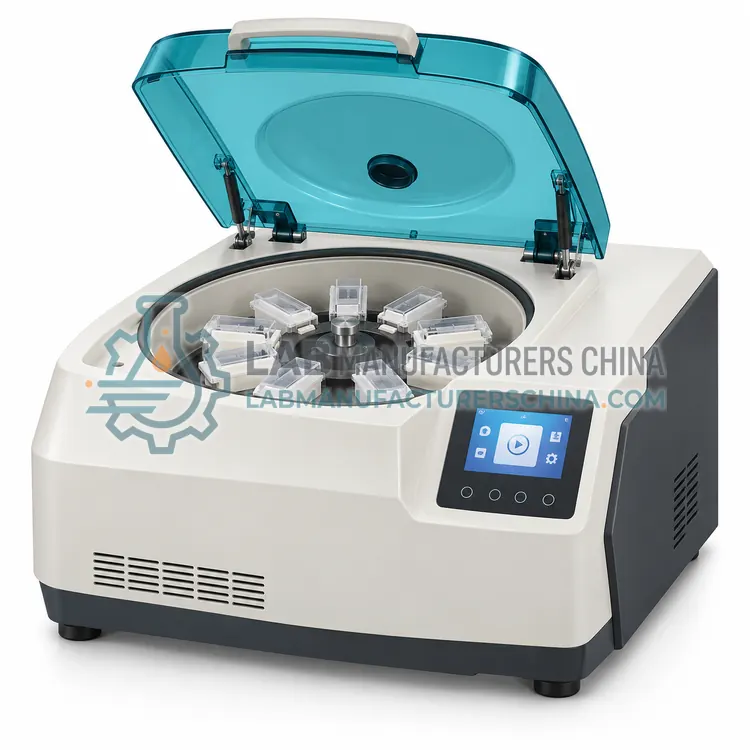
Cytocentrifuges
离心甩片机
Cytocentrifuges spin cells from a fluid sample onto a small defined area of a glass slide, concentrating them while discarding excess fluid. Haematology, cytology and body-fluid laboratories use them to prepare cellular monolayers from CSF, urine and serous fluids.
- CYP5 models
Cytology Processors
细胞学处理机
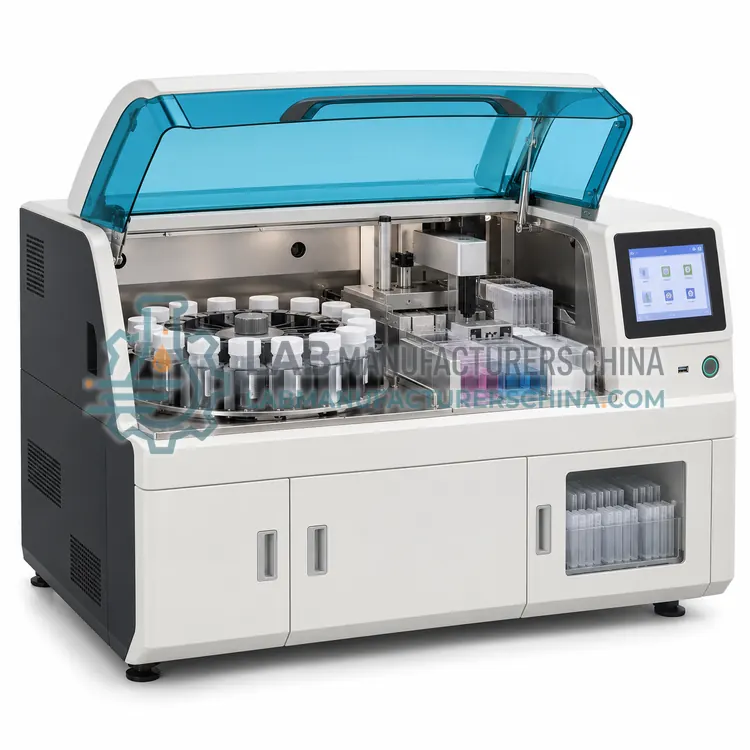
Cytology processors prepare cell samples from liquid suspension into a form suitable for microscopy, usually by removing debris and depositing a representative cell population on a slide. Cytology screening and diagnostic laboratories use them to obtain uniform monolayers from cervical, urine and body-fluid samples.
- SPS5 models
Slide Preparation Systems
制片系统
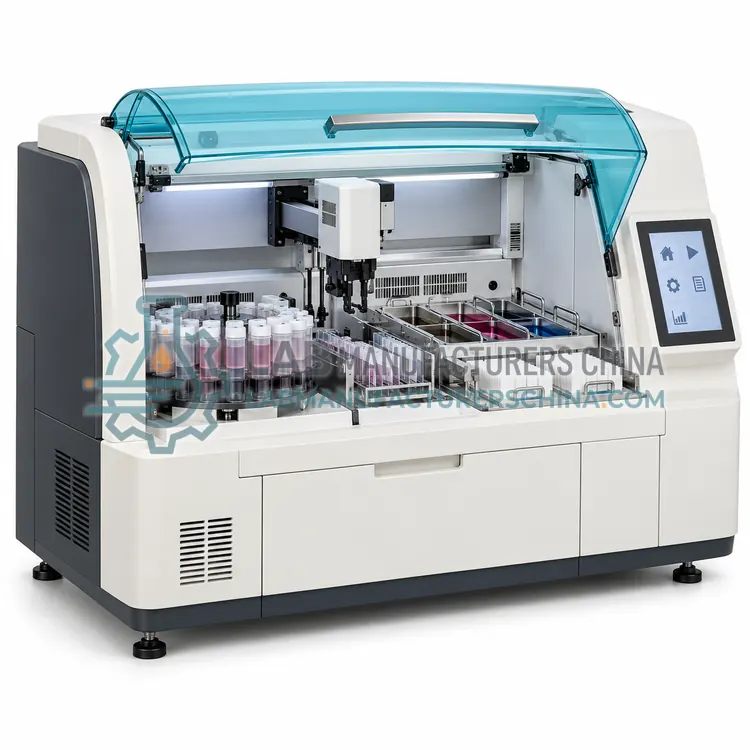
Slide preparation systems automate the sequence of steps that turn a liquid cell sample into a stained, coverslipped glass slide ready for microscopy. Cytology and pathology laboratories use them to standardise monolayers, reduce manual handling and link preparation with staining and coverslipping.
- CST5 models
Cytology Stainers
细胞学染色机
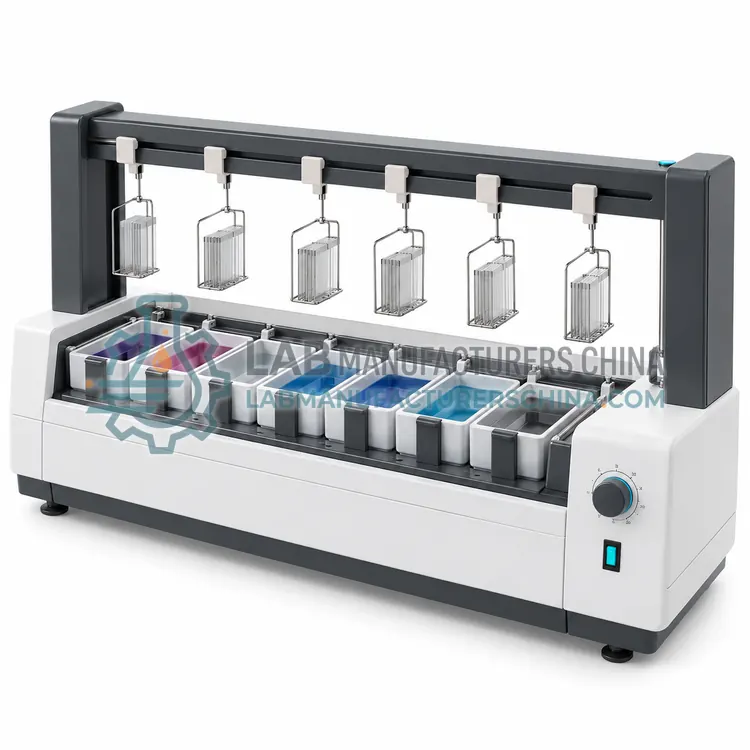
Cytology stainers apply Papanicolaou, Giemsa or other differential stains to cell preparations so nuclear and cytoplasmic detail can be assessed. Cytology screening and diagnostic laboratories use them to obtain reproducible colour and contrast across large numbers of monolayer slides.
What are Cytology Equipment?
Cytology equipment is the group of instruments that turn a cell suspension into a clean, evenly distributed monolayer or smear on a glass slide. Cytocentrifuges spin cells out of fluids onto a small spot; cytology processors prepare liquid-based or filter-based samples; slide preparation systems automate the steps that follow; and cytology stainers apply Papanicolaou, Giemsa or similar stains. The goal is to preserve cell morphology, keep diagnostically relevant cells, and reduce blood, mucus and debris that obscure interpretation. Because screening decisions depend on cell detail, repeatability of cell concentration, spot size and staining quality matters more than raw speed, and laboratories document these parameters for accreditation.
How do Cytology Equipment work?
Cytocentrifuges use centrifugal force to deposit cells onto a slide held in a sample chamber, with absorbent card or filter paper drawing off fluid so cells settle in a defined circle of 6 to 13 mm. Spin speed and time, usually 500 to 1500 rpm for 3 to 10 minutes, control cell density. Liquid-based processors disperse the sample in a preservative fluid, then use density gradients, filters or membranes to remove debris and transfer a representative cell population to a slide. Filter-based systems trap cells on a membrane of defined pore size. Stainers then move slides through timed alcohol, dye and clearing stations, and may include a coverslipper. Uniform cell monolayers, controlled spot size and stable reagent timing are the key performance factors.
Where are Cytology Equipment used?
Cytology equipment is used in cervical cancer screening, where liquid-based preparation and Papanicolaou staining dominate high-volume programmes, and in diagnostic cytology of urine, sputum, pleural and peritoneal fluids, cerebrospinal fluid and fine-needle aspirates. Cytocentrifuges are common in haematology and body-fluid laboratories because they concentrate scant cells while discarding red cells. Anatomic pathology departments use cell block preparation to apply immunohistochemistry to cytology samples. Veterinary and research cytology, including cell culture and cytospin preparations, use the same platforms. In all settings the demand is a consistent monolayer with well-preserved nuclei.
Which standards apply to Cytology Equipment?
Cytology laboratory practice is generally covered by ISO 15189 for medical laboratories, with national cervical screening and cytopathology guidelines defining specimen adequacy and reporting. Instrument safety follows IEC 61010-1, IEC 61010-2-101 and IEC 61326-1 for EMC. Where instruments are regulated as in-vitro diagnostic devices, ISO 13485 applies to the manufacturer quality system, and CE marking or FDA listing may be required. Reagents and preservative fluids are regulated separately. Buyers should request installation qualification, operational qualification, staining quality control records and maintenance documentation, and treat any certification claim as pending confirmation for the specific model.
How do I select the right cytology equipment?
Selection starts with sample type and volume. For body fluids and low-cellularity samples, a cytocentrifuge gives the highest cell recovery on a small spot; for high-volume cervical screening, a liquid-based processor with automated staining is faster and more consistent. Compare cell recovery, spot or membrane area, carryover between samples, run capacity and the consumable chambers or filters. Check whether the platform is open to third-party reagents or locked to proprietary fluids, since this drives running cost. Confirm temperature, spin-time accuracy and biosafety containment, especially for infectious samples. Finally, verify training, service response and the qualification documents your accreditation body expects.
Cytology Equipment comparison
| Subcategory | Principle | Typical use | Key spec |
|---|---|---|---|
| Cytocentrifuges | Centrifugal deposition of cells onto a defined slide spot | Body fluids and low-cellularity samples | 500–1500 rpm; spot 6–13 mm |
| Cytology Processors | Density gradient, filtration or membrane cell concentration | Liquid-based and filter-based cytology preparation | Throughput 1–48 samples per run |
| Slide Preparation Systems | Automated transfer and spreading of cells onto slides | Standardised monolayer slide production | Spot area 6–20 mm; slides per hour |
| Cytology Stainers | Timed passage of slides through dye and rinse stations | Papanicolaou, Giemsa and special cytology stains | Throughput 20–300 slides per run |
Frequently asked questions about Cytology Equipment
A cytocentrifuge concentrates cells from a fluid sample onto a small, defined area of a glass slide. It is used for cerebrospinal fluid, urine, pleural and peritoneal fluids and other low-cellularity samples, and removes red cells and debris so the remaining cells can be examined.
In liquid-based cytology the sample is rinsed into a preservative fluid instead of being smeared directly. The processor then removes debris and deposits a representative, evenly spread cell population on the slide, which usually improves cell distribution and reduces obscuring material.
Cytology relies mainly on Papanicolaou and Giemsa-type stains, which highlight nuclear detail, cytoplasmic keratinisation and chromatin pattern in single cells. Histology typically uses haematoxylin and eosin on tissue sections, where overall architecture matters as much as individual cells.
Yes, if a cell block is prepared. Residual cells from the cytology sample are centrifuged, embedded in agar or paraffin and sectioned like tissue, so the same immunohistochemical and molecular tests can be applied to characterise the tumour.
Check slide throughput per run, reagent station count and volume, programming flexibility, carryover prevention, reagent stability and the cost of consumables. Also confirm that staining quality control and troubleshooting documentation are supplied for laboratory accreditation.
Related categories
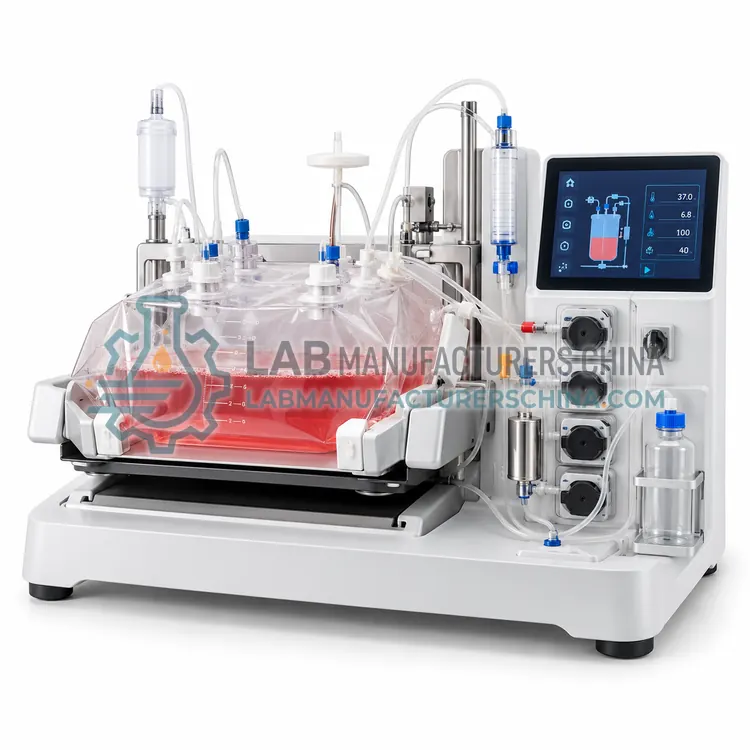 CCLE临床实验室设备Clinical laboratory equipment covers the instruments that test patient specimens such as blood, urine and body fluids to support diagnosis and monitoring. It includes clinical analyzers, sample processing devices, centrifuges, microscopes and laboratory automation used in hospital, reference and clinic laboratories.
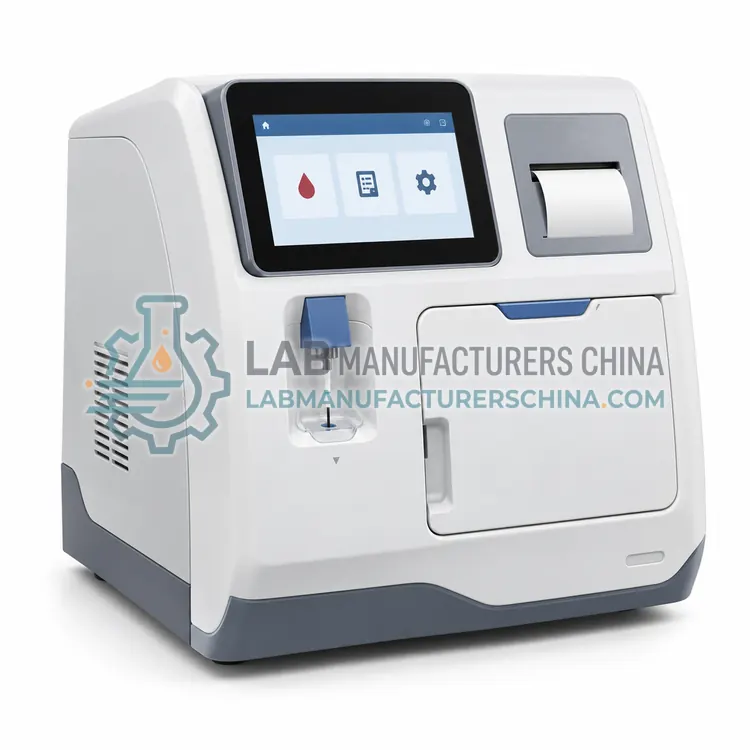 CDLE诊断实验室设备Diagnostic laboratory equipment covers instruments used to detect disease markers, pathogens and genetic targets in patient specimens. It includes diagnostic analyzers, immunodiagnostic and molecular diagnostic systems, point-of-care devices and sample preparation equipment used in hospitals, reference laboratories, clinics and public health settings.
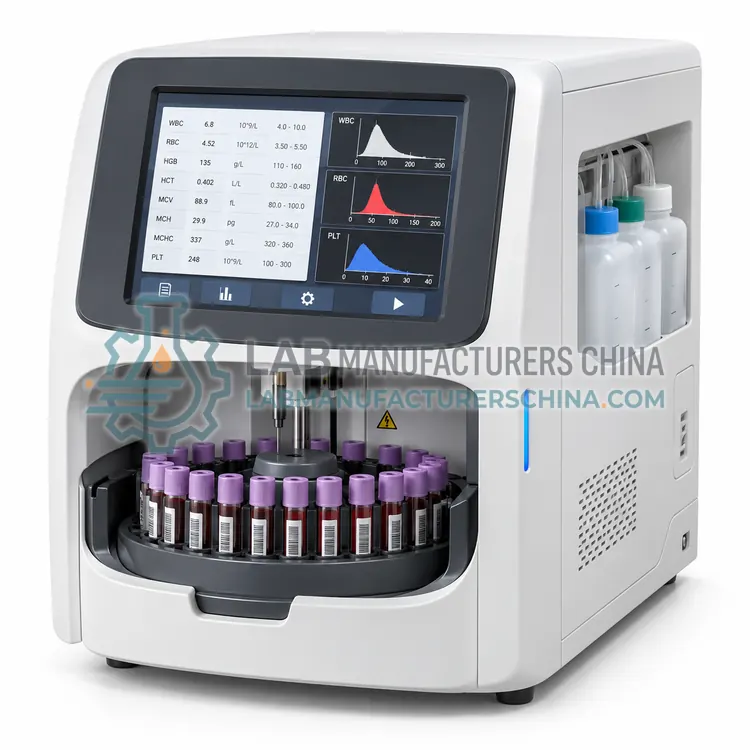 CHEA血液分析仪Hematology analyzers are instruments that count and characterize blood cells in whole blood or body fluids. They measure red cells, white cells, platelets and hemoglobin by impedance, light scatter or fluorescence, and are used by hospital laboratories, clinics and blood centers for complete blood counts and cell differentials.
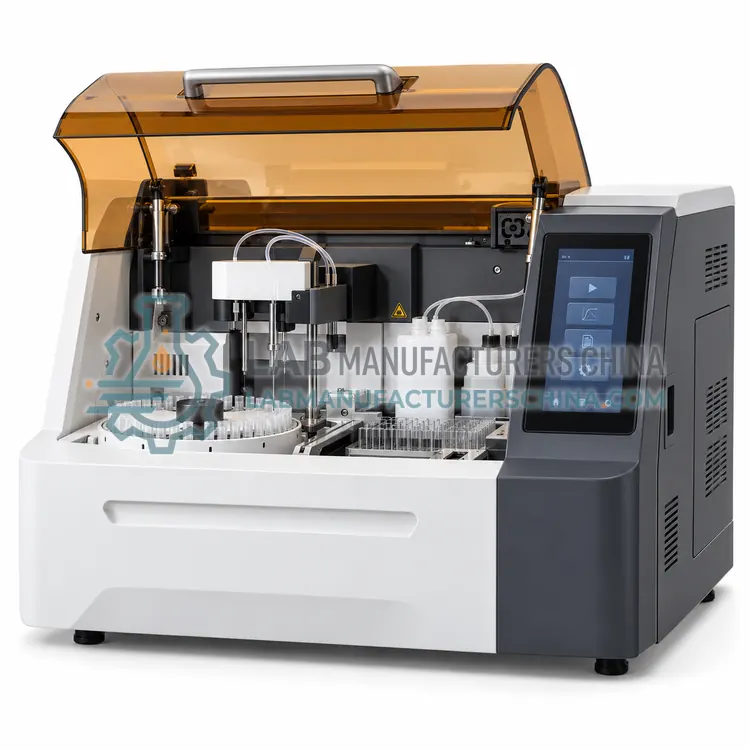 CCCA临床生化分析仪Clinical chemistry analyzers measure metabolites, enzymes, electrolytes and proteins in serum, plasma, urine and other body fluids. They use photometry, ion-selective electrodes and turbidimetry, and serve hospital laboratories, clinics and reference laboratories running biochemical panels and therapeutic drug monitoring.