
Academia & Research Laboratory Solutions
高校与科研
By Lab Manufacturers China Technical TeamLast reviewed
What laboratory equipment does Academia & Research need?
University and research laboratories need flexible equipment that supports many techniques and changing projects. Typical purchases include spectrometers, chromatography and mass spectrometry systems, microscopes, PCR and electrophoresis equipment, centrifuges, incubators, balances and fume hoods, selected for configurability, open software and service support rather than a single fixed method.
How do research laboratories buy equipment differently?
Research laboratories rarely run the same method for years. They value configurability, open access to raw data and the ability to add modules, such as additional detectors, rotors or objectives, as projects change. Equipment is often shared across groups, so ease of training and robustness matter.
Budgets are frequently tied to grant cycles and institutional tenders, which makes clear documentation, delivery planning and warranty terms important alongside technical specifications.
Buying from an overseas manufacturer is common in research, and it raises practical questions about import duties, voltage and plug standards, local technical support and spare part delivery. Raise these early in the enquiry so the quotation can address them.
Which analytical and imaging instruments are common?
Shared core facilities and departments commonly hold:
- UV-Vis, fluorescence and infrared spectrometers
- HPLC, GC and LC-MS or GC-MS systems
- Atomic absorption and ICP spectrometers
- Thermal analyzers such as DSC and TGA
- X-ray diffractometers and particle size analyzers
- Optical, fluorescence and inverted microscopes
Departments with fewer users often start with benchtop or entry configurations and upgrade components later.
Where possible, arrange a demonstration or sample test before purchase. Sending representative samples for a trial measurement shows whether the instrument meets your detection limit and resolution needs in practice.
Life science and cell biology laboratories
Biology groups rely on PCR thermal cyclers and real-time PCR systems, electrophoresis and imaging, microplate readers, CO2 incubators, inverted microscopes, flow cytometers and biosafety cabinets. Fermenters and bioreactors support microbial and cell culture work from benchtop to pilot scale.
Shared infrastructure such as ultra-low freezers, purified water and autoclaves affects the whole facility. Consider biosafety level requirements early, since they determine cabinet class and containment features.
Chemistry, materials and engineering laboratories
Chemistry and materials groups need sample preparation and conditioning equipment such as furnaces, ovens, vacuum pumps, stirrers, homogenizers and centrifuges, plus characterization tools including thermal analysis, surface analysis and electrochemistry instruments. Fume hoods and laboratory furniture with chemically resistant surfaces are essential.
Specify working temperature, atmosphere control, sample size and ramp rates carefully, because these determine whether equipment can support future projects without replacement.
Service, training and warranty
Because research instruments are used by many people with varying experience, installation support, operator training and accessible spare parts have a direct effect on uptime. Ask about remote support, consumable supply, software updates and warranty terms.
For an RFQ, state:
- The research techniques and sample types
- Expected number of users
- Required add-on modules or accessories
- Available utilities and room constraints
- Delivery site and tender requirements
Warranty length and support scope are confirmed in the quotation.
Shared facilities, safety and compliance
Core facilities pool expensive instruments so that many groups can use them. They need booking and usage tracking, trained operators, preventive maintenance contracts and clear charging rules. Choose equipment with software that supports multiple user accounts and protected data folders.
Safety governance is part of every research laboratory. Chemical storage cabinets, eyewash stations, safety showers, fume hoods and biosafety cabinets should be selected according to your institution's risk assessment. Biological work follows biosafety level requirements, and radiation, laser and cryogenic hazards each have their own rules.
Ethics and data management are increasingly part of procurement. Funders may ask for data retention, open file formats and traceable sample records. Ask suppliers which raw data formats each instrument writes and whether exports are possible in vendor-neutral form. These choices affect reproducibility and future reuse of the data.
Installation planning and budgeting
Before ordering, confirm that the room can take the instrument: floor loading, doorway and lift dimensions, electrical supply and earthing, cooling water, exhaust, compressed or specialty gases, and ambient temperature and vibration limits. Request site preparation documents early so building work can be completed before delivery.
Budget for the complete system rather than the instrument alone. Include accessories, consumables for the first year, software licences, training, spare parts and any service agreement. A lower purchase price can be offset by higher running costs, so compare on the basis of total cost over the expected life of the equipment.
For grant-funded purchases, align quotation validity, delivery time and payment terms with your funding calendar. Quotations state these terms explicitly, and unusual conditions should be raised at the enquiry stage.
Equipment for Academia & Research
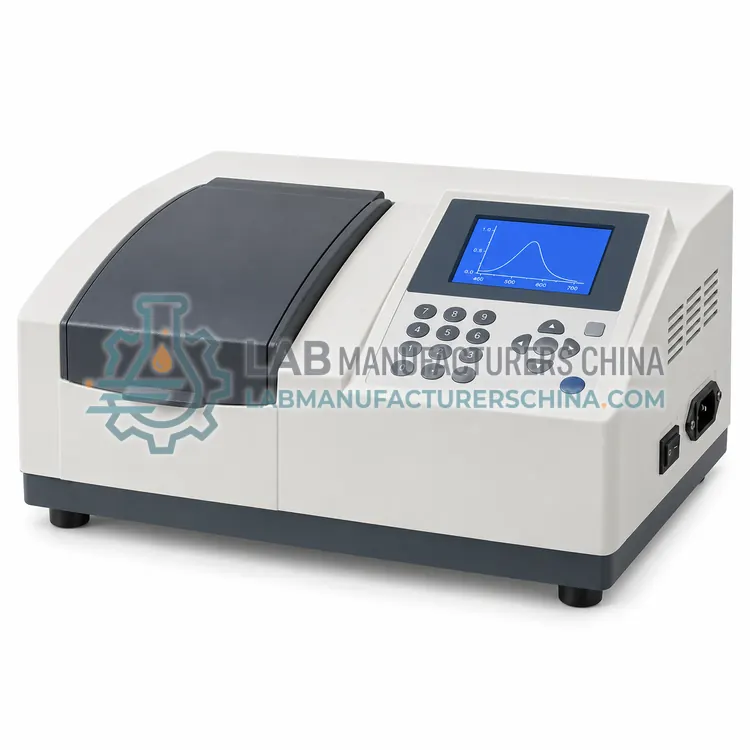 CANI6 product types分析仪器Analytical instruments measure the chemical, optical or physical properties of samples to identify substances and quantify their concentration. This category covers spectrophotometers, photometers, refractometers, polarimeters, turbidity meters and general analytical analyzers used in pharmaceutical, environmental, food, chemical and industrial quality-control laboratories.
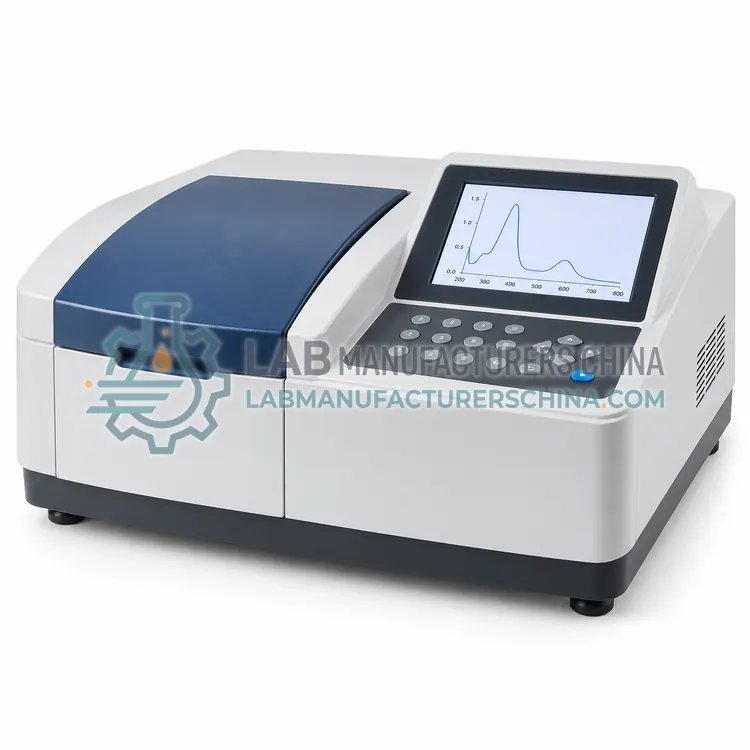 CSPI6 product types光谱仪器Spectroscopy instruments measure how matter absorbs, emits or scatters electromagnetic radiation to identify substances and quantify them. This category covers UV-Vis, FTIR, Raman, fluorescence, NIR and atomic spectroscopy systems used in pharmaceutical, chemical, environmental, food and materials laboratories.
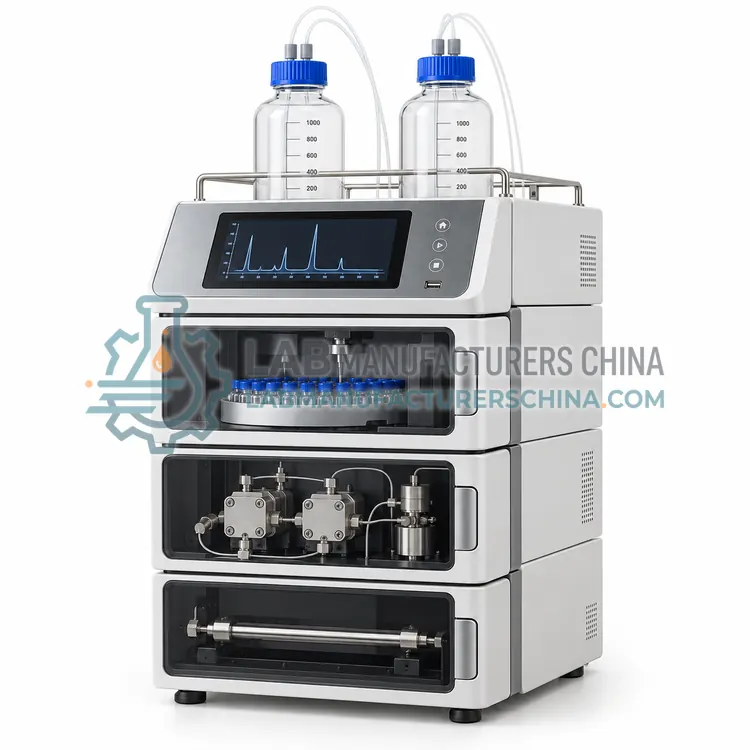 CCHI5 product types色谱仪器Chromatography instruments separate the components of a mixture between a mobile phase and a stationary phase, then detect and quantify each component. The category covers HPLC, UHPLC, gas chromatography, ion chromatography and flash chromatography systems used in QC, environmental, food, pharmaceutical and synthetic chemistry laboratories.
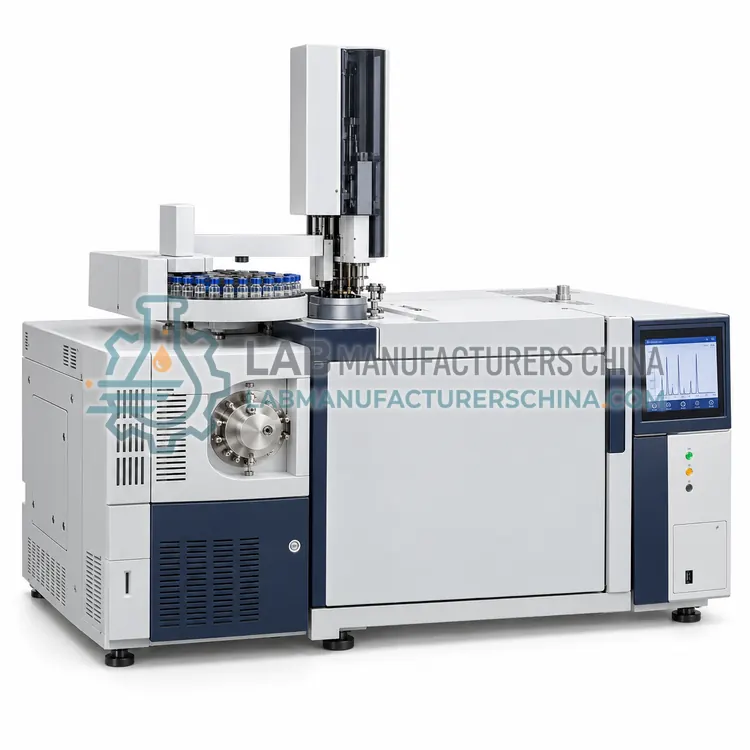 CMSI5 product types质谱仪器Mass spectrometry instruments ionize molecules or atoms, separate the ions by mass-to-charge ratio and detect them to identify and quantify compounds. The category covers GC-MS, LC-MS, ICP-MS, TOF and triple quadrupole systems used in pharmaceutical, clinical, food, environmental and materials laboratories.
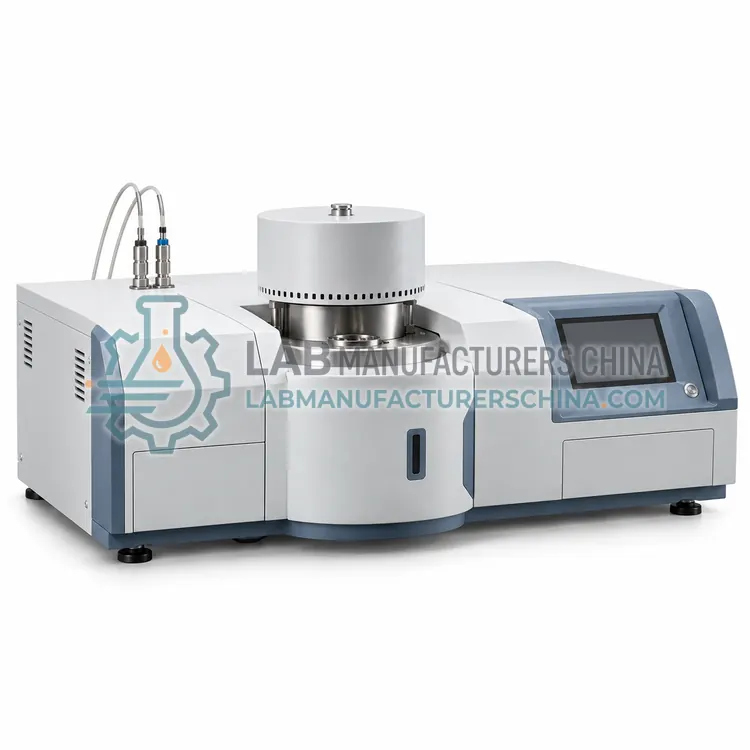 CTAI6 product types热分析仪器Thermal analysis instruments measure how a material's physical or chemical properties change with temperature or time under a controlled program. The category covers DSC, TGA, DTA, TMA, DMA and simultaneous thermal analyzers used for polymers, pharmaceuticals, ceramics, metals and energy materials.
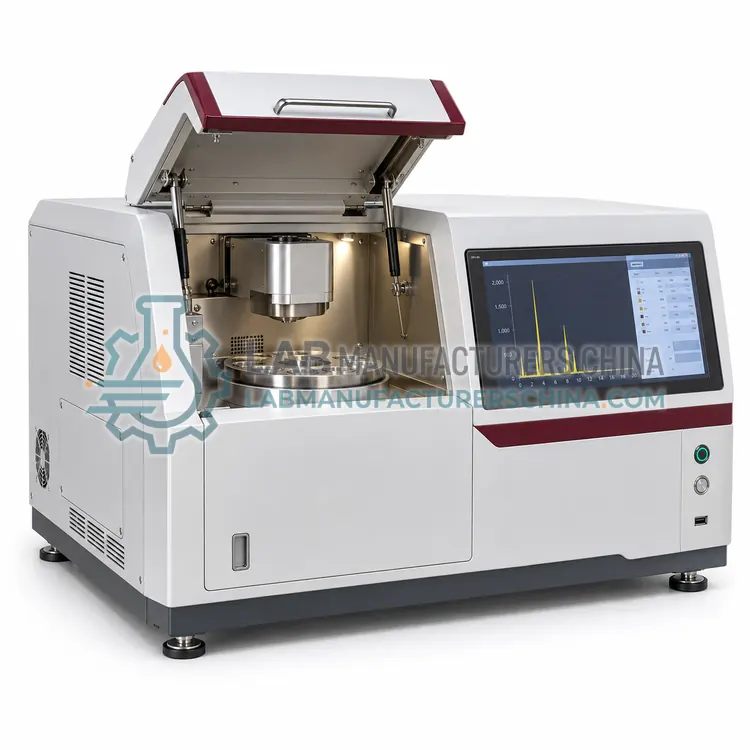 CXRA5 product typesX 射线分析仪器X-ray analysis instruments use X-ray interaction with matter to determine elemental composition or crystal structure. The category covers X-ray fluorescence spectrometers, portable and benchtop XRF analyzers, and X-ray diffractometers for materials, environmental and industrial testing.
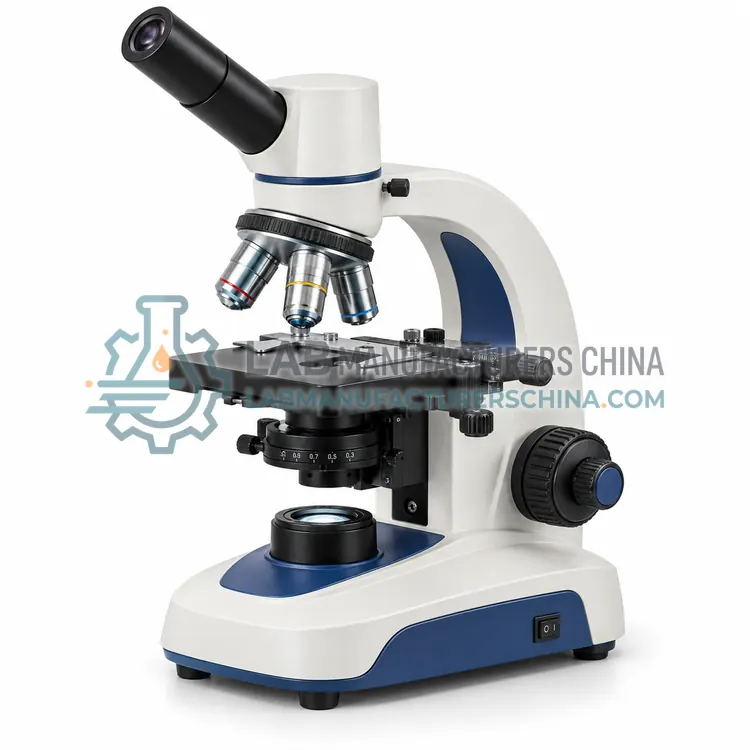 CLAM6 product types实验室显微镜Laboratory microscopes magnify and resolve fine detail of specimens using transmitted, reflected or fluorescence light. The category covers biological, fluorescence, inverted, metallurgical, polarizing and digital microscopes used in life science, materials, clinical and industrial inspection.
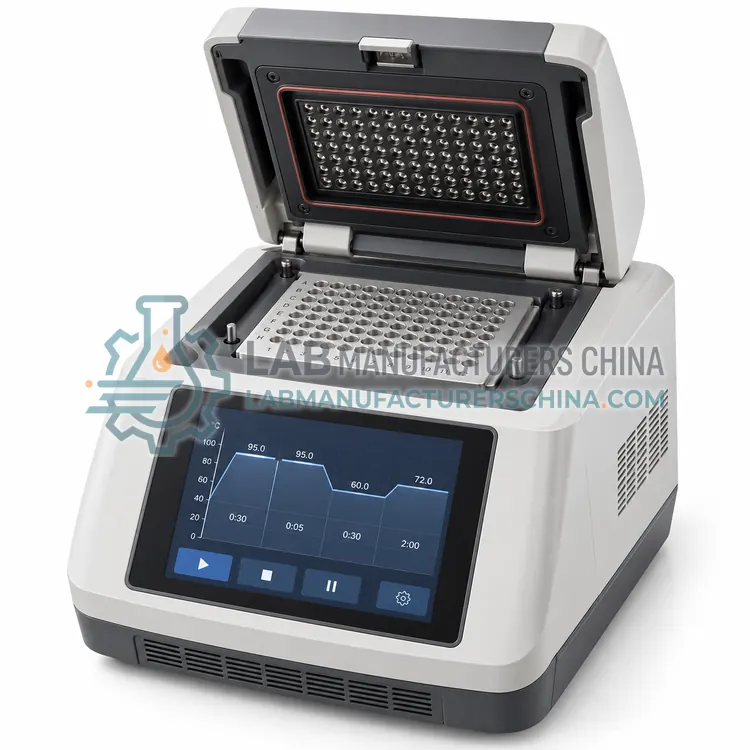 CPCE5 product typesPCR 设备PCR equipment covers instruments and enclosures used to amplify and quantify nucleic acids by the polymerase chain reaction, including conventional, real-time, digital and gradient thermal cyclers and contamination-control workstations. Clinical, research, forensic, food safety and environmental laboratories use them to detect, quantify and study DNA and RNA targets.
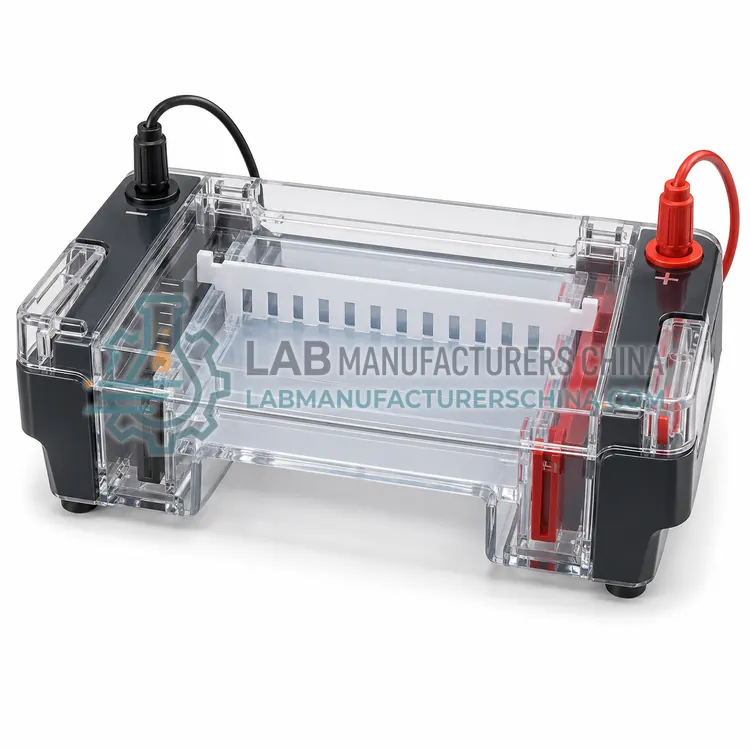 CELE5 product types电泳设备Electrophoresis equipment separates charged molecules such as DNA, RNA and proteins in an electric field through a gel or capillary. It includes horizontal and vertical gel tanks, power supplies, blotting systems and capillary electrophoresis analyzers used in molecular biology, clinical, quality control and forensic laboratories.
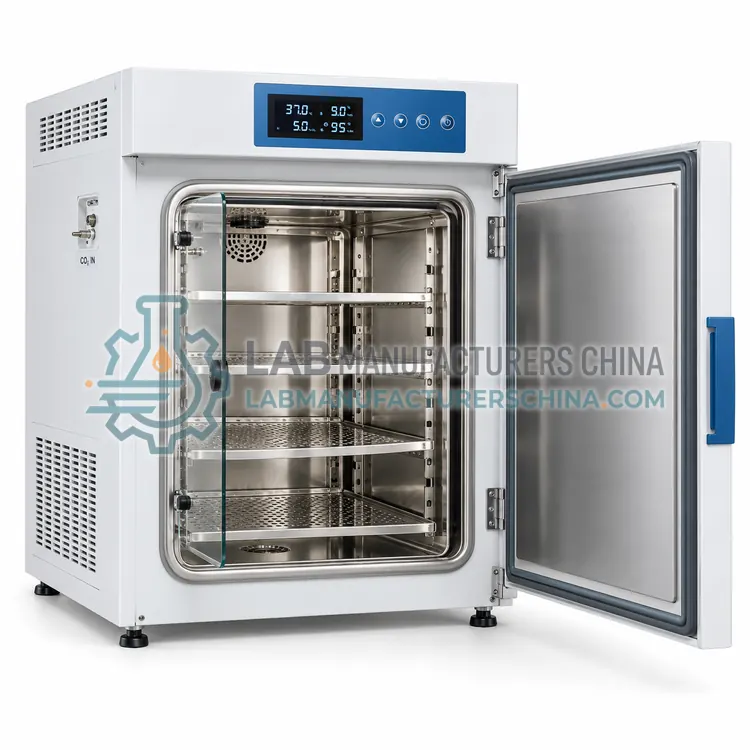 CCCE5 product types细胞培养设备Cell culture equipment provides the controlled environment, sterility and handling needed to grow cells outside the body, covering CO2 incubators, culture hoods, roller systems, automated culture platforms and monitoring instruments. It is used in research, bioprocess development and cell therapy laboratories.
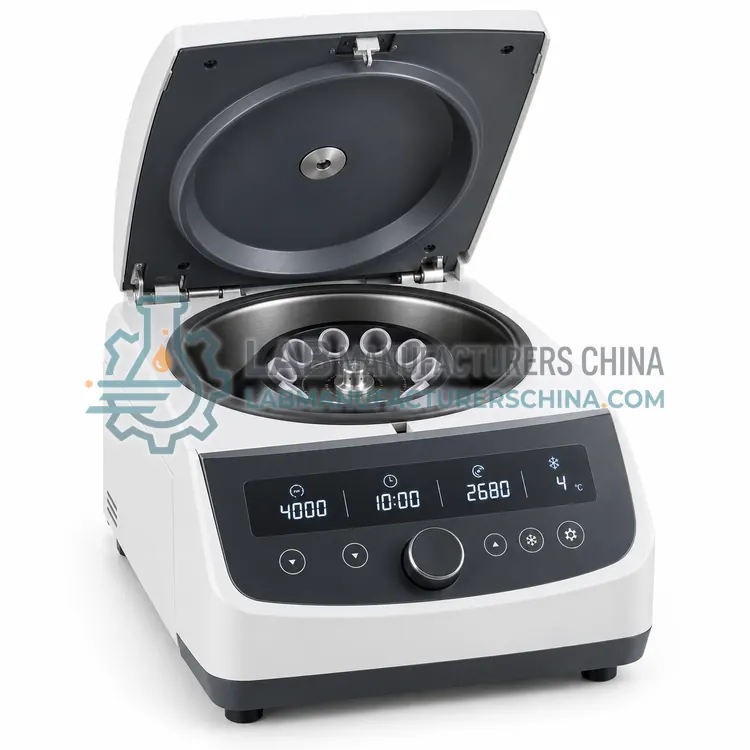 CLAC5 product types实验室离心机Laboratory centrifuges separate particles, cells and macromolecules from liquid samples by applying centrifugal force in a rotating rotor. The category spans benchtop, high-speed, refrigerated, micro and ultra-speed units used in clinical, pharmaceutical, biotechnology, chemical and academic laboratories for sample preparation and purification.
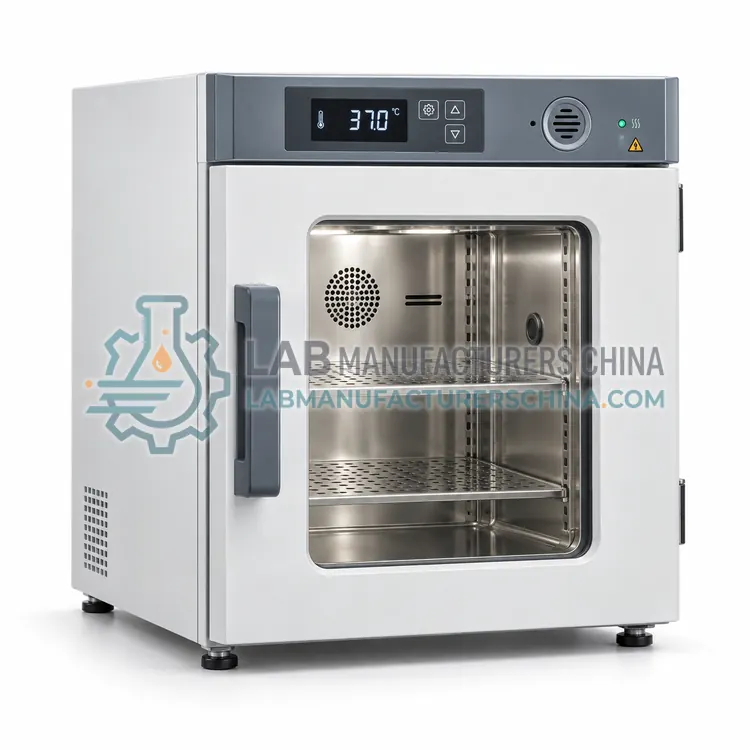 CLAI5 product types实验室培养箱Laboratory incubators are temperature-controlled chambers that maintain stable conditions for growing, culturing and storing microorganisms, cells, plants and samples, typically from 5 C to 80 C with optional CO2, humidity and shaking. The category covers standard, CO2, cooling, shaking and BOD incubators used in microbiology, cell culture and environmental testing.
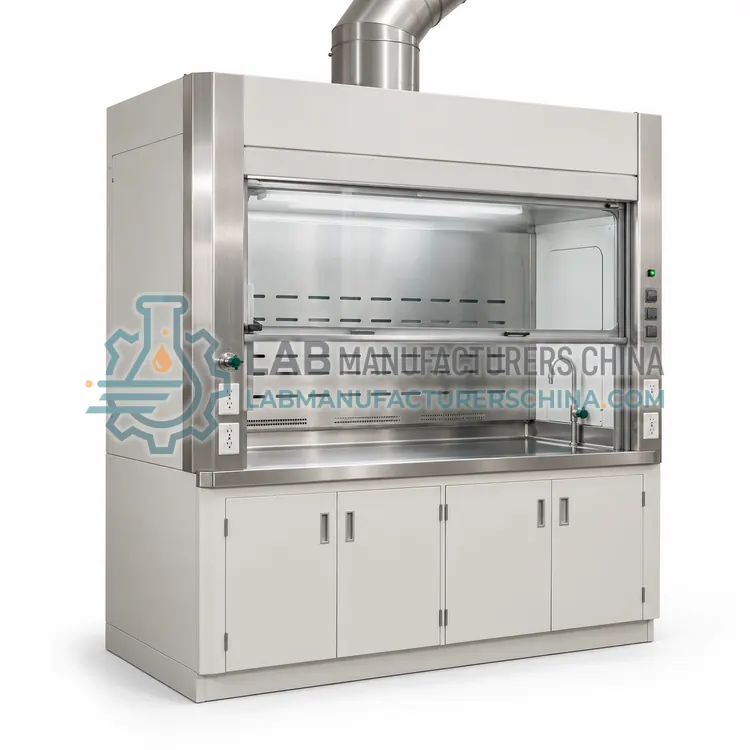 CFUH4 product types通风柜Fume hoods are enclosed ventilated workstations that capture and remove hazardous vapours, fumes, gases and dusts from a laboratory work area. Ducted, ductless, acid digestion and perchloric acid models address different chemicals, containment needs and building services.
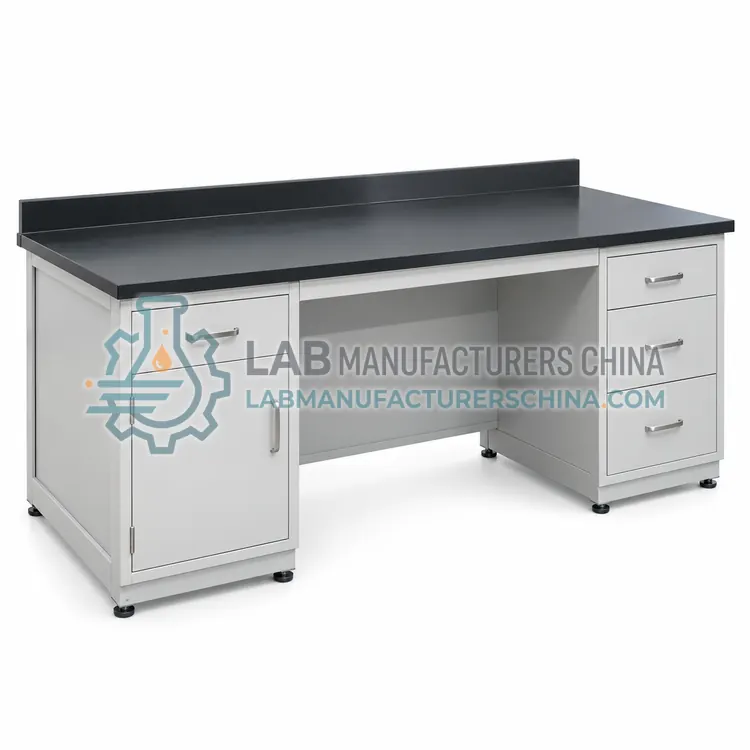 CLFU5 product types实验室家具Laboratory furniture covers benches, island and wall units, storage cabinets and sink units built from chemically resistant, load-rated materials. It provides the work surfaces, storage and service connections that laboratories need, and is specified by bench material, load capacity, service layout and compliance with casework standards.
Reference project
A case study for this industry will be added once a suitable project is available.
Frequently asked questions about Academia & Research
The needs depend on the discipline. Most laboratories need balances, centrifuges, incubators, freezers, a fume hood or biosafety cabinet, purified water and general glassware. Chemistry groups add spectrometers and chromatography, while biology groups add PCR, electrophoresis, microscopy and cell culture equipment.
Formal quotations, technical datasheets, compliance statements and delivery schedules can be prepared in the format a tender requires. Terms such as warranty, installation, training and payment are agreed per tender, and documents are provided on request.
Many instruments can be configured with different detectors, rotors, modules or software options, and OEM or ODM customization may be possible for specific requirements. State your application and constraints in the RFQ, and feasibility, lead time and minimum order quantity will be confirmed.
Benchtop models save space and suit low to moderate throughput, while floor-standing models usually offer larger capacity, higher speed or greater performance. Consider sample volume, number of users, room layout, power requirements and future expansion before deciding.