
Cell Culture Equipment
细胞培养设备
CCCE · Life Science & Biotechnology · 5 product types · 25 models
By Lab Manufacturers China Technical TeamLast reviewed
What are Cell Culture Equipment?
Cell culture equipment provides the controlled environment, sterility and handling needed to grow cells outside the body, covering CO2 incubators, culture hoods, roller systems, automated culture platforms and monitoring instruments. It is used in research, bioprocess development and cell therapy laboratories.
5 product types in Cell Culture Equipment
The 5 product types below are grouped by the exact instrument you need.
- CON5 models
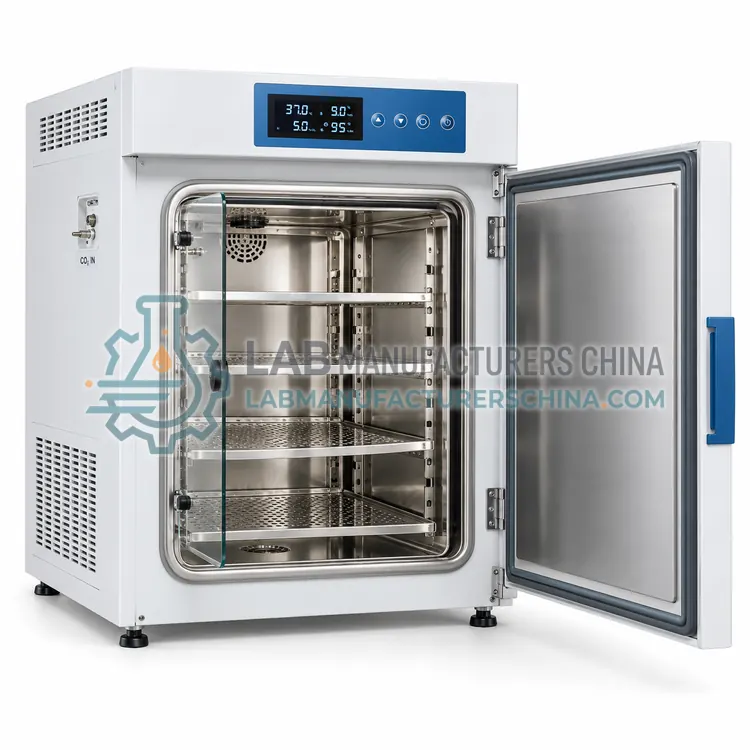
CO2 Incubators
CO2 培养箱
CO2 incubators maintain the temperature, humidity and carbon dioxide concentration that mammalian cell cultures need, holding bicarbonate-buffered medium near pH 7.4. They are used in cell culture, stem cell, bioprocess and clinical laboratories for routine and regulated work.
- CCH5 models
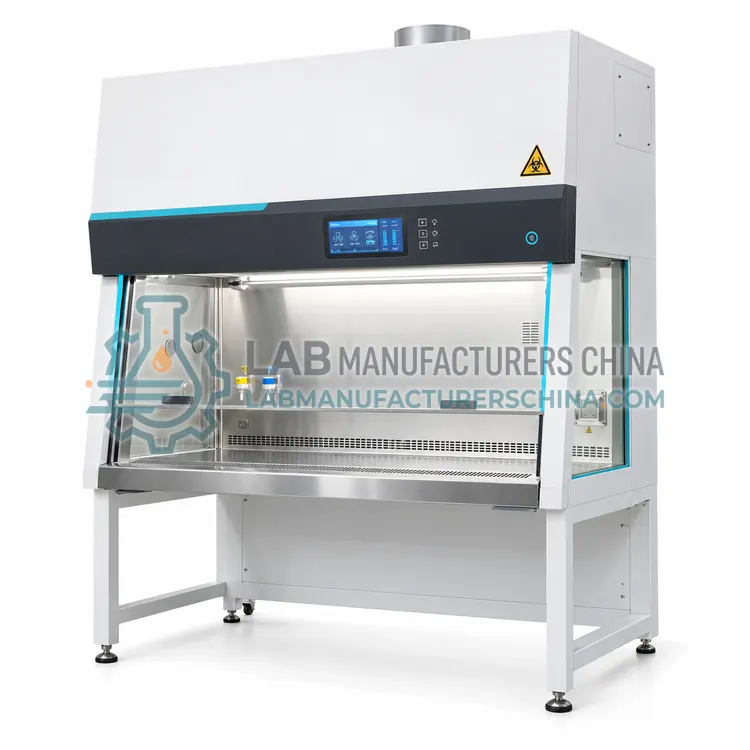
Cell Culture Hoods
细胞培养超净台
Cell culture hoods provide a sterile working area for aseptic handling of cell cultures using HEPA-filtered unidirectional airflow. Class II biological safety cabinets protect both the culture and the operator, while laminar flow clean benches protect the culture alone.
- ROL5 models
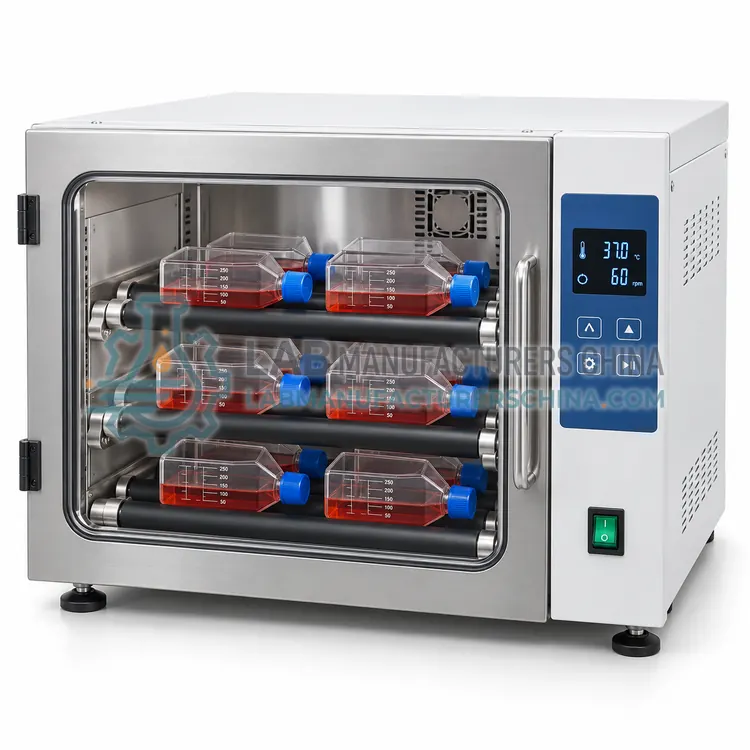
Roller Systems
滚瓶培养系统
Roller systems rotate culture bottles, drums or vessels slowly so that adherent or suspension cells are alternately bathed in medium and exposed to gas, providing large surface area in a small volume. They are used for vaccine, recombinant protein and cell expansion processes.
- CCS5 models
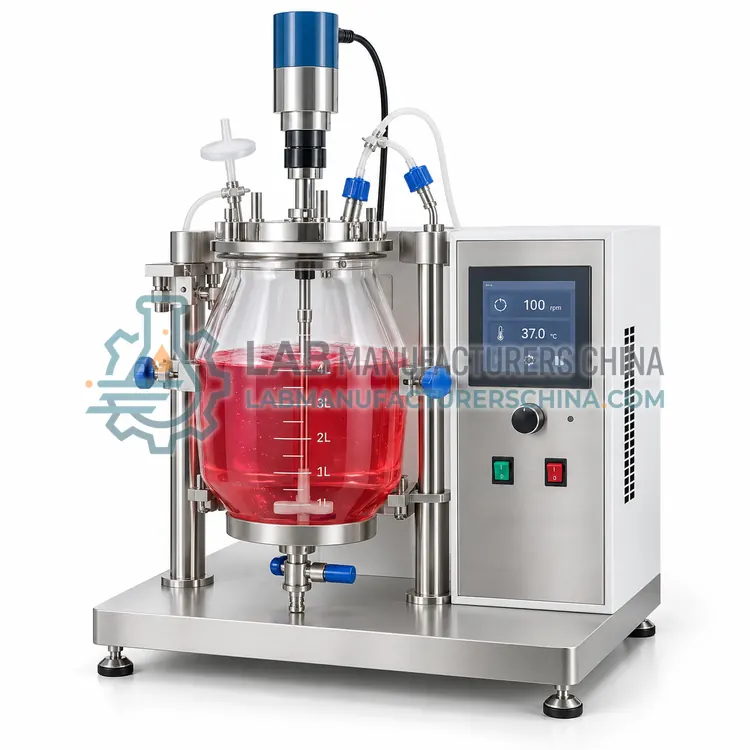
Cell Culture Systems
细胞培养系统
Cell culture systems grow and expand mammalian cells in controlled, agitated or perfused environments, from automated flask-handling platforms to spinner vessels, perfusion bioreactors, hollow fibre cartridges and microfluidic devices. They serve research, process development and cell therapy production.
- CUM5 models
Culture Monitoring
培养监测系统
Culture monitoring systems measure confluence, viable biomass, dissolved oxygen, pH and metabolites in cell cultures, providing data for feeding decisions, harvest timing and early detection of stress or contamination. They are used in research, bioprocess development and manufacturing.
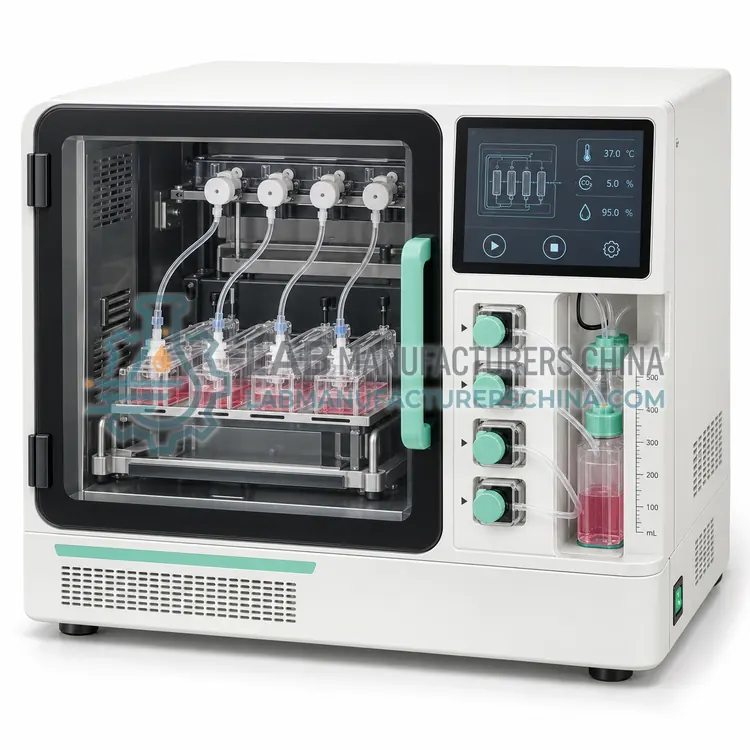
What are Cell Culture Equipment?
Cell culture equipment is the group of instruments that keep mammalian cells alive and growing under defined conditions. CO2 incubators maintain temperature, humidity and carbon dioxide concentration so that bicarbonate-buffered media stay at physiological pH, while some models also control oxygen for hypoxic work. Culture hoods provide a sterile working area, either as class II biological safety cabinets that protect both sample and operator or as laminar flow cabinets that protect the sample alone. Roller systems grow adherent cells on the inner surface of rotating bottles for vaccine and recombinant protein production. Culture systems automate or scale up growth in flasks, spinner vessels, perfusion bioreactors or microfluidic devices. Monitoring instruments track confluence, dissolved oxygen, pH, biomass or metabolite concentrations so that feeding and harvesting decisions are based on measured data rather than schedules.
How do Cell Culture Equipment work?
Cell culture depends on holding several variables constant. Incubators use a heated water jacket or direct heating elements with a PID controller, an infrared or thermal conductivity CO2 sensor, and a water pan or humidity injection to keep evaporation low. Media buffered with sodium bicarbonate equilibrate with 5% CO2 to maintain pH near 7.4, so CO2 concentration, not pH, is the controlled variable. Hoods draw room air through a HEPA filter with 99.99% efficiency for particles of 0.3 µm, and class II cabinets also exhaust through a second filter so that both the work zone and the environment are protected by a curtain of unidirectional air. Roller systems rotate bottles slowly, usually 0.1–2 rpm, so that cells are alternately bathed in medium and exposed to the gas phase. Monitoring instruments measure light absorption by metabolites, capacitance of viable cells, or images of the culture surface to derive growth parameters.
Where are Cell Culture Equipment used?
Cell culture equipment is used wherever cells are grown. Research laboratories maintain cell lines, primary cultures and stem cells, and depend on reliable incubators and hoods for reproducible experiments. Biopharmaceutical manufacturers grow recombinant cell lines and vaccine production cells in roller bottles, cell factories and bioreactors, where contamination control and documentation are critical. Cell therapy laboratories prepare and expand patient cells in closed systems with validated sterility and traceability. Diagnostic and clinical laboratories culture cells for cytogenetics, virus isolation and functional assays. Food and veterinary laboratories use culture equipment for cell-based assays and for meat or vaccine research. In all these settings, monitoring instruments that report confluence, metabolites or biomass help to standardise culture conditions and reduce variability.
Which standards apply to Cell Culture Equipment?
Cell culture equipment combines electrical safety, sterility and containment requirements. IEC 61010-1 and IEC 61010-2-010 apply to instruments with heated compartments, and IEC 61326-1 covers electromagnetic compatibility. Biological safety cabinets are tested under EN 12469 in Europe and NSF/ANSI 49 in North America, covering filter integrity, downflow velocity and containment of aerosol challenges; ISO 14644-1 defines the cleanroom air cleanliness classes that cabinets and clean zones should meet. Sterilisation of reusable items is covered by ISO 17665 and ISO 11135 for steam and ethylene oxide methods. Cell therapy and biobanking activities refer to USP <1046> and ISO 20387, and quality systems in manufacturing follow ISO 9001, ISO 13485 or GMP as applicable.
How do I select the right cell culture equipment?
Begin with the cell type and scale. Adherent lines grown in flasks need a CO2 incubator with good temperature uniformity and humidity control, plus a class II cabinet if cultures may contain human or animal material. Suspension or high-density processes need shaking incubators, spinner vessels or perfusion bioreactors, and the choice depends on whether shear sensitivity or oxygen demand dominates. Roller bottle systems suit adherent scale-up for vaccine and protein production where surface area per unit volume matters. Decide how much monitoring is justified: a bare incubator with periodic manual checks is sufficient for a teaching laboratory, while capacitance biomass monitoring, online DO and pH measurement or automated imaging pays back quickly in process development. Evaluate contamination control features, cleaning access, alarm and data logging, service support and consumable availability before ordering.
Cell Culture Equipment comparison
| Subcategory | Principle | Typical use | Key spec |
|---|---|---|---|
| CO2 Incubators | Heated chamber with CO2 and humidity control | Incubating cell cultures at 37 °C and pH 7.4 | CO2 range 0–20%, uniformity ±0.3 °C |
| Cell Culture Hoods | HEPA-filtered unidirectional airflow for sterility | Aseptic handling of cultures and media | Class II airflow 0.3–0.5 m/s |
| Roller Systems | Slow rotation of bottles to alternate liquid and gas contact | Adherent cell scale-up for vaccines and proteins | Rotation 0.1–2 rpm |
| Cell Culture Systems | Agitated, perfused or microfluidic culture platforms | Automated and scaled-up culture processes | Working volume 50 mL–10 L |
| Culture Monitoring | Imaging, capacitance or electrochemical sensing of cultures | Confluence, biomass and metabolite tracking | Glucose and lactate range 0–30 mmol/L |
Frequently asked questions about Cell Culture Equipment
Culture media are usually buffered with sodium bicarbonate, which sets pH according to dissolved carbon dioxide. Supplying 5% CO2 keeps the medium near pH 7.4 in air, so the incubator controls the gas rather than adding acid or base directly.
A laminar flow clean bench blows HEPA-filtered air over the work surface toward the operator, protecting the sample only. A class II biological safety cabinet recirculates and exhausts filtered air to protect both the sample and the operator, which is required for human or animal material.
Clean the interior monthly or whenever a spill occurs, change or refill the humidity pan weekly, and verify temperature and CO2 accuracy at least every six months with a calibrated instrument. Record all checks and keep the results with the instrument history.
Roller bottles give a large surface area in a small volume of medium, so they suit scale-up of adherent cells for vaccine or recombinant protein production where flask handling becomes impractical. They also allow gentle periodic gas exchange for sensitive cells.
Depending on type, they measure confluence and morphology by imaging, viable biomass by capacitance, dissolved oxygen and pH, or metabolites such as glucose, lactate, glutamine and ammonia. These data support feeding decisions and early detection of contamination or stress.
Related categories
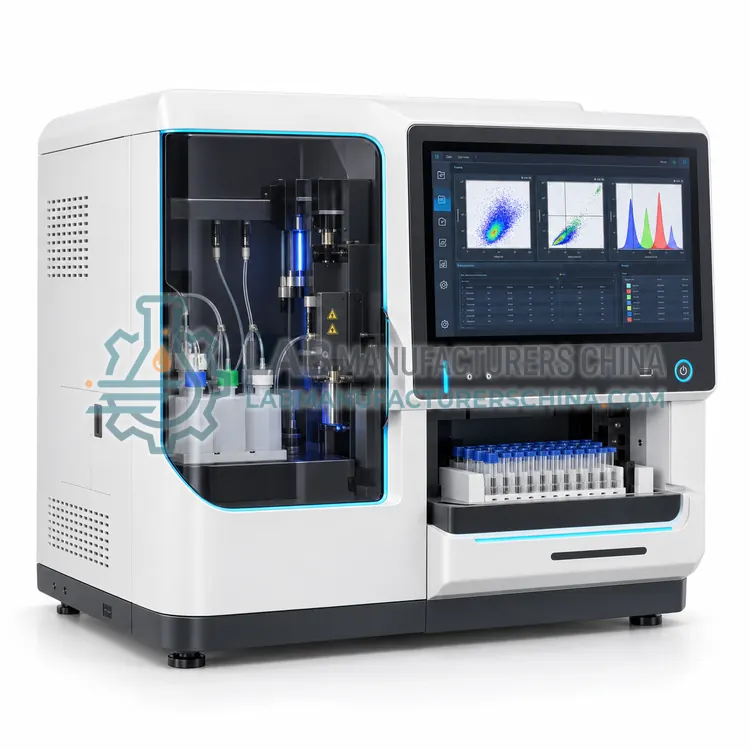 CFCE流式细胞术设备Flow cytometry equipment covers the instruments, consumables and software used to measure light scatter and fluorescence from individual cells or particles as they pass a laser beam. It includes analyzers, cell sorters, automated sample loaders, antibody reagents and acquisition and analysis software for immunology, hematology and cell biology laboratories.
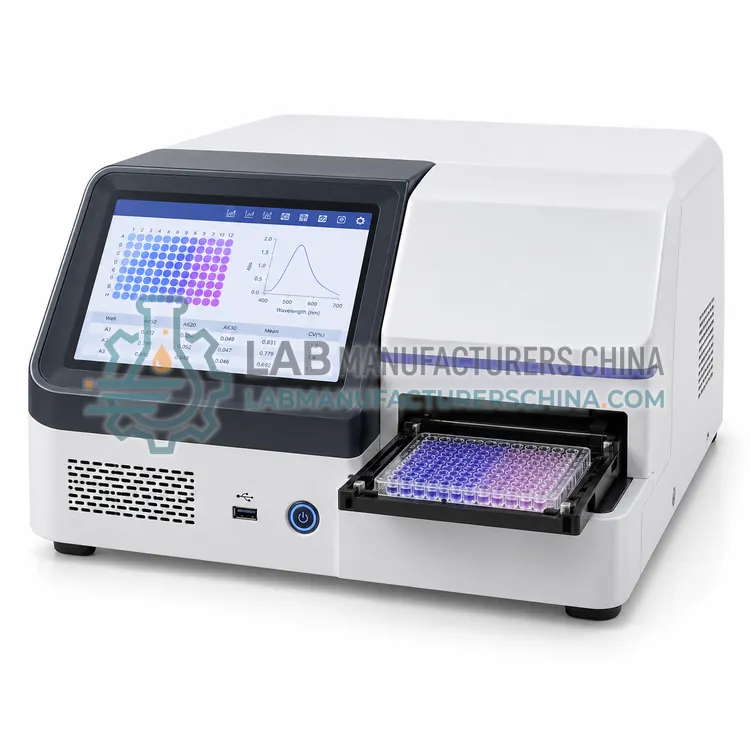 CMIE微孔板设备Microplate equipment covers the instruments used to process assays in 6- to 1536-well plates, including readers that measure absorbance, fluorescence and luminescence, washers, shakers, liquid dispensers and incubators. Immunoassay, cell-based screening, clinical diagnostic and quality control laboratories use them to run parallel, reproducible tests.
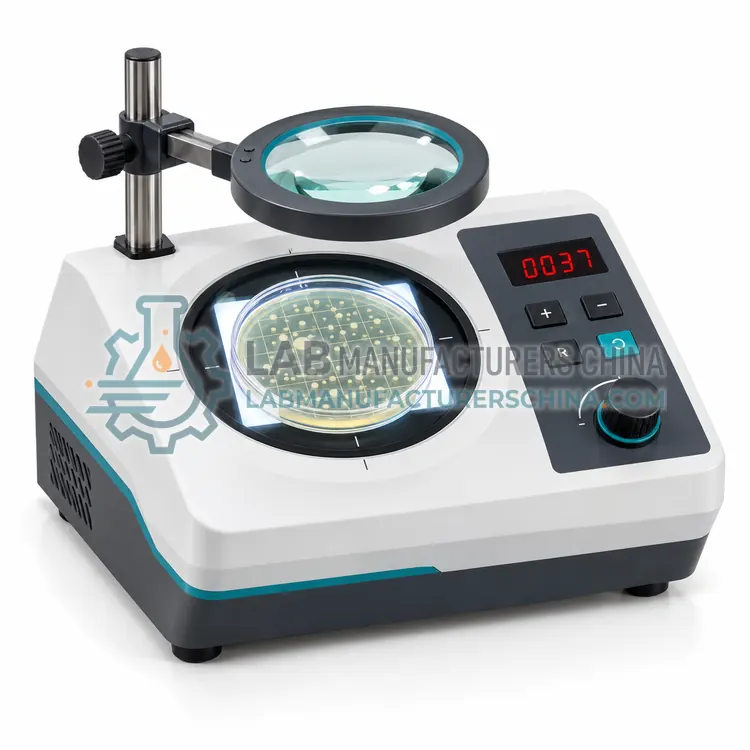 CMEQ微生物学设备Microbiology equipment covers the instruments used to culture, count, identify and inactivate microorganisms in clinical, pharmaceutical, food, water and research laboratories. It includes colony counters, anaerobic systems, identification systems, culture incubators and shakers, and autoclaves and other sterilizers.
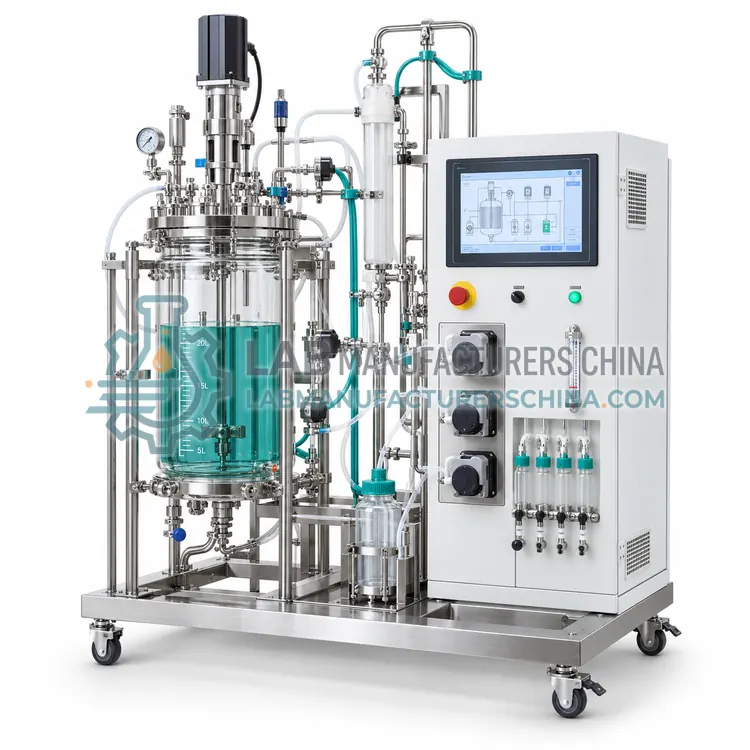 CBIE生物技术设备Biotechnology equipment covers the instruments and systems used to grow, process and purify biological materials at laboratory and production scale. It spans bioprocess systems, cell processing, protein purification, molecular processing and automation platforms for biopharmaceutical, diagnostics and research laboratories.