
Microbiology Equipment
微生物学设备
CMEQ · Life Science & Biotechnology · 5 product types · 25 models
By Lab Manufacturers China Technical TeamLast reviewed
What are Microbiology Equipment?
Microbiology equipment covers the instruments used to culture, count, identify and inactivate microorganisms in clinical, pharmaceutical, food, water and research laboratories. It includes colony counters, anaerobic systems, identification systems, culture incubators and shakers, and autoclaves and other sterilizers.
5 product types in Microbiology Equipment
The 5 product types below are grouped by the exact instrument you need.
- COC5 models
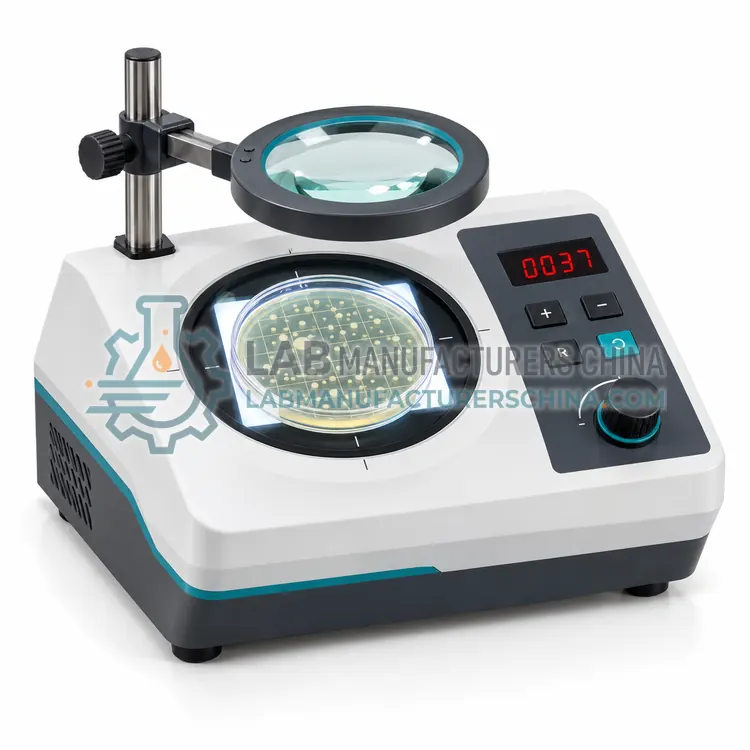
Colony Counters
菌落计数器
Colony counters are instruments that detect and enumerate microbial colonies grown on agar plates, replacing manual tallying with imaging, laser scanning or fluorescence detection. They serve microbiology, food, pharmaceutical and environmental laboratories that need accurate CFU counts and reproducible records.
- ANS5 models
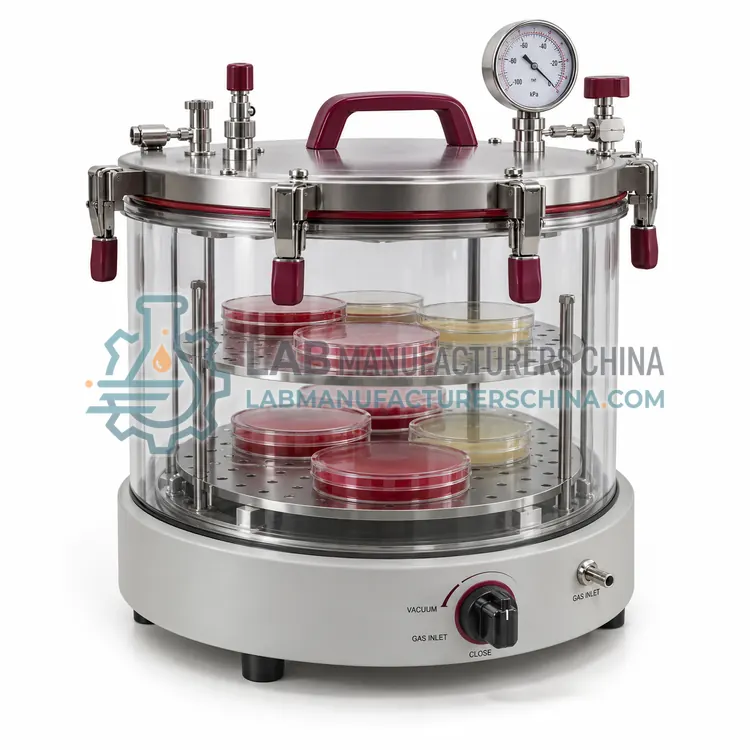
Anaerobic Systems
厌氧培养系统
Anaerobic systems create and maintain oxygen-free conditions for cultivating obligate anaerobes. They include jars, bags, chambers, workstations, glove boxes and anaerobic incubators used in clinical, food and environmental microbiology where organisms such as Clostridium and Bacteroides must grow reliably.
- MIO5 models
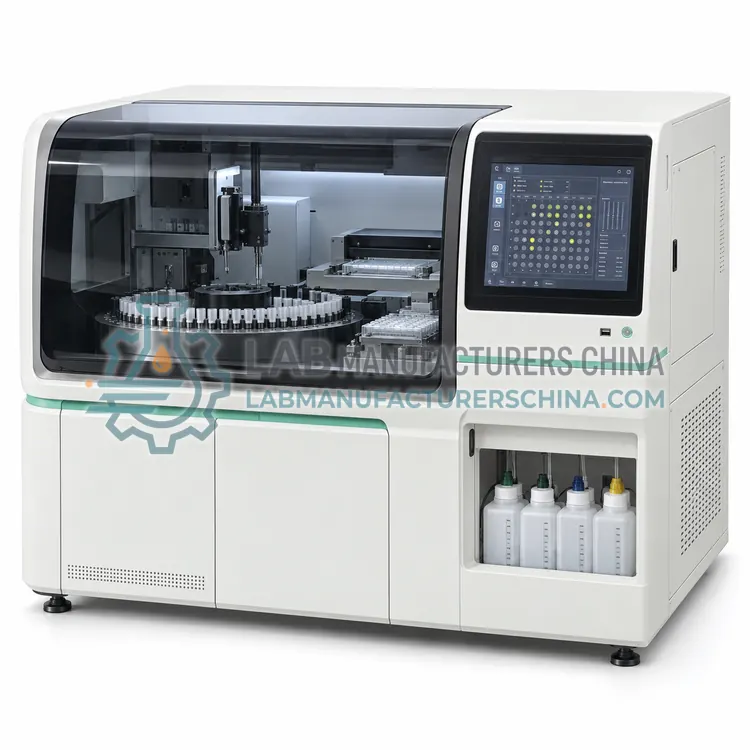
Microbial Identification Systems
微生物鉴定系统
Microbial identification systems determine the genus and species of bacteria, yeasts or fungi from pure cultures or primary samples. They rely on biochemical panels, mass spectrometry, nucleic acid amplification or sequencing and are used in clinical, food, pharmaceutical and environmental laboratories.
- CUE5 models
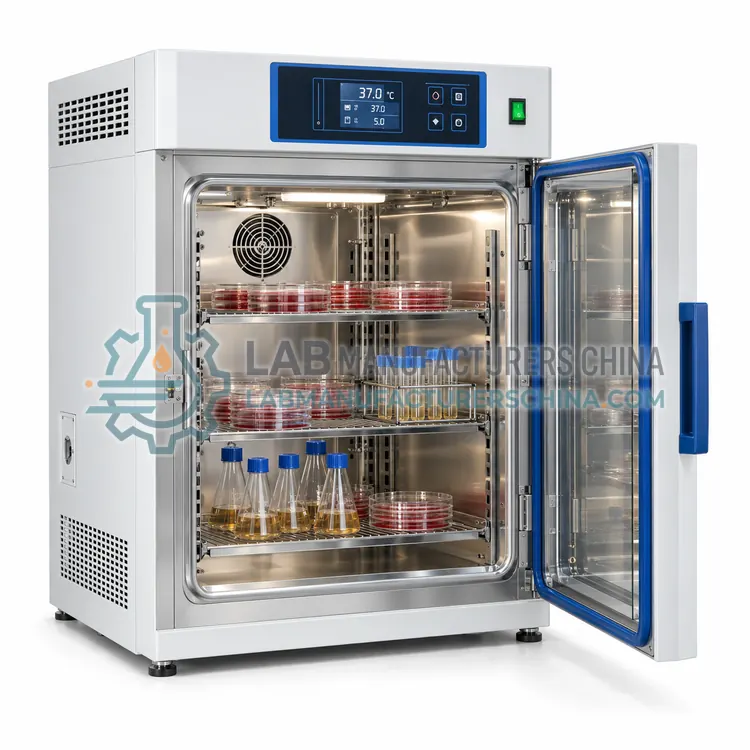
Culture Equipment
培养设备
Culture equipment provides the controlled temperature and motion conditions needed to grow microorganisms and cells in the laboratory. It includes static and shaking incubators, refrigerated incubators, roller culture apparatus and spinner flask systems used in microbiology, cell culture and routine testing.
- STE5 models
Sterilization Equipment
灭菌设备
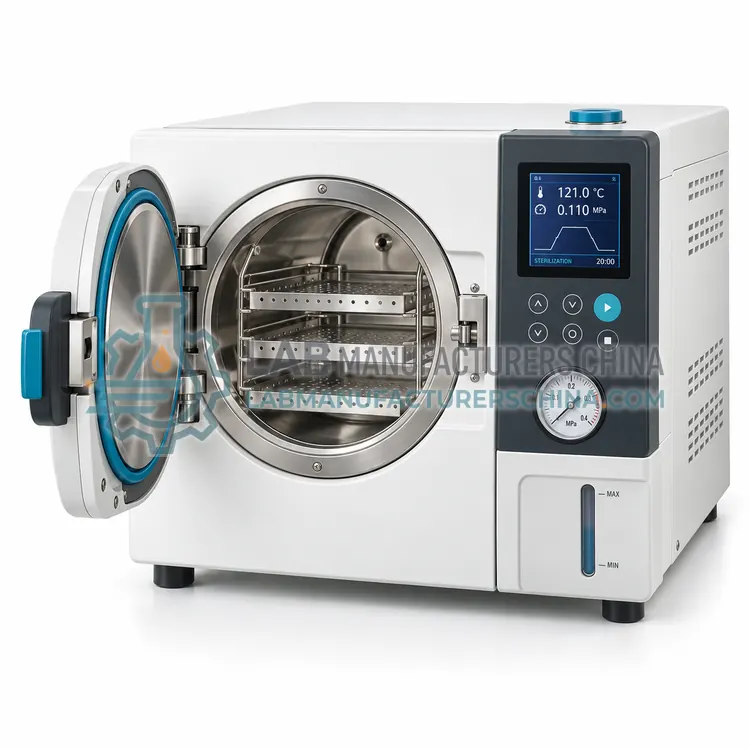
Sterilization equipment in microbiology destroys microorganisms on media, glassware, instruments and waste using saturated steam, dry heat or related methods. It includes bench-top, vertical and horizontal autoclaves, media preparators and dry heat sterilizers used in culture laboratories.
What are Microbiology Equipment?
Microbiology equipment supports the workflow by which microorganisms are grown, enumerated, identified and safely disposed of. Culture equipment such as incubators, shaker incubators and biological oxygen demand chambers provide controlled temperature and atmosphere for growth on agar or in broth. Anaerobic jars, chambers and gas generation systems create oxygen-free conditions for obligate anaerobes. Colony counters make plate counts faster and more reproducible, while identification systems use biochemical panels, mass spectrometry or nucleic acid methods to name organisms and test antimicrobial susceptibility. Sterilization equipment, including steam autoclaves and dry heat ovens, prepares media and labware and inactivates biological waste. Together these instruments support sterility testing, environmental monitoring, food safety testing, water testing and diagnostic microbiology under quality systems such as ISO 17025 and ISO 15189.
How do Microbiology Equipment work?
Culture equipment holds temperature with heating elements, sensors and PID control, sometimes with cooling, humidity or gas control, so microorganisms grow at defined rates. Anaerobic systems remove oxygen by gas flushing, catalytic palladium reaction with hydrogen, or chemical gas generators, and indicators confirm anoxia. Colony counters illuminate plates and use optics or image analysis to detect and tally colonies above a size threshold. Identification systems inoculate panels with substrate reactions read photometrically, or ionize whole cells for MALDI-TOF fingerprints, or amplify and sequence DNA markers, then compare results to databases. Sterilizers kill microorganisms by saturated steam at 121 to 134 degrees Celsius under pressure, dry heat at 160 to 180 degrees, hydrogen peroxide vapor or ethylene oxide, verified using physical, chemical and biological indicators.
Where are Microbiology Equipment used?
Microbiology equipment is used across regulated and research settings. Clinical laboratories culture blood, urine and wound specimens, identify pathogens and test antibiotic susceptibility. Pharmaceutical quality control laboratories run sterility tests, bioburden counts and environmental monitoring of cleanrooms according to pharmacopoeial methods. Food and beverage laboratories enumerate total plate counts, coliforms, yeasts, molds and pathogens such as Salmonella and Listeria. Water utilities and environmental laboratories count heterotrophic bacteria and indicator organisms. Research groups work with anaerobic gut microbes, industrial strains and model organisms. Universities use the same equipment for teaching. Across all these settings, sterilization equipment ensures that media, tools and waste are processed safely, and traceable records are kept for audits.
Which standards apply to Microbiology Equipment?
Microbiology methods and equipment are governed by a mix of method and equipment standards. Method standards include ISO 4833-1 for total aerobic counts, ISO 7218 for general microbiological examination requirements, USP <61>, <62> and <71> and Ph. Eur. 2.6.12, 2.6.13 and 2.6.1 for microbial enumeration, specified organisms and sterility, and ISO 11133 for culture media performance. Laboratory competence follows ISO/IEC 17025 and ISO 15189. Steam sterilizers are covered by EN 285, EN 13060 and ISO 17665, while pressure vessels follow local codes such as ASME or PED. Electrical safety follows IEC 61010-1 and IEC 61010-2-040 for sterilizers. Clinical susceptibility testing follows CLSI M100 and EUCAST breakpoints.
How do I select the right microbiology equipment?
Start from the workflow and the regulatory method you must follow. For culture, specify temperature range, uniformity, chamber volume and CO2 or humidity needs, and choose forced-air, water-jacketed or BOD incubators accordingly. For anaerobes, choose between jars for low volume and chambers for continuous work. For counting, decide on manual with magnification or automated imaging, and check data integrity features. For identification, weigh panel-based systems against MALDI-TOF or molecular methods by throughput, cost per test and database coverage. For sterilization, select cycle types, chamber size, validation and documentation, and confirm installation, utility and ventilation requirements. Ask for qualification documents, service availability and consumables supply for every instrument.
Microbiology Equipment comparison
| Subcategory | Principle | Typical use | Key spec |
|---|---|---|---|
| Colony Counters | Optical or image-based detection of colonies on agar plates | Plate counts, CFU enumeration | Plates up to 150 mm, count range 0–9,999 |
| Anaerobic Systems | Oxygen removal by gas flushing, catalyst or chemical generator | Culture of obligate anaerobes | O2 below 0.1% (chamber) |
| Microbial Identification Systems | Biochemical panels, MALDI-TOF or nucleic acid analysis compared with databases | Organism ID and susceptibility testing | ID in minutes to 24 h |
| Culture Equipment | Controlled temperature, humidity, gas and agitation for growth | Routine culture, BOD, shaking culture | Ambient +5 to 65 °C, ±0.5 °C |
| Sterilization Equipment | Saturated steam, dry heat or vapor kills microorganisms | Media, labware and waste sterilization | 121–134 °C, 50–1,000 L |
Frequently asked questions about Microbiology Equipment
A basic laboratory needs an incubator, an autoclave for media and waste, a biosafety cabinet, a colony counter, a microscope, a refrigerator, and balances with pH meters for media preparation. Anaerobic jars and identification systems are added as workload grows.
MALDI-TOF identifies organisms in minutes at very low cost per test but needs a high capital investment and a good database. Biochemical panels have lower capital cost, give susceptibility results in some formats, but take 4 to 24 hours.
Most media are sterilized at 121 degrees Celsius for 15 minutes at about 103 kilopascals, with longer times for large volumes. Heat-sensitive components should be filter-sterilized and added afterward, following each medium's specification.
Obligate anaerobes are damaged or killed by oxygen, so they must be handled in oxygen-free conditions using anaerobic jars, bags or chambers with gas mixtures, catalysts and indicators from collection through incubation.
Cycles are verified with physical records of temperature, pressure and time, chemical indicators in each load, and periodic biological indicators using Geobacillus stearothermophilus spores. Validation also uses thermocouples in worst-case load positions.
Related categories
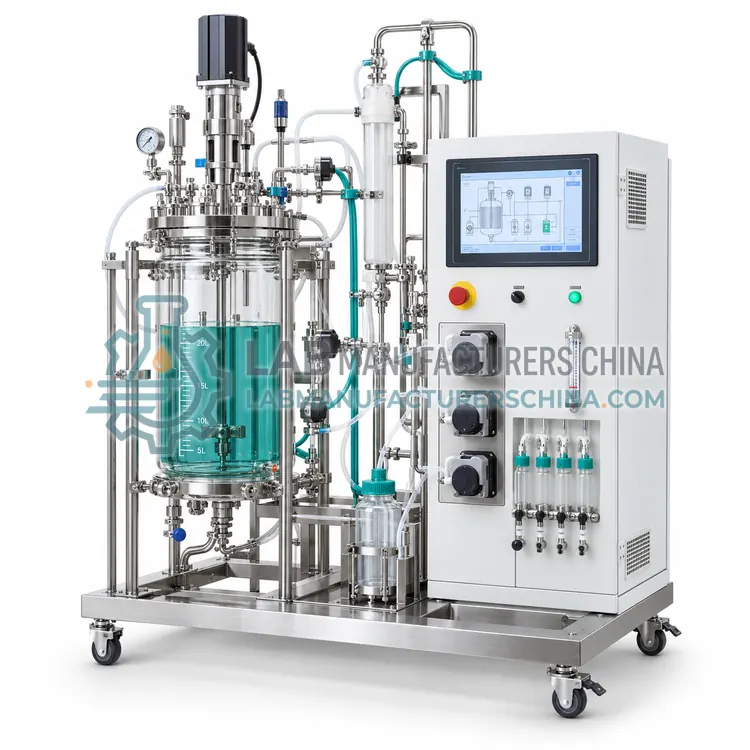 CBIE生物技术设备Biotechnology equipment covers the instruments and systems used to grow, process and purify biological materials at laboratory and production scale. It spans bioprocess systems, cell processing, protein purification, molecular processing and automation platforms for biopharmaceutical, diagnostics and research laboratories.
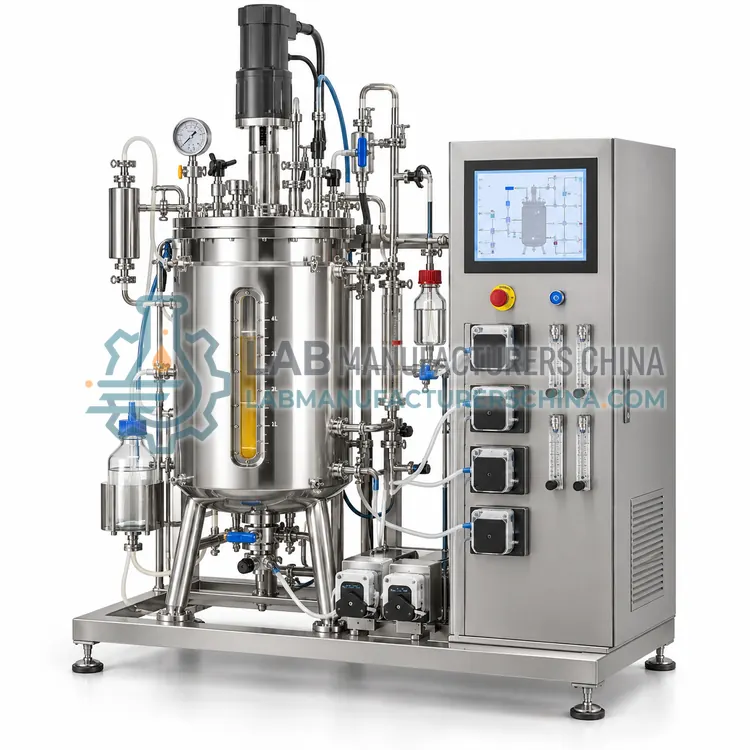 CFEE发酵设备Fermentation equipment covers the vessels and control systems used to cultivate microorganisms and cells under controlled conditions for research and production. It ranges from laboratory fermenters to pilot and production tanks with instrumentation for temperature, pH, dissolved oxygen, aeration and feeding.
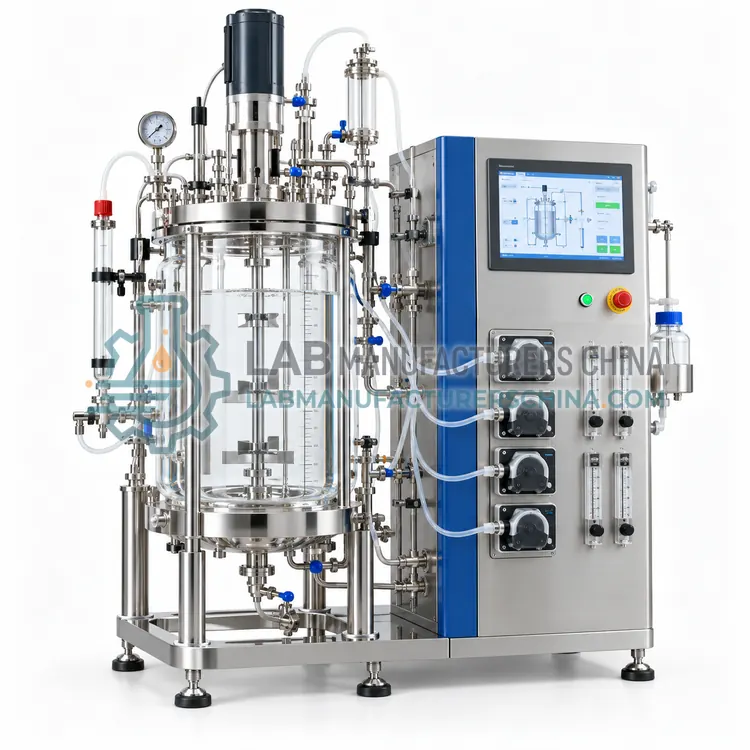 CBIO生物反应器Bioreactors are vessels that cultivate cells, tissues or microorganisms under controlled conditions of temperature, pH, dissolved oxygen and mixing. They range from glass benchtop units to stainless-steel, single-use, parallel and pilot systems used in bioprocess development and production.
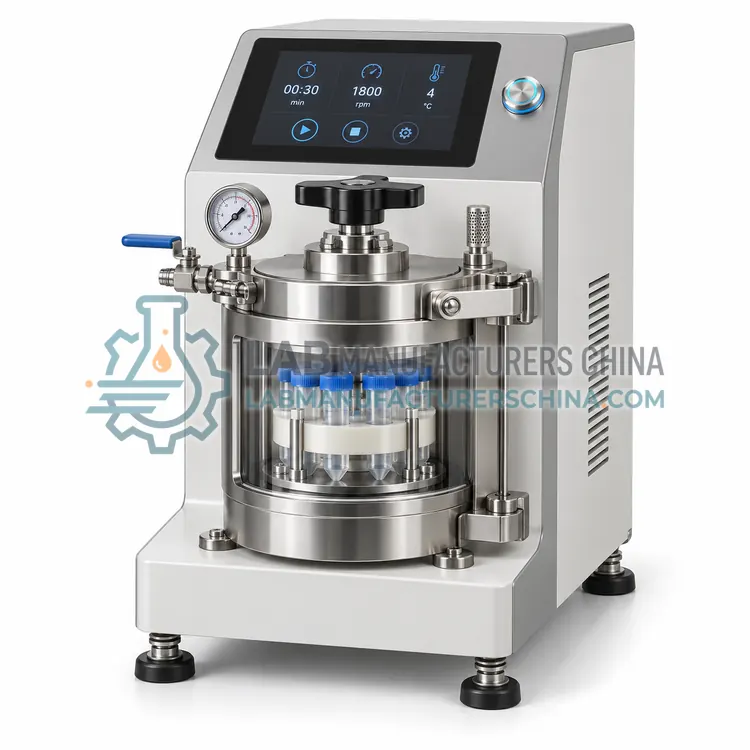 CLIF生命科学设备Life science equipment covers the instruments used to prepare, count, characterize and image biological samples, including homogenizers and centrifuges, flow cytometers, real-time PCR and sequencing-adjacent systems, protein analyzers, and microscopes. It supports research, biopharmaceutical development, diagnostics and academic teaching laboratories.