
Electrophoresis Equipment
电泳设备
CELE · Life Science & Biotechnology · 5 product types · 25 models
By Lab Manufacturers China Technical TeamLast reviewed
What are Electrophoresis Equipment?
Electrophoresis equipment separates charged molecules such as DNA, RNA and proteins in an electric field through a gel or capillary. It includes horizontal and vertical gel tanks, power supplies, blotting systems and capillary electrophoresis analyzers used in molecular biology, clinical, quality control and forensic laboratories.
5 product types in Electrophoresis Equipment
The 5 product types below are grouped by the exact instrument you need.
- HOE5 models
Horizontal Electrophoresis
水平电泳
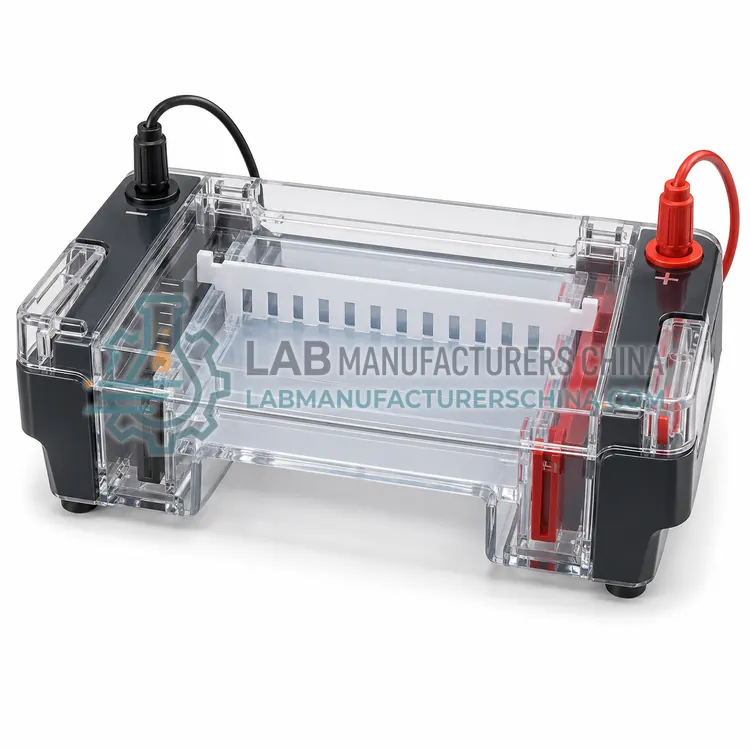
Horizontal electrophoresis systems run agarose gels submerged flat in buffer to separate DNA and RNA fragments by length under an electric field. A tank, gel tray, combs and power supply make up the set. Molecular biology, clinical and quality control laboratories use them to check PCR products, digests and RNA integrity.
- VEE5 models
Vertical Electrophoresis
垂直电泳
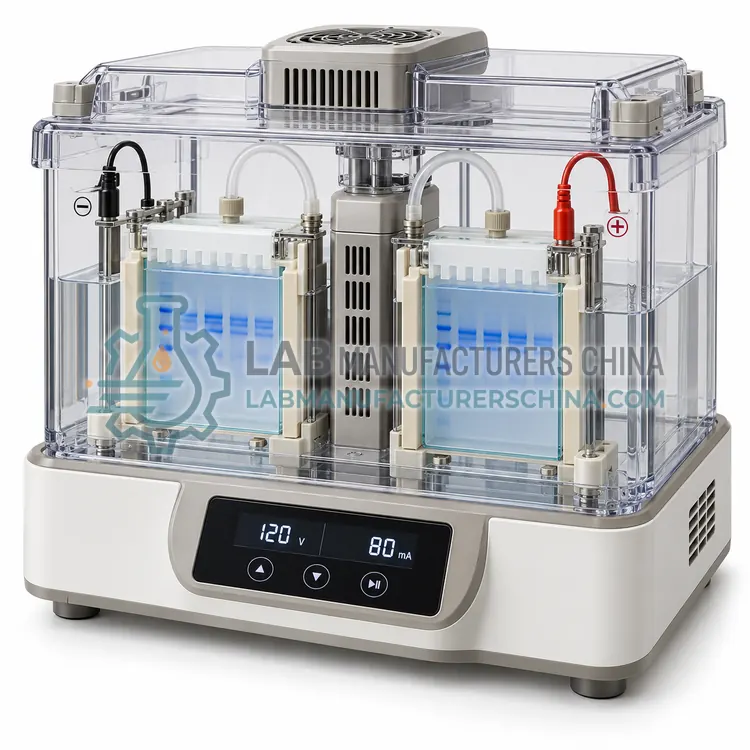
Vertical electrophoresis systems hold polyacrylamide gels between glass plates, with buffer chambers above and below, to separate proteins and short nucleic acids under an electric field. They give higher resolution than agarose tanks and are used in proteomics, biochemistry, sequencing and quality control laboratories.
- POS5 models
Power Supplies
电泳电源
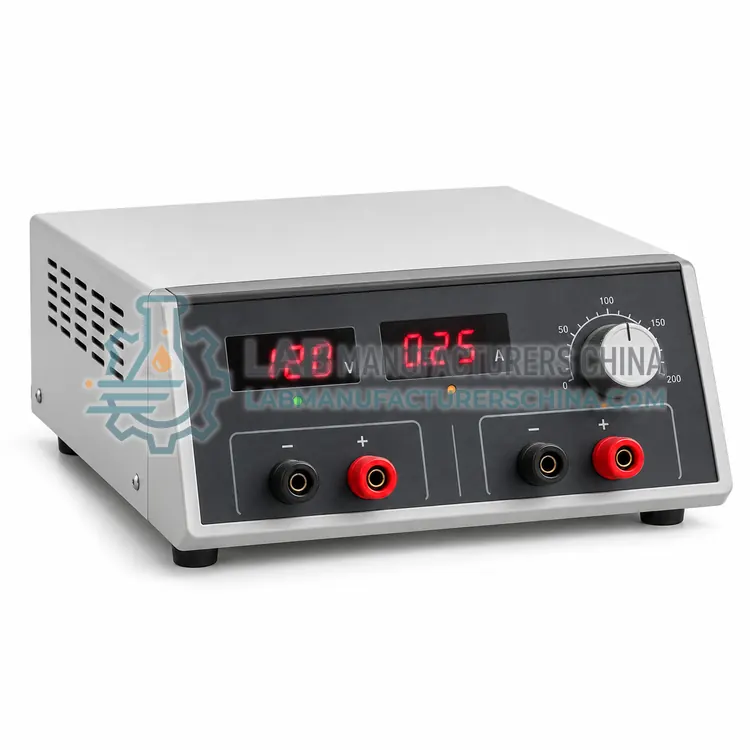
Electrophoresis power supplies deliver regulated direct current at constant voltage, current or power to drive gel tanks, blotting units and focusing cells. They include basic, programmable, high-voltage and high-current models used in molecular biology, protein and quality control laboratories.
- BLS5 models
Blotting Systems
转印系统
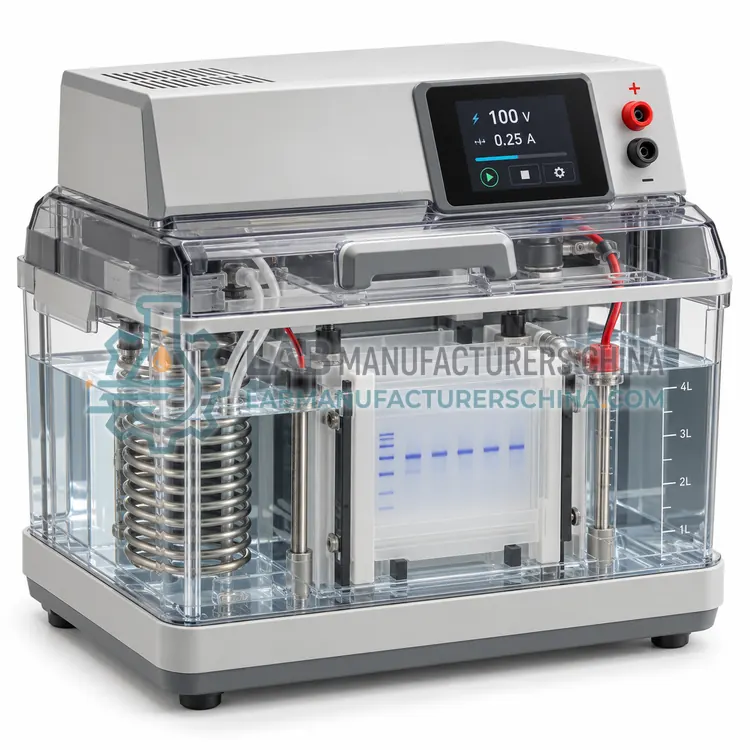
Blotting systems transfer proteins, DNA or RNA from electrophoresis gels onto nitrocellulose, PVDF or nylon membranes so they can be probed with antibodies or labelled nucleic acid. They include wet tank, semi-dry, rapid, vacuum and dot-blot devices used in research, diagnostics and quality control.
- CAE5 models
Capillary Electrophoresis
毛细管电泳
Capillary electrophoresis instruments separate ions, biomolecules and nucleic acid fragments in narrow fused-silica capillaries under high voltage, with on-line UV or fluorescence detection. They give automated, high-resolution analysis used in biopharmaceutical QC, forensic genetics, clinical testing and analytical chemistry.
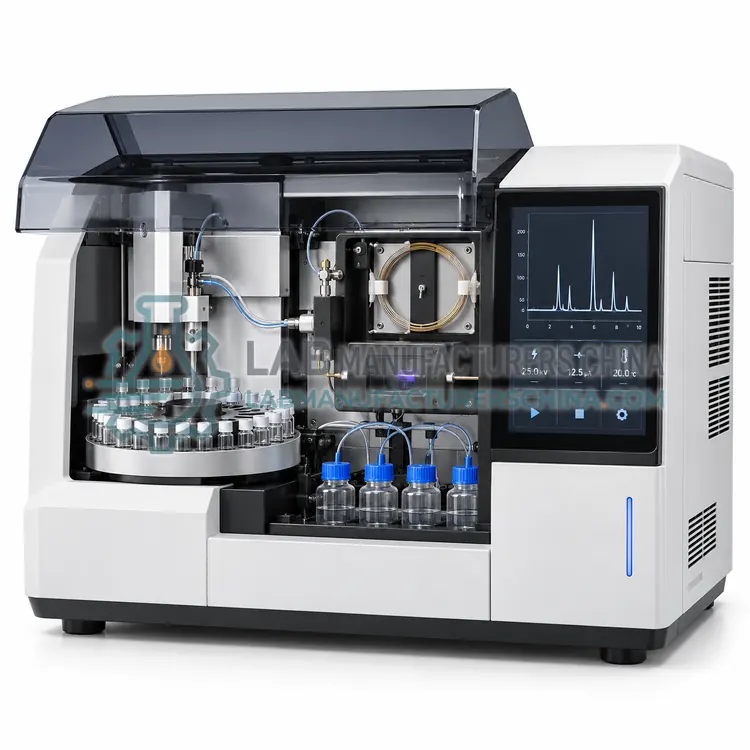
What are Electrophoresis Equipment?
Electrophoresis equipment is the group of instruments that move charged biomolecules through a porous matrix or a buffer-filled capillary under an applied electric field so that they separate by size, charge or both. The category covers horizontal tanks for agarose gels, vertical tanks for polyacrylamide gels, regulated power supplies that drive them, blotting systems that transfer separated molecules onto membranes for probing, and capillary electrophoresis analyzers that automate separation with on-line detection. Laboratories use these tools to check PCR products, verify plasmid digests, separate proteins, analyse nucleic acid integrity and characterise biopharmaceuticals. Choosing the right format depends on the molecule, the resolution required, the sample number and whether results must be documented in a regulated workflow.
How do Electrophoresis Equipment work?
A charged molecule in an electric field migrates toward the electrode of opposite charge at a speed set by its charge, size, shape and the viscosity and pore structure of the medium. Nucleic acids carry a uniform negative charge from their phosphate backbone, so in agarose or polyacrylamide they separate mainly by length. Proteins treated with SDS also acquire uniform charge and separate by molecular weight, while native and isoelectric focusing methods preserve or exploit intrinsic charge. A power supply holds voltage, current or power constant while buffer conducts the current and dissipates Joule heat. After the run, bands are stained or transferred to a membrane. In capillary electrophoresis, a narrow capillary gives high field strength, fast heat removal and automated optical detection.
Where are Electrophoresis Equipment used?
Electrophoresis equipment is used in almost every molecular biology and protein laboratory. Horizontal tanks check PCR amplicons, restriction digests and RNA integrity. Vertical systems resolve proteins by SDS-PAGE, native PAGE and two-dimensional methods, and support sequencing gels and small-fragment analysis. Blotting systems carry out Southern, northern and western transfers for hybridisation and immunodetection. Capillary electrophoresis supports DNA fragment sizing, short tandem repeat profiling for forensic identity, and purity and charge-variant testing of protein therapeutics in biopharmaceutical quality control. Clinical laboratories use it for serum protein and haemoglobin profiles, and food and agricultural laboratories use it for species and variety identification.
Which standards apply to Electrophoresis Equipment?
Electrophoresis equipment is electrical laboratory equipment, so the basic safety reference is IEC 61010-1 together with IEC 61010-2-010 where heating is involved, and the EMC requirements of IEC 61326-1. Power supplies that reach voltages above 60 V DC need interlocked lids and leakage-current limits. Analytical use in regulated settings draws on method standards such as USP <1053> for capillary electrophoresis, Ph. Eur. 2.2.31 for electrophoresis and ISO 17025 for testing-laboratory competence. Forensic and clinical users may also follow SWGDAM guidance and ISO 15189. Data-integrity expectations such as 21 CFR Part 11 apply to software-controlled analyzers.
How do I select the right electrophoresis equipment?
Start with the molecule and the resolution needed. Agarose in a horizontal tank suits DNA and RNA from about 100 bp to 20 kb, while polyacrylamide in a vertical tank suits proteins and fragments that differ by a few bases. Next set throughput: multi-comb and dual-tray tanks raise sample numbers, and blotting systems are added when detection on a membrane is required. Match the power supply to the tank, allowing for maximum voltage, current and any programmable steps. Choose capillary electrophoresis when you need automated injection, sizing accuracy, quantitation or audit-trailed data. Finally check the safety design, the availability of consumables such as combs and cassettes, and whether the supplier can provide IQ/OQ documentation.
Electrophoresis Equipment comparison
| Subcategory | Principle | Typical use | Key spec |
|---|---|---|---|
| Horizontal Electrophoresis | Submerged agarose gel separates nucleic acids by length | PCR product and digest checks, RNA integrity | Gel size 6 x 6 to 25 x 25 cm |
| Vertical Electrophoresis | Polyacrylamide gel between plates resolves proteins and small fragments | SDS-PAGE, native PAGE, 2D gels | Gel size 8 x 7 to 20 x 20 cm |
| Power Supplies | Regulated DC output drives migration | Powering tanks and blotting units | Up to 300–3000 V, 0.1–2 A |
| Blotting Systems | Electric field transfers molecules from gel to membrane | Southern, northern and western transfer | Transfer area 7 x 8.5 to 20 x 20 cm |
| Capillary Electrophoresis | Narrow capillary with on-line optical detection | STR and fragment analysis, protein purity | 1–96 capillaries, sizing to about 1 bp |
Frequently asked questions about Electrophoresis Equipment
Electrophoresis equipment separates charged molecules such as DNA, RNA and proteins by size or charge in an electric field. Laboratories use it to check PCR products, analyse nucleic acid integrity, resolve proteins, transfer molecules to membranes and size DNA fragments for research, clinical and quality control work.
Horizontal systems run a gel submerged flat in buffer and are used mainly for agarose gels that separate DNA and RNA. Vertical systems hold a gel between glass plates and are used for polyacrylamide gels that give higher resolution for proteins and short nucleic acid fragments.
Choose a power supply whose maximum voltage, current and power exceed the needs of your largest tank or blotting run. Constant-voltage, constant-current and constant-power modes, programmable steps, lid-interlock connectors and overload protection matter. Multiple outputs let you run several tanks at once.
Capillary electrophoresis is preferred when you need automated injection, high resolution, accurate fragment sizing, quantitative detection and audit-trailed data. It suits STR profiling, fragment analysis and biopharmaceutical purity testing, while slab gels remain economical for quick visual checks and large sample batches.
Tanks should have interlocked lids that cut power when opened, insulated electrode connectors and leak-resistant construction. Power supplies should provide overload, short-circuit and no-load detection, and comply with IEC 61010-1. Staff should also use UV shielding and handle stains and acrylamide according to local chemical safety rules.
Related categories
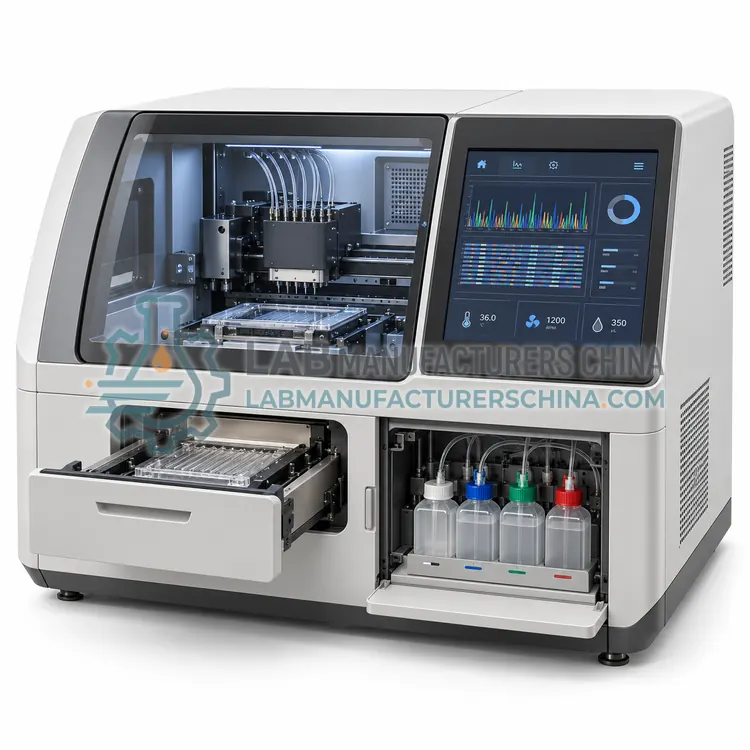 CGEE基因组学设备Genomics equipment covers the instruments used to extract, quantify, sequence and genotype nucleic acids, from automated extraction platforms and fragment analyzers to benchtop sequencers and library preparation systems. It is used by molecular biology, clinical, agrigenomics and microbial research laboratories.
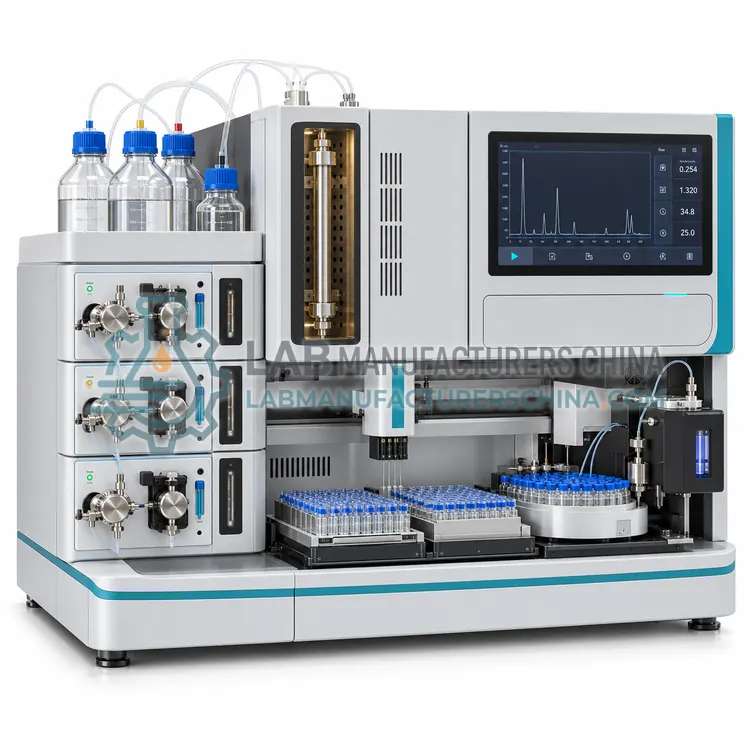 CPAE蛋白质分析设备Protein analysis equipment characterises proteins by concentration, size, charge, sequence, structure and binding behaviour, covering protein analyzers, western blot systems, protein electrophoresis, purification systems and protein imaging instruments. It is used in biochemistry, biopharmaceutical, clinical and food protein laboratories.
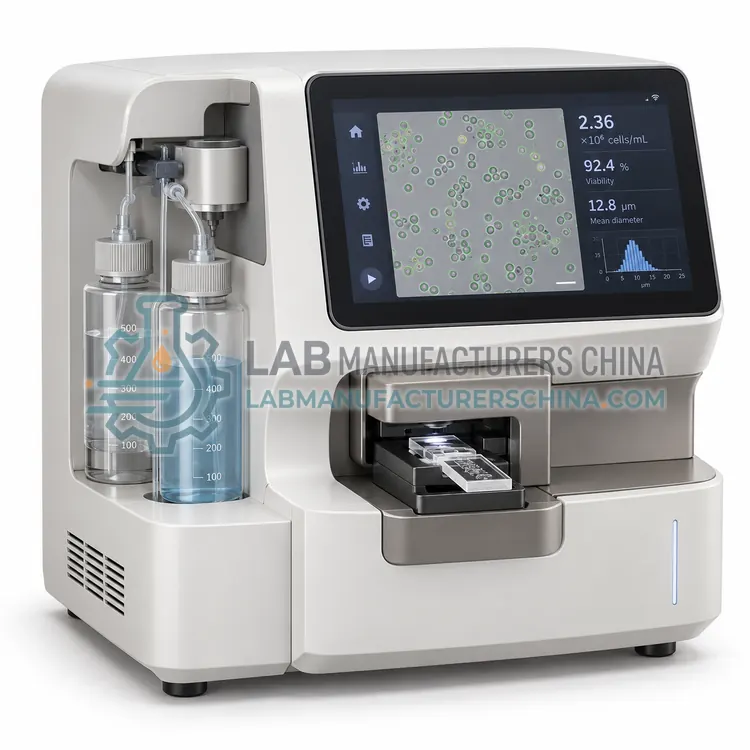 CCBE细胞生物学设备Cell biology equipment counts, analyses, images, separates and processes living cells, covering automated cell counters, flow cytometers and metabolic analysers, imaging systems, cell separation platforms and cell processing instruments. It is used in cell and cancer biology, immunology and bioprocess laboratories.
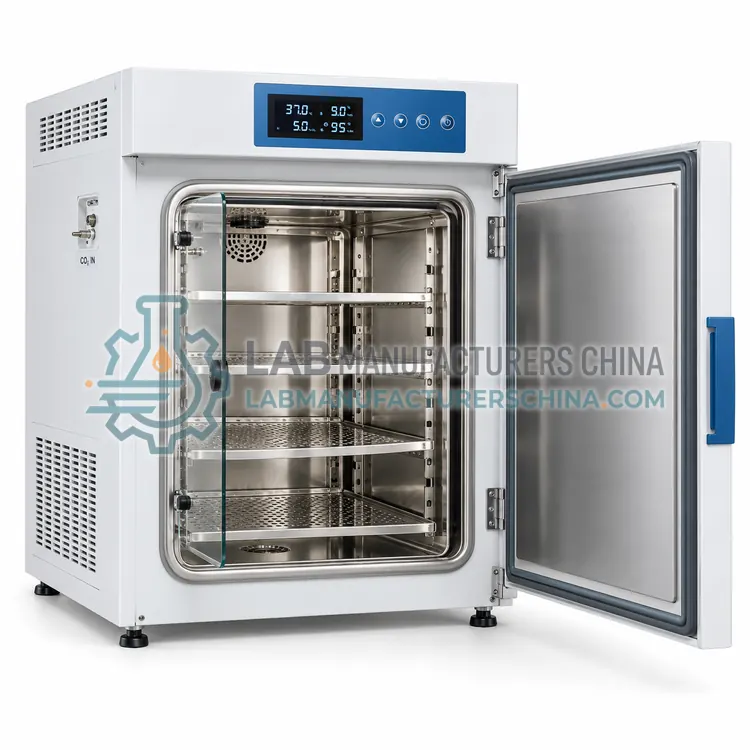 CCCE细胞培养设备Cell culture equipment provides the controlled environment, sterility and handling needed to grow cells outside the body, covering CO2 incubators, culture hoods, roller systems, automated culture platforms and monitoring instruments. It is used in research, bioprocess development and cell therapy laboratories.