
Flow Cytometry Equipment
流式细胞术设备
CFCE · Life Science & Biotechnology · 5 product types · 25 models
By Lab Manufacturers China Technical TeamLast reviewed
What are Flow Cytometry Equipment?
Flow cytometry equipment covers the instruments, consumables and software used to measure light scatter and fluorescence from individual cells or particles as they pass a laser beam. It includes analyzers, cell sorters, automated sample loaders, antibody reagents and acquisition and analysis software for immunology, hematology and cell biology laboratories.
5 product types in Flow Cytometry Equipment
The 5 product types below are grouped by the exact instrument you need.
- FCY5 models
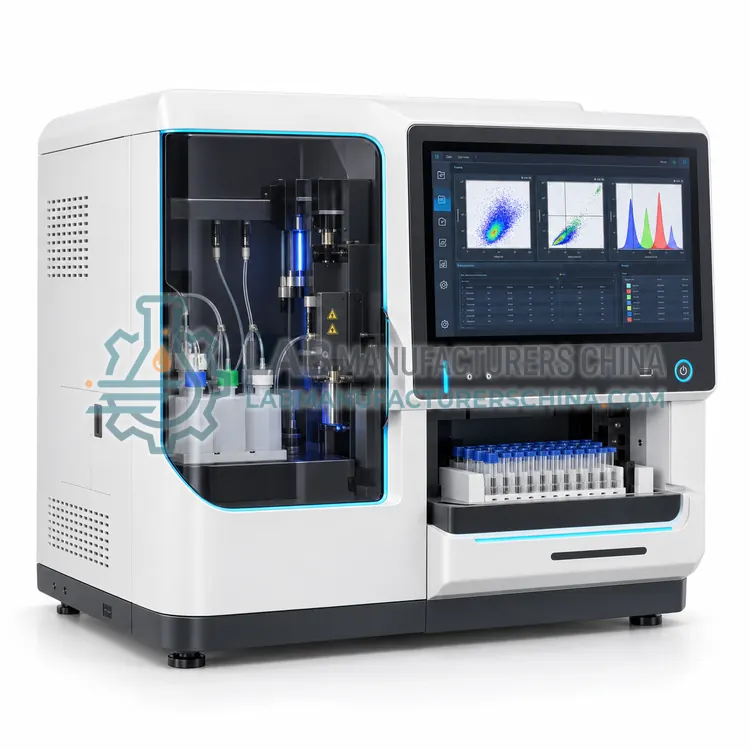
Flow Cytometers
流式细胞仪
Flow cytometers are analytical instruments that measure light scatter and fluorescence from individual cells or particles in a fluid stream as they cross one or more lasers. They quantify cell size, granularity and marker expression, and are used by clinical, immunology, stem cell and biopharmaceutical laboratories for phenotyping and counting.
- CSO5 models
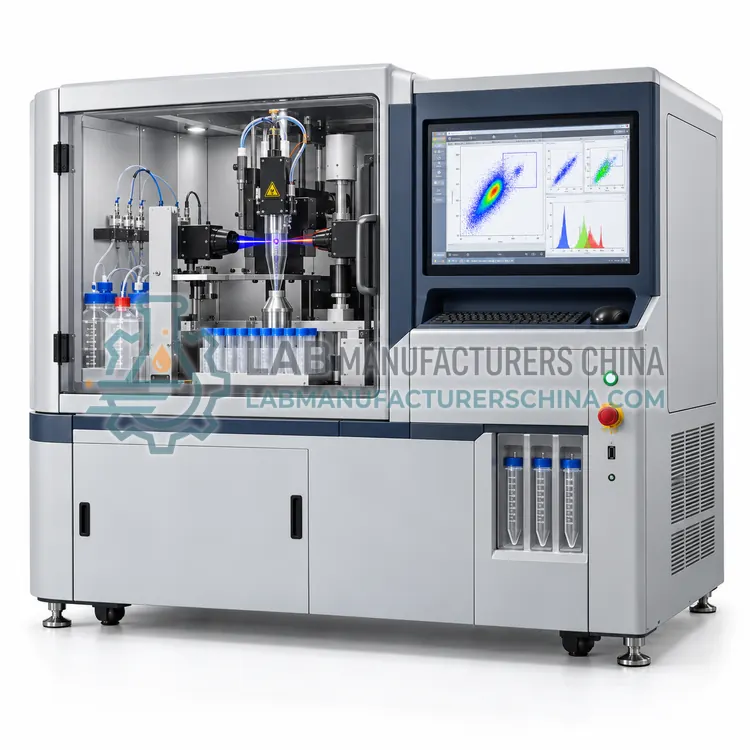
Cell Sorters
细胞分选仪
Cell sorters are flow cytometry instruments that identify cells by light scatter and fluorescence and then physically separate selected populations into collection tubes or plates. They deliver viable, high-purity cells for culture, sequencing and cloning in immunology, stem cell, cancer and gene-editing research laboratories.
- SAL5 models
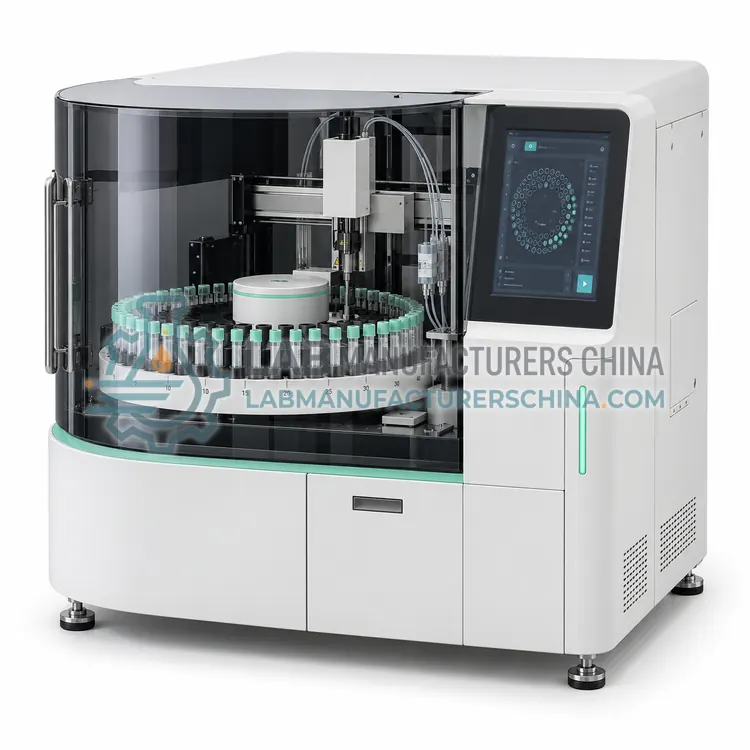
Sample Loaders
流式进样器
Flow cytometry sample loaders are automated accessories that present tubes or microplates to a cytometer's sample probe without manual handling. They mix, aspirate, inject and wash between samples, enabling unattended runs, consistent acquisition conditions and higher throughput in screening, clinical and biopharmaceutical laboratories.
- CYR5 models
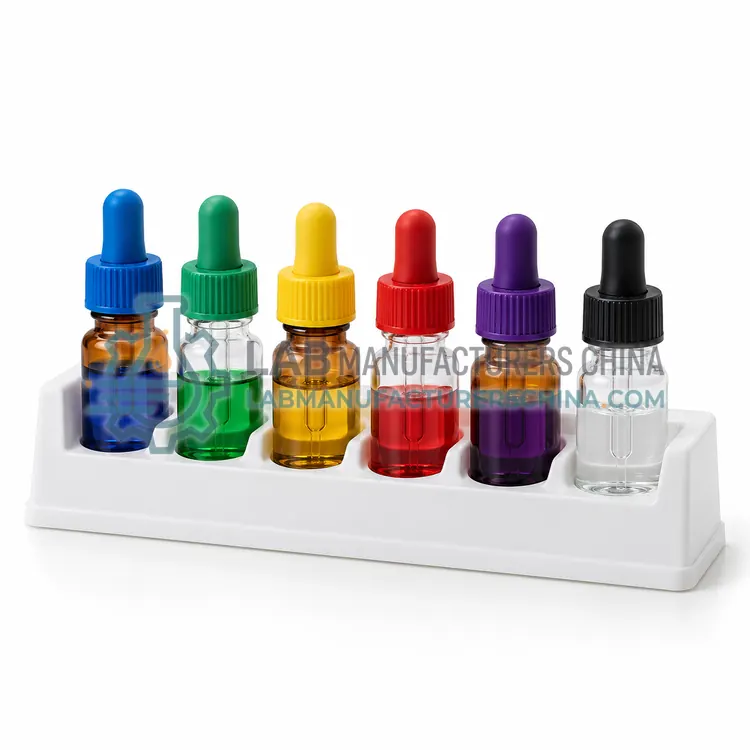
Cytometry Reagents
流式细胞术试剂
Cytometry reagents are the antibodies, dyes, beads and buffers used to label, preserve and calibrate cells for flow cytometric analysis. They include fluorochrome-conjugated antibodies, viability dyes, compensation and counting beads, fixation and permeabilization buffers and lysing solutions for immunology, hematology and cell biology.
- CYS5 models
Cytometry Software
流式细胞术软件
Cytometry software controls flow cytometers and cell sorters, records list-mode data and analyzes it through compensation, gating, statistics and visualization. It ranges from instrument acquisition packages to offline analysis, high-dimensional clustering and regulated clinical platforms, serving research, clinical and biopharmaceutical laboratories.
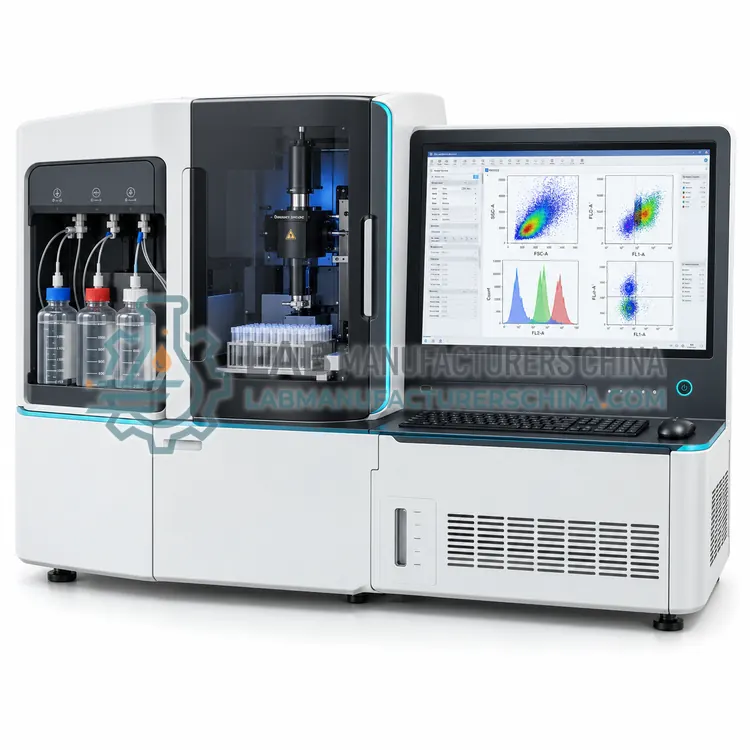
What are Flow Cytometry Equipment?
Flow cytometry is a single-cell analysis technique in which cells suspended in fluid are hydrodynamically focused into a narrow stream and interrogated one at a time by one or more lasers. Detectors record forward scatter, side scatter and fluorescence from labeled antibodies or dyes, allowing thousands of cells per second to be phenotyped, counted and characterized. The equipment category groups everything required to run this workflow: benchtop and high-parameter analyzers, fluorescence-activated cell sorters that physically isolate populations, plate and tube sample loaders that automate throughput, conjugated antibodies, viability dyes and compensation beads, and software for instrument control, compensation, gating, statistics and reporting. Instruments are typically specified by laser count, number of detectable colors, sensitivity, event rate and whether sorting or biosafety containment is required.
How do Flow Cytometry Equipment work?
A sheath fluid stream hydrodynamically focuses the sample so that cells pass the laser intercept in single file. Each cell scatters light: forward scatter relates to size, side scatter to internal granularity. Fluorochromes bound to antibodies or nucleic acid dyes are excited by lasers at wavelengths such as 405, 488, 561 and 640 nm, and emission is separated by dichroic mirrors and bandpass filters, or by a spectral prism array, onto photomultiplier tubes or avalanche photodiodes. Analog pulses are digitized, compensated for spectral overlap and stored as list-mode data in FCS format. Cell sorters add a vibrating nozzle that breaks the stream into droplets, an electrostatic charge applied to droplets containing target cells, and deflection plates that divert them into collection tubes or plates.
Where are Flow Cytometry Equipment used?
Flow cytometry equipment is used wherever cell populations must be quantified or isolated at single-cell resolution. Clinical and research laboratories perform immunophenotyping of lymphocyte subsets, CD34 stem cell enumeration and minimal residual disease detection in leukemia. Cell biology groups measure apoptosis, cell cycle distribution by DNA content, proliferation and intracellular signaling. Biopharmaceutical teams use cytometry for cell line development, CAR-T product characterization and viability testing during bioprocessing. Microbiology and environmental laboratories count bacteria and phytoplankton, and immunologists analyze cytokine production by intracellular staining. Cell sorters support single-cell cloning, stem cell enrichment, sorting for sequencing, and gene-editing workflows, while bead-based multiplex assays read secreted proteins from small sample volumes.
Which standards apply to Flow Cytometry Equipment?
Flow cytometry practice is guided by consensus documents rather than a single instrument standard. CLSI H62 covers validation of assays performed by flow cytometry, and CLSI H43 addresses clinical flow cytometric analysis of neoplastic hematolymphoid cells. ISO 20391-1 and ISO 20391-2 describe cell counting methods and quality evaluation. The ISAC data standard defines the FCS file format. Instrument electrical safety follows IEC 61010-1 and IEC 61010-2-101 for in vitro diagnostic equipment, while laser products are classified under IEC 60825-1. Cell sorters handling biohazardous material are commonly operated with reference to ISO 14698 and EN 12469 biosafety cabinet principles.
How do I select the right flow cytometry equipment?
Start with the panel you need to run. The number of simultaneous fluorescent parameters determines laser count and detector channels: a 4 to 6 color clinical panel can run on a 1 to 2 laser analyzer, while high-dimensional immunology panels need 4 or more lasers or a spectral detection design. Confirm sensitivity for dim markers and small particles, for example by MESF bead resolution and side scatter sensitivity for extracellular vesicles or bacteria. Decide whether you need sorting, and if so what purity, yield and biosafety containment are required. Evaluate throughput, including event rate and whether a plate or tube loader is needed. Check reagent availability and validated protocols, and confirm that the acquisition software supports your compensation, audit-trail and data-export needs, particularly in regulated settings.
Flow Cytometry Equipment comparison
| Subcategory | Principle | Typical use | Key spec |
|---|---|---|---|
| Flow Cytometers | Hydrodynamic focusing with laser excitation and multi-channel fluorescence detection | Immunophenotyping, cell cycle, apoptosis | 1–5 lasers, 4–30+ colors |
| Cell Sorters | Droplet or microfluidic sorting after fluorescence gating | Population isolation, single-cell cloning | Up to 70,000 events/s, purity above 95% |
| Sample Loaders | Automated tube or plate handling with probe and carry-over control | High-throughput screening, unattended runs | 96/384-well plates, carry-over below 0.5% |
| Cytometry Reagents | Fluorochrome-conjugated antibodies and dyes bind target antigens or nucleic acids | Staining panels, viability, calibration | Conjugate brightness and spectral match |
| Cytometry Software | Acquisition control, compensation, gating and statistics on FCS data | Data analysis, reporting, compliance | FCS 3.1 support, audit trail |
Frequently asked questions about Flow Cytometry Equipment
It measures light scatter and fluorescence from individual cells passing a laser, letting laboratories count, phenotype and characterize cell populations. Typical uses include immunophenotyping, stem cell enumeration, cell cycle and apoptosis analysis, cell line development, and isolating specific populations with a cell sorter.
A flow cytometer only analyzes cells and discards them after measurement. A cell sorter adds a droplet-generating nozzle, charging electrode and deflection plates so that cells meeting gate criteria are physically collected alive for culture, sequencing or further experiments.
It depends on the panel. Routine clinical panels of 4 to 8 colors typically run on one or two lasers, while research panels of 12 to 30 or more markers need three to five lasers or a spectral detection system. Size the instrument to your most complex validated panel plus some margin.
CLSI H62 covers validation of flow cytometric assays and CLSI H43 covers clinical analysis of neoplastic hematolymphoid cells. ISO 20391 addresses cell counting, and instruments must meet IEC 61010-1 electrical safety and IEC 60825-1 laser classification. Data are stored in the ISAC FCS format.
Yes. Daily quality control with fluorescent beads checks laser alignment, detector sensitivity and fluidics stability. Laboratories track voltage settings, median fluorescence intensity and coefficient of variation over time, and perform periodic service, including laser power and optical alignment checks, following the manufacturer schedule.
Related categories
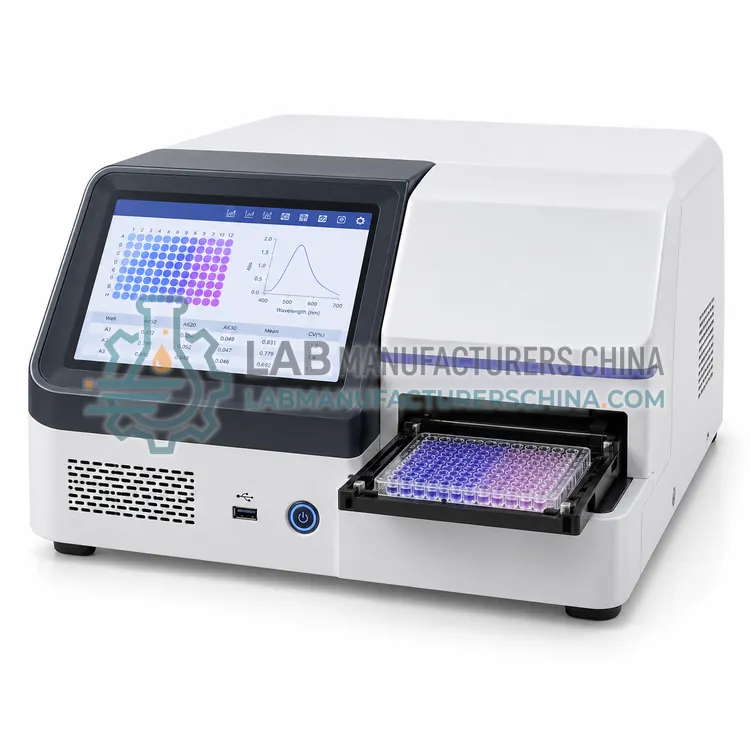 CMIE微孔板设备Microplate equipment covers the instruments used to process assays in 6- to 1536-well plates, including readers that measure absorbance, fluorescence and luminescence, washers, shakers, liquid dispensers and incubators. Immunoassay, cell-based screening, clinical diagnostic and quality control laboratories use them to run parallel, reproducible tests.
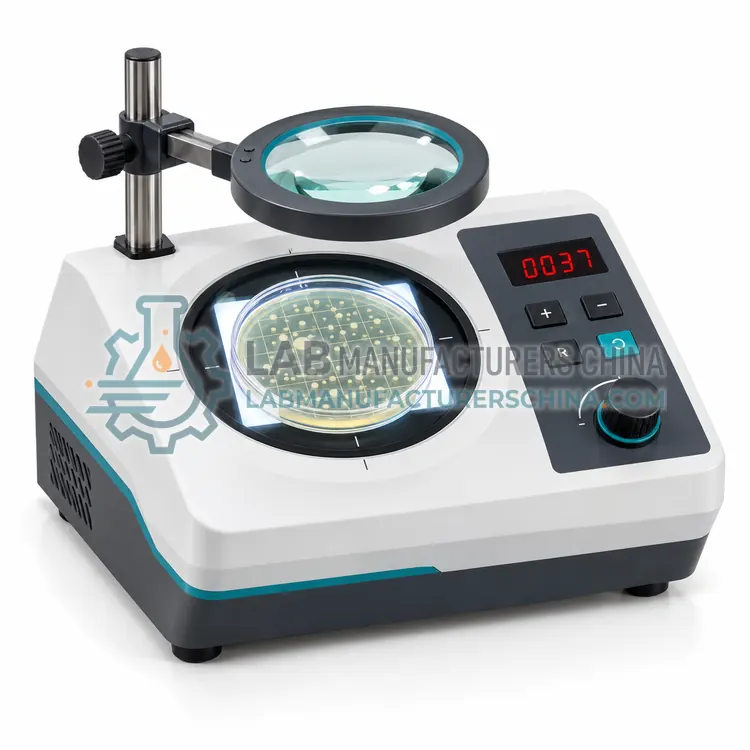 CMEQ微生物学设备Microbiology equipment covers the instruments used to culture, count, identify and inactivate microorganisms in clinical, pharmaceutical, food, water and research laboratories. It includes colony counters, anaerobic systems, identification systems, culture incubators and shakers, and autoclaves and other sterilizers.
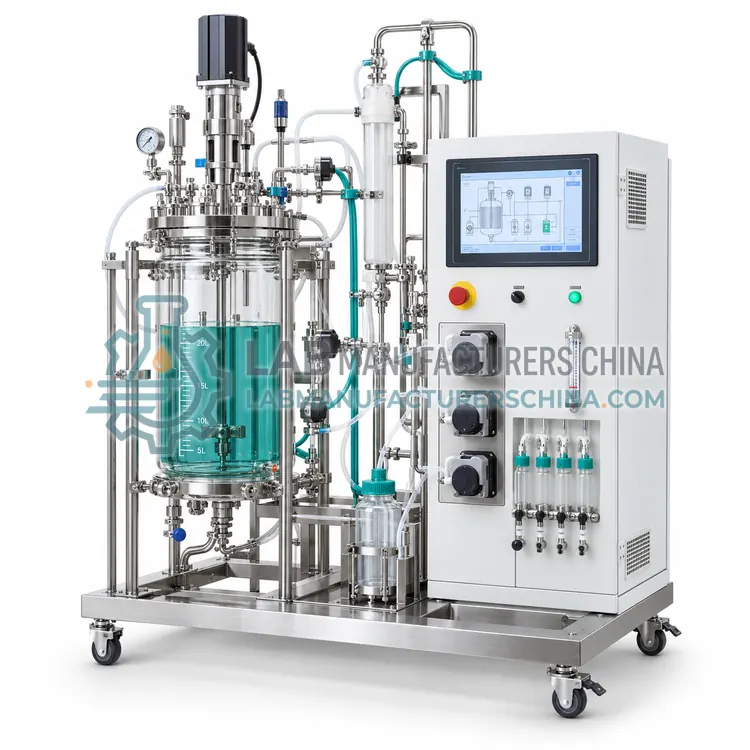 CBIE生物技术设备Biotechnology equipment covers the instruments and systems used to grow, process and purify biological materials at laboratory and production scale. It spans bioprocess systems, cell processing, protein purification, molecular processing and automation platforms for biopharmaceutical, diagnostics and research laboratories.
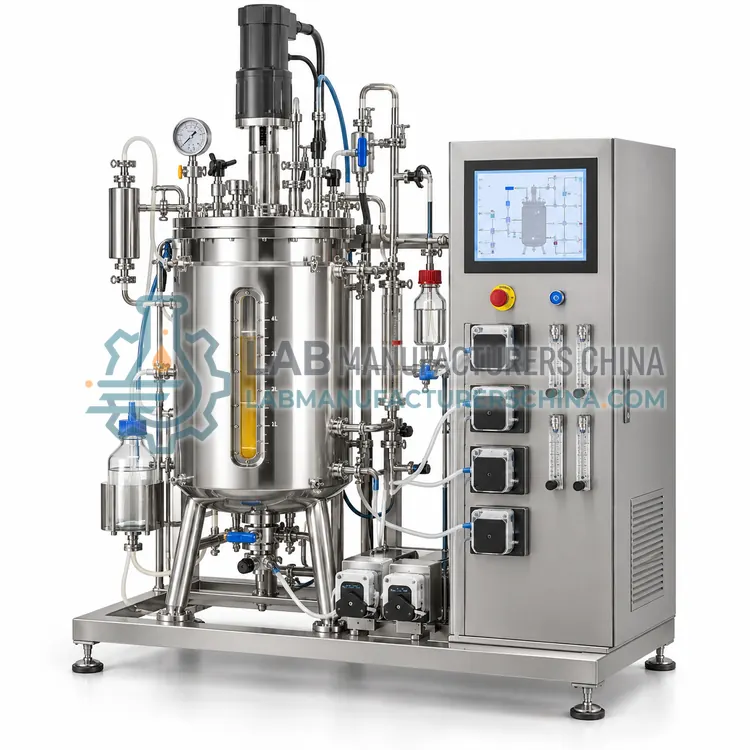 CFEE发酵设备Fermentation equipment covers the vessels and control systems used to cultivate microorganisms and cells under controlled conditions for research and production. It ranges from laboratory fermenters to pilot and production tanks with instrumentation for temperature, pH, dissolved oxygen, aeration and feeding.