
Life Science Equipment
生命科学设备
CLIF · Life Science & Biotechnology · 5 product types · 25 models
By Lab Manufacturers China Technical TeamLast reviewed
What are Life Science Equipment?
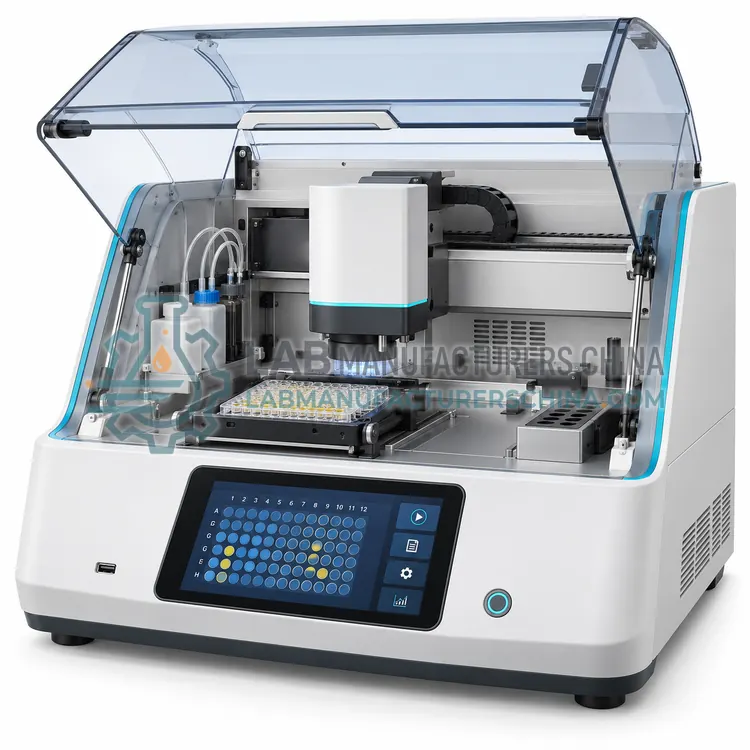
Life science equipment covers the instruments used to prepare, count, characterize and image biological samples, including homogenizers and centrifuges, flow cytometers, real-time PCR and sequencing-adjacent systems, protein analyzers, and microscopes. It supports research, biopharmaceutical development, diagnostics and academic teaching laboratories.
5 product types in Life Science Equipment
The 5 product types below are grouped by the exact instrument you need.
- SAP5 models
Sample Processing
样品处理设备
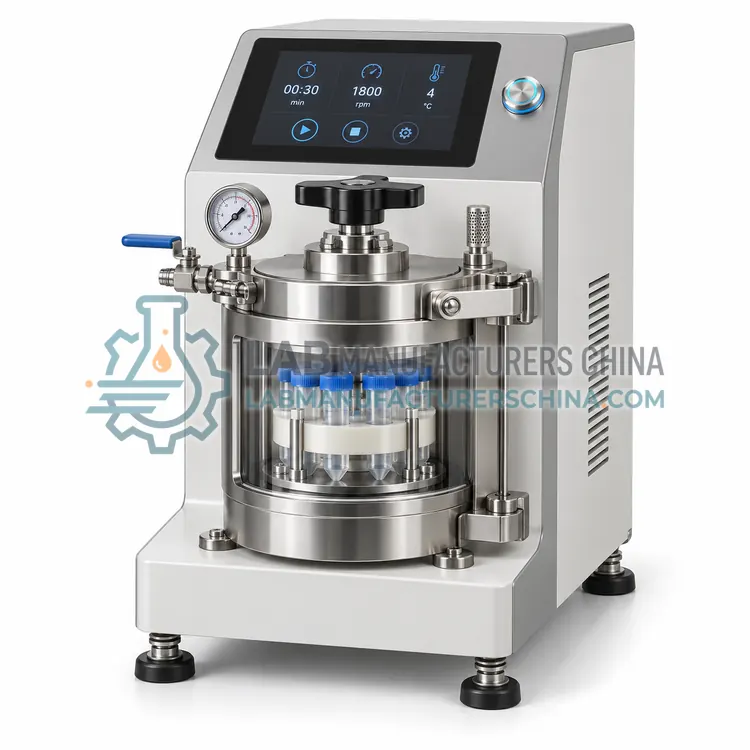
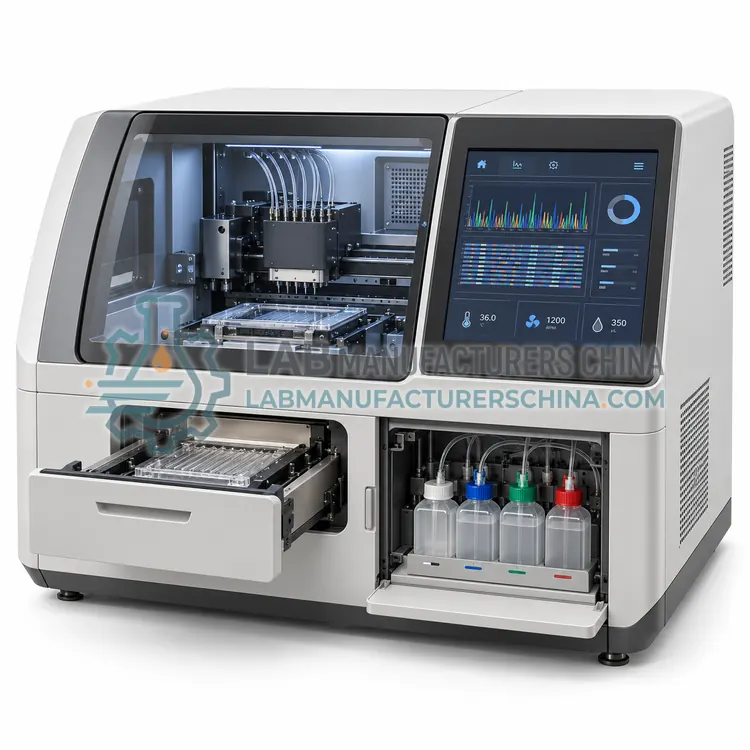
Sample processing equipment for life science disrupts, homogenizes, separates and prepares biological material such as tissue, cells and microbes before nucleic acid, protein or cell-based analysis. It includes bead mills, ultrasonic disruptors, high-pressure cell disruptors, refrigerated microcentrifuges and automated liquid handlers used in research and biopharmaceutical laboratories.
- CEA5 models
Cell Analysis
细胞分析仪器
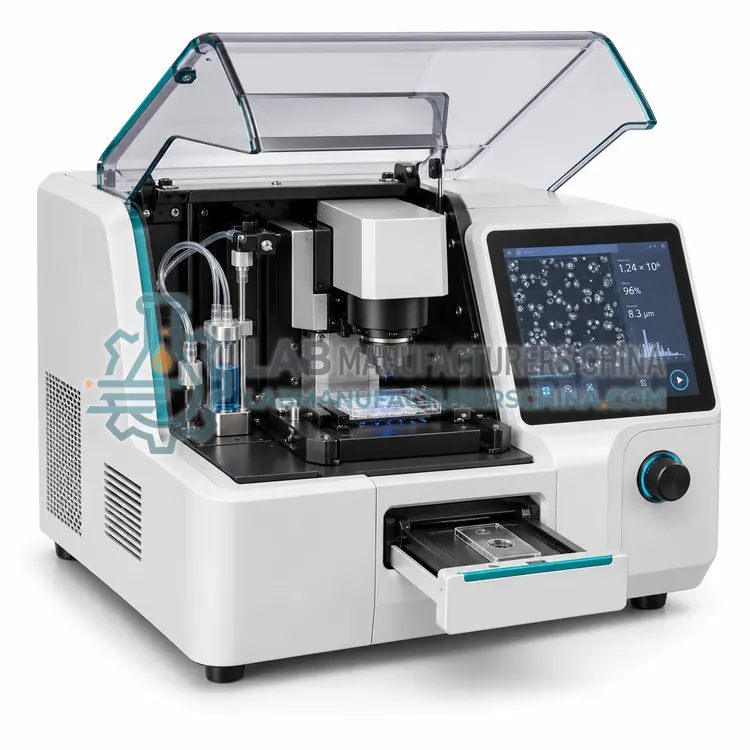
Cell analysis instruments count cells, measure viability and size, and characterize cell populations using image analysis, electrical impedance or laser-based detection. They are used in cell culture, cell therapy, biopharmaceutical bioprocessing, immunology and cancer research to standardize seeding density and monitor culture health.
- MOA5 models
Molecular Analysis
分子分析仪器
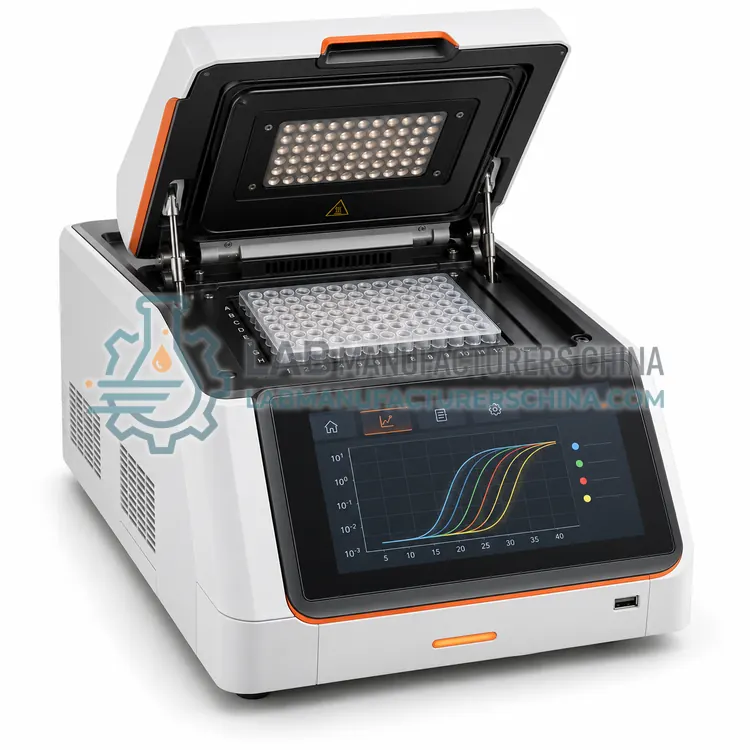
Molecular analysis instruments detect and quantify nucleic acid targets using real-time PCR, digital PCR and isothermal amplification with fluorescence readout. They are used to measure gene expression, detect pathogens, verify genetic variants and quantify viral vectors in research, biopharmaceutical, public health and agricultural laboratories.
- PRA5 models
Protein Analysis
蛋白分析仪器
Protein analysis instruments quantify, separate, detect and purify proteins using absorbance, fluorescence, chemiluminescence, electrophoresis and chromatography. They support expression studies, immunoassays, antibody characterization and biopharmaceutical quality control in research, biotechnology and pharmaceutical development laboratories.
- ISY5 models
Imaging Systems
成像系统
Imaging systems capture optical, fluorescence or luminescence signals from cells, tissues and small animals and turn them into quantitative images. The group covers inverted fluorescence platforms, live-cell incubator systems, high-content screening readers, whole-slide scanners and in vivo optical imagers used in life science research.
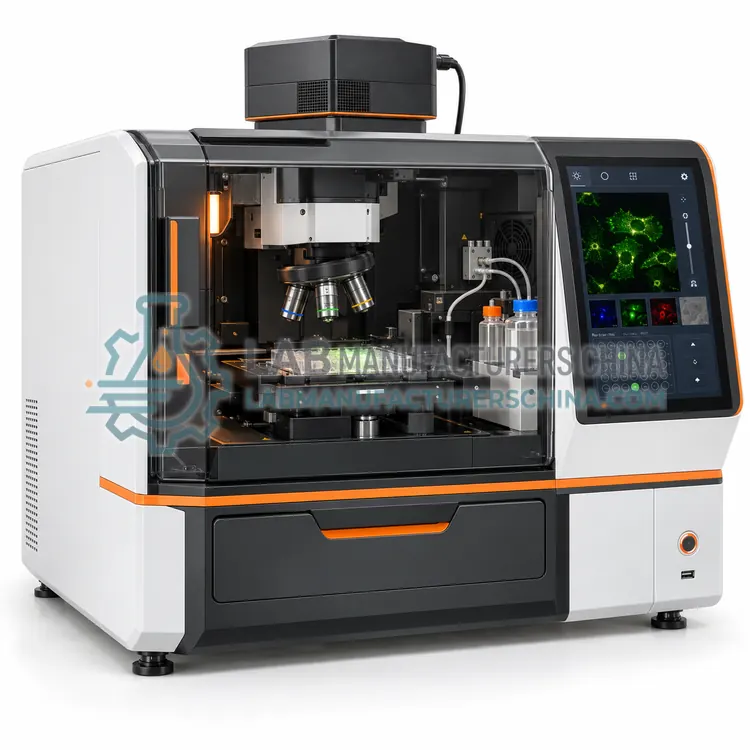
What are Life Science Equipment?
Life science equipment is the group of instruments that turn biological material, such as tissue, cells, nucleic acids and proteins, into measurable data. The category is organized along the typical workflow: sample processing (homogenization, lysis, centrifugation, automated preparation), cell analysis (counting, viability, flow cytometry), molecular analysis (real-time PCR, digital PCR, nucleic acid quantification), protein analysis (capillary and gel-based separation, immunoassay readers, Western blot imaging) and imaging systems (fluorescence, confocal and live-cell microscopy). Instruments range from benchtop units for a single research group to high-throughput platforms for core facilities and bioprocess development laboratories. Because biological samples are variable and often scarce, reproducibility, contamination control and traceable data handling are central design concerns.
How do Life Science Equipment work?
Most life science instruments combine a sample-handling stage with an optical or electrochemical detection stage. Sample processing relies on mechanical force (bead beating, rotor-stator shear, centrifugal fields measured in relative centrifugal force) to disrupt or separate material. Cell analyzers use hydrodynamic focusing, electrical impedance or image-based detection to count and classify cells, while flow cytometers excite fluorophores with lasers and collect scattered and emitted light through filter sets. Molecular systems thermocycle reaction mixtures and read fluorescence each cycle to quantify amplification. Protein analyzers separate molecules by size or charge in gels or capillaries and detect them with UV, fluorescence or chemiluminescence. Imaging systems pair objectives, illumination sources and sensitive cameras with software for acquisition and quantitative analysis.
Where are Life Science Equipment used?
Life science instruments are used wherever biological samples are characterized. Academic research laboratories use them for gene expression studies, cell biology and protein interaction work. Biopharmaceutical developers rely on cell counters, flow cytometers and protein analyzers for cell line development, titer and purity checks, and process monitoring. Clinical research and diagnostic development groups use real-time PCR and immunoassay readers for assay development and verification. Agricultural, food and environmental laboratories apply molecular and cell methods to pathogen detection and species identification. Core facilities provide shared access to imaging and cytometry platforms, and teaching laboratories use robust benchtop systems for training students in microscopy, PCR and electrophoresis workflows.
Which standards apply to Life Science Equipment?
Life science equipment is governed mainly by general electrical and laboratory safety standards rather than a single product standard. IEC 61010-1 and the IEC 61010-2 series cover electrical safety, and IEC 61326-1 covers electromagnetic compatibility for laboratory equipment. Laser-based instruments follow IEC 60825-1 for laser product safety. Optical microscopes are addressed by ISO 8039 and ISO 10110 for optical elements where relevant. Laboratories working under quality systems typically reference ISO/IEC 17025 or ISO 15189 for competence, and regulated users may require 21 CFR Part 11 style audit trails in software. Biosafety practice follows ISO 35001 and the WHO Laboratory Biosafety Manual.
How do I select the right life science equipment?
Begin by defining the sample type and the decision the data must support, because this determines the sub-category. Next, set throughput: samples per day, plate or tube format and whether walk-away automation is needed. Check sensitivity and dynamic range against your lowest expected signal, for example cells per milliliter, copies per reaction or protein ng per lane. Confirm consumable availability and cost per sample, since open-format systems allow generic reagents while closed systems may lock you to one supplier. Evaluate software for data export, user access control and audit trail if you operate in a regulated environment. Finally, consider bench footprint, service access, electrical supply, and whether operators need training in a particular workflow.
Life Science Equipment comparison
| Subcategory | Principle | Typical use | Key spec |
|---|---|---|---|
| Sample Processing | Mechanical disruption, centrifugal separation | Tissue lysis, homogenization, sample clean-up | Speed, RCF, tube format |
| Cell Analysis | Impedance, image or laser-based detection | Cell counting, viability, immunophenotyping | Count range, fluorescence channels |
| Molecular Analysis | Thermocycling with fluorescence readout | Gene expression, pathogen and variant detection | Well format, channels, ramp rate |
| Protein Analysis | Size or charge separation with optical detection | Purity, expression and titer analysis | Sensitivity, samples per run |
| Imaging Systems | Optical microscopy with sensitive cameras | Fluorescence, live-cell and confocal imaging | Resolution, magnification, camera sensor |
Frequently asked questions about Life Science Equipment
Life science equipment is the set of instruments used to prepare, count, separate, measure and image biological samples such as cells, nucleic acids and proteins. It includes homogenizers, centrifuges, cell counters, flow cytometers, PCR systems, protein analyzers and microscopes used in research, biopharma and diagnostics.
Choose an automated cell counter when you only need concentration and viability, typically in seconds per sample. Choose a flow cytometer when you must identify subpopulations using multiple fluorescent markers or sort cells. Cytometers need trained operators, fluidics maintenance and more bench space, whereas counters are simple benchtop tools.
Electrical safety is covered by IEC 61010-1 and relevant IEC 61010-2 parts, and electromagnetic compatibility by IEC 61326-1. Laser instruments follow IEC 60825-1. Laboratory competence frameworks such as ISO/IEC 17025 or ISO 15189 apply to the laboratory, not the instrument, but they drive calibration and record requirements.
Match the instrument to plate format and daily sample count. Research groups often run 96-well real-time PCR plates a few times per day, while screening or diagnostic development may need 384-well formats and automated loading. Include sample preparation in the estimate, since extraction is frequently the rate-limiting step.
It depends on the regulatory context. Research-use laboratories often only need data export and basic user accounts. Laboratories supporting GLP, GMP or clinical work usually require individual logins, role-based access and electronic audit trails consistent with 21 CFR Part 11 or EU Annex 11 expectations, so confirm these features before purchase.
Related categories
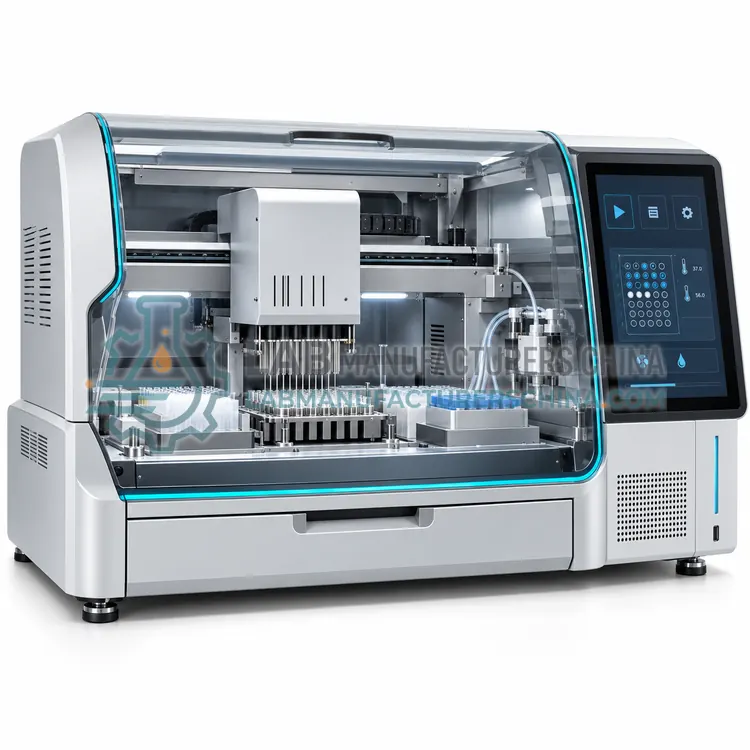 CMBE分子生物学设备Molecular biology equipment covers instruments for extracting, amplifying, separating, visualizing and quantifying DNA and RNA. It includes nucleic acid extraction systems, thermal cyclers and real-time PCR instruments, electrophoresis units, gel documentation systems and spectrophotometric nucleic acid analyzers used in research, diagnostics, agriculture and forensics.
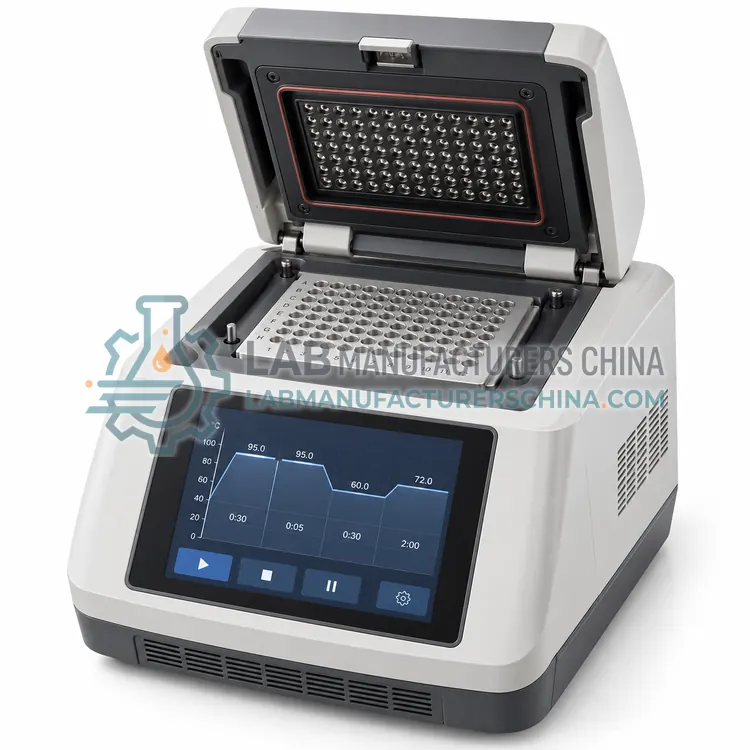 CPCEPCR 设备PCR equipment covers instruments and enclosures used to amplify and quantify nucleic acids by the polymerase chain reaction, including conventional, real-time, digital and gradient thermal cyclers and contamination-control workstations. Clinical, research, forensic, food safety and environmental laboratories use them to detect, quantify and study DNA and RNA targets.
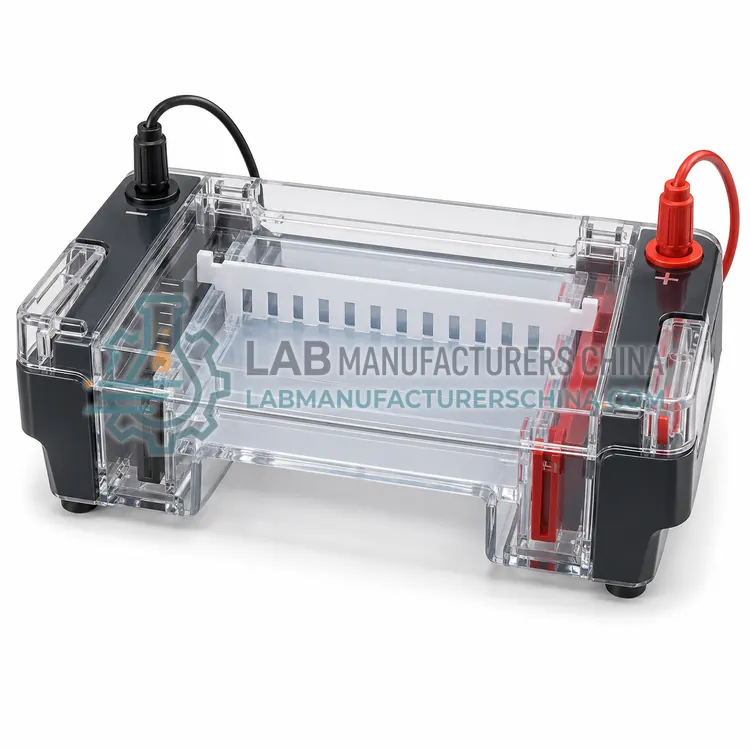 CELE电泳设备Electrophoresis equipment separates charged molecules such as DNA, RNA and proteins in an electric field through a gel or capillary. It includes horizontal and vertical gel tanks, power supplies, blotting systems and capillary electrophoresis analyzers used in molecular biology, clinical, quality control and forensic laboratories.
 CGEE基因组学设备Genomics equipment covers the instruments used to extract, quantify, sequence and genotype nucleic acids, from automated extraction platforms and fragment analyzers to benchtop sequencers and library preparation systems. It is used by molecular biology, clinical, agrigenomics and microbial research laboratories.