How do Sample Processing work?
Sample processing instruments apply controlled energy to break down biological structures and then separate the components of interest. Bead mills shake tubes containing ceramic, glass or steel beads at several meters per second so that impact and shear rupture cells and tissue. Ultrasonic disruptors drive a titanium probe at about 20 kHz, and cavitation bubble collapse lyses cells. High-pressure disruptors force suspensions through a narrow valve at 500 to 2,000 bar, generating shear and pressure drop. Centrifuges separate particles by sedimentation in a centrifugal field expressed as relative centrifugal force (RCF), with refrigeration to protect labile molecules. Automated liquid handlers use air-displacement or positive-displacement pipetting channels and deck-mounted labware to transfer, dilute and plate samples reproducibly.
Which Sample Processing variants are available?
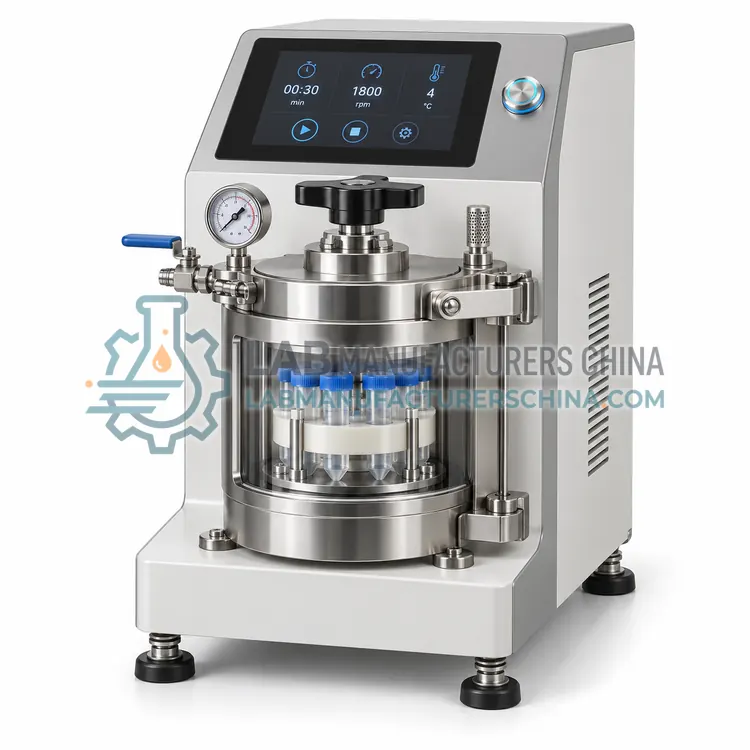
- Bead Mill Tissue Homogenizer — A bead mill tissue homogenizer shakes sealed tubes containing grinding beads at high frequency to disrupt tissue, plant material, spores and bacteria.
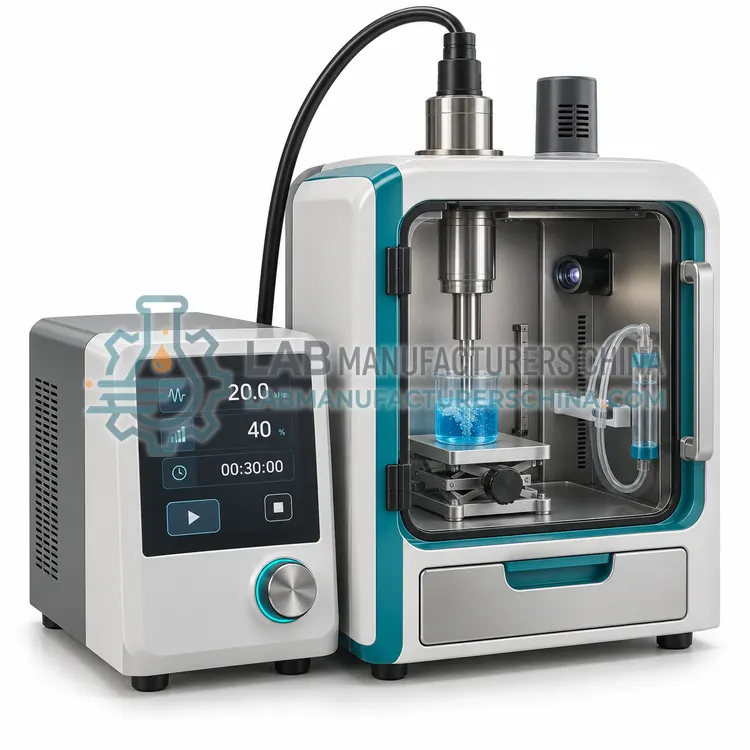
- Ultrasonic Cell Disruptor — An ultrasonic cell disruptor uses a high-frequency titanium probe to lyse cells by cavitation, and it can also shear DNA or emulsify samples.
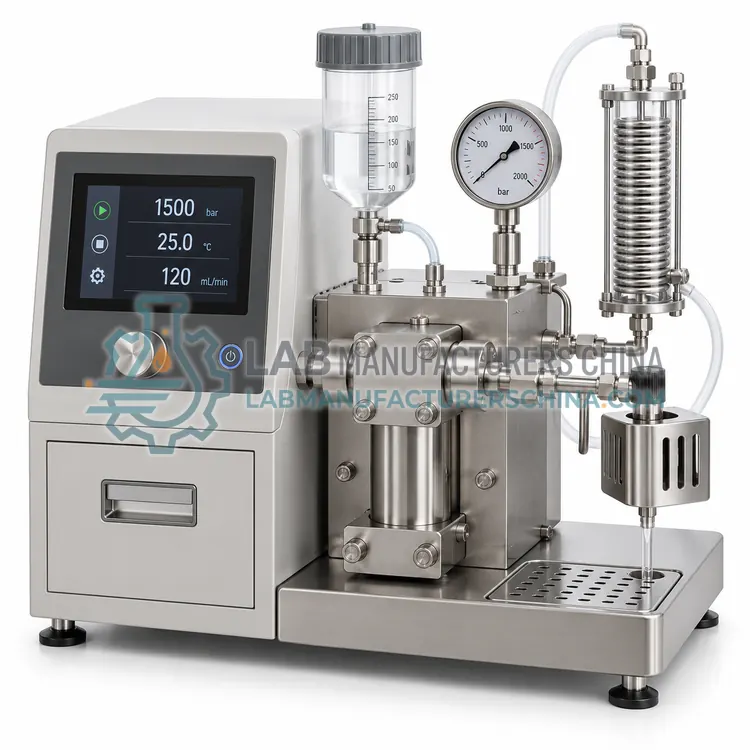
- High-Pressure Cell Disruptor — A high-pressure cell disruptor forces a cell suspension through a narrow valve at 500 to 2,000 bar to rupture microbial and mammalian cells.
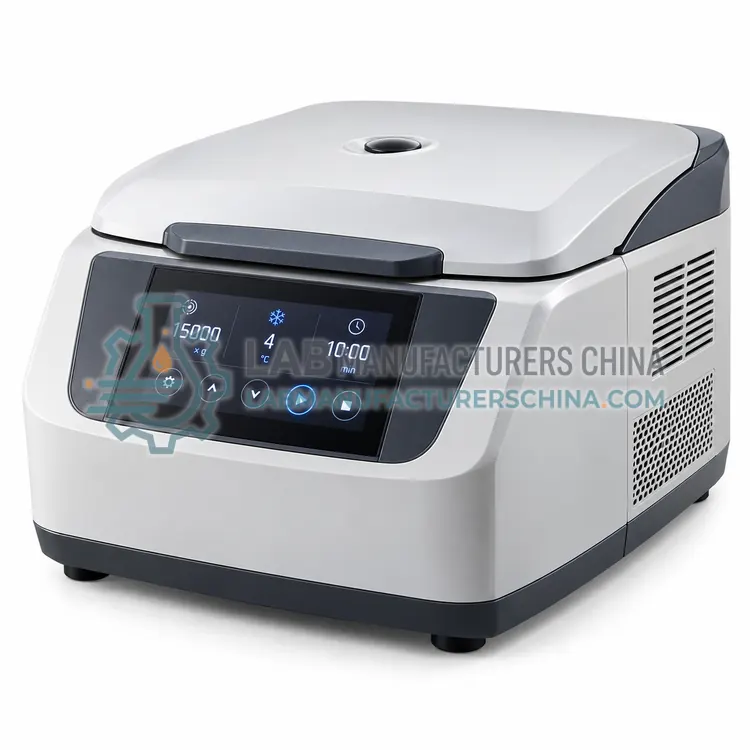
- Refrigerated High-Speed Microcentrifuge — A refrigerated high-speed microcentrifuge spins 0.2 to 2.0 mL tubes at up to about 21,000 × g while holding samples at 4 °C or lower.
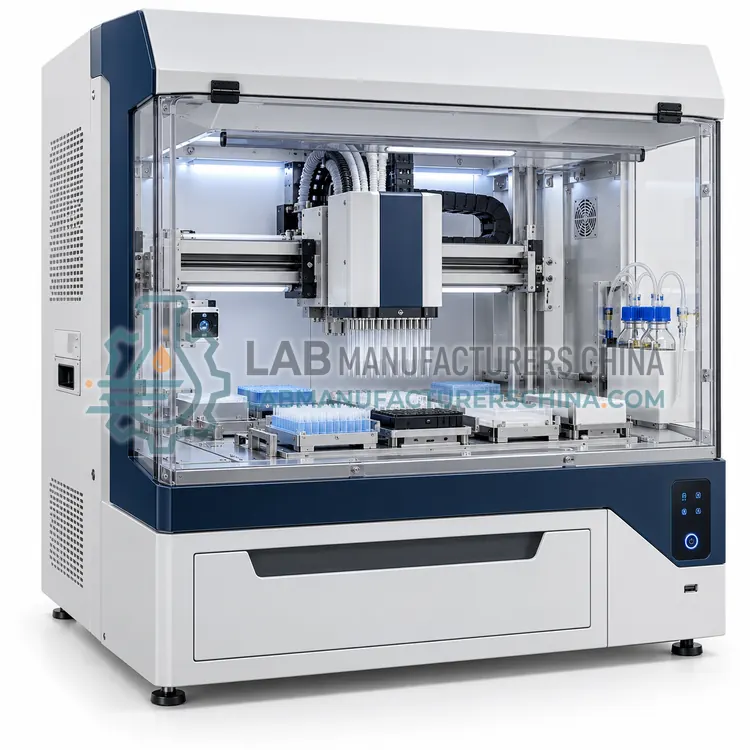
- Automated Liquid Handling Workstation — An automated liquid handling workstation dispenses, dilutes and transfers samples and reagents between tubes and microplates using programmable pipetting channels.
How do I choose the right variant?
Select by sample type first. Tough or fibrous tissue, plant material and spores need bead beating or rotor-stator shear, while soft tissue and cultured cells can be lysed by sonication or detergent-assisted methods. Consider batch size: bead mills handle 24 to 48 tubes at once, whereas probe sonicators process one sample at a time. Match the instrument to the downstream target, since heat and shear damage RNA and intact proteins, making cooling and pulse control important. For separation, choose rotor capacity and maximum RCF for your tube formats, and confirm refrigeration down to 4 °C or lower. For automation, define the number of deck positions, tip formats and volume range, and confirm that scripting software supports your protocol.
Where are Sample Processing used?
Sample Processing are specified in tissue homogenization for RNA extraction, bacterial and yeast cell lysis, protein extraction for Western blot, nucleic acid extraction pre-treatment and automated library and assay plate preparation.
Which standards and certifications apply?
Work with Sample Processing is commonly governed by IEC 61010-1, IEC 61010-2-020, IEC 61326-1, ISO 8655 and IEC 61010-2-010. Instrument certifications such as CE marking are confirmed per configuration and never assumed.
What are the key considerations before purchase?
Place heavy instruments such as centrifuges on a level, vibration-free bench and allow ventilation clearance. Check rotors and buckets for wear, and log run hours against manufacturer limits. Probe sonicators and bead mills need sound enclosures and hearing protection. Calibrate pipetting channels periodically, typically with gravimetric or photometric checks per ISO 8655, and verify centrifuge speed with a tachometer. Clean between samples to avoid carry-over, using nuclease-free consumables for RNA work. Aerosol-generating steps involving infectious material should be performed in a biosafety cabinet or sealed rotors, following local biosafety rules.