
Biotechnology Equipment
生物技术设备
CBIE · Life Science & Biotechnology · 5 product types · 25 models
By Lab Manufacturers China Technical TeamLast reviewed
What are Biotechnology Equipment?
Biotechnology equipment covers the instruments and systems used to grow, process and purify biological materials at laboratory and production scale. It spans bioprocess systems, cell processing, protein purification, molecular processing and automation platforms for biopharmaceutical, diagnostics and research laboratories.
5 product types in Biotechnology Equipment
The 5 product types below are grouped by the exact instrument you need.
- BIS5 models
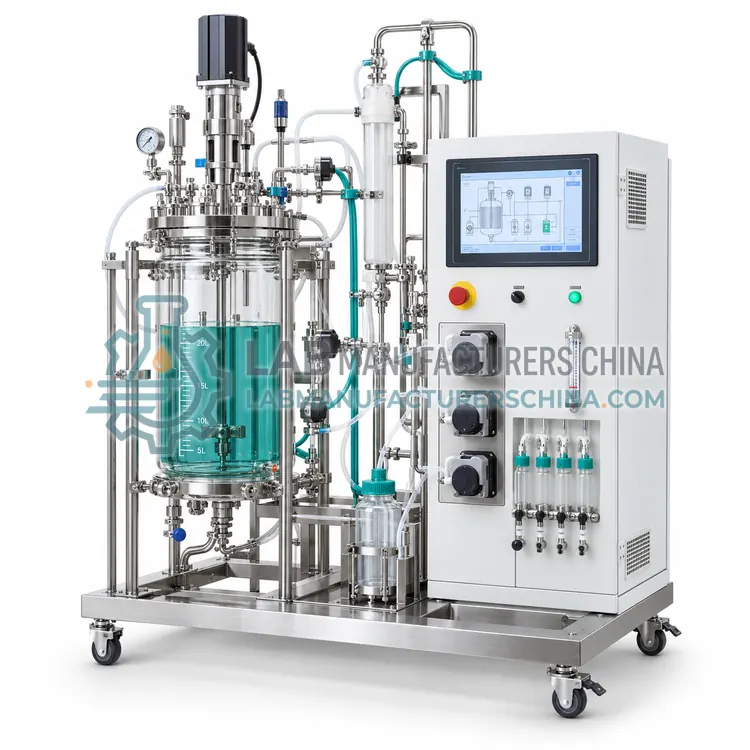
Bioprocess Systems
生物工艺系统
Bioprocess systems are integrated equipment trains that cultivate, harvest, purify and control biological products at development and production scale. They combine vessels, sensors, pumps, chromatography and software into a documented process for biopharmaceutical manufacturing.
- CPR5 models
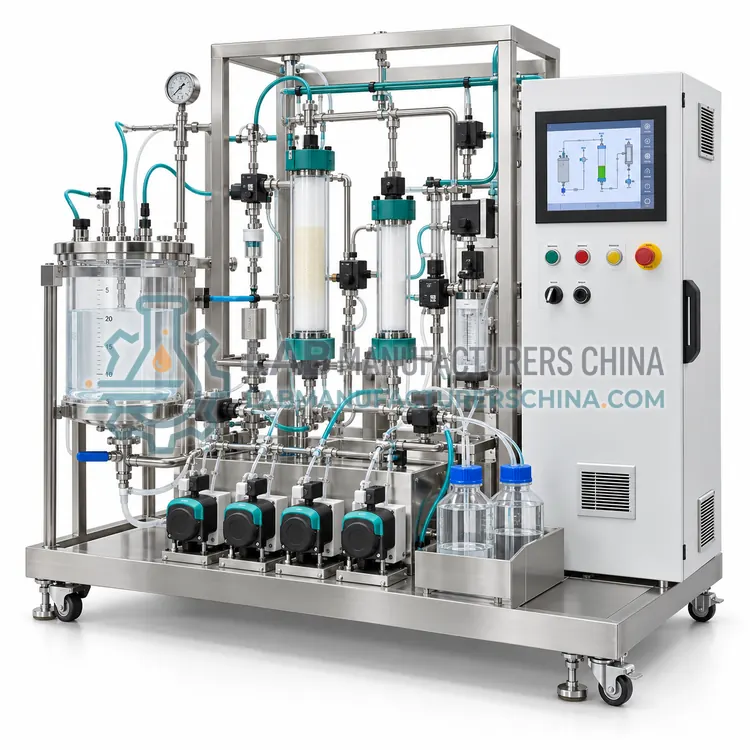
Cell Processing
细胞处理设备
Cell processing equipment for biotechnology manufactures cell-based products, taking cells through selection, activation, expansion, washing, concentration, formulation and cryopreservation under closed, controlled and fully documented conditions for cell therapy and regenerative medicine production as well.
- PPU5 models
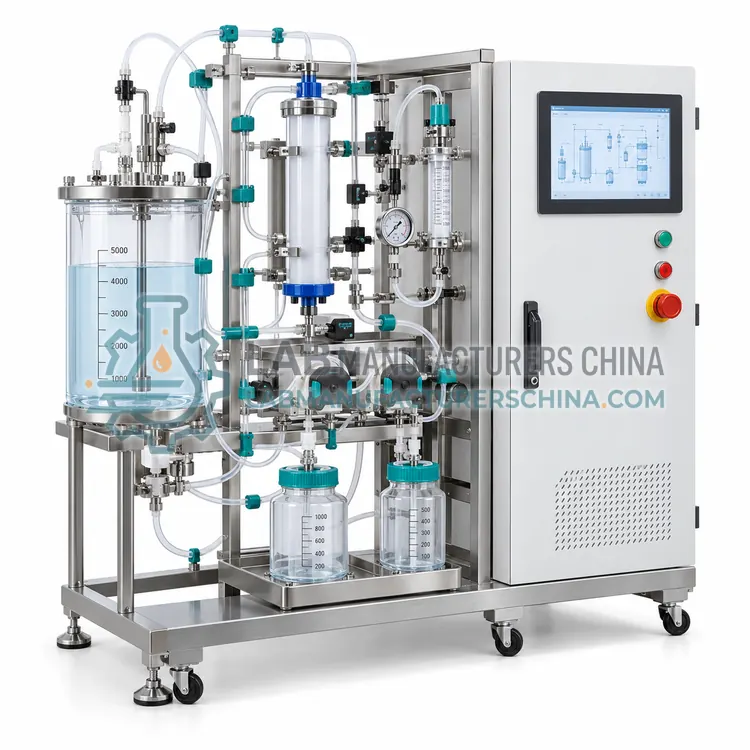
Protein Purification
蛋白纯化系统
Protein purification systems for biotechnology capture and polish recombinant proteins and antibodies from harvested cell culture fluid at laboratory and production scale. They combine chromatography, filtration and automated control to deliver defined purity, yield and concentration.
- MOP5 models
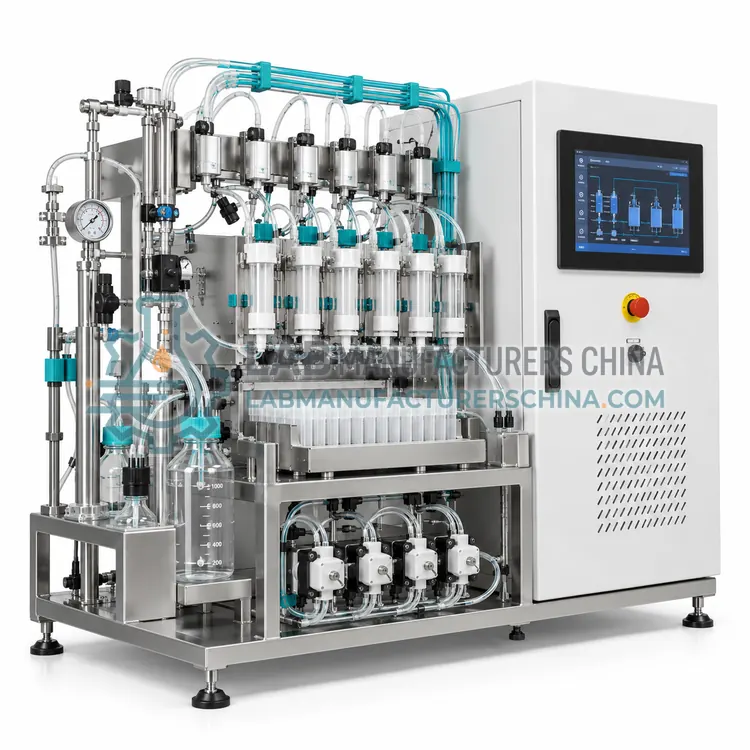
Molecular Processing
分子处理系统
Molecular processing systems extract, quantify, fragment and prepare nucleic acids for amplification, sequencing and cloning in biotechnology workflows. They automate routine extraction, quality control and library construction for genomics, molecular diagnostics and biopharmaceutical development.
- BIA5 models
Biotech Automation
生物技术自动化系统
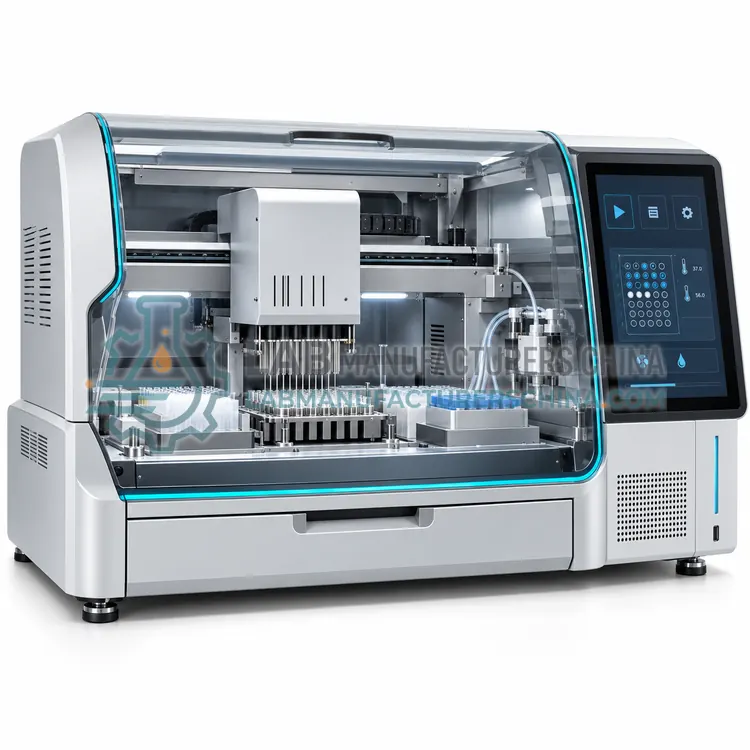
Biotech automation systems perform repetitive laboratory tasks such as pipetting, plate handling, screening and colony picking with robots and scheduling software. They raise throughput and reproducibility in biopharmaceutical, genomics, screening and drug discovery laboratories.
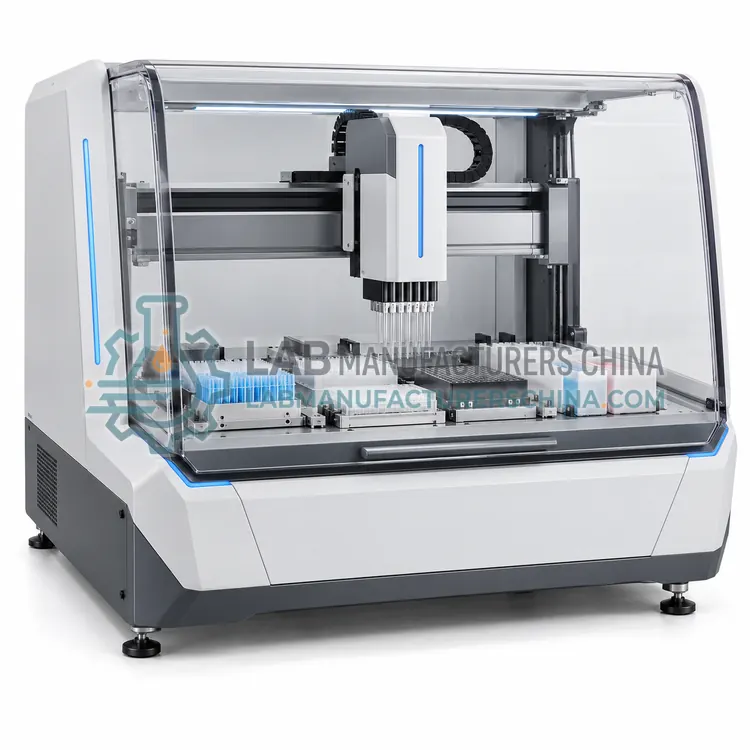
What are Biotechnology Equipment?
Biotechnology equipment groups the hardware used to work with living cells, proteins and nucleic acids outside routine analytical testing. It includes benchtop and pilot bioprocess systems with stirred tanks or single-use bags, cell processing devices for concentration, washing and cryopreservation, chromatography systems and resins for protein purification, molecular processing instruments for nucleic acid extraction, amplification and enzymatic reactions, and automation platforms that integrate liquid handling, incubation and detection. Buyers are usually biopharmaceutical manufacturers, contract development and manufacturing organizations, diagnostics producers and academic laboratories. Specifications matter because processes must be reproducible, scalable and documented. Typical purchase drivers are working volume, control loops for pH, dissolved oxygen and temperature, material compatibility, cleanability or single-use format, and alignment with GMP and quality-system expectations. Suppliers are often asked for qualification and validation documentation, material certificates and traceability records.
How do Biotechnology Equipment work?
The category spans several physical and biochemical principles. Bioprocess systems maintain cells in a controlled environment, mixing a liquid medium and regulating temperature, pH, dissolved oxygen, foaming and feed addition through sensors and feedback controllers. Cell processing works by centrifugation, tangential flow filtration or magnetic separation to concentrate, wash, transduce or formulate cells while preserving viability. Protein purification relies on selective binding: affinity, ion exchange, hydrophobic interaction or size-exclusion chromatography separates a target protein from host-cell proteins, nucleic acids and aggregates. Molecular processing uses enzymatic reactions, thermal cycling, magnetic beads or silica membranes to extract, amplify or modify nucleic acids. Automation platforms coordinate liquid handling robots, readers and incubators under scheduling software so that many samples run reproducibly. Across the category, materials contacting product are selected for low extractables, sterility and chemical compatibility.
Where are Biotechnology Equipment used?
Biotechnology equipment supports the development and manufacture of biological products. In biopharmaceutical development it is used for cell line and process development, upstream fermentation and cell culture, harvest and clarification, and downstream capture and polishing chromatography. Cell therapy groups use it for selection, activation, expansion, washing and cryopreservation of patient or donor cells. Diagnostics and molecular biology laboratories use molecular processing instruments for nucleic acid extraction and amplification, and protein purification tools for producing antigens, enzymes and antibodies. Contract manufacturers rely on automation to run many parallel batches with controlled records, while academic groups use small benchtop versions for method development. Common quality concerns are reproducibility, contamination control, cleaning validation and data integrity.
Which standards apply to Biotechnology Equipment?
Standards depend on the subcategory and the regulated status of the product. Bioprocess and cell-processing equipment for medicinal products is commonly specified against EU GMP Annex 1 for sterile manufacture, 21 CFR Part 211 and ICH Q7, with quality systems following ISO 9001 or ISO 13485. Single-use systems are assessed under BPOG and BPSA guidance and USP <87>, <88> and <661> for biocompatibility and materials. Protein purification instruments reference USP <1050> for chromatography and pharmacopoeial monographs for specific proteins. Molecular processing follows ISO 13485 and in vitro diagnostic requirements such as EU IVDR 2017/746 where kits are diagnostic. Automation platforms used in regulated testing must support 21 CFR Part 11 and EU GMP Annex 11 data integrity. Electrical safety is covered by IEC 61010-1.
How do I select the right biotechnology equipment?
Selection starts with the product, scale and stage. Define working volume or batch size, because that decides benchtop, pilot or production format, and choose between stainless steel and single-use depending on changeover frequency, cleaning capability and product toxicity. For bioprocess systems, specify control parameters and ranges, the number of sensor and feed ports, whether cascade control and data logging are needed, and compatibility with upstream or downstream steps. For cell processing, confirm closed or open operation, sterility requirements, recovery and viability performance, and whether the system is validated for clinical use. For protein purification, match column size, flow rate, pressure rating and detection wavelengths to the target molecule and binding chemistry. For molecular processing, check throughput, elution volume and quality, and kit compatibility. Across the category, verify certification packages, validation documentation, service support and the ability to scale without changing the underlying principle.
Biotechnology Equipment comparison
| Subcategory | Principle | Typical use | Key spec |
|---|---|---|---|
| Bioprocess Systems | Controlled cultivation with sensor-driven feedback on pH, dissolved oxygen and temperature | Upstream process development and production | Working volume 0.1–2,000 L |
| Cell Processing | Centrifugation, filtration or magnetic separation in a closed fluid path | Cell therapy washing, concentration and formulation | Cell recovery above 80% |
| Protein Purification | Selective binding by affinity, ion exchange or size-exclusion chromatography | Capture and polishing of recombinant proteins | Flow rate up to 1,500 cm/h |
| Molecular Processing | Enzymatic amplification and bead or membrane nucleic acid extraction | Nucleic acid extraction, amplification and library preparation | 96 samples per run |
| Biotech Automation | Scheduling software coordinates robots, incubators and readers | High-throughput assays and parallel batch handling | Up to 4,000 samples/day |
Frequently asked questions about Biotechnology Equipment
It is used to grow, process and purify biological materials. Typical uses include bioprocess development and production, cell selection and expansion for cell therapy, protein purification by chromatography, nucleic acid extraction and amplification, and automated handling of many samples under controlled records.
Single-use systems reduce cleaning validation, changeover time and cross-contamination risk, so they suit multi-product facilities and clinical batches. Stainless steel suits large volumes and long campaigns where consumable cost dominates, and it tolerates higher pressures and steam sterilization.
Request material certificates and traceability records, biocompatibility data for product-contact materials, a calibration and IQ/OQ protocol, and the applicable standards list. For regulated products, ask for validation support, change-control commitments and, where relevant, audit-trail and Part 11 functionality.
Define critical process parameters and their ranges, calibrate sensors on schedule, use the same materials and consumables, and record setpoints, deviations and raw data automatically. Automation and templates reduce operator variability, and periodic requalification confirms that the system still meets its original performance limits.
Equipment handling sterile products must support aseptic operation to EU GMP Annex 1 principles, including cleanable or single-use product-contact parts and closed fluid paths. The cleanroom grade itself is defined by the process, and the equipment is qualified within that environment.
Related categories
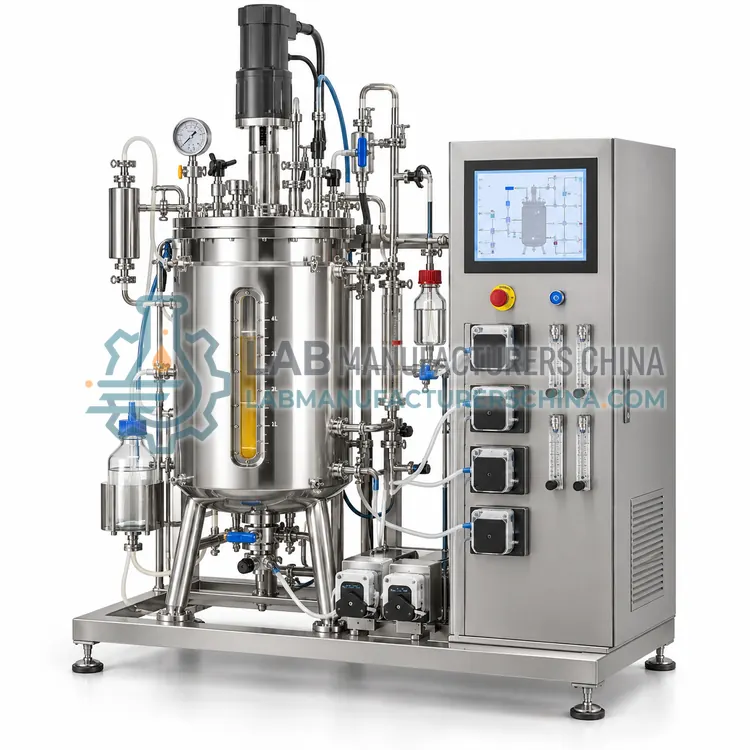 CFEE发酵设备Fermentation equipment covers the vessels and control systems used to cultivate microorganisms and cells under controlled conditions for research and production. It ranges from laboratory fermenters to pilot and production tanks with instrumentation for temperature, pH, dissolved oxygen, aeration and feeding.
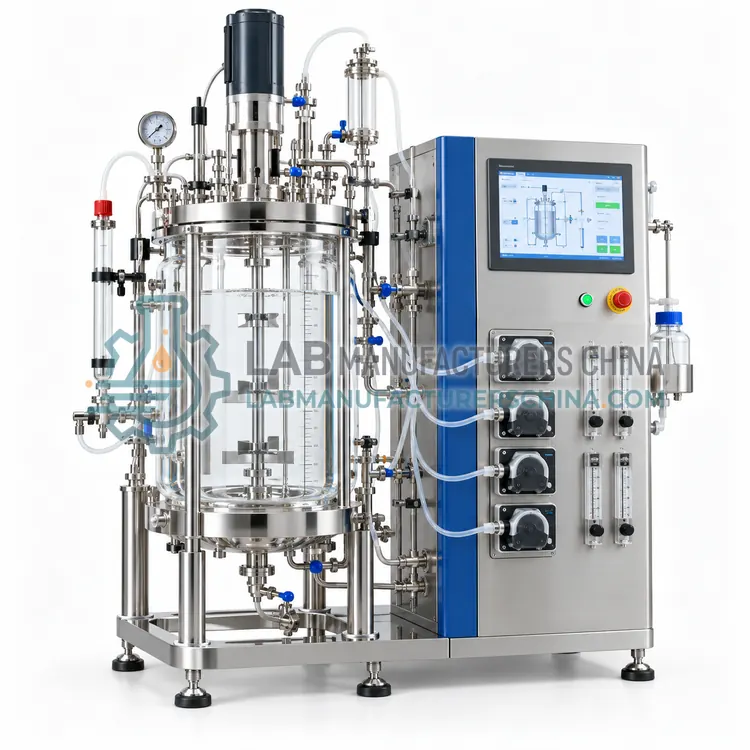 CBIO生物反应器Bioreactors are vessels that cultivate cells, tissues or microorganisms under controlled conditions of temperature, pH, dissolved oxygen and mixing. They range from glass benchtop units to stainless-steel, single-use, parallel and pilot systems used in bioprocess development and production.
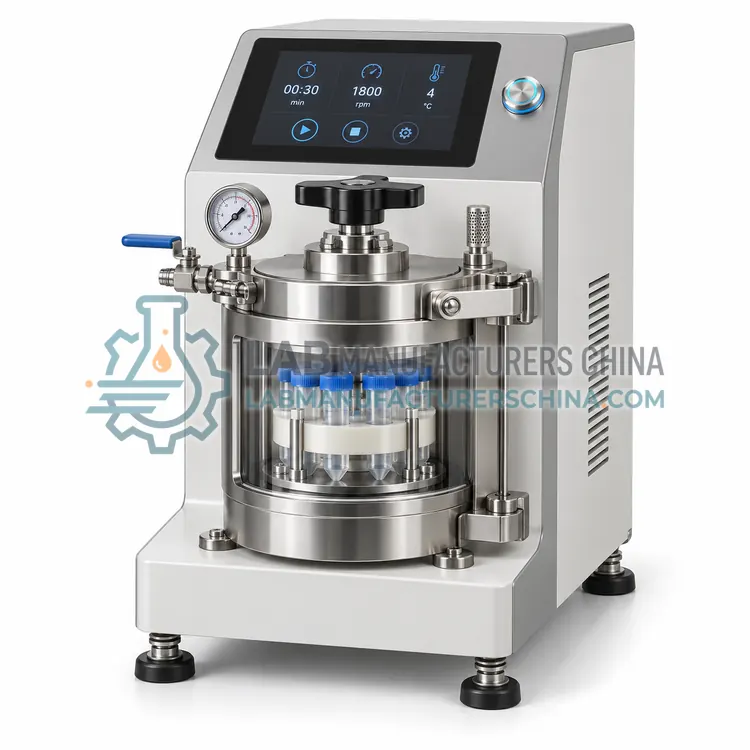 CLIF生命科学设备Life science equipment covers the instruments used to prepare, count, characterize and image biological samples, including homogenizers and centrifuges, flow cytometers, real-time PCR and sequencing-adjacent systems, protein analyzers, and microscopes. It supports research, biopharmaceutical development, diagnostics and academic teaching laboratories.
 CMBE分子生物学设备Molecular biology equipment covers instruments for extracting, amplifying, separating, visualizing and quantifying DNA and RNA. It includes nucleic acid extraction systems, thermal cyclers and real-time PCR instruments, electrophoresis units, gel documentation systems and spectrophotometric nucleic acid analyzers used in research, diagnostics, agriculture and forensics.