
Genomics Equipment
基因组学设备
CGEE · Life Science & Biotechnology · 5 product types · 25 models
By Lab Manufacturers China Technical TeamLast reviewed
What are Genomics Equipment?
Genomics equipment covers the instruments used to extract, quantify, sequence and genotype nucleic acids, from automated extraction platforms and fragment analyzers to benchtop sequencers and library preparation systems. It is used by molecular biology, clinical, agrigenomics and microbial research laboratories.
5 product types in Genomics Equipment
The 5 product types below are grouped by the exact instrument you need.
- DNS5 models
DNA Sequencers
DNA 测序仪
DNA sequencers determine the order of nucleotides in DNA or RNA templates, using sequencing-by-synthesis chemistry, capillary electrophoresis or nanopore current sensing. They are used in genomics research, clinical diagnostics, pathogen surveillance, agrigenomics and quality control laboratories that need sequence-level information.
- NAE5 models
Nucleic Acid Extractors
核酸提取仪
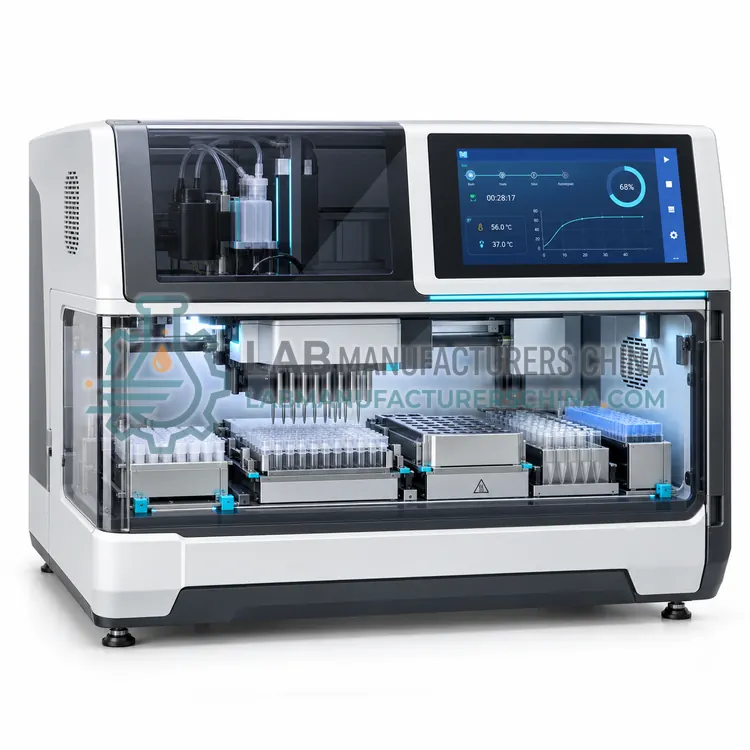
Nucleic acid extractors lyse cells and viruses and purify DNA or RNA from clinical, environmental, plant and food samples using magnetic particles, silica membranes or liquid-handling automation. They are used in molecular diagnostics, research and testing laboratories that need reproducible, inhibitor-free nucleic acid.
- FRA5 models
Fragment Analyzers
片段分析仪
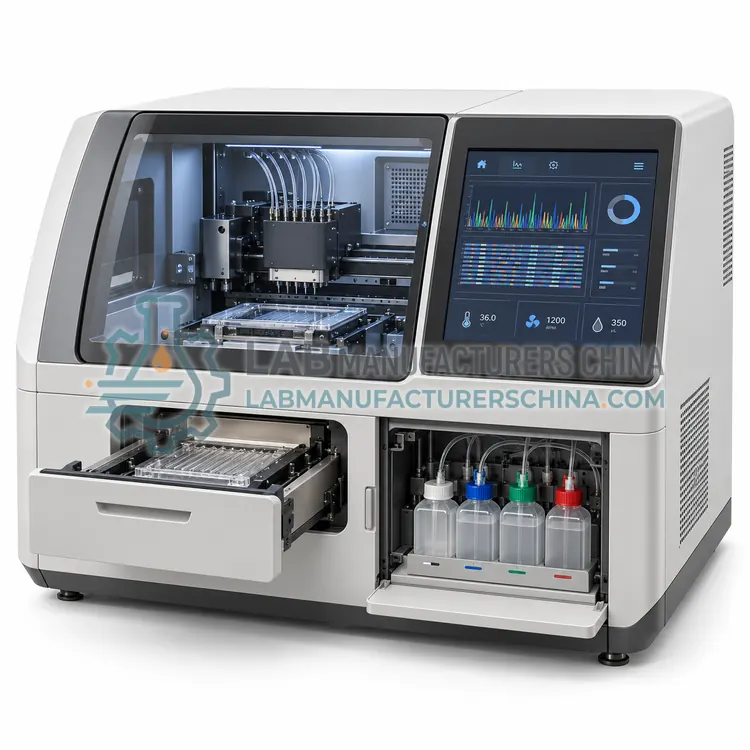
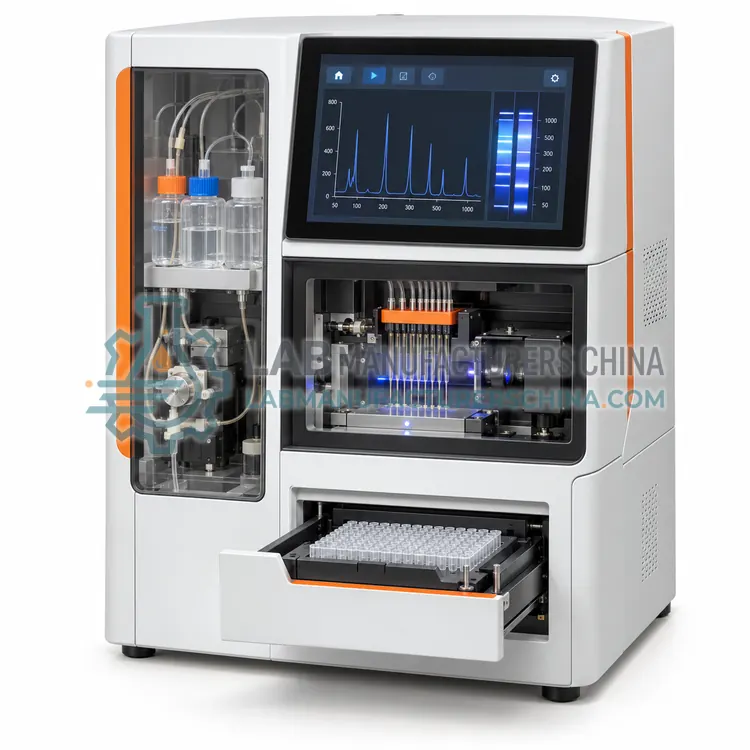
Fragment analyzers size and quantify DNA, RNA or protein fragments by capillary electrophoresis, microfluidic chips or automated agarose gels, reporting fragment lengths and concentrations. They are used for sequencing library quality control, RNA integrity checks and PCR product verification in genomics laboratories.
- GES5 models
Genotyping Systems
基因分型系统
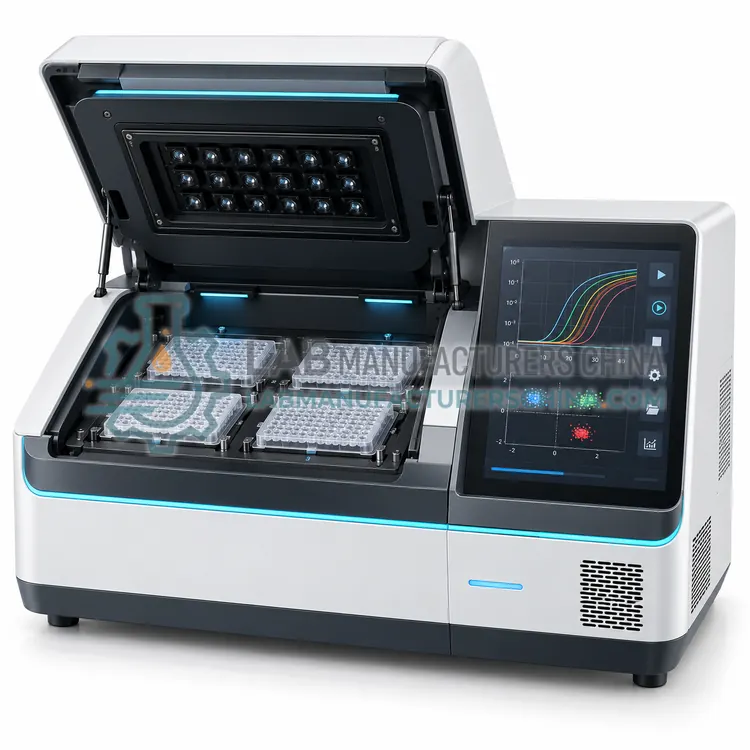
Genotyping systems determine which variants are present at defined positions in a genome, using real-time PCR, SNP arrays, capillary fragment analysis or targeted sequencing. They are used in clinical genetics, agrigenomics, cell line authentication and microbiome or strain typing laboratories.
- LPS5 models
Library Preparation Systems
文库制备系统
Library preparation systems convert DNA or RNA into sequencing-ready libraries by fragmenting, end-repairing, ligating adapters and adding indexes, either manually with kits or automatically on a magnetic bead or liquid-handling platform. They are used in genomics, clinical and agrigenomics laboratories before any sequencing run.
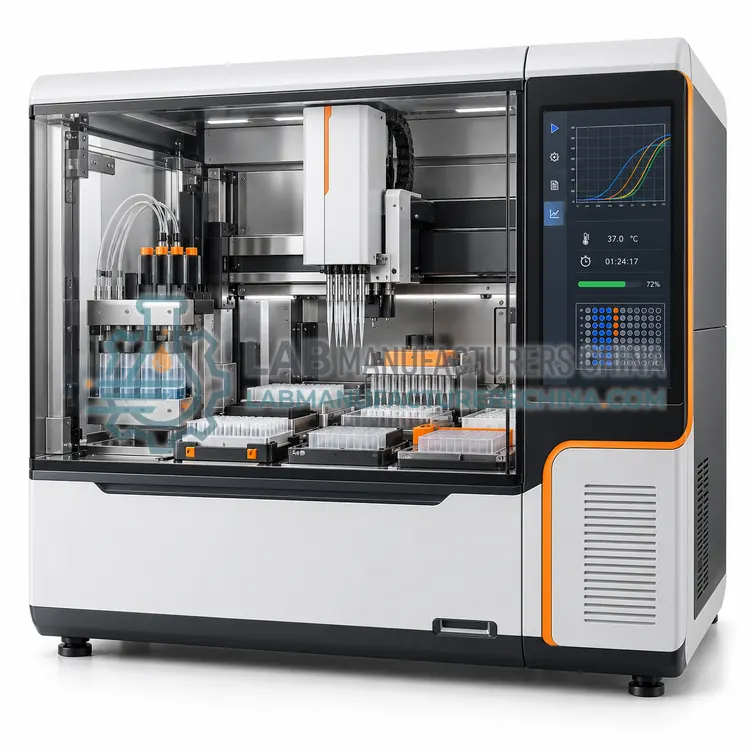
What are Genomics Equipment?
Genomics equipment is the group of instruments that handle nucleic acids from raw sample to interpreted sequence. The group includes automated nucleic acid extractors that lyse cells and purify DNA or RNA on magnetic particles or silica membranes, quantification and quality control instruments such as fluorometers and fragment analyzers, library preparation systems that convert nucleic acids into sequencing-ready molecules, DNA sequencers that read sequence by synthesis or by nanopore sensing, and genotyping systems that score known variants by qPCR, array or targeted sequencing. Throughput ranges from a few samples per run in a research laboratory to thousands per run in a service core. Because downstream results depend on input quality, extraction, quantification and sequencing instruments are usually specified and validated together as one workflow rather than as isolated units.
How do Genomics Equipment work?
Nucleic acid extraction begins with lysis using chaotropic salts, detergents or enzymatic digestion, followed by capture of nucleic acid on silica in the presence of high salt and ethanol, or on magnetic particles coated with silica or carboxyl groups. Wash steps remove proteins and inhibitors, then elution releases purified nucleic acid into a low-salt buffer. Quantification uses fluorescence dyes that bind double-stranded DNA or RNA, or capillary electrophoresis that reports fragment size. Library preparation adds adapters and indexes by ligation or tagmentation, then amplifies and cleans the library. Sequencing by synthesis reads a flow cell or bead surface by detecting fluorescently labelled nucleotides added one base at a time, while nanopore instruments measure current changes as a single strand passes through a protein pore. Genotyping platforms measure allele-specific signals from probes, arrays or amplicon panels.
Where are Genomics Equipment used?
Genomics equipment supports research and routine testing across many sectors. Clinical and public health laboratories use extraction and qPCR or sequencing platforms for pathogen detection, viral load monitoring and antimicrobial resistance testing. Cancer laboratories profile somatic mutations in tissue and liquid biopsies. Agrigenomics groups genotype crops and livestock for marker-assisted breeding, and food laboratories authenticate species and detect genetically modified material. Microbiology laboratories sequence isolates for outbreak tracing and metagenomic studies, and environmental groups use sequencing for biodiversity and water monitoring. Pharmaceutical laboratories apply genomics methods to cell line authentication, residual DNA testing and biosafety assessment. Service cores run shared extraction, library preparation and sequencers for multiple user groups.
Which standards apply to Genomics Equipment?
Genomics instruments are electrical laboratory equipment, so IEC 61010-1 and the EMC requirements of IEC 61326-1 apply, with IEC 61010-2-010 for units that heat samples. Molecular biology method standards include ISO 20395 for quantifying nucleic acids by qPCR and digital PCR, ISO 22174 for PCR-based detection of foodborne pathogens, and ISO 21571 and ISO 24276 for genetically modified organism analysis. Clinical laboratories reference ISO 15189 for quality and competence and CLSI documents for molecular diagnostic methods. Forensic and biobanking workflows refer to ISO 17025 and ISO 20387. Instruments placed on the market in regulated regions also carry CE or comparable marking.
How do I select the right genomics equipment?
Start from the question to be answered and the sample to be tested. Choose an extraction platform by sample type, elution volume and throughput, then match quantification and quality control instruments to the chemistry used downstream, since only fluorometric or electrophoretic methods give the accuracy that library preparation needs. For sequencing, decide between short-read instruments that are cost-efficient for high-throughput variant detection and long-read instruments that resolve repeats, structural variants and full-length amplicons. Confirm whether the platform is open to third-party library kits or restricted to the supplier's consumables, because this drives running cost. Genotyping buyers should compare throughput per run, multiplexing capacity, turnaround time and the analysis software needed. Finally check sample traceability, audit trails, barcode support, service response and consumable lead time across the whole workflow, not just the instrument.
Genomics Equipment comparison
| Subcategory | Principle | Typical use | Key spec |
|---|---|---|---|
| DNA Sequencers | Sequencing by synthesis or nanopore current sensing reads base order | Variant discovery, pathogen genomes, transcriptomics | Read length 75–300 bp or 1–4 Mb |
| Nucleic Acid Extractors | Lysis with chaotropic salts, capture on silica or magnetic particles | DNA and RNA purification from blood, tissue, swabs | Throughput 8–96 samples per run |
| Fragment Analyzers | Capillary electrophoresis sizes fluorescently labelled fragments | Library and RNA quality control, sizing checks | Sizing range 10 bp–50 kb |
| Genotyping Systems | Allele-specific probe or array signal scoring of known variants | SNP panels, cell line authentication, agrigenomics | Multiplex 1–96 targets per reaction |
| Library Preparation Systems | Enzymatic fragmentation, adapter ligation and indexed amplification | Building sequencing-ready libraries from DNA or RNA | Input 1 ng–1 µg DNA |
Frequently asked questions about Genomics Equipment
The group covers automated nucleic acid extractors, fluorometers and fragment analyzers for quality control, library preparation platforms, DNA sequencers and genotyping systems. Many laboratories also include quantitative PCR instruments because they are used for target quantification before sequencing and for variant scoring.
Short-read platforms give high accuracy at low cost per base and suit variant calling, expression profiling and amplicon panels. Long-read platforms read through repeats and resolve structural variants and full-length transcripts, but cost more per base and need more input DNA.
Library preparation and sequencing assume a defined fragment size and a known input mass. Degraded or inhibitor-contaminated nucleic acid causes low library yield, biased coverage and failed runs, so laboratories measure concentration, purity and integrity before starting and reject samples that fall below set thresholds.
Some platforms accept third-party library kits and custom primers, which lowers running cost and allows method development. Others use proprietary flow cells and reagents only. Confirm the chemistry policy before purchase, because it determines consumable cost, method flexibility and support conditions.
Estimate the number of samples, the target coverage and the genome or panel size, then allow headroom for repeat runs and failed libraries. A benchtop instrument that reads a few gigabases per run suits targeted work, while population-scale projects need higher-output flow cells.
Write an installation and operational qualification plan that covers instrument function, accuracy and reproducibility, then verify performance with known reference material and record acceptance criteria. Revalidation is triggered by relocation, major repair, software upgrades or changes to the extraction and library chemistry used.
Related categories
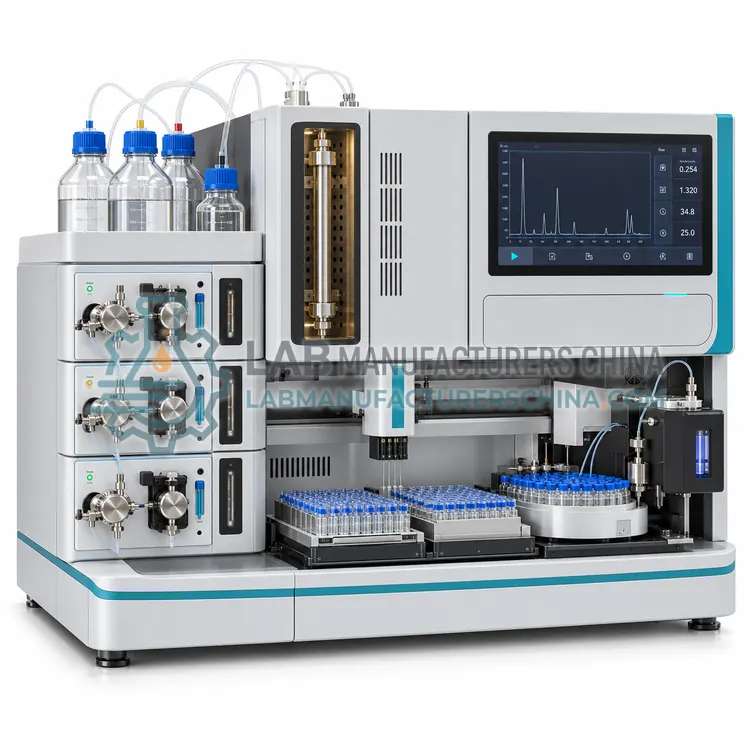 CPAE蛋白质分析设备Protein analysis equipment characterises proteins by concentration, size, charge, sequence, structure and binding behaviour, covering protein analyzers, western blot systems, protein electrophoresis, purification systems and protein imaging instruments. It is used in biochemistry, biopharmaceutical, clinical and food protein laboratories.
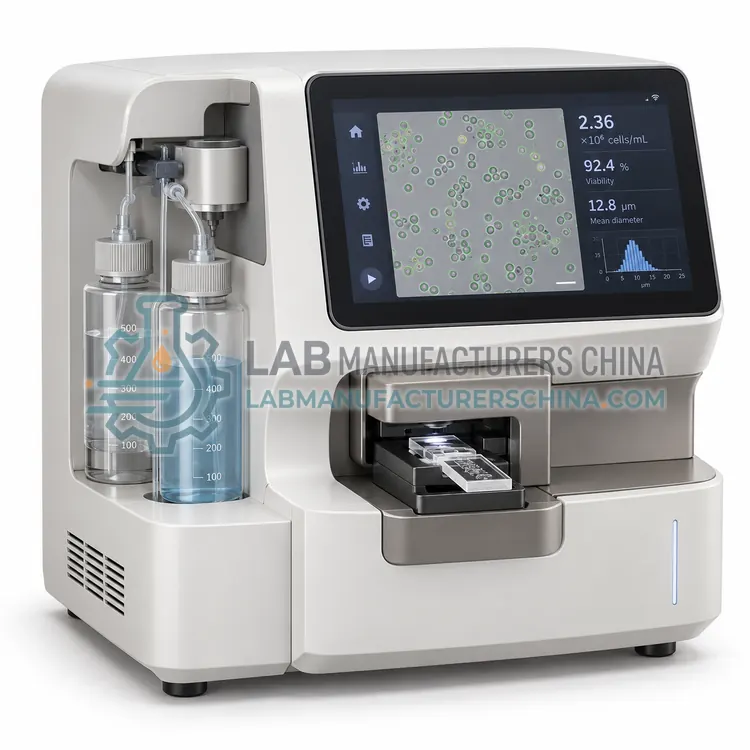 CCBE细胞生物学设备Cell biology equipment counts, analyses, images, separates and processes living cells, covering automated cell counters, flow cytometers and metabolic analysers, imaging systems, cell separation platforms and cell processing instruments. It is used in cell and cancer biology, immunology and bioprocess laboratories.
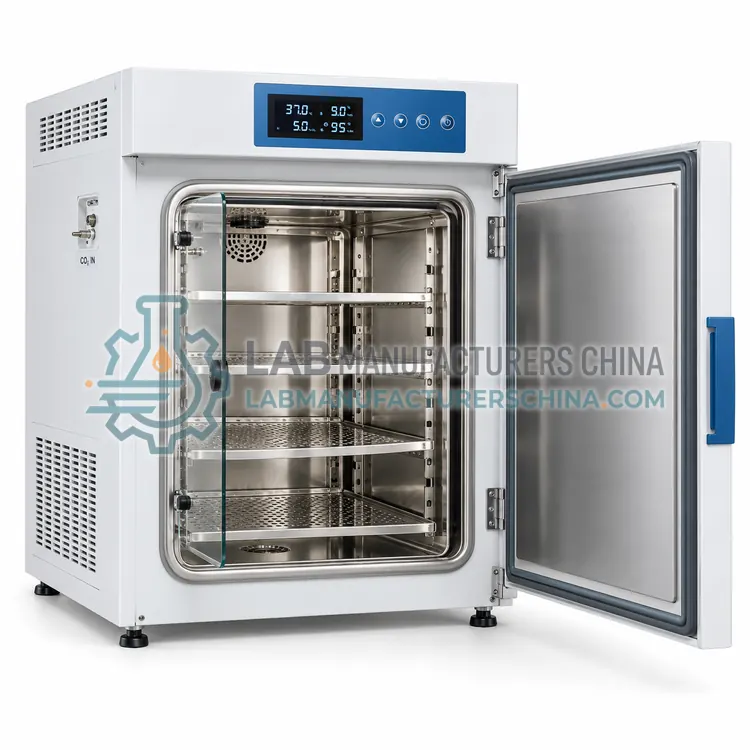 CCCE细胞培养设备Cell culture equipment provides the controlled environment, sterility and handling needed to grow cells outside the body, covering CO2 incubators, culture hoods, roller systems, automated culture platforms and monitoring instruments. It is used in research, bioprocess development and cell therapy laboratories.
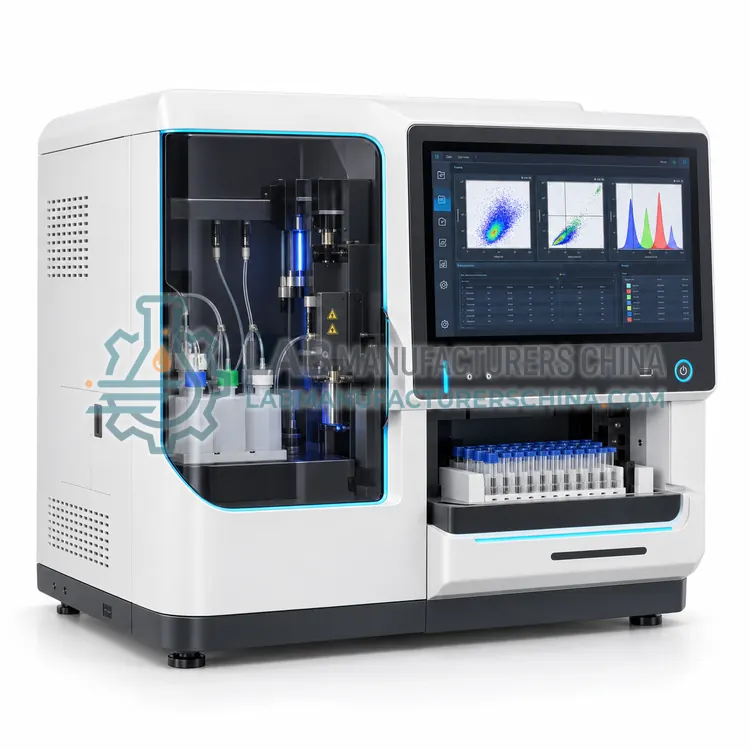 CFCE流式细胞术设备Flow cytometry equipment covers the instruments, consumables and software used to measure light scatter and fluorescence from individual cells or particles as they pass a laser beam. It includes analyzers, cell sorters, automated sample loaders, antibody reagents and acquisition and analysis software for immunology, hematology and cell biology laboratories.