Lab Manufacturers China

Fragment Analyzers

片段分析仪

FRA · Genomics Equipment · 5 models

By Lab Manufacturers China Technical TeamLast reviewed Standards: ISO 20395, ISO 22174, CLSI MM09

Standards referenced

  • ISO 20395
  • ISO 22174
  • CLSI MM09
  • IEC 61010-1
  • ISO 15189

What are Fragment Analyzers?

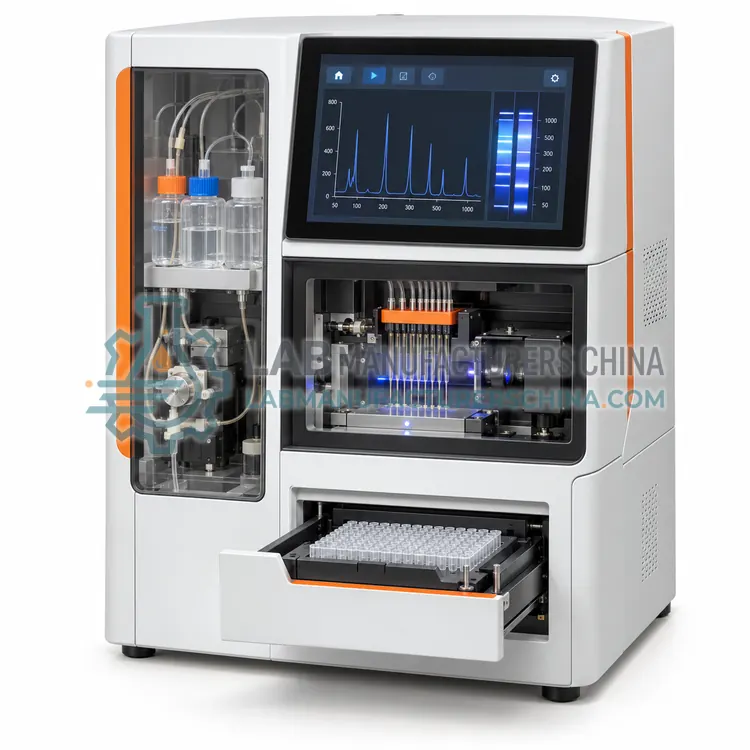
Fragment analyzers size and quantify DNA, RNA or protein fragments by capillary electrophoresis, microfluidic chips or automated agarose gels, reporting fragment lengths and concentrations. They are used for sequencing library quality control, RNA integrity checks and PCR product verification in genomics laboratories.

5 models of Fragment Analyzers

The 5 models below are current configurations; specifications are confirmed on quotation.

Capillary Electrophoresis Fragment Analyzer

毛细管电泳片段分析仪

  • FRA-0001
  • Fragment Analyzers
  • CE (to be confirmed)
  • ISO 9001 manufacturing (to be confirmed)
  • IEC 61010-1 safety (to be confirmed)
Sizing range:
10 bp–50 kb (kit dependent)
Sizing accuracy:
within ±5% (typical)
Sizing resolution:
approx. 5% of fragment length
Sensitivity:
approx. 0.01–10 ng/µL (kit dependent)
Samples per run:
12 or 96 (model dependent)
Run time:
approx. 40–90 min per plate

A single-capillary or multi-channel fragment analyzer separates nucleic acids in a polymer-filled capillary and reports size, concentration and integrity scores. It is the routine quality control instrument for sequencing libraries, RNA samples and PCR products where reproducible digital results are required.

Request a quote
View details

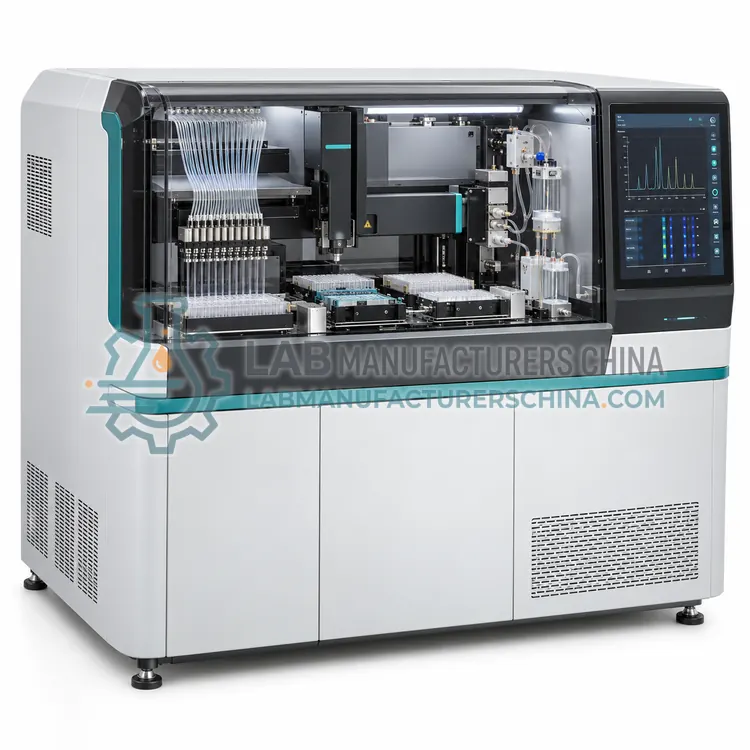
High-Throughput Multi-Capillary Fragment Analyzer

高通量多通道片段分析仪

  • FRA-0002
  • Fragment Analyzers
  • CE (to be confirmed)
  • ISO 9001 manufacturing (to be confirmed)
  • IEC 61010-1 safety (to be confirmed)
Capillaries:
8–48 parallel channels
Plate formats:
96-well and 384-well
Samples per batch:
96–384
Batch time:
approx. 1.5–4 h
Sizing range:
10 bp–50 kb (kit dependent)
Sizing accuracy:
within ±5% (typical)

A high-throughput multi-capillary analyzer runs 96 to 384 samples per batch across parallel capillaries for sequencing cores and service laboratories that quality-check libraries in large numbers. It prioritises throughput and reproducibility over the widest sizing range.

Request a quote
View details

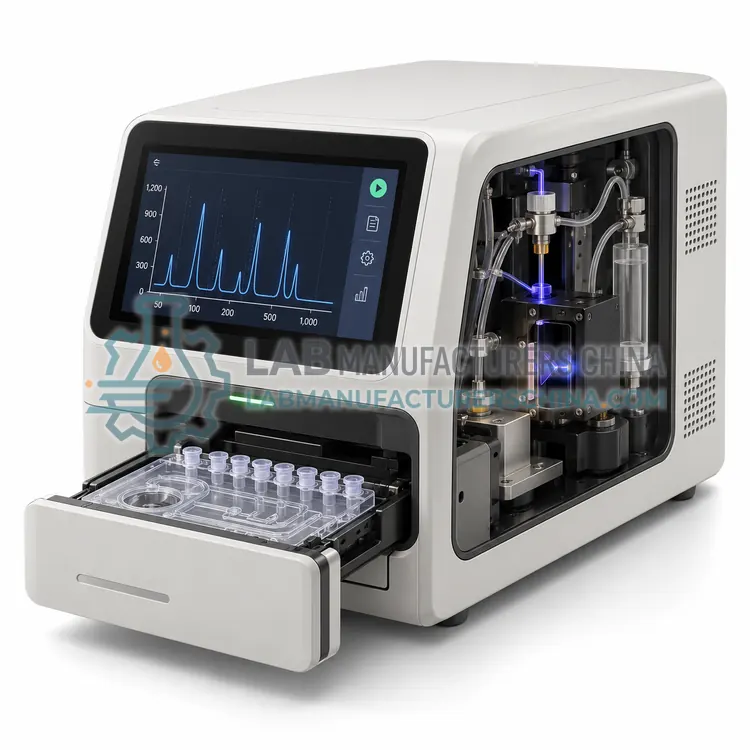
Microfluidic Chip Fragment Analyzer

微流控芯片片段分析仪

  • FRA-0003
  • Fragment Analyzers
  • CE (to be confirmed)
  • ISO 9001 manufacturing (to be confirmed)
  • IEC 61010-1 safety (to be confirmed)
Lanes per chip:
10–16
Analysis time:
approx. 25–40 min
Sample volume:
1–5 µL per lane
Sizing range:
25 bp–12 kb (kit dependent)
Sizing accuracy:
within ±10% (typical)
Sensitivity:
approx. 0.1–50 ng/µL (kit dependent)

A microfluidic chip analyzer sizes and quantifies nucleic acids on a disposable chip with 10 to 16 lanes, using microlitre volumes and giving results in about 30 minutes. It suits laboratories that need fast, low-volume quality control of libraries, RNA and PCR products.

Request a quote
View details

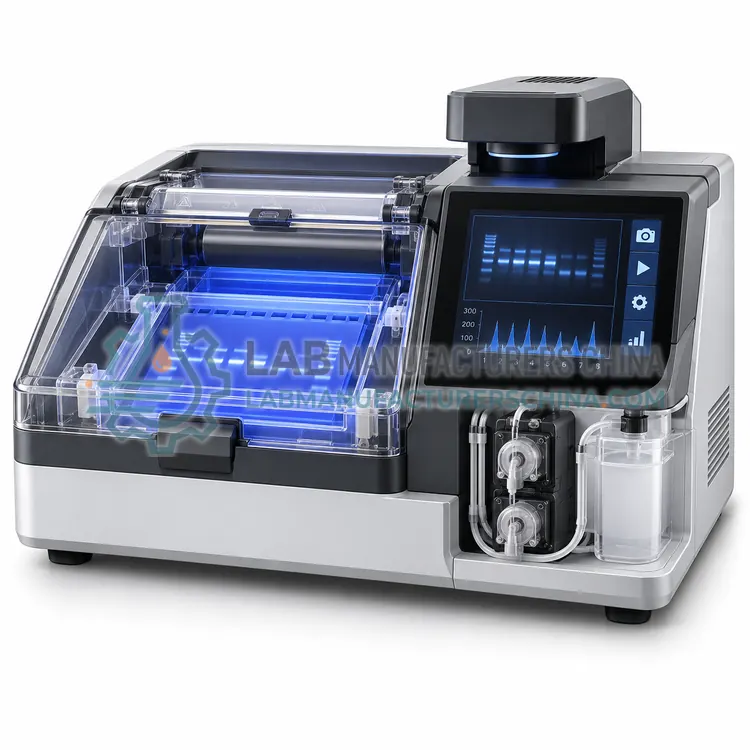
Automated Agarose Gel Electrophoresis System

自动化琼脂糖凝胶电泳系统

  • FRA-0004
  • Fragment Analyzers
  • CE (to be confirmed)
  • ISO 9001 manufacturing (to be confirmed)
  • IEC 61010-1 safety (to be confirmed)
Samples per gel:
up to 96
Sizing range:
approx. 100 bp–10 kb
Resolution:
approx. 20–50 bp at 100–2,000 bp
Run time:
approx. 20–60 min including imaging
Sample volume:
5–20 µL per well
Gel format:
Prefilled agarose cassette, single use

An automated agarose gel system loads, runs, stains and images up to 96 samples per gel without casting or manual handling, giving low-cost batch sizing of PCR products and digests. It is the economical option where approximate sizing is sufficient.

Request a quote
View details

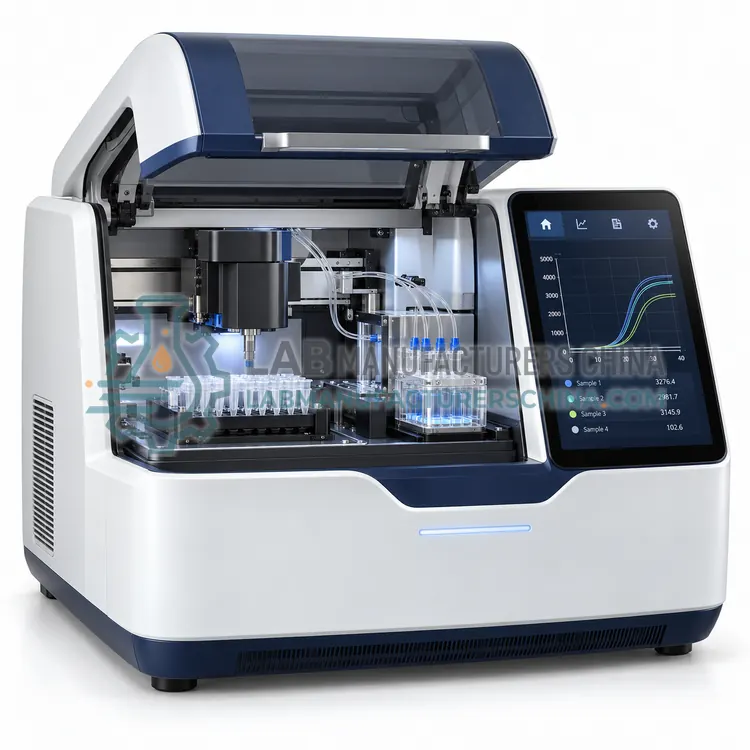
Fluorometric Nucleic Acid Quantification System

荧光法核酸定量系统

  • FRA-0005
  • Fragment Analyzers
  • CE (to be confirmed)
  • ISO 9001 manufacturing (to be confirmed)
  • IEC 61010-1 safety (to be confirmed)
Dynamic range (dsDNA):
approx. 0.01–1,000 ng/µL (kit dependent)
Sample volume:
1–2 µL
Linear correlation:
over 0.99 (typical)
Excitation:
approx. 470–485 nm (blue) or 630 nm (red)
Emission:
approx. 525 nm (green) or 680 nm (red)
Assay time:
approx. 5 min including incubation

A fluorometric quantification system uses fluorescent dyes selective for double-stranded DNA, RNA or protein to measure concentration in 1–2 µL of sample, complementing fragment sizing with the accurate input values library preparation requires.

Request a quote
View details

Compare Fragment Analyzers models

ModelSizing rangeSizing accuracySensitivityRun timeSample volume
Capillary Electrophoresis Fragment AnalyzerFRA-000110 bp–50 kb (kit dependent)within ±5% (typical)approx. 0.01–10 ng/µL (kit dependent)approx. 40–90 min per plate1–5 µL per well
High-Throughput Multi-Capillary Fragment AnalyzerFRA-000210 bp–50 kb (kit dependent)within ±5% (typical)——1–5 µL per well
Microfluidic Chip Fragment AnalyzerFRA-000325 bp–12 kb (kit dependent)within ±10% (typical)approx. 0.1–50 ng/µL (kit dependent)—1–5 µL per lane
Automated Agarose Gel Electrophoresis SystemFRA-0004approx. 100 bp–10 kb——approx. 20–60 min including imaging5–20 µL per well
Fluorometric Nucleic Acid Quantification SystemFRA-0005————1–2 µL

Indicative values for this product class. Final specifications are confirmed on the quotation and in the calibration documents supplied with the instrument.

How do Fragment Analyzers work?

Fragment analysis separates charged nucleic acid fragments in a sieving matrix and detects them by fluorescence. In capillary systems, samples are injected electrokinetically into a polymer-filled capillary, where smaller fragments migrate faster and reach the detector earlier. A laser excites intercalating dye bound to the DNA or RNA, and the software converts migration times into fragment sizes using an internal ladder and into concentrations using a quantitative marker. Microfluidic chips work on the same principle with shorter separation channels and smaller volumes. Automated agarose gel instruments draw samples through a gel by voltage and image the bands after staining. Because the sizing algorithm depends on the ladder and the polymer lot, run quality flags such as marker height and baseline noise should be reviewed before results are accepted.

Which Fragment Analyzers variants are available?

  • Capillary Electrophoresis Fragment Analyzer — A single-capillary or multi-channel fragment analyzer separates nucleic acids in a polymer-filled capillary and reports size, concentration and integrity scores.
  • High-Throughput Multi-Capillary Fragment Analyzer — A high-throughput multi-capillary analyzer runs 96 to 384 samples per batch across parallel capillaries for sequencing cores and service laboratories that quality-check libraries in large numbers.
  • Microfluidic Chip Fragment Analyzer — A microfluidic chip analyzer sizes and quantifies nucleic acids on a disposable chip with 10 to 16 lanes, using microlitre volumes and giving results in about 30 minutes.
  • Automated Agarose Gel Electrophoresis System — An automated agarose gel system loads, runs, stains and images up to 96 samples per gel without casting or manual handling, giving low-cost batch sizing of PCR products and digests.
  • Fluorometric Nucleic Acid Quantification System — A fluorometric quantification system uses fluorescent dyes selective for double-stranded DNA, RNA or protein to measure concentration in 1–2 µL of sample, complementing fragment sizing with the accurate input values library preparation requires.

How do I choose the right variant?

Choose by the sample type, resolution and throughput you need. Capillary systems give the best sizing accuracy and reproducibility, which matters for sequencing libraries and RNA integrity scoring. Microfluidic chip systems run more samples in less time with microlitre volumes but give approximate sizing. Automated gel systems handle many samples at low consumable cost with lower resolution. Check the sizing range against your fragments: amplicons of 100–1,000 bp behave differently from long-read libraries above 20 kb, and high-sensitivity kits are needed below 1 ng/µL. Confirm sample volume, consumable cost, run time, and whether the software exports results to a laboratory information system. Where quantification must be exact, pair the analyzer with a fluorometric or digital PCR method.

Where are Fragment Analyzers used?

Fragment Analyzers are specified in next-generation sequencing library quality control, RNA integrity assessment before expression studies, PCR amplicon and restriction digest checks, plasmid and cloning verification and protein fragment and purity sizing.

Which standards and certifications apply?

Work with Fragment Analyzers is commonly governed by ISO 20395, ISO 22174, CLSI MM09, IEC 61010-1 and ISO 15189. Instrument certifications such as CE marking are confirmed per configuration and never assumed.

What are the key considerations before purchase?

Install the analyzer on a level bench away from vibration and direct sunlight, because optical alignment and polymer flow are sensitive to movement. Store polymer, ladders and dye kits within their stated temperature range and note lot numbers, since a ladder or polymer change can shift sizing by several percent. Run a ladder and a known control with each batch, and review quality flags before releasing data. Replace polymer and clean electrodes as instructed to prevent carry-over between samples. Keep the instrument in a room with stable temperature to limit baseline drift, and include the analyzer in the laboratory's pipette and instrument calibration schedule. Verify performance after any service or software upgrade.

Frequently asked questions about Fragment Analyzers

It reports the size in base pairs or nucleotides and the concentration of each fragment in a sample, along with a size distribution. For RNA it also computes an integrity score. Protein assays report molecular weight and relative purity.

Need help specifying Fragment Analyzers?

Request a quote