
Bioreactors
生物反应器
CBIO · Life Science & Biotechnology · 5 product types · 25 models
By Lab Manufacturers China Technical TeamLast reviewed
What are Bioreactors?
Bioreactors are vessels that cultivate cells, tissues or microorganisms under controlled conditions of temperature, pH, dissolved oxygen and mixing. They range from glass benchtop units to stainless-steel, single-use, parallel and pilot systems used in bioprocess development and production.
5 product types in Bioreactors
The 5 product types below are grouped by the exact instrument you need.
- GLB5 models
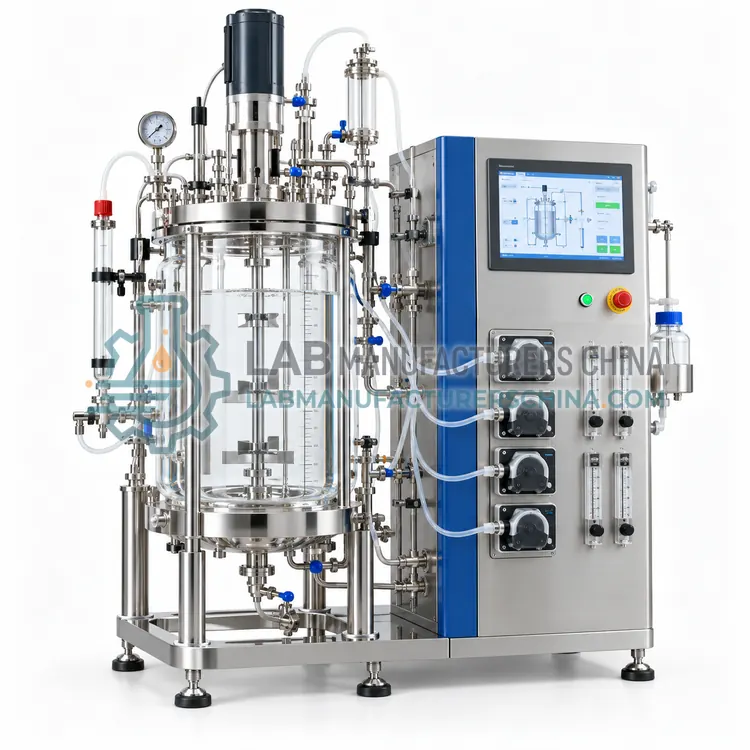
Glass Bioreactors
玻璃生物反应器
Glass bioreactors are small cultivation vessels with a borosilicate body that allows direct observation of the culture. They are used for process development, cell culture and small-scale production where visibility and rapid reconfiguration matter.
- SSB5 models
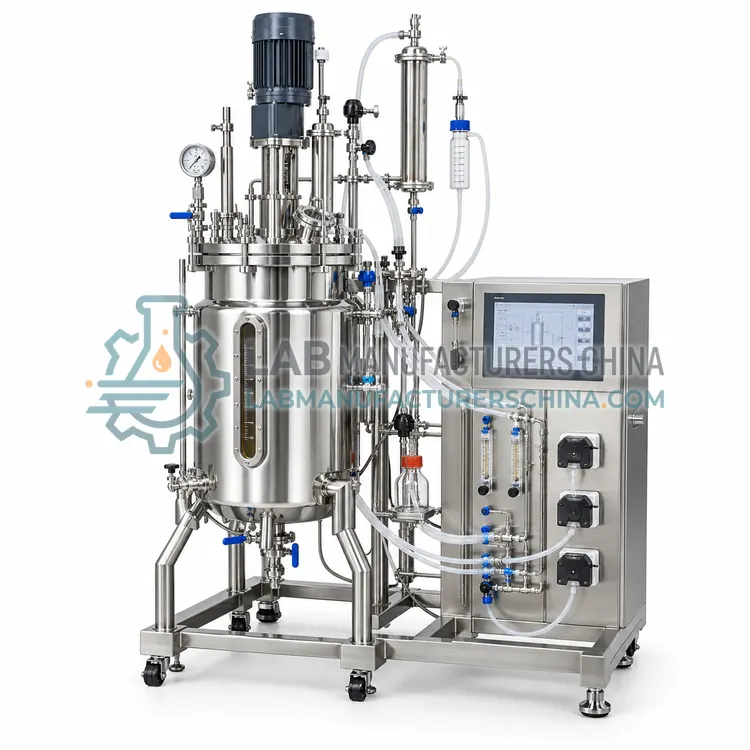
Stainless Steel Bioreactors
不锈钢生物反应器
Stainless steel bioreactors are durable reusable cultivation vessels built for repeated cycles, higher pressures and steam sterilization. They dominate pilot-scale and production bioprocessing where cleaning, sterilization, validation and documentation must meet strict regulatory requirements.
- SUB5 models
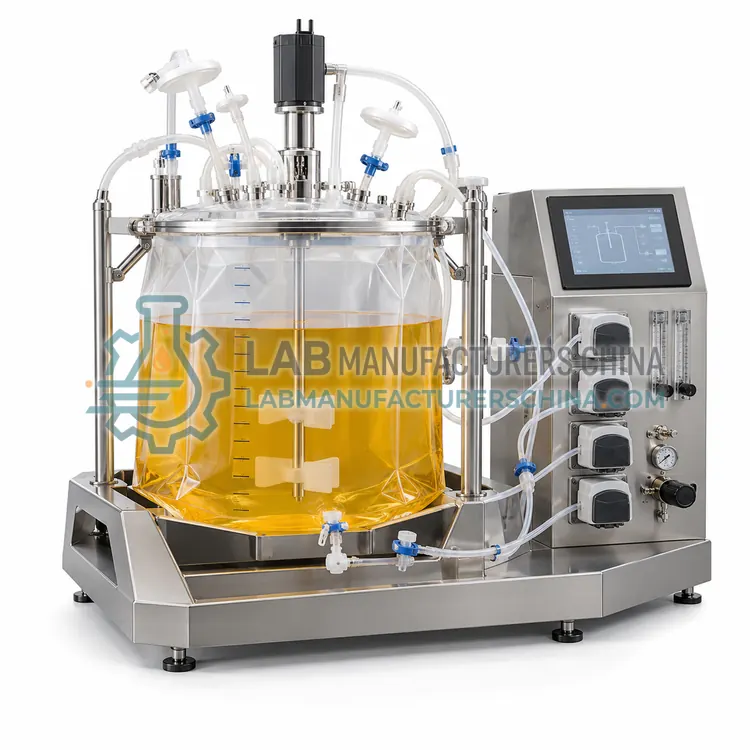
Single-Use Bioreactors
一次性使用生物反应器
Single-use bioreactors use pre-sterilized polymer bags inside a reusable support instead of a cleaned stainless vessel. They greatly shorten changeover, markedly reduce cross-contamination risk and suit clinical, multi-product and small-batch biopharmaceutical and vaccine manufacturing.
- PAB5 models
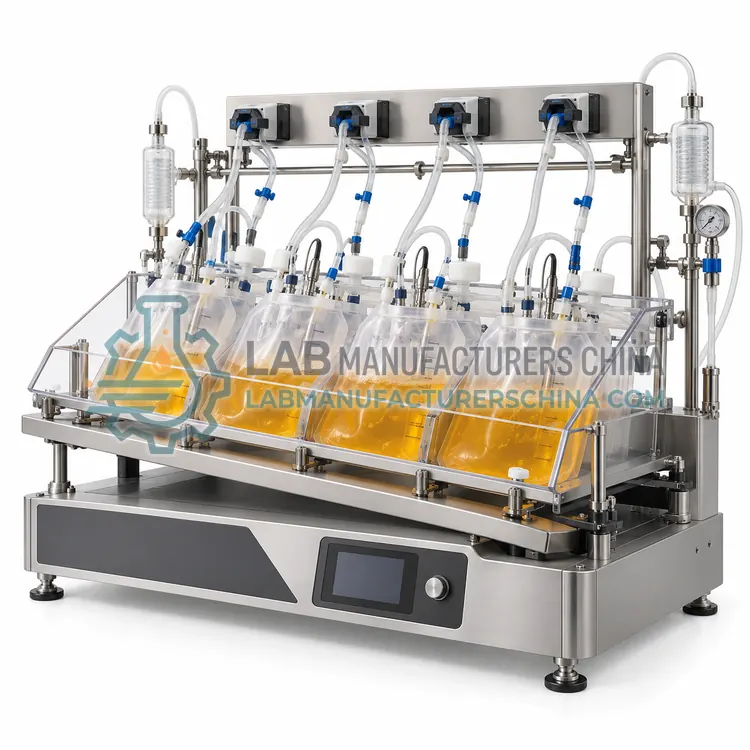
Parallel Bioreactors
平行生物反应器
Parallel bioreactors run several independent cultivation vessels or wells at once so that strains, media and process parameters can be compared in a single experiment. They speed up screening and process development in biopharmaceutical and industrial biotechnology.
- PIB5 models
Pilot Bioreactors
中试生物反应器
Pilot bioreactors are intermediate-scale vessels, typically 50 to 500 litres, that reproduce laboratory and bench conditions closely enough to verify scale-up. They bridge development and production in cell culture, microbial fermentation and biopharmaceutical manufacturing.
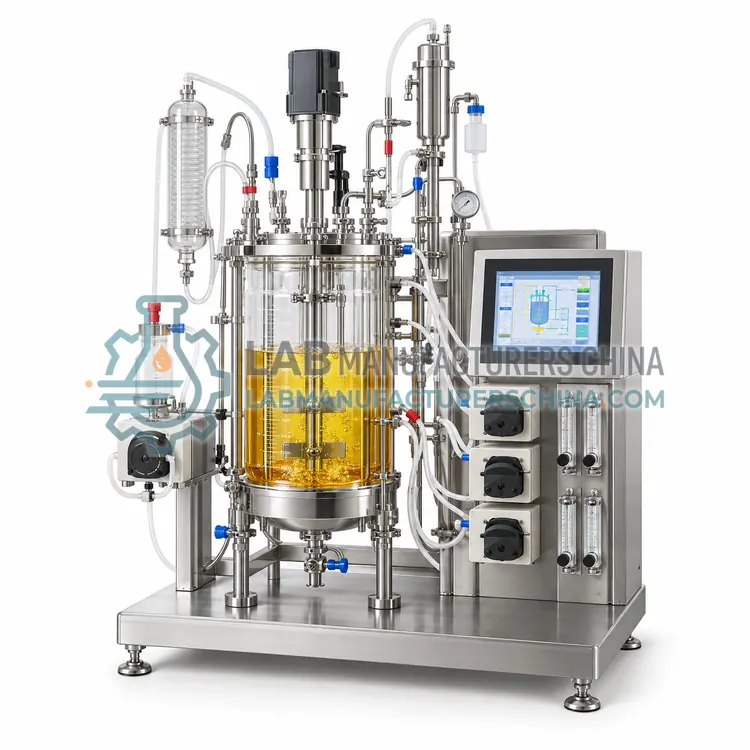
What are Bioreactors?
A bioreactor is a controlled cultivation vessel that provides a suitable environment for living cells or microorganisms while allowing the operator to monitor and adjust the conditions that drive growth and product formation. Designs include stirred-tank reactors, bubble columns, airlift reactors, packed-bed and membrane systems, and rocking or wave-mixed bags. Materials range from borosilicate glass for laboratory work to polished stainless steel for production and gamma-irradiated polymer bags for single-use operation. Control covers temperature, pH, dissolved oxygen, agitation, aeration, foam and feeding, with data logging for batch records. Bioreactors serve biopharmaceutical development and manufacturing, cell and gene therapy, vaccine production, tissue engineering and industrial fermentation. The main purchasing considerations are scale, cell type, oxygen and shear sensitivity, sterilization method, cleanability or single-use format, and the number of parallel experiments needed.
How do Bioreactors work?
A bioreactor maintains a population of cells in a liquid medium by continuously balancing supply and demand. Agitation, provided by an impeller, a rocking platform or gas-driven mixing, keeps nutrients and oxygen evenly distributed and prevents settling. Oxygen transfer is described by the volumetric mass-transfer coefficient, which depends on gas flow, bubble size, agitation power and vessel geometry. Temperature is controlled by a jacket, heating blanket or Peltier element. pH is measured with an electrode and corrected by carbon dioxide or base addition. Dissolved oxygen is measured and maintained by adjusting gas composition, flow or agitation through cascade control. Foam is managed with antifoam or mechanical breakers, and feed strategies range from batch to fed-batch and perfusion. Single-use systems keep the same control logic but replace the vessel and fluid path with a pre-sterilized bag and sensor patch.
Where are Bioreactors used?
Bioreactors are used from early discovery to commercial manufacturing. Development laboratories screen clones, media and process parameters in small parallel vessels. Biopharmaceutical manufacturers produce monoclonal antibodies, recombinant proteins, vaccines and viral vectors in stainless-steel or single-use stirred tanks, increasingly with perfusion for high cell densities. Cell and gene therapy groups expand T cells, stem cells and other primary cells in closed, often single-use systems. Industrial biotechnology uses bioreactors for enzymes, organic acids and biofuels, and the food sector for cultured ingredients and alternative proteins. Tissue engineering and regenerative medicine use specialized designs that support three-dimensional scaffolds. Across these applications the common requirement is a reproducible environment, consistent oxygen supply and complete documentation of the batch.
Which standards apply to Bioreactors?
Bioreactors for medicinal products are specified against EU GMP Annex 1 for sterile manufacture and 21 CFR Part 211, with quality systems following ISO 9001 or ISO 13485. Product-contact materials are assessed under USP <87>, <88> and <661> for biocompatibility and leachables, and single-use systems under BPOG and BPSA guidance with extractables and leachables testing. Stainless-steel vessels are pressure-rated and inspected to GB/T 150 or ASME BPVC Section VIII. Control systems in regulated manufacture must support 21 CFR Part 11 and EU GMP Annex 11 for audit trails and data integrity. Calibration follows traceable standards, sterilization in place is qualified with biological indicators, and electrical safety follows IEC 61010-1. Scale-up follows ICH Q11 principles where a drug substance is involved.
How do I select the right bioreactors equipment?
Begin with the cell type, because shear sensitivity, oxygen demand and growth rate determine the mixing and aeration design. Adherent cells may need packed-bed or membrane systems; suspension cells suit stirred tanks. Set the working volume for the current and next scale so that geometry and control remain comparable during scale-up. Decide between glass for small laboratory work, stainless steel for large or long campaigns, and single-use for clinical and multi-product facilities where cleaning validation is costly. For parallel bioreactors, choose the number of vessels and ensure that each has independent control. Confirm which parameters need cascade control, whether exhaust gas analysis and perfusion are required, and how data are logged and exported. For regulated work, request material and biocompatibility documentation, clean-in-place and sterilize-in-place qualification, and audit-trail functionality.
Bioreactors comparison
| Subcategory | Principle | Typical use | Key spec |
|---|---|---|---|
| Glass Bioreactors | Borosilicate vessel with bottom-drive or magnetic agitation and direct observation | Process development and small-scale culture | Working volume 0.5–10 L |
| Stainless Steel Bioreactors | Polished pressure vessel with in-situ cleaning and sterilization | Production-scale cultivation | Working volume 50–5,000 L |
| Single-Use Bioreactors | Pre-sterilized polymer bag with integrated sensors and impeller | Clinical and multi-product manufacturing | Working volume 1–2,000 L |
| Parallel Bioreactors | Multiple independently controlled vessels with shared software | Design of experiments and clone screening | 4–48 parallel vessels |
| Pilot Bioreactors | Intermediate-scale vessel reproducing laboratory geometry and control | Scale-up verification and small-batch production | Working volume 50–500 L |
Frequently asked questions about Bioreactors
A bioreactor cultivates cells, tissues or microorganisms under controlled temperature, pH, dissolved oxygen and mixing. It is used to produce antibodies, vaccines, viral vectors and recombinant proteins, to expand cells for therapy, and in industrial production of enzymes, organic acids and fermented food ingredients.
Stainless steel suits large volumes, long campaigns and processes needing high pressures or steam sterilization. Single-use suits multi-product and clinical facilities because it removes cleaning validation and shortens changeover, though consumable cost, leachables data and volume limits must be considered.
In batch culture all nutrients are present from the start. Fed-batch adds concentrated feed during the run and is the most common production mode. Perfusion continuously removes spent medium while retaining cells, supporting high cell densities and longer runs at higher complexity and media cost.
Oxygen is supplied by sparging gas through the liquid and by surface aeration from headspace. The dissolved oxygen probe drives a cascade that first adjusts gas flow or oxygen fraction, then agitation speed, to hold the setpoint without exposing shear-sensitive cells to excessive tip speed.
Not directly. Constant mixing time, tip speed or volumetric mass-transfer coefficient cannot all be held at once, so engineers choose the most critical criterion for the process and verify performance at each scale with comparable sensor placement and control.
Related categories
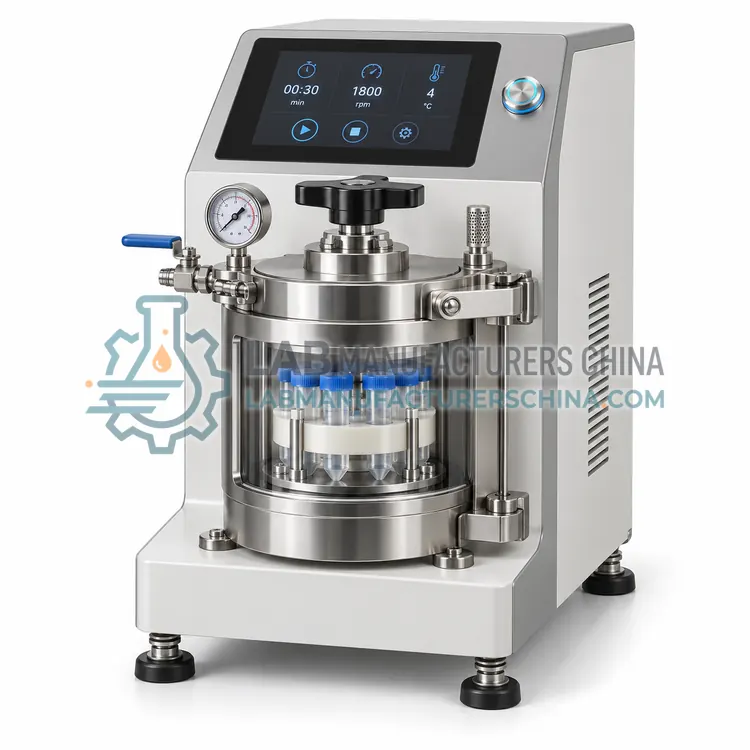 CLIF生命科学设备Life science equipment covers the instruments used to prepare, count, characterize and image biological samples, including homogenizers and centrifuges, flow cytometers, real-time PCR and sequencing-adjacent systems, protein analyzers, and microscopes. It supports research, biopharmaceutical development, diagnostics and academic teaching laboratories.
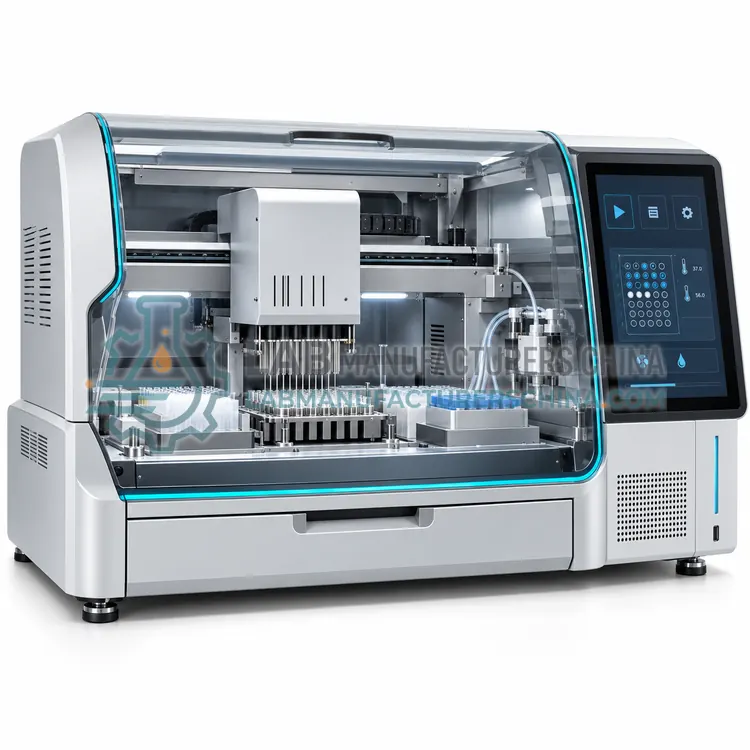 CMBE分子生物学设备Molecular biology equipment covers instruments for extracting, amplifying, separating, visualizing and quantifying DNA and RNA. It includes nucleic acid extraction systems, thermal cyclers and real-time PCR instruments, electrophoresis units, gel documentation systems and spectrophotometric nucleic acid analyzers used in research, diagnostics, agriculture and forensics.
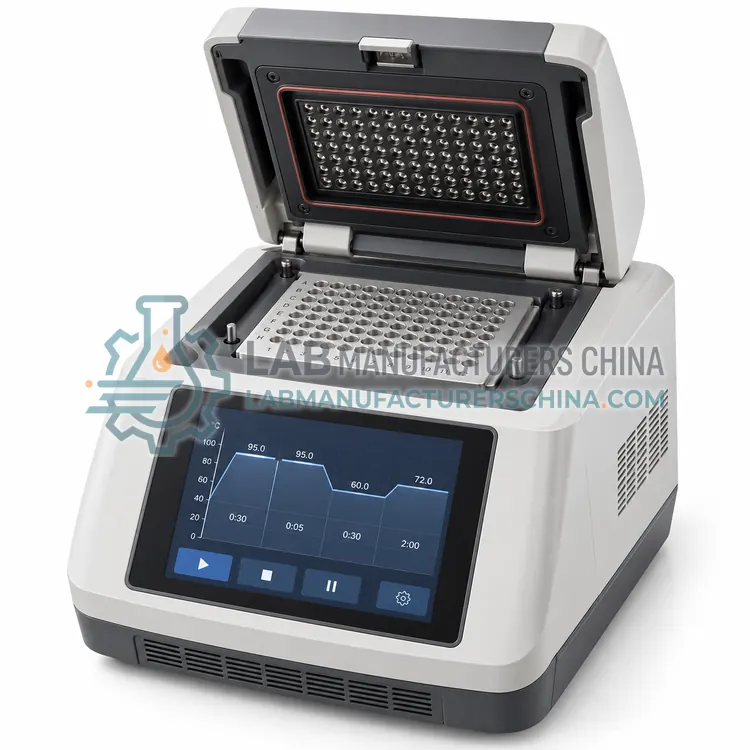 CPCEPCR 设备PCR equipment covers instruments and enclosures used to amplify and quantify nucleic acids by the polymerase chain reaction, including conventional, real-time, digital and gradient thermal cyclers and contamination-control workstations. Clinical, research, forensic, food safety and environmental laboratories use them to detect, quantify and study DNA and RNA targets.
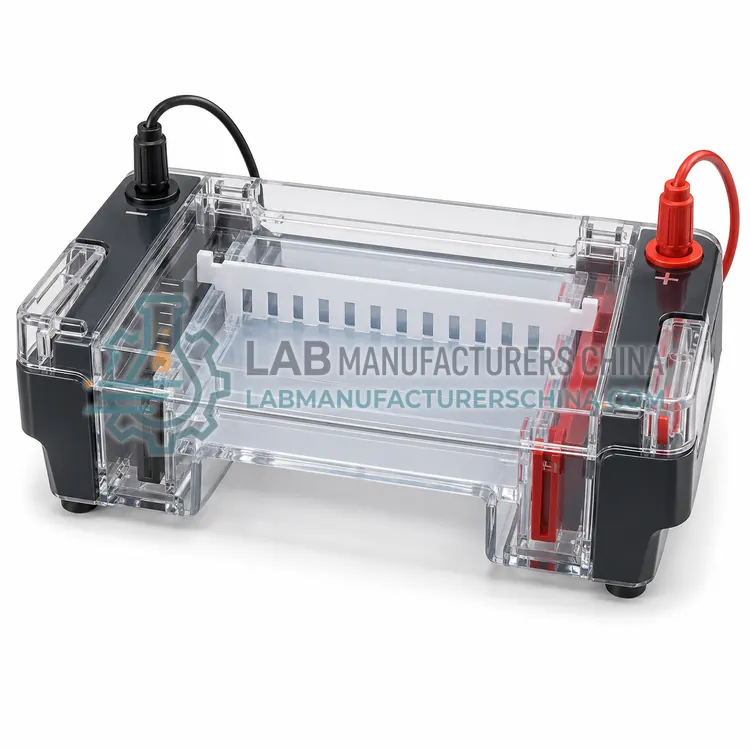 CELE电泳设备Electrophoresis equipment separates charged molecules such as DNA, RNA and proteins in an electric field through a gel or capillary. It includes horizontal and vertical gel tanks, power supplies, blotting systems and capillary electrophoresis analyzers used in molecular biology, clinical, quality control and forensic laboratories.