Lab Manufacturers China

Parallel Bioreactors

平行生物反应器

PAB · Bioreactors · 5 models

By Lab Manufacturers China Technical TeamLast reviewed Standards: ISO 9001, ISO 13485, 21 CFR Part 11

Standards referenced

  • ISO 9001
  • ISO 13485
  • 21 CFR Part 11
  • EU GMP Annex 11
  • ICH Q11
  • USP <87>
  • USP <88>
  • IEC 61010-1

What are Parallel Bioreactors?

Parallel bioreactors run several independent cultivation vessels or wells at once so that strains, media and process parameters can be compared in a single experiment. They speed up screening and process development in biopharmaceutical and industrial biotechnology.

5 models of Parallel Bioreactors

The 5 models below are current configurations; specifications are confirmed on quotation.

Microbioreactor Array System

微型生物反应器阵列系统

  • PAB-0001
  • Parallel Bioreactors
  • CE (to be confirmed)
  • ISO 9001 manufacturing (to be confirmed)
  • ISO 13485 manufacturing (to be confirmed)
Culture volume:
0.1–5 mL per well
Parallel cultures:
24–96
Mixing:
Orbital shaking or micro-impeller
pH control:
Individual in controlled formats
Dissolved oxygen control:
Individual in controlled formats
Temperature range:
Ambient +5 to 50 °C

A microbioreactor array system cultivates many microlitre to millilitre cultures in parallel with individual control of some parameters. It provides the earliest and most material-efficient screening stage before larger vessels are used.

Request a quote
View details

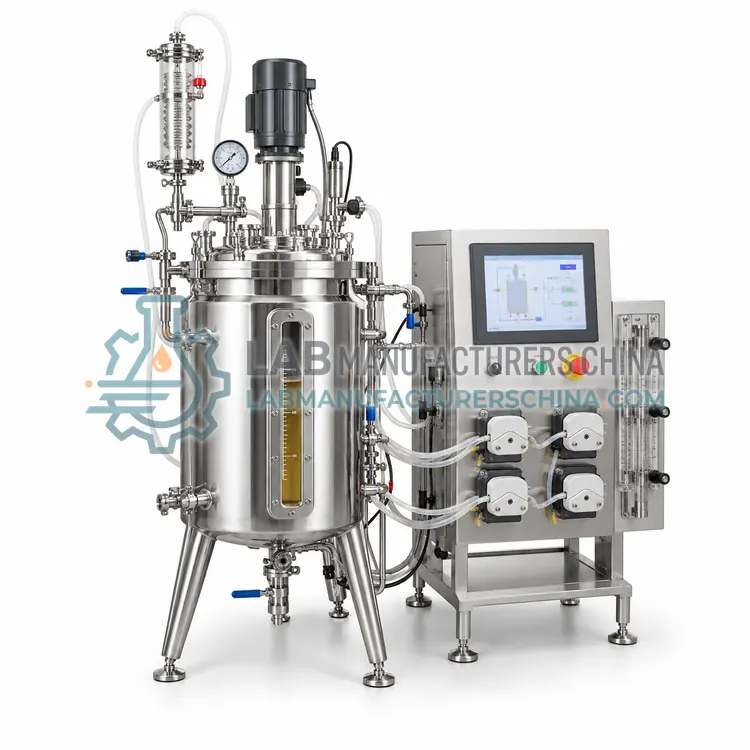
Parallel Mini-Bioreactor System

平行小型生物反应器系统

  • PAB-0002
  • Parallel Bioreactors
  • CE (to be confirmed)
  • ISO 9001 manufacturing (to be confirmed)
  • 21 CFR Part 11 software documentation (to be confirmed)
Working volume:
10–250 mL
Vessel count:
8–48
Temperature range:
Ambient +5 to 60 °C, ±0.2 °C
pH control:
Independent per vessel, ±0.05
Dissolved oxygen control:
Independent per vessel
Agitation:
100–1,500 rpm

A parallel mini-bioreactor system runs eight to forty-eight vessels of around 10 to 250 millilitres with true independent control. It bridges high-throughput micro-screening and fully instrumented bench-scale development for clone, media and process studies.

Request a quote
View details

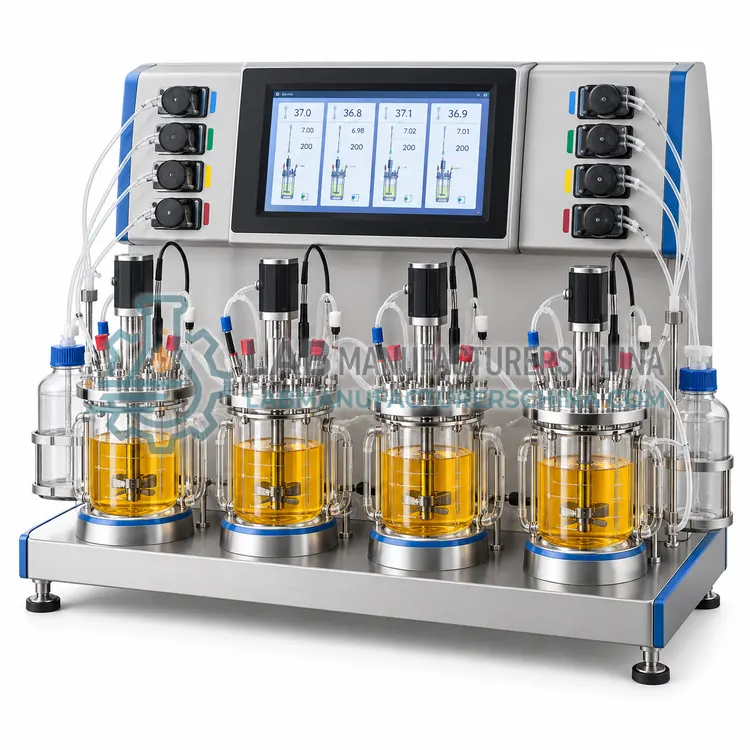
Parallel Bench-Scale Bioreactor System

平行台式生物反应器系统

  • PAB-0003
  • Parallel Bioreactors
  • CE (to be confirmed)
  • ISO 9001 manufacturing (to be confirmed)
  • 21 CFR Part 11 software documentation (to be confirmed)
Working volume:
0.5–10 L
Vessel count:
4–16
Temperature range:
10–60 °C, ±0.2 °C
pH control:
Independent, ±0.05
Dissolved oxygen control:
Cascade with enrichment option
Agitation:
50–1,200 rpm

A parallel bench-scale bioreactor system runs several vessels of around 0.5 to 10 litres with full independent control, closely reproducing production conditions. It verifies promising conditions at representative scale before pilot and production scale-up.

Request a quote
View details

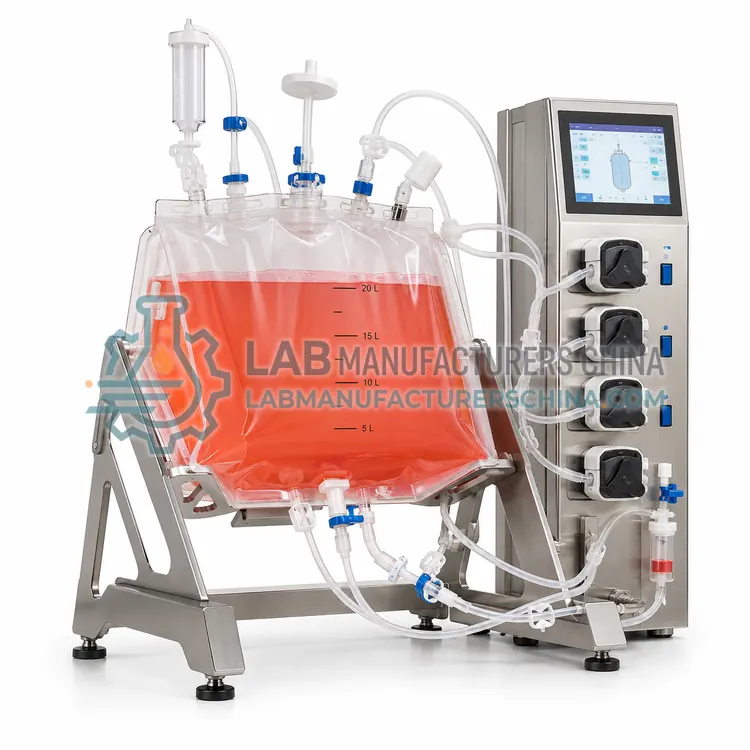
Parallel Single-Use Bioreactor System

平行一次性生物反应器系统

  • PAB-0004
  • Parallel Bioreactors
  • CE (to be confirmed)
  • ISO 13485 manufacturing (to be confirmed)
  • ISO 11137 sterilization (to be confirmed)
Working volume:
0.1–10 L per bag
Bag count:
4–16
Mixing:
Stirred, rocking or shaken
Temperature range:
10–50 °C
Gas control:
Independent air, O2, N2, CO2
Sensors:
Single-use pH and dissolved oxygen

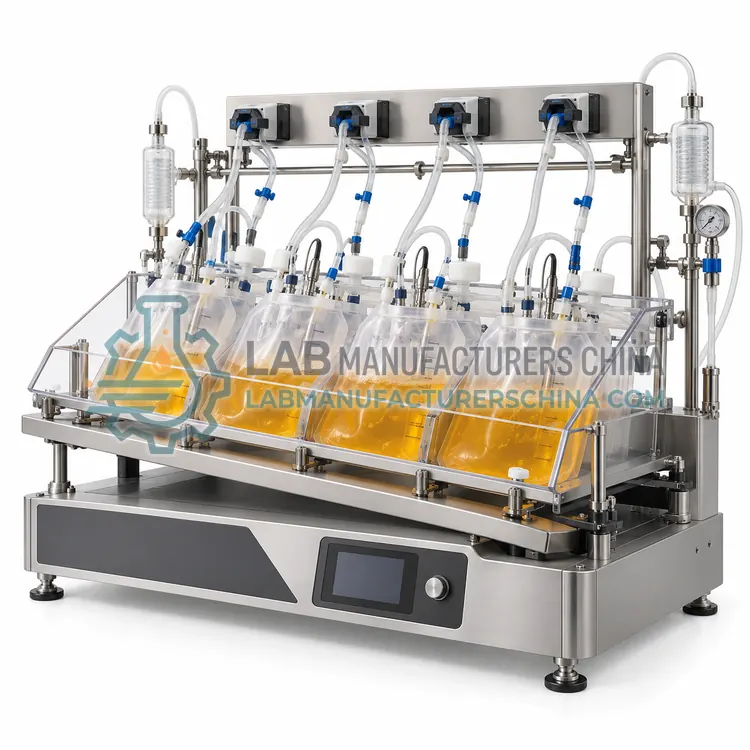
A parallel single-use bioreactor system runs several disposable bags in one platform, avoiding cleaning between experiments. It suits multi-product development, clinical process work and studies that demand rapid turnaround and flexibility between conditions.

Request a quote
View details

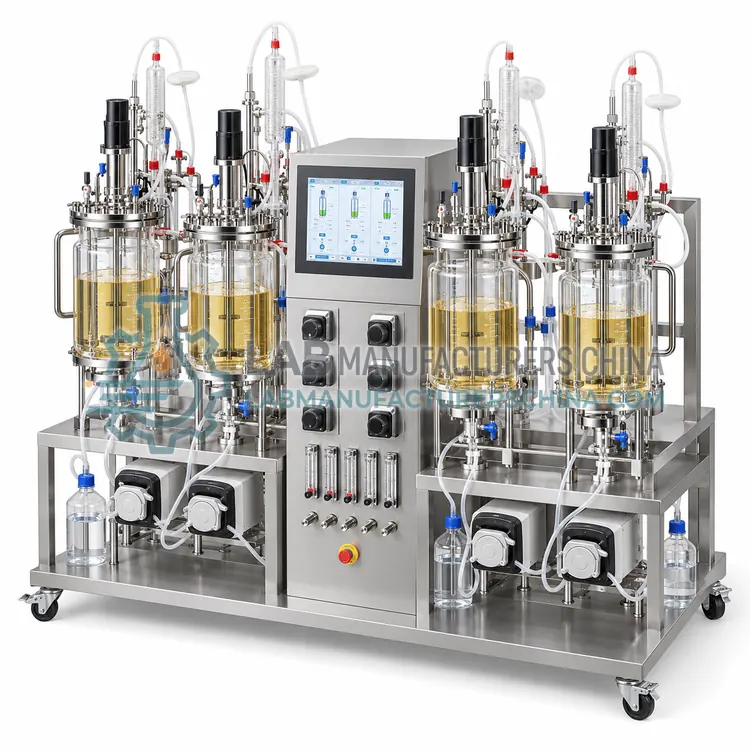
Parallel Perfusion Bioreactor System

平行灌流生物反应器系统

  • PAB-0005
  • Parallel Bioreactors
  • CE (to be confirmed)
  • ISO 13485 manufacturing (to be confirmed)
  • ISO 11137 sterilization (to be confirmed)
Working volume:
0.2–10 L
Vessel count:
2–16
Perfusion rate:
0.5–5 vessel volumes per day
Cell retention:
ATF, TFF or settler
Temperature range:
20–45 °C, ±0.2 °C
Viable cell density:
Up to 100 × 10^6 cells/mL

A parallel perfusion bioreactor system runs several vessels with continuous medium exchange and cell retention, comparing intensified conditions. It suits high-density process development, continuous manufacturing studies and comparison of perfusion rates and retention devices.

Request a quote
View details

Compare Parallel Bioreactors models

ModelMixingpH controlDissolved oxygen controlTemperature rangeData output
Microbioreactor Array SystemPAB-0001Orbital shaking or micro-impellerIndividual in controlled formatsIndividual in controlled formatsAmbient +5 to 50 °CGrowth curves, CSV and report export
Parallel Mini-Bioreactor SystemPAB-0002—Independent per vessel, ±0.05Independent per vesselAmbient +5 to 60 °C, ±0.2 °C—
Parallel Bench-Scale Bioreactor SystemPAB-0003—Independent, ±0.05Cascade with enrichment option10–60 °C, ±0.2 °CBatch profiles and reports per vessel
Parallel Single-Use Bioreactor SystemPAB-0004Stirred, rocking or shaken——10–50 °CPer-bag batch records
Parallel Perfusion Bioreactor SystemPAB-0005———20–45 °C, ±0.2 °CPer-vessel perfusion and harvest records

Indicative values for this product class. Final specifications are confirmed on the quotation and in the calibration documents supplied with the instrument.

How do Parallel Bioreactors work?

A parallel bioreactor system provides several small cultivation compartments, each with its own or multiplexed control of temperature, pH, dissolved oxygen, gas flow and feeding. Because each vessel follows a separate recipe, one experiment can compare many conditions under otherwise identical handling, which improves statistical power and reduces material and time per data point. Mixing and gas exchange are achieved by miniature impellers, shaking or gas-driven flow, depending on the format, and small volumes reduce medium, inoculum and reagent consumption. Shared software coordinates calibration, start and sampling and presents overlay plots for direct comparison. The main technical challenges are keeping control and hardware identical across vessels, avoiding cross-contamination and ensuring that results transfer to larger scale.

Which Parallel Bioreactors variants are available?

  • Microbioreactor Array System — A microbioreactor array system cultivates many microlitre to millilitre cultures in parallel with individual control of some parameters.
  • Parallel Mini-Bioreactor System — A parallel mini-bioreactor system runs eight to forty-eight vessels of around 10 to 250 millilitres with true independent control.
  • Parallel Bench-Scale Bioreactor System — A parallel bench-scale bioreactor system runs several vessels of around 0.5 to 10 litres with full independent control, closely reproducing production conditions.
  • Parallel Single-Use Bioreactor System — A parallel single-use bioreactor system runs several disposable bags in one platform, avoiding cleaning between experiments.
  • Parallel Perfusion Bioreactor System — A parallel perfusion bioreactor system runs several vessels with continuous medium exchange and cell retention, comparing intensified conditions.

How do I choose the right variant?

Choose the format from the number of conditions and the level of control required. Microbioreactor arrays suit early screening of many conditions with limited material, mini-bioreactors add real pH and dissolved oxygen control for deeper study, and bench-scale parallel vessels reproduce larger bioreactors closely for scale-down and process characterization. Confirm that each vessel has genuinely independent control, because shared gas or temperature systems can couple the experiments. Check working volume, agitation and aeration capability, the number of feed and sampling ports and whether automated sampling or dosing is available. Review the software for recipe management, overlay comparison, data export and, for regulated work, audit trails. Finally, confirm how results and parameters transfer to a single larger bioreactor.

Where are Parallel Bioreactors used?

Parallel Bioreactors are specified in strain and clone screening, design of experiments studies, media and feed optimization, scale-down process characterization and cell line development.

Which standards and certifications apply?

Work with Parallel Bioreactors is commonly governed by ISO 9001, ISO 13485, 21 CFR Part 11, EU GMP Annex 11, ICH Q11, USP <87>, USP <88> and IEC 61010-1. Instrument certifications such as CE marking are confirmed per configuration and never assumed.

What are the key considerations before purchase?

Standardize inoculation density, probe calibration and medium preparation across all vessels, because small differences become large when results are compared. Calibrate pH and dissolved oxygen probes as a batch and verify temperature uniformity before a comparative run. Keep the vessels and headplates clean and traceable to their positions to avoid cross-contamination. Record which recipe and vessel were used for each result, and keep a batch log linking conditions to outcomes. Because miniature sensors and small volumes can drift or evaporate, monitor evaporation and correct data accordingly. For regulated work, treat the system as measuring equipment with defined qualification and calibration intervals.

Frequently asked questions about Parallel Bioreactors

It compares many strains, media or process conditions under otherwise identical handling, producing more data per experiment and per gram of material. Uses include clone screening, design of experiments studies, media optimization and scale-down modelling of production bioreactors.

Need help specifying Parallel Bioreactors?

Request a quote