
Protein Analysis Equipment
蛋白质分析设备
CPAE · Life Science & Biotechnology · 5 product types · 25 models
By Lab Manufacturers China Technical TeamLast reviewed
What are Protein Analysis Equipment?
Protein analysis equipment characterises proteins by concentration, size, charge, sequence, structure and binding behaviour, covering protein analyzers, western blot systems, protein electrophoresis, purification systems and protein imaging instruments. It is used in biochemistry, biopharmaceutical, clinical and food protein laboratories.
5 product types in Protein Analysis Equipment
The 5 product types below are grouped by the exact instrument you need.
- PAN5 models
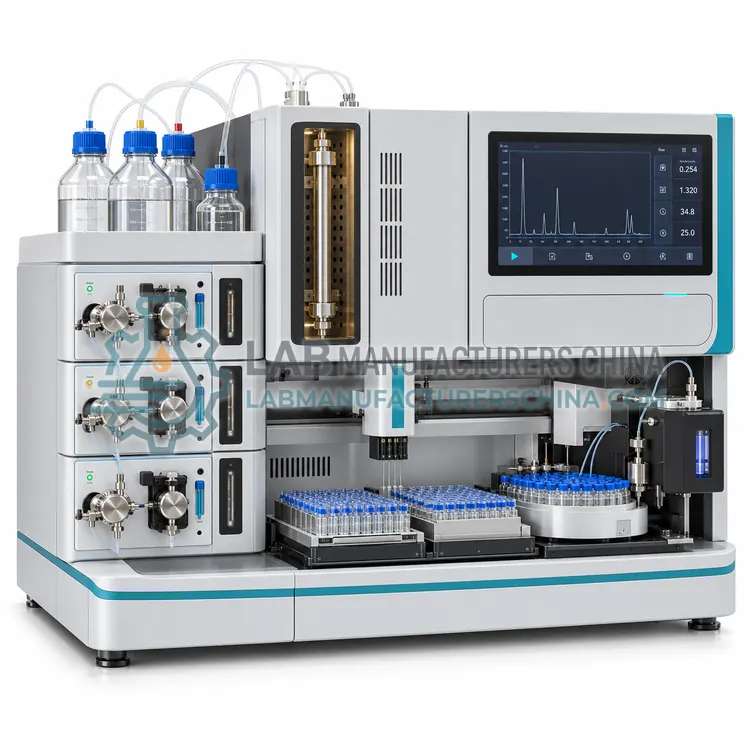
Protein Analyzers
蛋白质分析仪
Protein analyzers measure protein composition, sequence, secondary structure, thermal stability and binding affinity using amino acid analysis, Edman sequencing, circular dichroism, thermal shift assays or surface plasmon resonance. They support protein characterisation in research and biopharmaceutical development.
- WBS5 models
Western Blot Systems
Western 印迹系统
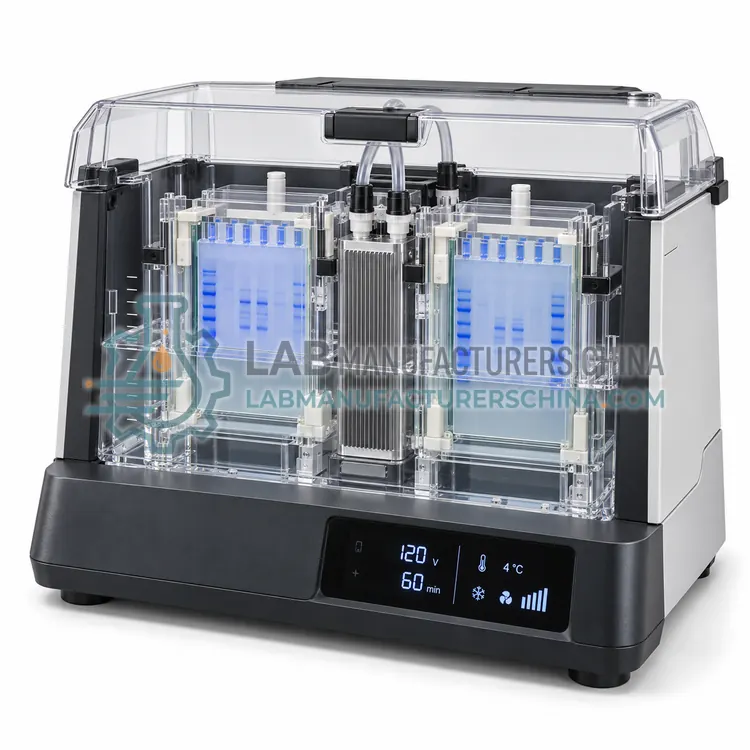
Western blot systems transfer proteins from a gel onto a membrane and process the membrane through blocking, antibody incubation and detection, allowing specific proteins to be identified and quantified. They are used in protein research, biopharmaceutical quality control and diagnostic laboratories.
- PRE5 models
Protein Electrophoresis
蛋白质电泳
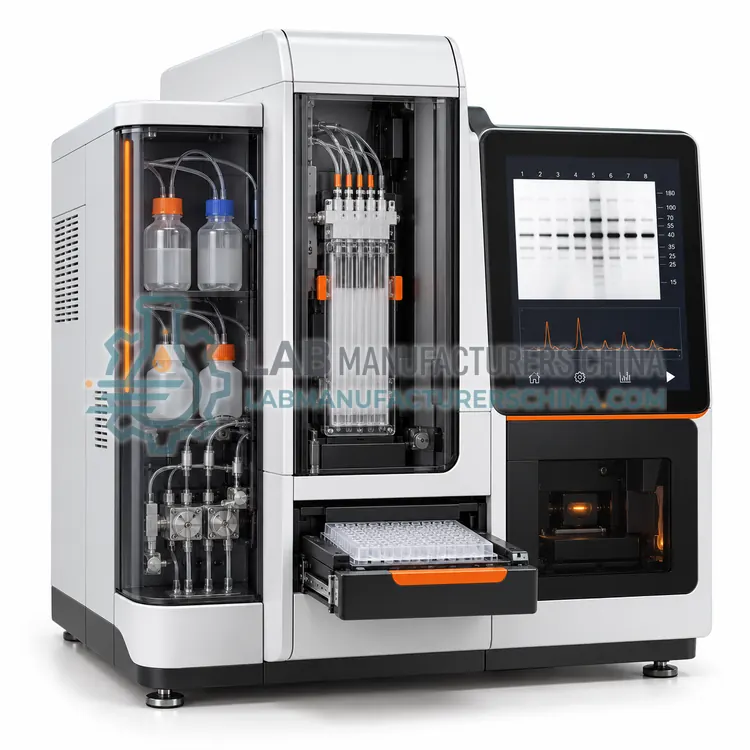
Protein electrophoresis separates proteins in polyacrylamide gels or capillaries by molecular weight, charge or isoelectric point, allowing purity, molecular weight and identity to be assessed. It is used in biochemistry, biopharmaceutical quality control and clinical protein laboratories.
- PRP5 models
Protein Purification
蛋白质纯化系统
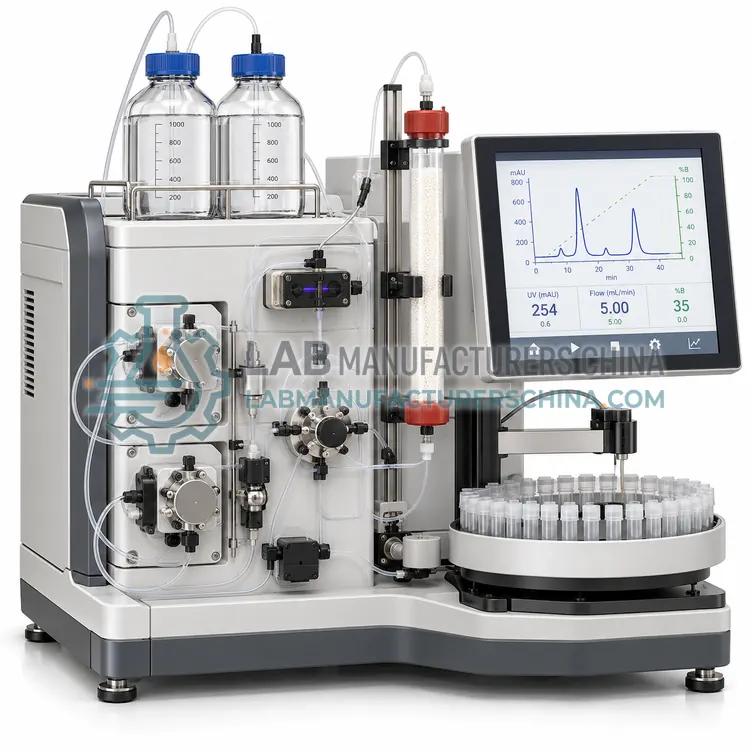
Protein purification systems isolate a target protein from lysate, culture supernatant or plasma by affinity, ion exchange, hydrophobic interaction or size exclusion chromatography and magnetic bead capture. They supply purified material for protein analysis, structure work and quality control testing.
- PRI5 models
Protein Imaging
蛋白质成像系统
Protein imaging systems detect and quantify chemiluminescent, fluorescent or colorimetric signals from western blots and stained protein gels, producing images for purity calculation and expression comparison. They are used in protein research, biopharmaceutical quality control and clinical protein laboratories.
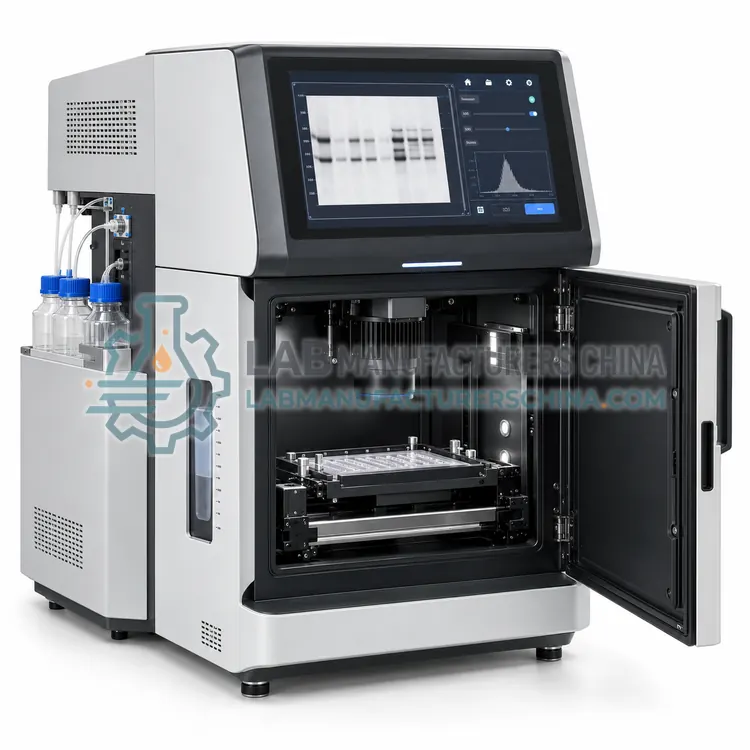
What are Protein Analysis Equipment?
Protein analysis equipment is the group of instruments used to measure and characterise proteins in research, quality control and manufacturing settings. It includes analyzers for amino acid composition, sequence, secondary structure and binding affinity; vertical and capillary electrophoresis systems that separate proteins by molecular weight or isoelectric point; western blot transfer and incubation systems that detect specific proteins with antibodies; chromatography and magnetic bead platforms that purify proteins from lysates or culture supernatant; and imaging systems that quantify chemiluminescent, fluorescent or colorimetric signals on blots and gels. The group also covers supporting measurements such as protein concentration by dye-binding assay or absorbance, and thermal stability screening. Because protein behaviour depends on buffer, temperature and handling, instruments in this group are usually selected and validated as parts of a defined purification or assay workflow.
How do Protein Analysis Equipment work?
Most protein analysis methods begin with separation. Electrophoresis moves charged proteins through a polyacrylamide gel under an electric field, with SDS masking intrinsic charge so that migration follows molecular weight, while isoelectric focusing separates by charge in a pH gradient. Once separated, proteins are either stained and imaged or transferred electrophoretically onto a membrane, where specific antibodies bind the target and a labelled secondary antibody generates a signal read by an imager. Purity and binding are assessed by chromatography or biosensor methods: in liquid chromatography, proteins partition between a mobile phase and a stationary phase with affinity, ion exchange or size exclusion chemistry, and are detected by absorbance or fluorescence as they elute. In surface plasmon resonance, binding changes the refractive index at a sensor surface and is recorded in real time. Mass spectrometry and amino acid analysis give sequence or composition information.
Where are Protein Analysis Equipment used?
Protein analysis equipment is used wherever protein identity, quantity or quality must be documented. Research laboratories analyse recombinant proteins, verify purification steps and study structure-function relationships. Biopharmaceutical companies measure protein concentration, aggregate content, charge variants and host cell protein in process development and release testing. Clinical laboratories use electrophoresis and immunoassay methods to detect monoclonal proteins and other diagnostic markers. Food and feed laboratories quantify protein content and check authenticity, including species origin in meat and dairy products. Agricultural and veterinary groups assess seed storage proteins and animal feed quality. In each case the instruments are combined with validated methods so that results are traceable and comparable across batches and sites.
Which standards apply to Protein Analysis Equipment?
Protein analysis methods appear in pharmacopoeial and standards texts rather than in a single product standard. The pharmacopoeias describe protein concentration by absorbance at 280 nm, SDS-PAGE purity limits, isoelectric focusing identity tests and size exclusion chromatography for aggregates, with USP <1057>, Ph. Eur. 2.2.31 and 2.2.34 as common references. IEC 61010-1 and IEC 61010-2-010 cover electrical safety and heated sample compartments, and IEC 61326-1 covers EMC. Biopharmaceutical laboratories work under GMP and ISO 17025, use ISO 9001 quality systems and need 21 CFR Part 11 compliant records. Food protein determination refers to ISO 8968 and AOAC methods, and laboratories reporting clinical results work under ISO 15189.
How do I select the right protein analysis equipment?
Define the question before choosing instruments: identity, purity, quantity, structure or binding affinity each point to different hardware. For purity and molecular weight, start with SDS-PAGE and a suitable imaging system, and add capillary electrophoresis when quantitative, reproducible purity data with audit trails are required. For specific protein detection, choose between manual tank or semi-dry transfer with antibody incubation and automated capillary systems that reduce hands-on time and improve quantification. For purification, match the chromatography mode to the tag or property you are exploiting, and confirm flow rate, pressure rating, column compatibility and fraction collection volume. For concentration and aggregate measurement, combine absorbance or dye-binding assays with size exclusion chromatography. Always check sample volume requirements, buffer compatibility, throughput, software validation and service support across the whole workflow.
Protein Analysis Equipment comparison
| Subcategory | Principle | Typical use | Key spec |
|---|---|---|---|
| Protein Analyzers | Composition, sequence, structure or binding measurement | Protein identity, structure and interaction studies | Sensitivity to 0.1–10 µg/mL protein |
| Western Blot Systems | Electrophoretic transfer to membrane with antibody detection | Specific protein detection in complex lysates | Transfer 10–100 V, 15–60 min |
| Protein Electrophoresis | Migration in polyacrylamide under an applied electric field | Molecular weight and purity determination | Gel 0.75–1.5 mm, 10–300 kDa range |
| Protein Purification | Affinity, ion exchange or size based chromatographic separation | Purifying recombinant and native proteins | Flow rate 0.1–20 mL/min |
| Protein Imaging | Detecting chemiluminescent, fluorescent or colorimetric signal | Quantifying blots and stained protein gels | Detection limit low picogram range |
Frequently asked questions about Protein Analysis Equipment
Common instruments include SDS-PAGE and capillary electrophoresis systems for size and purity, western blot transfer and imaging equipment for specific detection, chromatography and magnetic bead platforms for purification, and analyzers such as amino acid analysers, circular dichroism spectrometers and biosensors for structure and binding.
Purity is usually assessed by SDS-PAGE with densitometry, by capillary electrophoresis for quantitative results, or by size exclusion chromatography for aggregates and fragments. Reversed-phase chromatography and mass spectrometry are used when closely related variants must be resolved.
SDS-PAGE is inexpensive, shows all proteins in a sample and is easy to interpret visually, but quantification is operator dependent. Capillary electrophoresis automates injection, separation and detection, giving numerical purity percentages, higher reproducibility and digital records suitable for regulated release testing.
Keep purified proteins cold, typically on ice or at 2–8 °C for short periods, and store at −20 °C or −80 °C in aliquots with a stabiliser such as glycerol or a carrier protein. Avoid repeated freeze-thaw cycles, which cause aggregation and loss of activity.
Buffer pH, ionic strength and additives determine protein charge, solubility, aggregation and binding behaviour. The same protein can migrate differently or fail to bind an antibody in a different buffer, so buffers should be specified in method documents and prepared consistently.
Instruments need installation and operational qualification, method validation for accuracy, precision, specificity and linearity, controlled software with audit trails, and documented calibration and maintenance. Records must link each result to the instrument, method version, reagent lot and operator.
Related categories
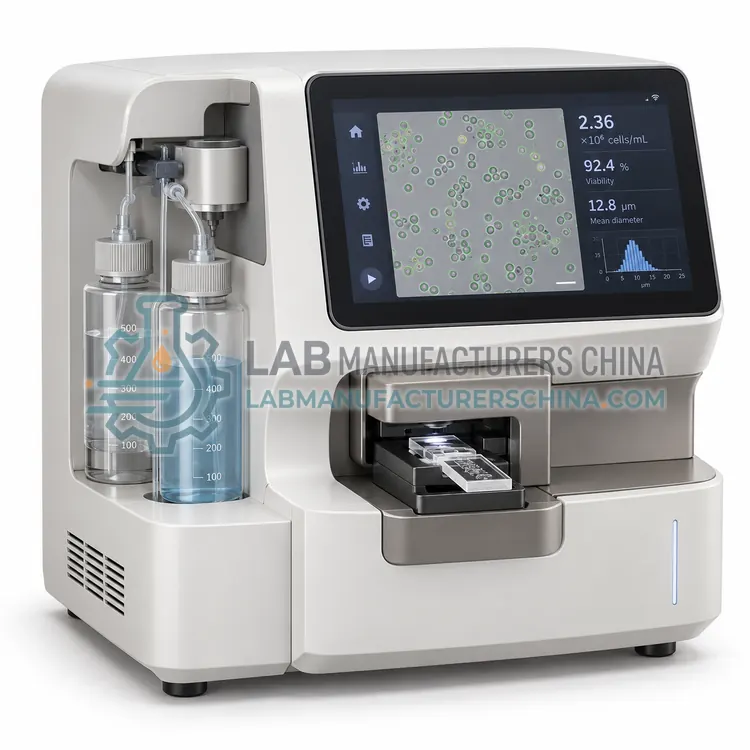 CCBE细胞生物学设备Cell biology equipment counts, analyses, images, separates and processes living cells, covering automated cell counters, flow cytometers and metabolic analysers, imaging systems, cell separation platforms and cell processing instruments. It is used in cell and cancer biology, immunology and bioprocess laboratories.
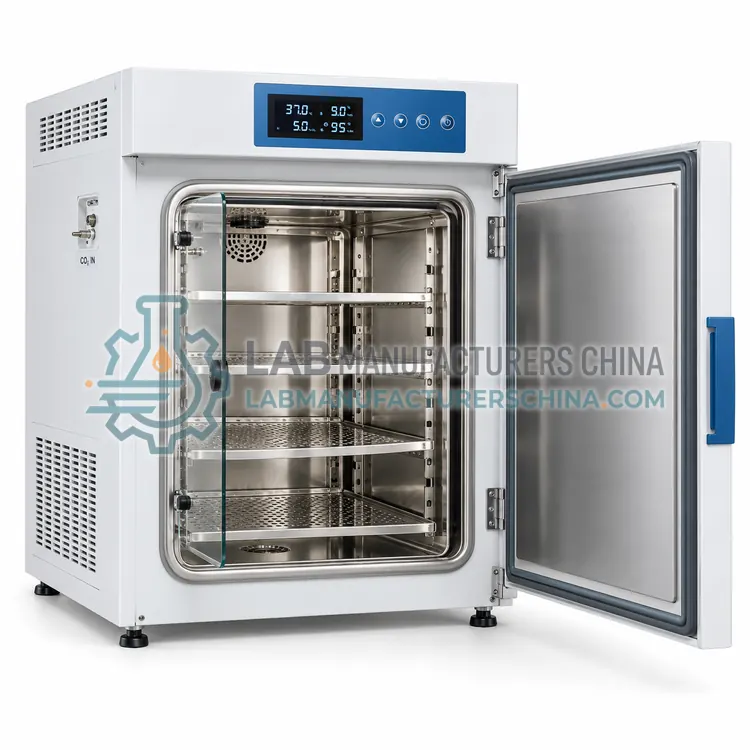 CCCE细胞培养设备Cell culture equipment provides the controlled environment, sterility and handling needed to grow cells outside the body, covering CO2 incubators, culture hoods, roller systems, automated culture platforms and monitoring instruments. It is used in research, bioprocess development and cell therapy laboratories.
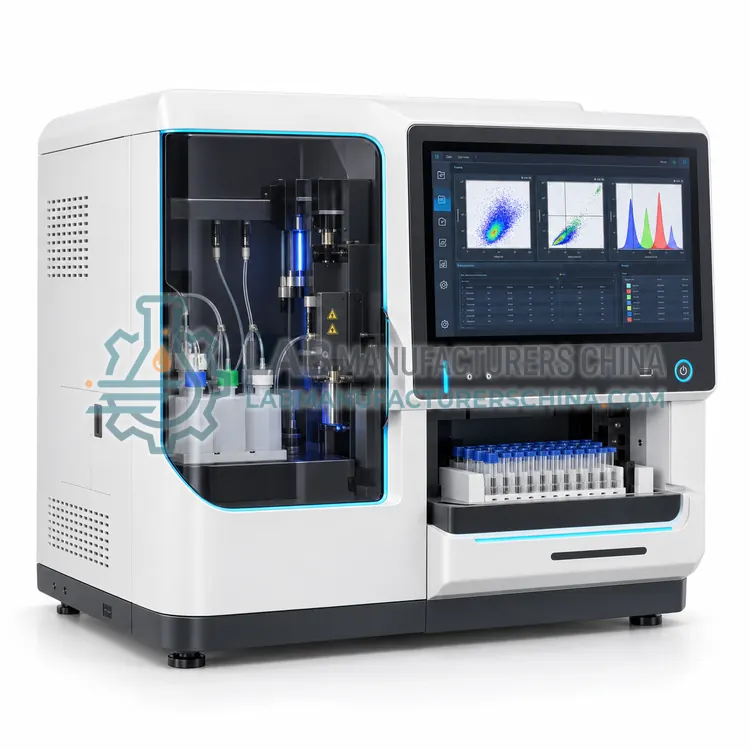 CFCE流式细胞术设备Flow cytometry equipment covers the instruments, consumables and software used to measure light scatter and fluorescence from individual cells or particles as they pass a laser beam. It includes analyzers, cell sorters, automated sample loaders, antibody reagents and acquisition and analysis software for immunology, hematology and cell biology laboratories.
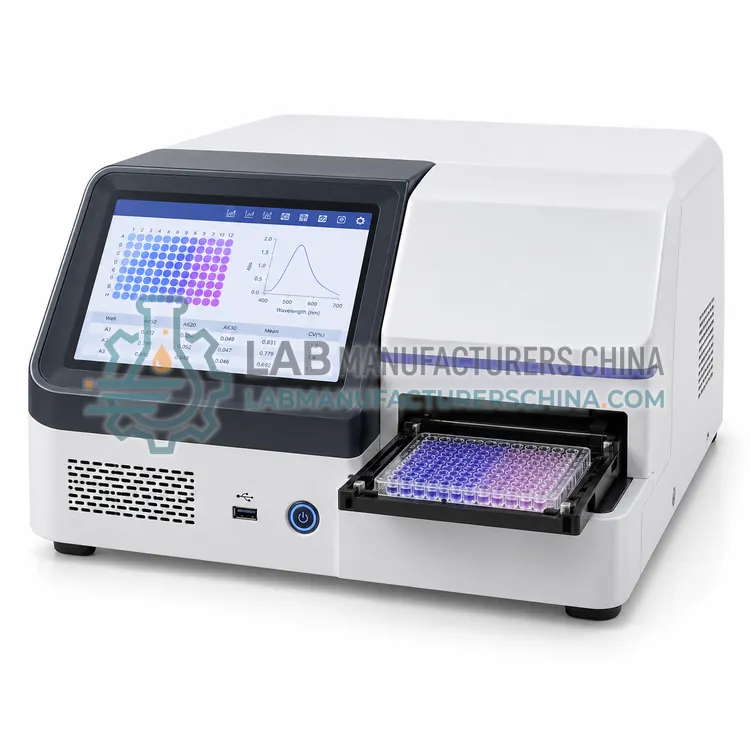 CMIE微孔板设备Microplate equipment covers the instruments used to process assays in 6- to 1536-well plates, including readers that measure absorbance, fluorescence and luminescence, washers, shakers, liquid dispensers and incubators. Immunoassay, cell-based screening, clinical diagnostic and quality control laboratories use them to run parallel, reproducible tests.