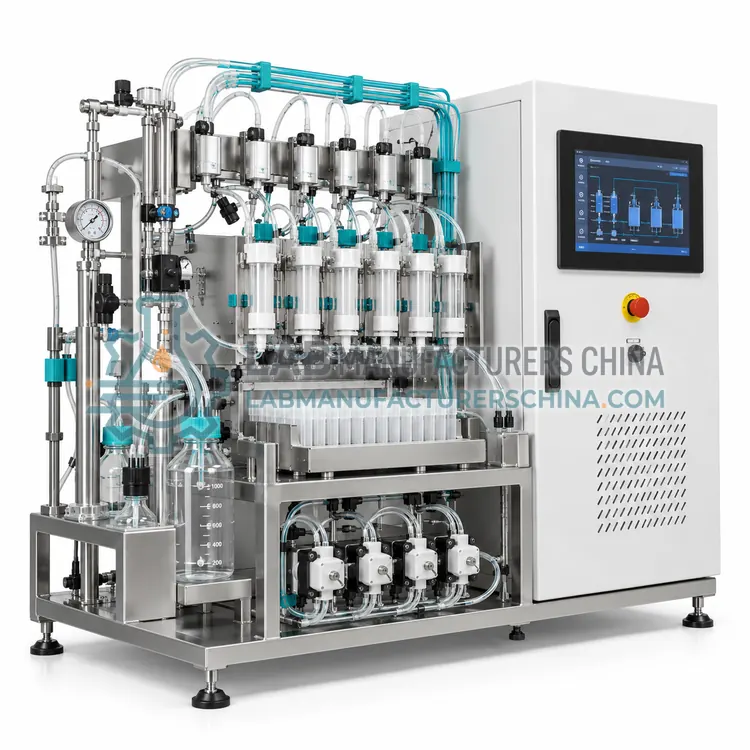
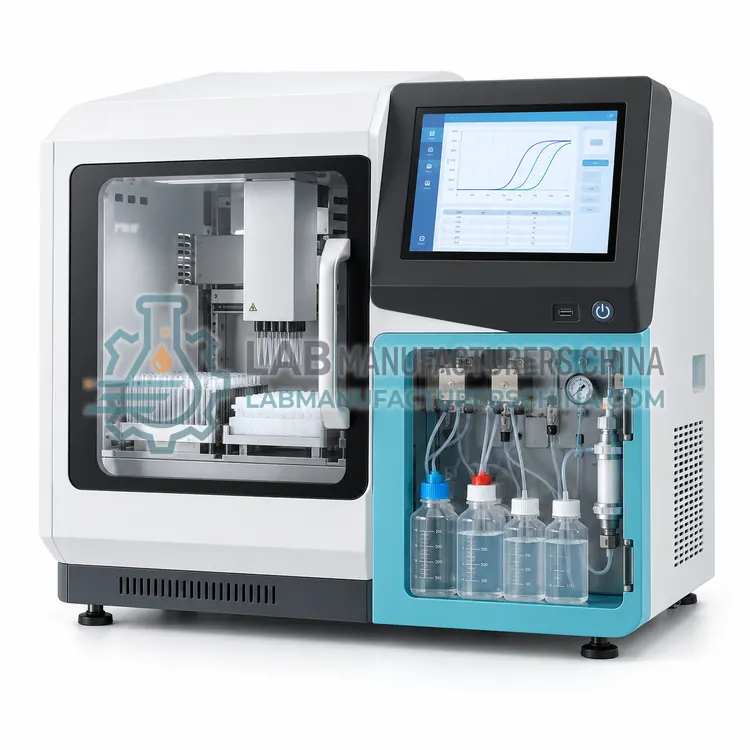
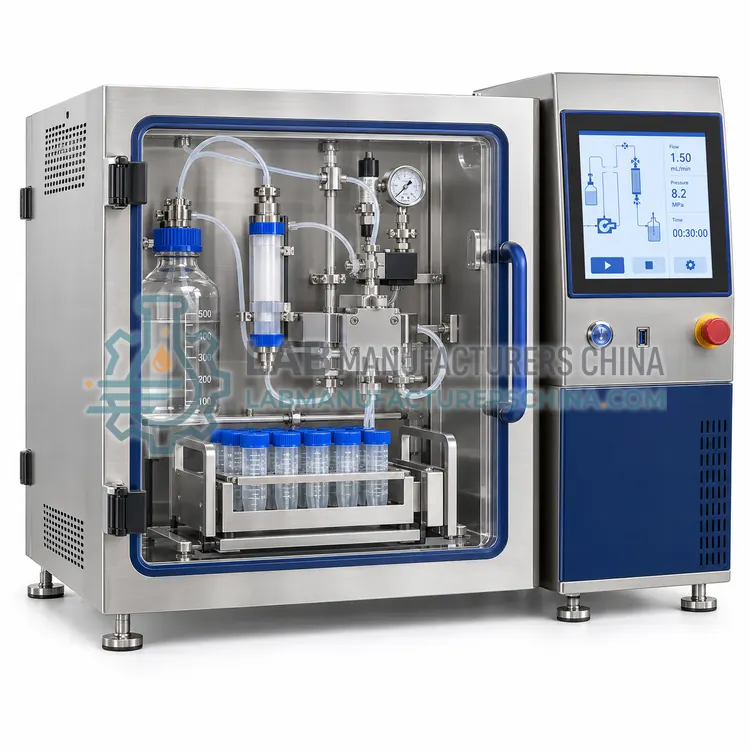
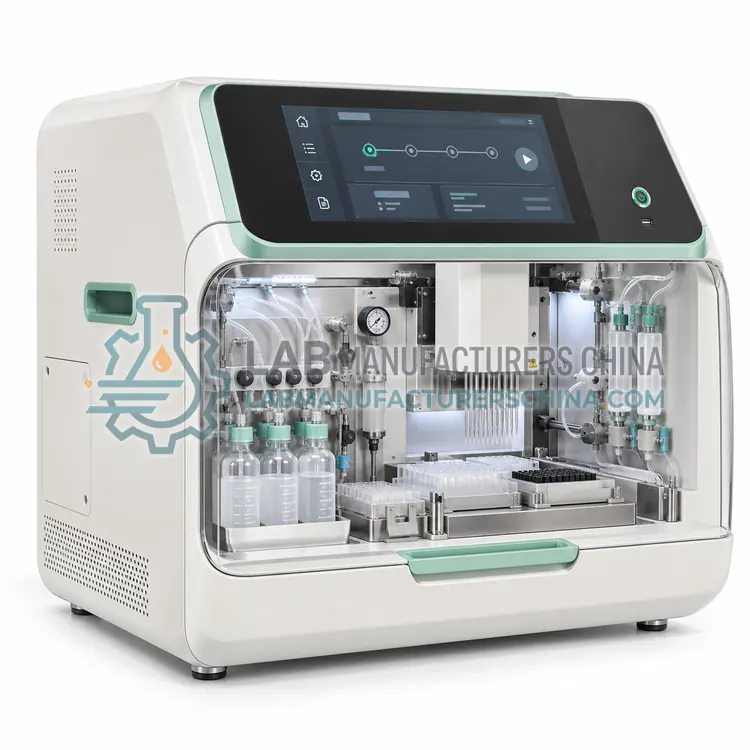
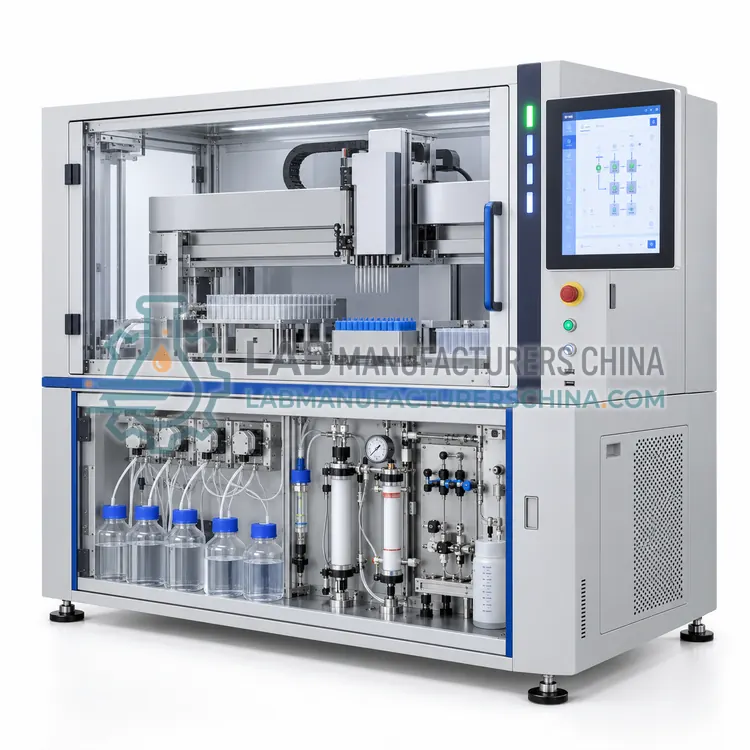
How do Molecular Processing work?
Molecular processing systems manipulate DNA and RNA through controlled chemistry and liquid handling. Extraction isolates nucleic acid from cells or samples by lysis followed by binding to silica membranes or magnetic beads, with washing to remove proteins and inhibitors and elution into a small volume. Quantification measures concentration and purity by ultraviolet absorbance or fluorescent dye binding, and integrity may be checked by electrophoresis or fragment analysis. Fragmentation breaks long DNA into a controlled size range by enzymatic digestion, sonication or hydrodynamic shearing, which is required before short-read sequencing. Library preparation then ligates adapters and barcodes and amplifies the fragments. Automation platforms coordinate these steps with precise pipetting, heating and magnetic separation, and software tracks samples, reagents and results with the traceability molecular workflows require.
Which Molecular Processing variants are available?
- Automated Nucleic Acid Extraction System — An automated nucleic acid extraction system isolates DNA or RNA from samples with magnetic beads or silica membranes and controlled liquid handling.
- Nucleic Acid Quantification System — A nucleic acid quantification system measures DNA or RNA concentration and purity by ultraviolet absorbance or fluorescence.
- DNA Shearing and Fragmentation System — A DNA shearing and fragmentation system breaks long DNA into a controlled size range for short-read sequencing and library construction.
- Library Preparation System — A library preparation system converts fragmented DNA or RNA into sequencing-ready libraries by end repair, adapter ligation, barcoding and amplification.
- Molecular Workflow Automation System — A molecular workflow automation system integrates liquid handling, heating, magnetic separation and detection to run nucleic acid workflows end to end.
How do I choose the right variant?
Match the system to the sample type, throughput and downstream application. For extraction, confirm the sample matrices supported, the input range, elution volume and the yield and purity achievable for your targets, and whether magnetic bead or membrane chemistry fits your workflow. For quantification, choose ultraviolet absorbance for broad concentration ranges or fluorescence for higher sensitivity with small amounts of DNA or RNA. For fragmentation, define the target insert size and the acceptable size distribution. For library preparation, check compatibility with your sequencing platform and read length, the number of samples per run and the barcode options. Across the category, verify automation level, cross-contamination controls, reagent formats, software traceability and the validation documentation required.
Where are Molecular Processing used?
Molecular Processing are specified in genomics and sequencing workflows, molecular diagnostics development, biopharmaceutical cell line characterization, microbial and viral detection, agricultural and environmental testing and research sample preparation.
Which standards and certifications apply?
Work with Molecular Processing is commonly governed by ISO 13485, ISO 20395, CLSI MM13, CLSI MM03, 21 CFR Part 11, ISO 15189 and IEC 61010-1. Instrument certifications such as CE marking are confirmed per configuration and never assumed.
What are the key considerations before purchase?
Work in a unidirectional flow from extraction to amplification to prevent amplicon contamination, and use separate areas and pipettes for each stage. Clean benches and equipment with the recommended agents and include no-template controls to detect contamination. Store reagents within their specified temperature range and check lot-to-lot performance when methods are validated. Monitor nucleic acid purity ratios and integrity, because inhibitors carried into amplification cause false negatives. Keep extraction and library preparation methods version controlled, and record reagent lot numbers with each batch. For clinical or regulated use, validate against reference methods and confirm that software provides the required audit trails and data security.