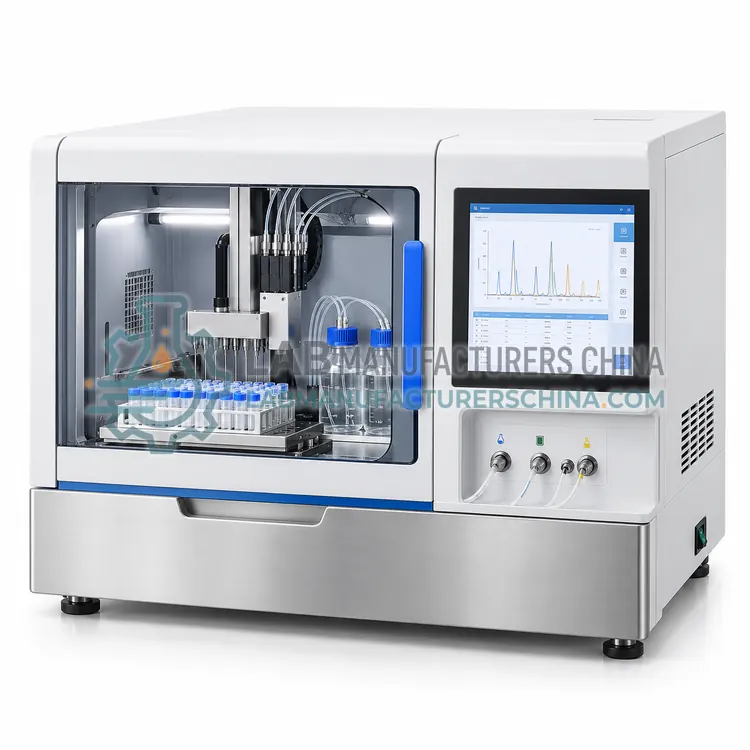
How do Culture Monitoring work?
Monitoring methods translate a physical or chemical property of the culture into a usable signal. Imaging systems illuminate the culture surface and estimate confluence from the fraction of the area occupied by cells, or count fluorescent objects to give viable cell density. Capacitance probes apply a radio-frequency field across the culture; viable cells with intact membranes behave as polarisable particles whose signal is proportional to viable cell volume, while dead cells and debris contribute little. Dissolved oxygen is measured with electrochemical or optical sensors, and pH with glass or optical sensors, both of which can be steam-sterilised for bioreactor use. Metabolite analysers use enzyme-based or optical assays to quantify glucose, lactate, glutamine and ammonia in culture samples. Raman spectroscopy adds in-line multi-component measurement when a chemometric model has been calibrated for the process.
Which Culture Monitoring variants are available?
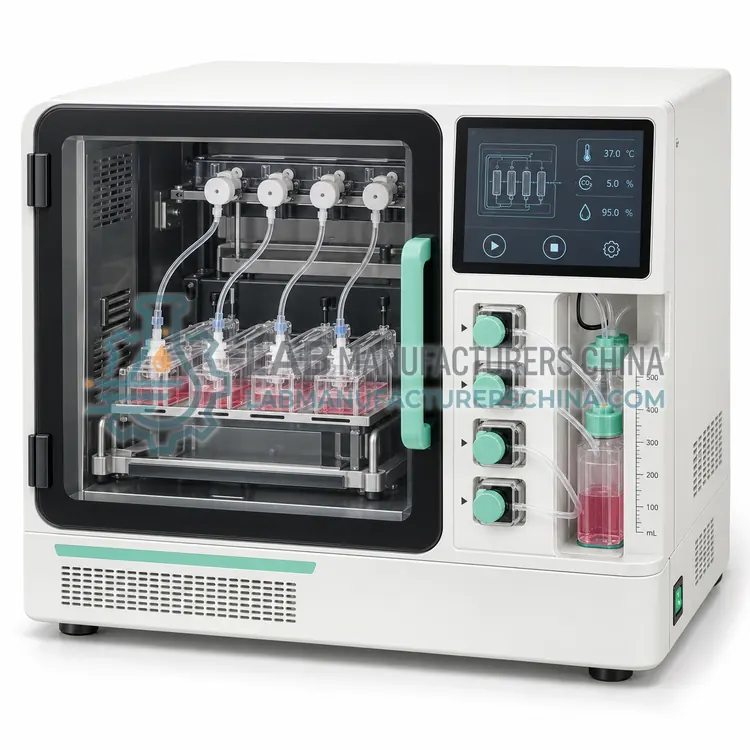
- Automated Confluence Monitoring System — An automated confluence monitoring system images culture vessels inside an incubator and reports the percentage of the surface covered by cells, timing passaging and harvest decisions without the culture leaving the incubator at any point.
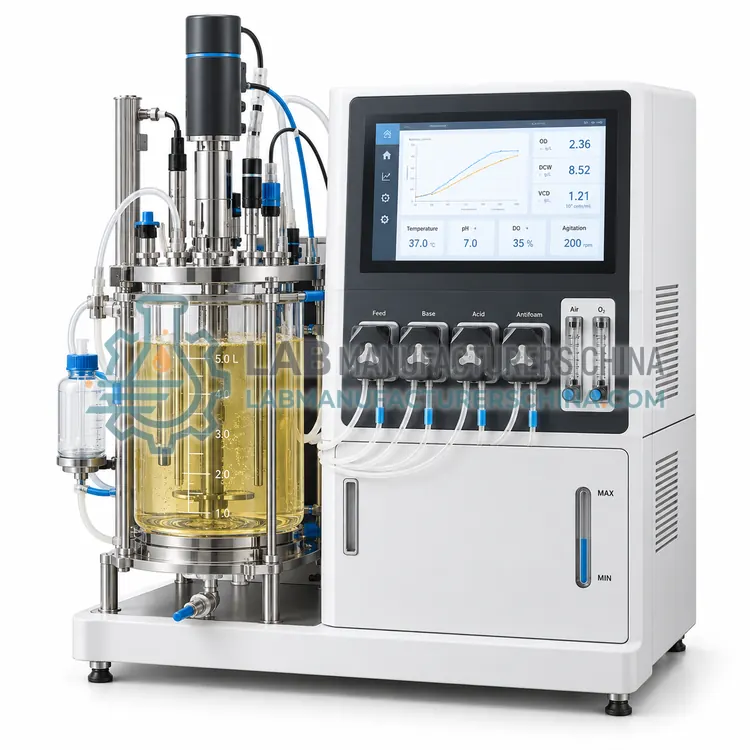
- Online Biomass Monitoring System — An online biomass monitoring system uses a capacitance probe to report viable cell volume in real time without sampling, tracking growth and detecting viability loss during bioreactor runs or flask-based culture processes.
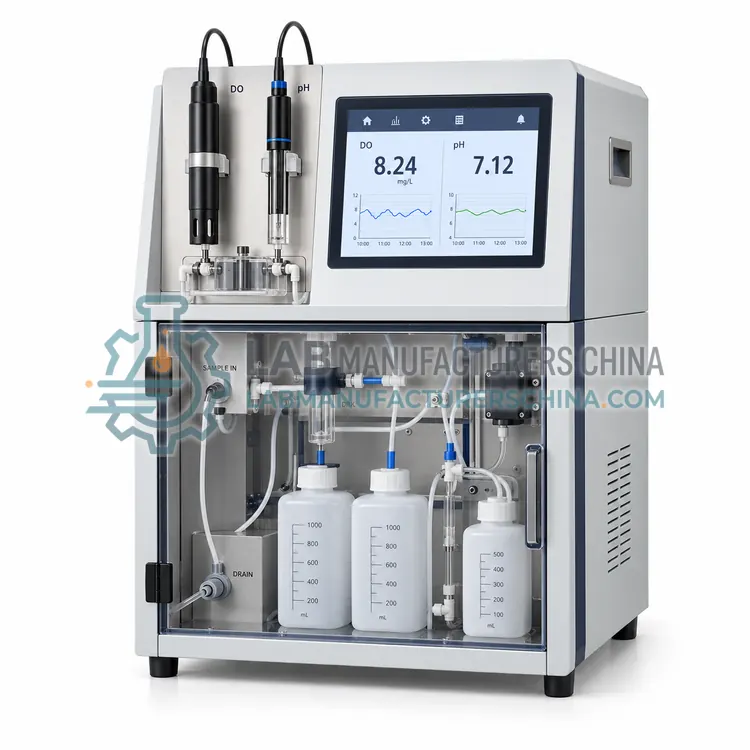
- Dissolved Oxygen and pH Monitoring System — A dissolved oxygen and pH monitoring system uses sterilisable electrochemical or optical probes to measure oxygenation and acidity continuously, providing the feedback needed for bioreactor control and for detecting oxygen limitation in cultures.
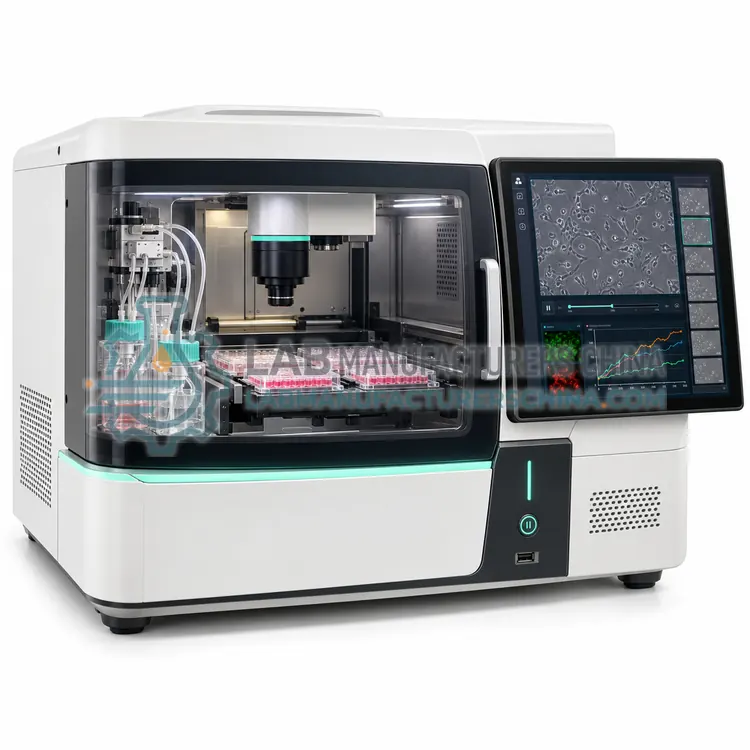
- Time-Lapse Cell Monitoring System — A time-lapse cell monitoring system keeps a culture at 37 °C with controlled CO2 while capturing images at set intervals, producing a film of growth, migration, death and morphological change inside the incubator.
- Cell Culture Metabolite Analyzer — A cell culture metabolite analyzer measures glucose, lactate, glutamine, glutamate and ammonia in small culture samples using enzyme-based or optical sensors, giving the data needed to set feed and perfusion rates rationally.
How do I choose the right variant?
Decide what decision the data must support. If the question is when to passage or harvest an adherent culture, automated confluence imaging is sufficient and simple. If viable cell density drives feeding or infection timing, capacitance biomass monitoring provides a real-time signal without sampling. For process control in a bioreactor, dissolved oxygen, pH and temperature probes are essential, and metabolite analysis adds the information needed to adjust perfusion or feed rates. Raman or near-infrared in-line analysers are justified only when the modelling effort can be sustained and the process runs often enough to benefit. Check measurement range and accuracy, response time, sterilisation method, whether the sensor contacts the culture, calibration and drift behaviour, integration with control software, and the frequency of consumable or probe replacement.
Where are Culture Monitoring used?
Culture Monitoring are specified in feeding and harvest timing decisions, bioreactor process control and scale-up, contamination and stress detection, cell therapy process monitoring and media and supplement optimisation.
Which standards and certifications apply?
Work with Culture Monitoring is commonly governed by IEC 61010-1, IEC 61326-1, ISO 14644-1, USP <1046> and ISO 20387. Instrument certifications such as CE marking are confirmed per configuration and never assumed.
What are the key considerations before purchase?
Calibrate each sensor against the reference method used in your laboratory, and record the calibration coefficients, since drift differs between probe types and affects decisions. For optical sensors, check the excitation wavelength and the dye's sensitivity to pH, ionic strength and temperature, which must be matched to the culture conditions. Capacitance probes require a defined conductivity window, so the medium formulation cannot change without re-validation. Sampling for metabolite analysis should be consistent in timing and dilution, and the analyser should be checked with standards daily. Clean and sterilise probes according to the manufacturer's instructions, since residues from previous runs cause drift, and replace consumable sensors at the recommended interval rather than at failure. Keep trend data rather than single values, because rates of change are usually more informative.