
X-Ray Analysis Instruments
X 射线分析仪器
CXRA · Analytical & Instrumentation · 5 product types · 29 models
By Lab Manufacturers China Technical TeamLast reviewed
What are X-Ray Analysis Instruments?
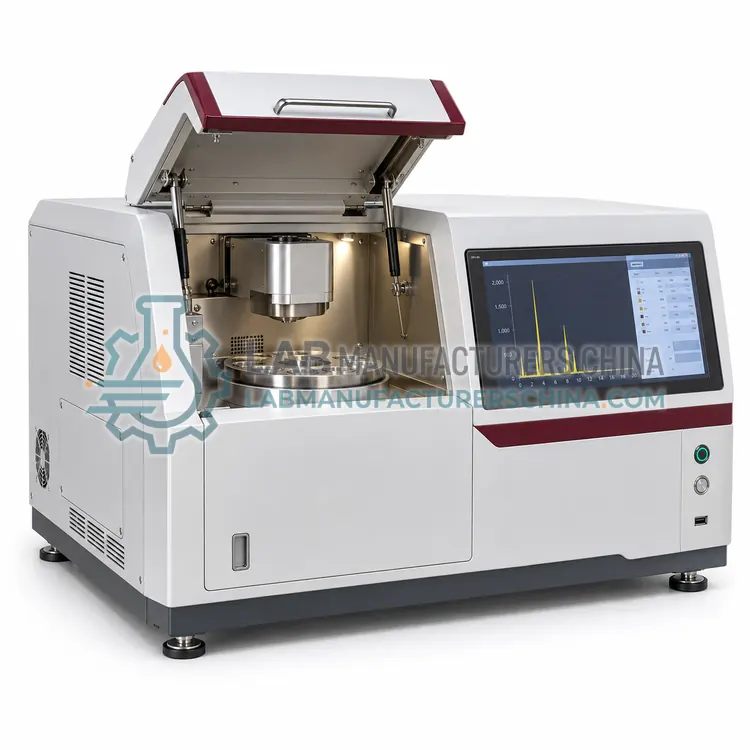
X-ray analysis instruments use X-ray interaction with matter to determine elemental composition or crystal structure. The category covers X-ray fluorescence spectrometers, portable and benchtop XRF analyzers, and X-ray diffractometers for materials, environmental and industrial testing.
5 product types in X-Ray Analysis Instruments
The 5 product types below are grouped by the exact instrument you need.
- XRF5 models
XRF
X 射线荧光光谱仪
X-ray fluorescence spectrometers measure the characteristic X-rays emitted by atoms excited with a primary X-ray beam. They determine elemental composition from sodium to uranium in solids, powders, liquids and films with minimal sample preparation.
- XRD6 models
XRD
X 射线粉末衍射仪
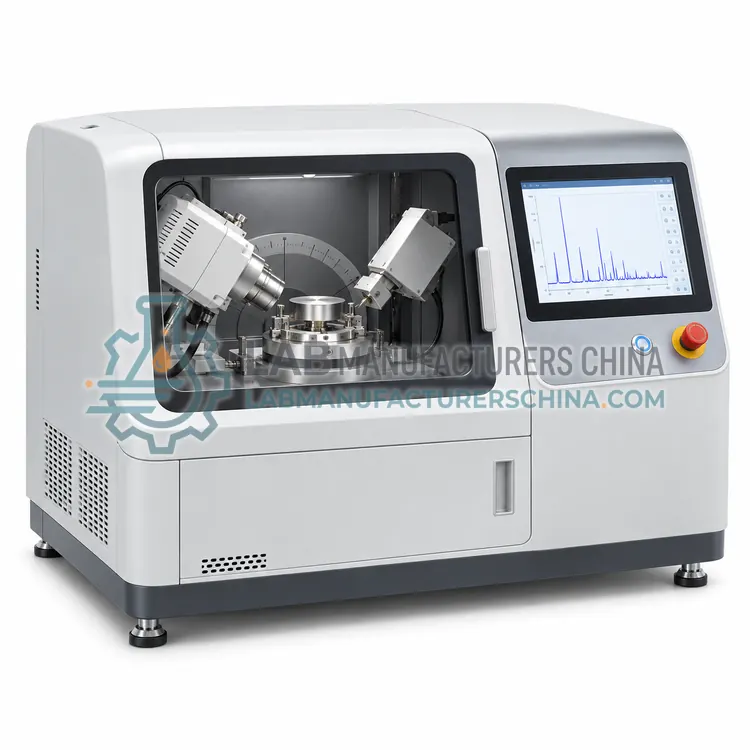
X-ray powder diffractometers identify and quantify crystalline phases by measuring how X-rays scatter from lattice planes. They serve pharmaceutical, cement, mineral, catalyst, battery and materials laboratories that need reliable structural information for research and quality control.
- POX6 models
Portable XRF
手持式 X 射线荧光光谱仪
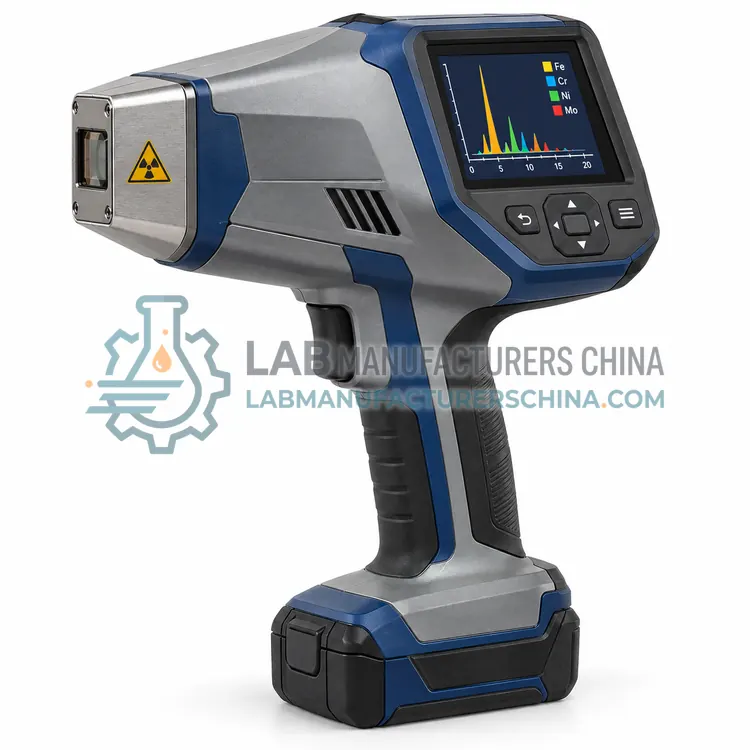
Portable XRF analyzers are battery-powered rugged handheld instruments for rapid field and shop-floor elemental analysis. They identify alloys, screen soil and consumer goods, sort scrap and explore ore deposits with results in seconds on site.
- BEX6 models
Benchtop XRF
台式 X 射线荧光光谱仪
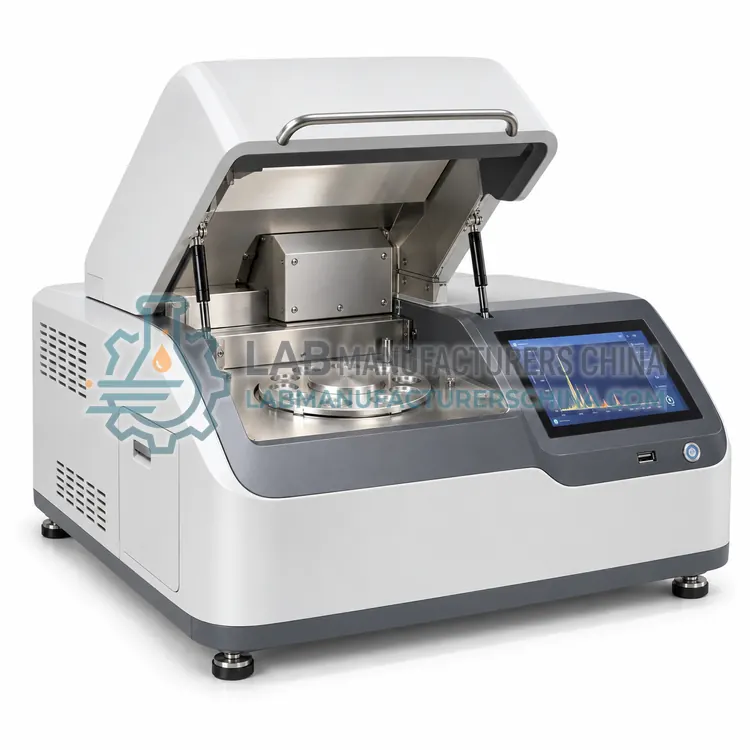
Benchtop XRF spectrometers are compact, enclosed laboratory instruments for elemental analysis without the footprint of floor-standing systems. They handle solids, powders, liquids and films for routine quality control, incoming inspection, screening and materials testing.
- XRA6 models
X-Ray Diffractometers
X 射线衍射仪
X-ray diffractometers determine crystal structure, phase composition and microstructural material properties from the way X-rays scatter from a sample. Configurations cover single crystals, thin films, residual stress and small-angle scattering across research and industrial engineering.
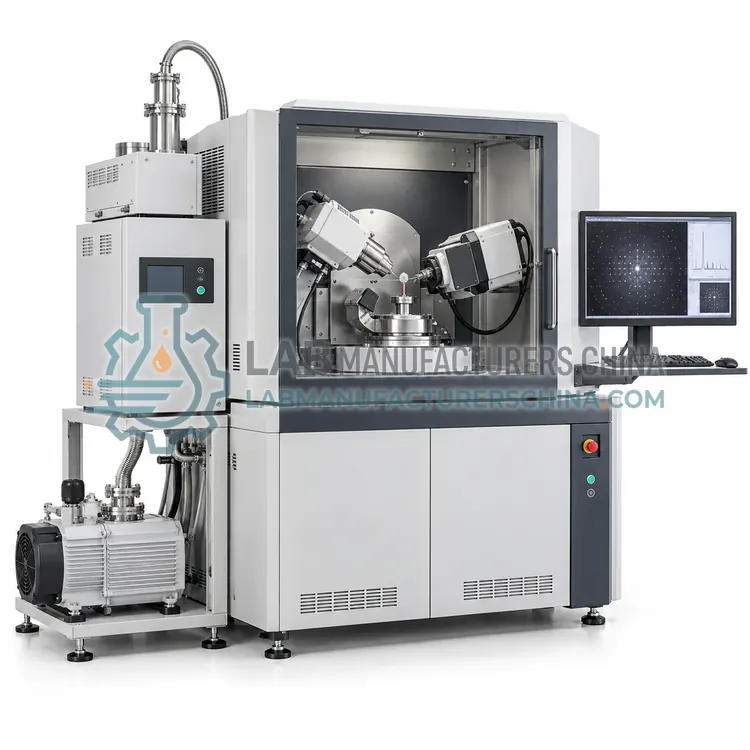
What are X-Ray Analysis Instruments?
X-ray analysis instruments fall into two broad families. X-ray fluorescence measures the characteristic X-rays emitted by atoms after they are excited by a primary X-ray beam, which reveals elemental composition from sodium to uranium with little or no sample preparation. X-ray diffraction measures how X-rays are scattered by the periodic planes of a crystal lattice, which reveals phase identity, crystallinity, lattice parameters, residual stress, texture and thin-film thickness. Both families are non-destructive for most samples and can measure solids, powders, liquids, slurries and thin films. Instruments range from handheld analyzers for field screening to floor-standing spectrometers with automatic sample changers and high-power X-ray tubes. Detector technology, geometry, X-ray optics and software determine sensitivity, resolution and speed, and the choice depends on whether the question concerns elemental concentration or crystalline structure.
How do X-Ray Analysis Instruments work?
In X-ray fluorescence, a tube or radioisotope source irradiates the sample and ejects inner-shell electrons. Outer electrons drop into the vacancies and emit X-rays whose energies are characteristic of each element. Energy-dispersive systems measure these energies with a semiconductor detector, while wavelength-dispersive systems disperse them with analyzing crystals for higher resolution and lower detection limits. Total reflection and polarized geometries reduce background for trace analysis, and micro-XRF uses focusing optics for small spots. In X-ray diffraction, monochromatic X-rays strike the sample and are scattered by lattice planes; constructive interference occurs at angles described by Bragg's law. The resulting pattern of peak positions and intensities identifies phases and quantifies their proportions, while peak broadening and shifts reveal crystallite size, strain and stress. Two-dimensional detectors speed data collection for texture and in-situ studies.
Where are X-Ray Analysis Instruments used?
X-ray analysis serves materials, environmental, geological, pharmaceutical and industrial applications. XRF is used to certify alloys, measure coating thickness, screen for restricted substances under RoHS, analyze cement, glass, ceramics and mining samples, and quantify sulfur in fuels. Portable XRF supports field soil surveys, scrap sorting, lead paint inspection and ore exploration. XRD identifies crystalline phases in pharmaceuticals, including polymorphs, and in cements, catalysts, batteries, minerals and corrosion products; it also measures residual stress, texture and thin-film properties for metals and coatings. Both techniques support quality control, failure analysis, compliance testing and research, and they are often combined with other methods when elemental and structural information are both needed.
Which standards apply to X-Ray Analysis Instruments?
Standards depend on the technique and application. X-ray fluorescence methods include ASTM E1621 for wavelength-dispersive analysis, ASTM D4294 and ISO 8754 for sulfur in petroleum, ISO 3497 and ASTM B568 for coating thickness, and US EPA Method 6200 and ISO 13196 for field and soil screening. Restricted substances in electrical products follow the IEC 62321 series. X-ray diffraction follows USP <941> for pharmaceutical identification, ASTM E915 for alignment verification, ASTM D934 for crystalline deposits and ISO 20203 for alumina. Laboratories operate under ISO/IEC 17025, manage electronic records under 21 CFR Part 11 where applicable, and ensure radiation safety through national licensing and IEC 61010-2-091 for analytical X-ray equipment.
How do I select the right x-ray analysis equipment?
First decide whether elemental composition or crystal structure is required. Choose XRF for elements from sodium upward, coating thickness and screening, and XRD for phase identity, crystallinity, stress, texture and thin films. Within XRF, energy-dispersive instruments are compact and fast, while wavelength-dispersive instruments give better resolution and lower detection limits for light elements and trace analysis. Total reflection and polarized designs target ultratrace work, and micro-XRF provides spatial resolution. Portable analyzers serve field use with reduced precision and a smaller element range. Within XRD, powder systems handle phase analysis, while single-crystal, thin-film and small-angle configurations address structure, reflectometry and nanostructure. Confirm the element or phase range, detection limits, sample size and regulatory method before selecting.
X-Ray Analysis Instruments comparison
| Subcategory | Principle | Typical use | Key spec |
|---|---|---|---|
| XRF | Characteristic X-ray emission from excited atoms | Elemental composition of solids, powders and liquids | Na to U, ppm to percent |
| XRD | X-ray scattering from lattice planes | Phase identification and quantitative phase analysis | 2θ range 0–160° |
| Portable XRF | Battery-powered energy-dispersive XRF | Field soil, scrap sorting and alloy PMI | Mg to U, spot 3–8 mm |
| Benchtop XRF | Compact energy or wavelength-dispersive XRF | Laboratory screening and QC in small spaces | Na to U, ppm level |
| X-Ray Diffractometers | Bragg diffraction from single crystals, films and nanostructures | Structure, thin films, stress and small-angle studies | 0.0001° angular resolution |
Frequently asked questions about X-Ray Analysis Instruments
XRF measures the characteristic X-rays emitted by excited atoms and reports elemental composition. XRD measures how X-rays scatter from crystal lattice planes and reports phase identity, crystallinity and structural parameters. XRF answers which elements are present; XRD answers which crystalline compounds and structures are present.
Laboratory and portable XRF generally measure from sodium or magnesium upward through uranium, with lighter elements requiring vacuum, helium purge or special crystals. Portable analyzers typically start at magnesium or aluminum. Elements below sodium are difficult because their fluorescence is absorbed by air and detector windows.
XRF is generally non-destructive for solids and can be repeated on the same spot. Samples may need surface preparation such as grinding or polishing to remove contamination and improve accuracy. Powder samples are often pressed or fused, which changes them. XRD is also non-destructive unless the sample must be ground or heat-treated.
Solid samples benefit from a flat, clean, representative surface. Powders are pressed into pellets with a binder or fused into glass beads for the most accurate quantitative analysis. Liquids are measured in cups with thin film windows. Portable XRF needs minimal preparation but should avoid loose dust and rough surfaces that bias results.
Analytical X-ray instruments are regulated radiation devices. Enclosed benchtop and floor-standing units have shielding and interlocks so that no measurable dose escapes during normal operation. Portable and handheld units require training, safe work procedures and sometimes local registration. Laboratories keep dose records and follow national licensing requirements.
Related categories
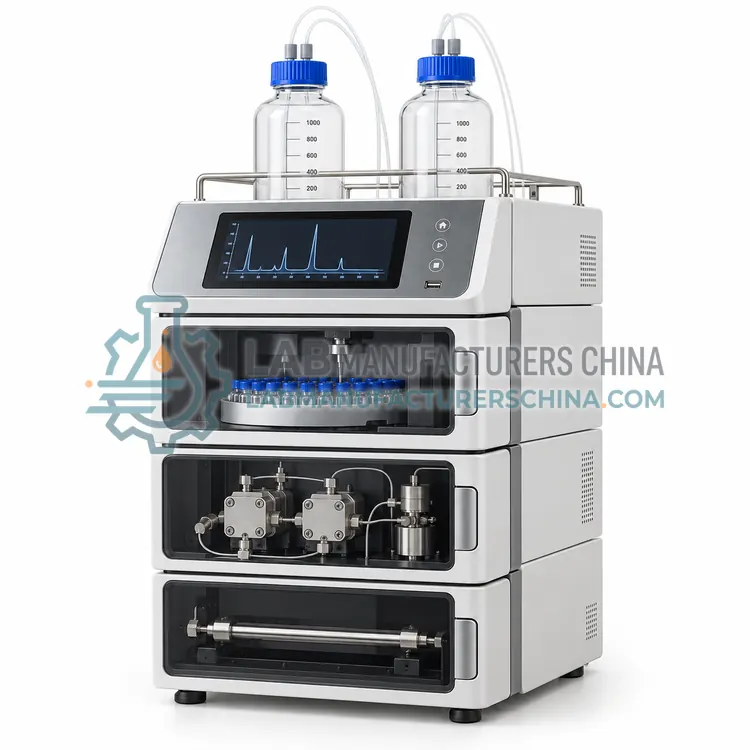 CCHI色谱仪器Chromatography instruments separate the components of a mixture between a mobile phase and a stationary phase, then detect and quantify each component. The category covers HPLC, UHPLC, gas chromatography, ion chromatography and flash chromatography systems used in QC, environmental, food, pharmaceutical and synthetic chemistry laboratories.
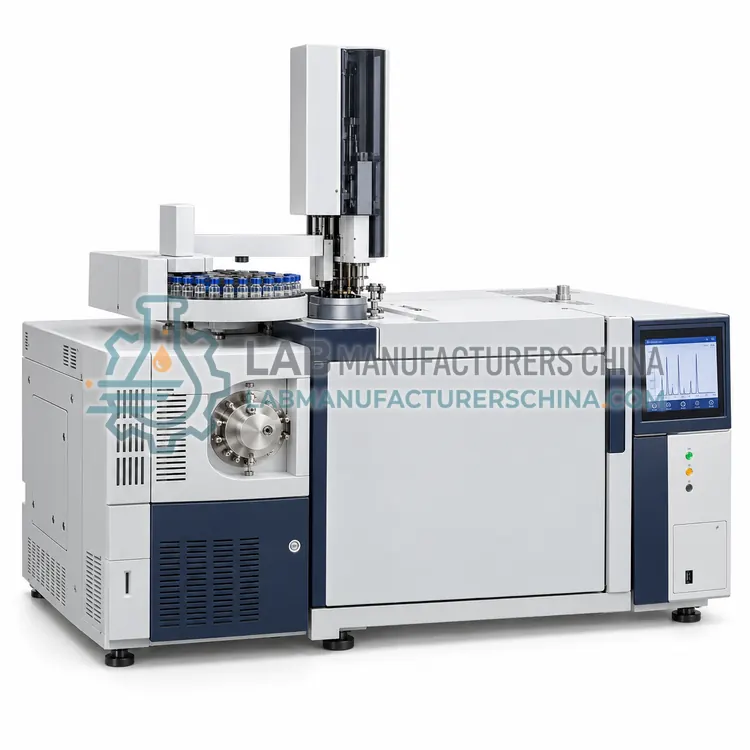 CMSI质谱仪器Mass spectrometry instruments ionize molecules or atoms, separate the ions by mass-to-charge ratio and detect them to identify and quantify compounds. The category covers GC-MS, LC-MS, ICP-MS, TOF and triple quadrupole systems used in pharmaceutical, clinical, food, environmental and materials laboratories.
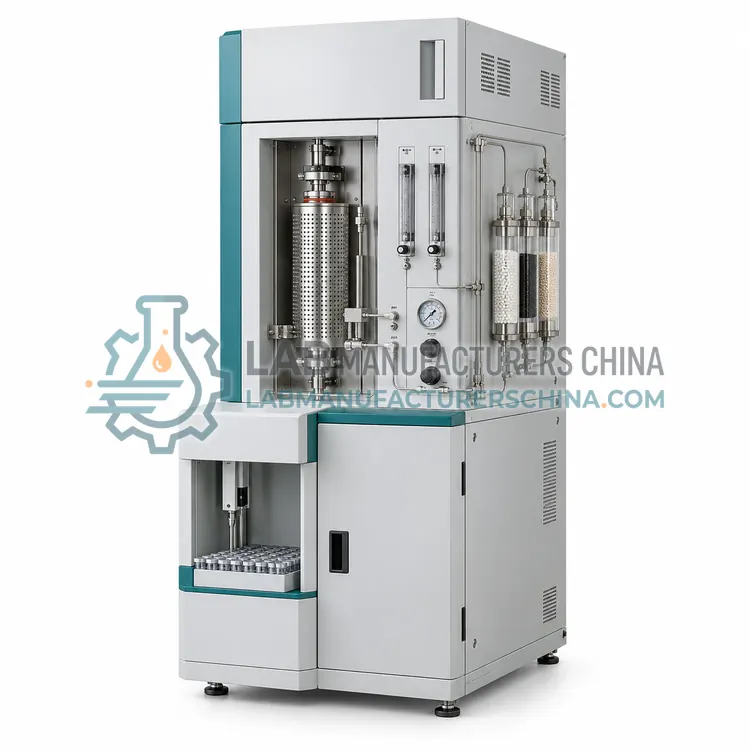 CEAI元素分析仪器Elemental analysis instruments determine the mass fraction of elements such as carbon, hydrogen, nitrogen, sulfur, oxygen and total organic carbon in solids, liquids and gases. The category covers CHNS, carbon-sulfur, oxygen-nitrogen-hydrogen and TOC analyzers used in chemistry, metallurgy, environmental and materials laboratories.
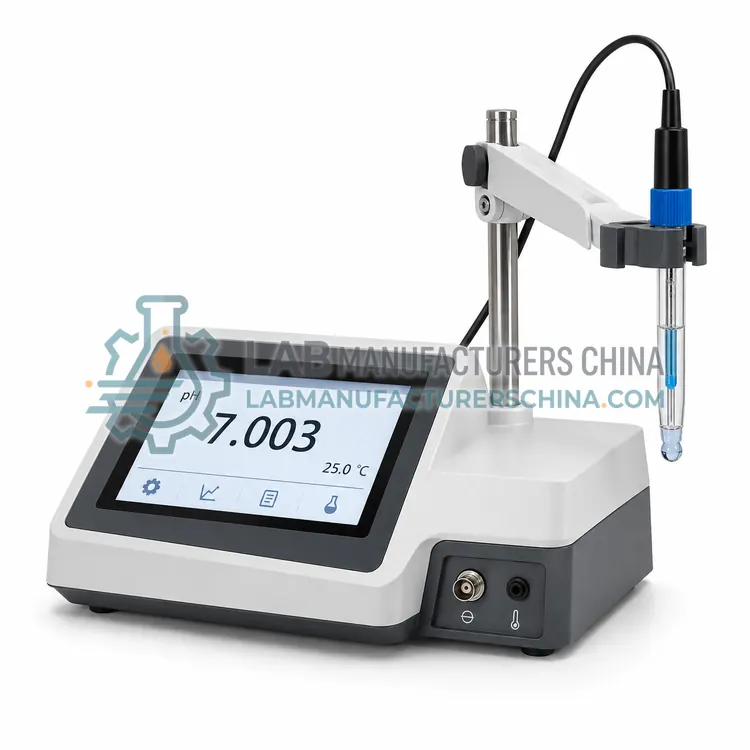 CELI电化学仪器Electrochemistry instruments measure electrical properties of solutions and electrode interfaces, including pH, conductivity, redox potential, ion activity, dissolved oxygen and current-potential behavior. The category covers pH, conductivity, ORP, ion and dissolved oxygen meters and potentiostats for water, process, pharmaceutical and battery laboratories.