
Particle Analysis Instruments
粒度分析仪器
CPAI · Analytical & Instrumentation · 5 product types · 26 models
By Lab Manufacturers China Technical TeamLast reviewed
What are Particle Analysis Instruments?
Particle analysis instruments measure the size, size distribution, surface charge and surface area of powders, suspensions and emulsions. The category includes laser and dynamic light scattering analyzers, zeta potential analyzers, sieve systems and gas-adsorption surface area analyzers used in pharmaceutical, battery, ceramics, pigment, mining and materials laboratories.
5 product types in Particle Analysis Instruments
The 5 product types below are grouped by the exact instrument you need.
- PSA5 models
Particle Size Analyzers
粒度分析仪
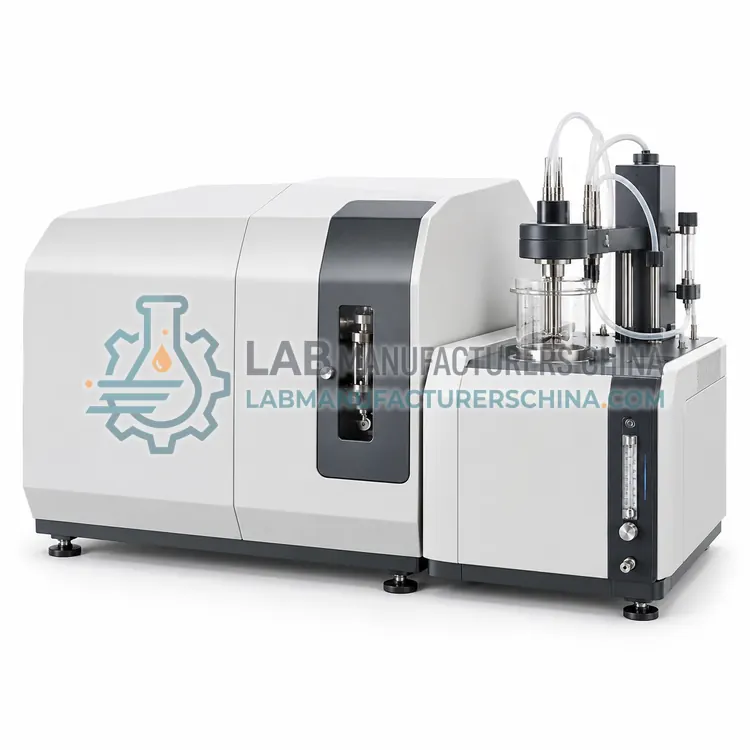
Particle size analyzers measure the size distribution of powders, suspensions and emulsions, reporting values such as D10, D50 and D90. Techniques include laser diffraction, dynamic light scattering, dynamic image analysis and centrifugal sedimentation. They are used in pharmaceutical, ceramics, battery, pigment, food and mining laboratories for formulation control and quality release.
- ZPA5 models
Zeta Potential Analyzers
Zeta 电位分析仪
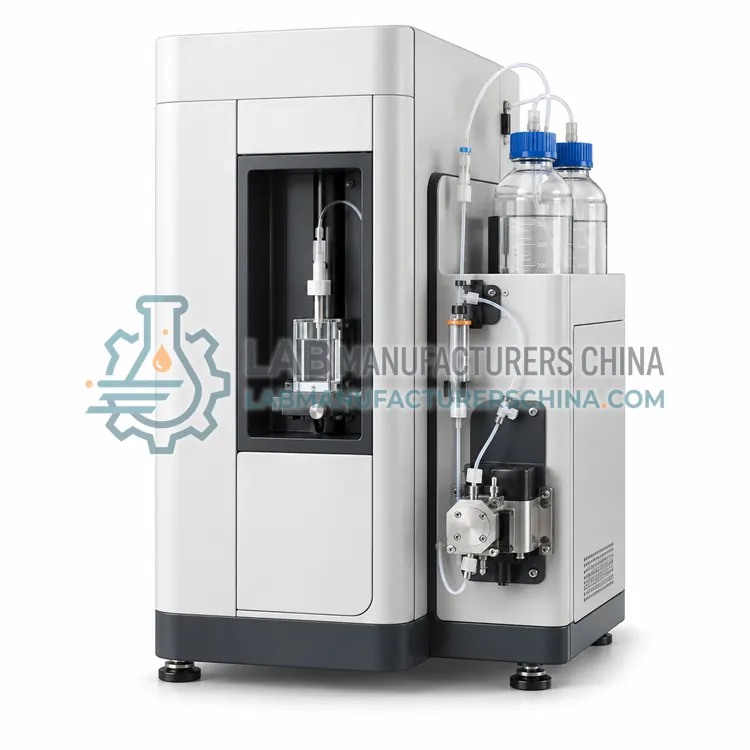
Zeta potential analyzers measure the electrokinetic potential at the slipping plane of charged particles, surfaces or droplets in a liquid. The value predicts colloidal stability and surface charge behavior. Formulation scientists, water treatment engineers, ceramics, battery and pharmaceutical laboratories use them for dispersion control and isoelectric point determination.
- NAA6 models
Nanoparticle Analyzers
纳米颗粒分析仪
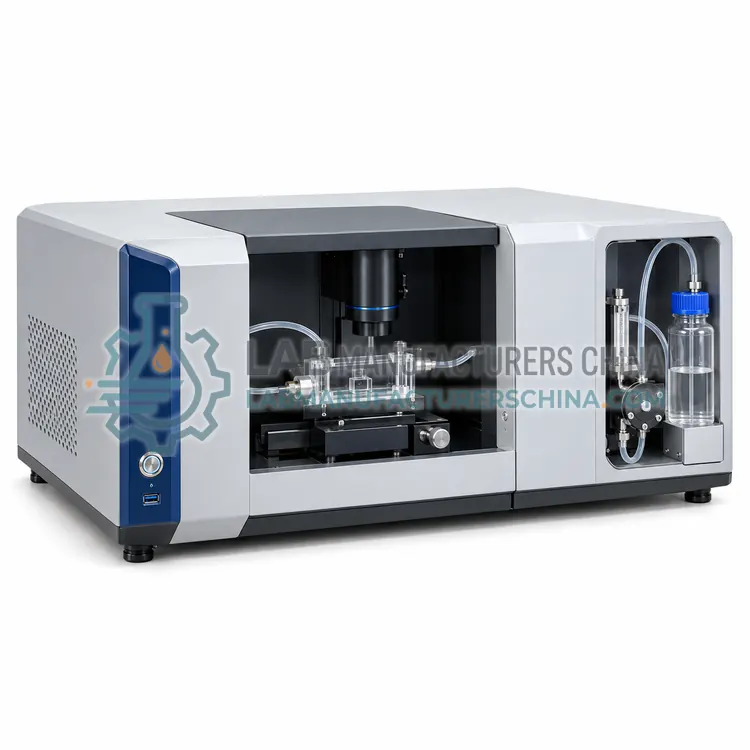
Nanoparticle analyzers determine the size, concentration and sometimes the charge or composition of particles between about 1 and 1000 nm in liquids. Methods include particle tracking, resistive pulse sensing, field-flow fractionation and nano flow cytometry. Drug delivery, vaccine, extracellular vesicle and advanced materials laboratories use them to characterize particle-by-particle populations.
- SIA5 models
Sieve Analyzers
筛分分析仪
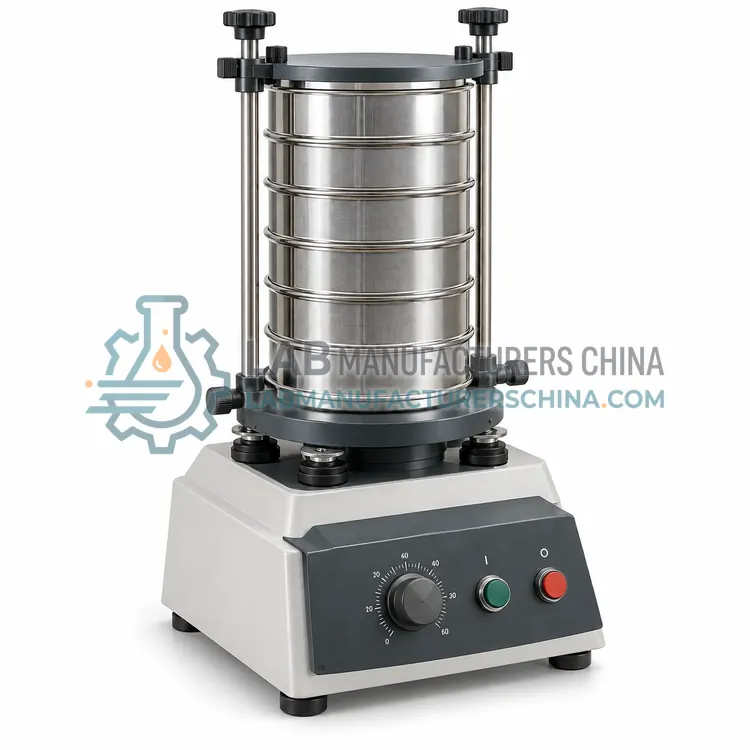
Sieve analyzers separate granular material into size fractions by passing it through a stack of calibrated woven-wire or perforated sieves agitated mechanically. The retained mass on each sieve gives a particle size distribution, usually from about 20 µm to 125 mm. They are standard in construction materials, mining, food, fertilizer and chemical laboratories.
- SAA5 models
Surface Area Analyzers
比表面积分析仪
Surface area analyzers for particle analysis determine the specific surface area of powders and particulate materials, in square metres per gram, using gas adsorption or air permeability. The value characterizes fineness, reactivity and dissolution behavior. Pharmaceutical, cement, battery, pigment and nanomaterial laboratories use them alongside particle size data.
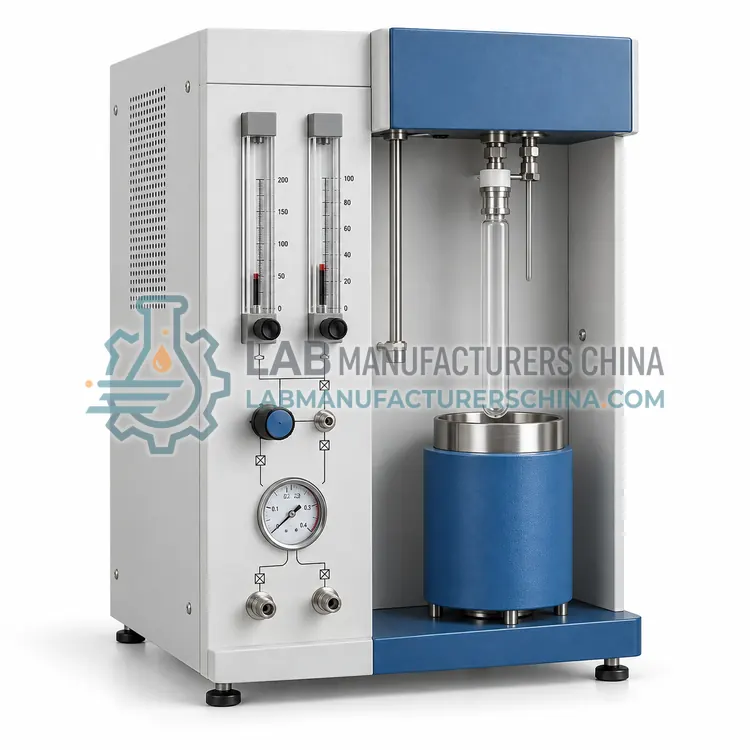
What are Particle Analysis Instruments?
Particle analysis instruments characterize the physical properties of divided solids and dispersed phases. The most common measurand is particle size distribution, reported as D10, D50 and D90 or as a mean and polydispersity index. Related measurands include zeta potential, which indicates colloidal stability, and specific surface area, which controls reactivity, dissolution and adsorption behavior. Techniques span mechanical sieving for coarse granules, laser diffraction for micrometer powders, dynamic light scattering for submicron colloids, electrophoretic light scattering for surface charge, and nitrogen adsorption for surface area. Because each technique defines size differently, values from different instruments are not directly interchangeable. Laboratories choose the method that matches the sample state, size range and the specification they must report against, such as a pharmacopoeial monograph or a customer powder specification.
How do Particle Analysis Instruments work?
Sieve analyzers separate particles by aperture using mechanical agitation and weigh each fraction. Laser diffraction measures the angular pattern of light scattered by a dispersed sample and converts it to a size distribution using Mie or Fraunhofer theory. Dynamic light scattering records intensity fluctuations caused by Brownian motion and derives hydrodynamic diameter through the Stokes–Einstein relation. Zeta potential analyzers apply an electric field and measure particle velocity by Doppler shift in scattered light. Gas adsorption analyzers dose nitrogen or krypton onto a degassed solid at cryogenic temperature, record the adsorbed volume against relative pressure, and apply the BET model to calculate surface area. Each method requires representative sampling, suitable dispersion and validated instrument settings.
Where are Particle Analysis Instruments used?
In pharmaceutical laboratories, particle size and surface area affect dissolution, content uniformity and inhalation deposition, so they are controlled for active ingredients and excipients. Battery material producers monitor cathode and anode powder size distribution, tap density-related fines and BET surface area. Ceramics, cement and mineral processors track size fractions to control packing, sintering and grinding efficiency. Paint, pigment and ink manufacturers use light scattering and zeta potential to assess dispersion stability and shelf life. Food and cosmetics laboratories characterize emulsions and powders for texture and stability. Environmental and geotechnical laboratories run sieve and hydrometer analysis on soils and sediments. Research groups use nanoparticle analyzers to verify synthesis reproducibility.
Which standards apply to Particle Analysis Instruments?
Laser diffraction is covered by ISO 13320, and dynamic light scattering by ISO 22412. Zeta potential measurement guidance is given in ISO 13099. Test sieves follow ISO 3310-1 and ASTM E11, while sieving procedures are described in ISO 2591-1. Gas adsorption surface area methods follow ISO 9277 and ASTM D3663, and pharmacopoeial chapters such as USP <429>, USP <846> and Ph. Eur. 2.9.31 and 2.9.26 address light diffraction and specific surface area. Instruments are typically verified with certified reference materials such as polystyrene latex spheres or traceable glass beads. Electrical safety generally refers to IEC 61010-1.
How do I select the right particle analysis equipment?
Start with the size range and sample state. Material above about 100 µm in dry form suits sieve analysis or dry-dispersion laser diffraction. Powders and suspensions from 0.1 to 3000 µm suit laser diffraction. Colloids and proteins below 1 µm suit dynamic light scattering, and suspensions whose stability matters also need zeta potential. Surface area and porosity require a gas adsorption analyzer. Next consider whether a standard prescribes the technique, how many samples per day must be run, whether wet and dry dispersion are both needed, and the software features required for audit trails and data integrity. Also confirm reference materials, available sample volume, and whether method transfer from another laboratory is involved.
Particle Analysis Instruments comparison
| Subcategory | Principle | Typical use | Key spec |
|---|---|---|---|
| Particle Size Analyzers | Laser diffraction or dynamic light scattering | Powder, suspension and emulsion size distribution | 0.01–3500 µm depending on technique |
| Zeta Potential Analyzers | Electrophoretic light scattering | Colloidal stability and formulation screening | Zeta potential ±200 mV |
| Nanoparticle Analyzers | Light scattering and particle tracking | Nanoparticle, liposome and protein characterization | About 1 nm to 10 µm |
| Sieve Analyzers | Mechanical sieving and mass weighing | Aggregates, granules and coarse powders | About 20 µm to 125 mm |
| Surface Area Analyzers | Gas adsorption with BET analysis | Powder surface area for reactivity and dissolution | From about 0.01 m²/g |
Frequently asked questions about Particle Analysis Instruments
Laser diffraction measures angular scattering from particles roughly 0.1 µm to several millimeters and reports a volume distribution. Dynamic light scattering measures Brownian motion of particles from about 1 nm to 10 µm and reports hydrodynamic diameter. They often give different values for the same sample.
For dry powders, sieve analyzers cover roughly 20 µm to 125 mm, and laser diffraction with a dry dispersion unit covers about 0.1 µm to 3 mm. The choice depends on the cohesiveness, available sample mass and the standard that applies.
Zeta potential indicates the electrostatic repulsion between particles in a liquid. Values beyond about ±30 mV generally suggest a stable dispersion, while values near zero suggest aggregation risk. It is used to optimize formulations, pH and additive levels.
Specific surface area is usually measured by nitrogen adsorption at 77 K on a degassed sample. The adsorbed volume at several relative pressures is fitted with the BET equation, and the result is reported in square meters per gram according to ISO 9277.
Only with caution. Sieving, laser diffraction, imaging and light scattering define size differently, so results for non-spherical particles differ. Compare results from the same technique, dispersion method and reference material, and state the distribution basis such as volume or number.
Samples must be representative, correctly split, and dispersed without changing the primary particles. Wet methods need a suitable dispersant, optional sonication and stable obscuration. Dry methods need controlled feed rate and air pressure. Document these settings in the method for repeatability.
Related categories
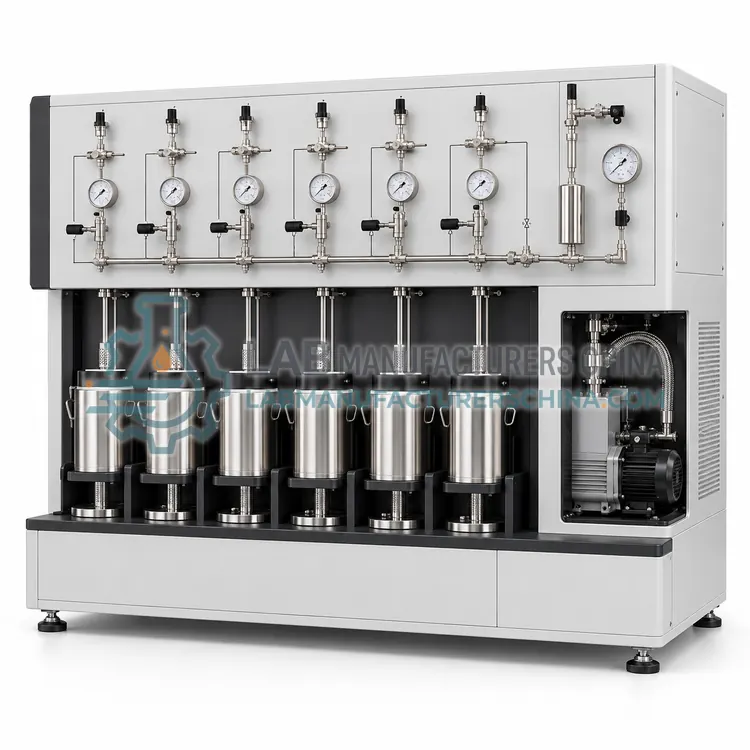 CSAI表面分析仪器Surface analysis instruments characterize the outermost layers and interfaces of solids and liquids. The category covers gas-sorption surface area analyzers, porosimeters, contact angle meters, surface profilometers and surface tension meters used in materials science, coatings, catalysts, polymers, batteries and semiconductor laboratories.
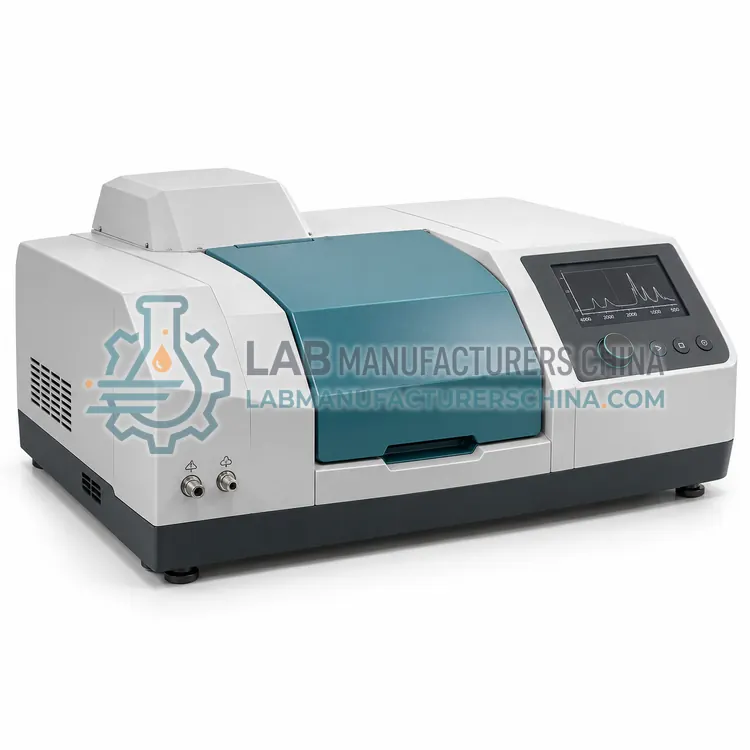 COPI光学仪器Optical instruments measure light intensity, wavelength, colour, refractive index and optical rotation. The category covers spectrometers, colorimeters, optical power meters, lux meters, polarimeters and refractometers used for material identification, concentration measurement, illumination checking and optical component testing. They are routine tools in analytical, quality-control and research laboratories.
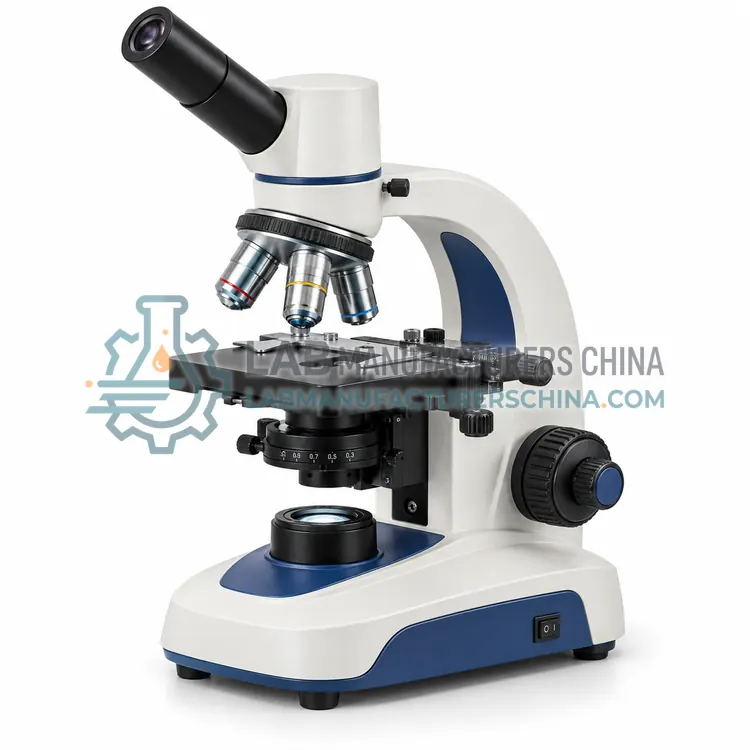 CLAM实验室显微镜Laboratory microscopes magnify and resolve fine detail of specimens using transmitted, reflected or fluorescence light. The category covers biological, fluorescence, inverted, metallurgical, polarizing and digital microscopes used in life science, materials, clinical and industrial inspection.
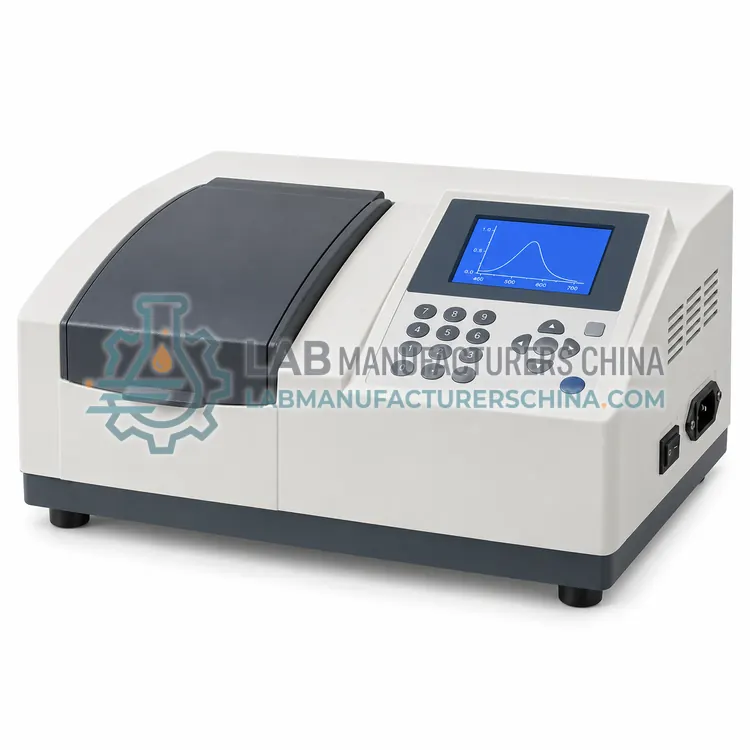 CANI分析仪器Analytical instruments measure the chemical, optical or physical properties of samples to identify substances and quantify their concentration. This category covers spectrophotometers, photometers, refractometers, polarimeters, turbidity meters and general analytical analyzers used in pharmaceutical, environmental, food, chemical and industrial quality-control laboratories.