
Atomic Absorption Spectrometers
原子吸收光谱仪
CAAS · Analytical & Instrumentation · 5 product types · 30 models
By Lab Manufacturers China Technical TeamLast reviewed
What are Atomic Absorption Spectrometers?
Atomic absorption spectrometers determine elemental concentrations by measuring light absorbed by free atoms produced in a flame, graphite furnace or hydride generation cell. They serve environmental, food, clinical, geochemical and pharmaceutical laboratories that need reliable trace-metal results at low cost.
5 product types in Atomic Absorption Spectrometers
The 5 product types below are grouped by the exact instrument you need.
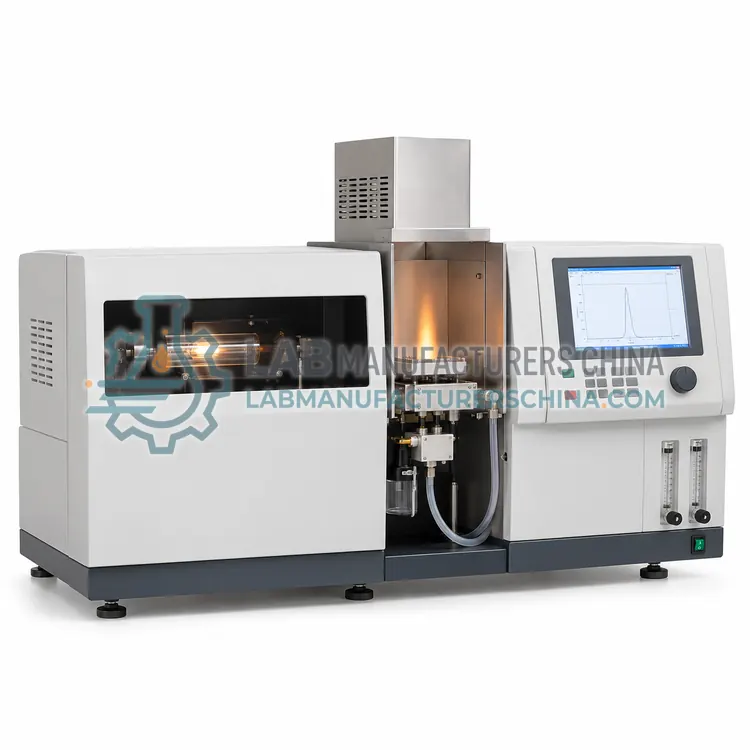
- FLA6 models
Flame AAS
火焰原子吸收光谱仪
Flame atomic absorption spectrometers atomize liquid samples in a combustion flame and measure the absorption of element-specific light. They are used for routine determination of metals at milligram per litre levels in water, soil, food, metals and industrial process samples.
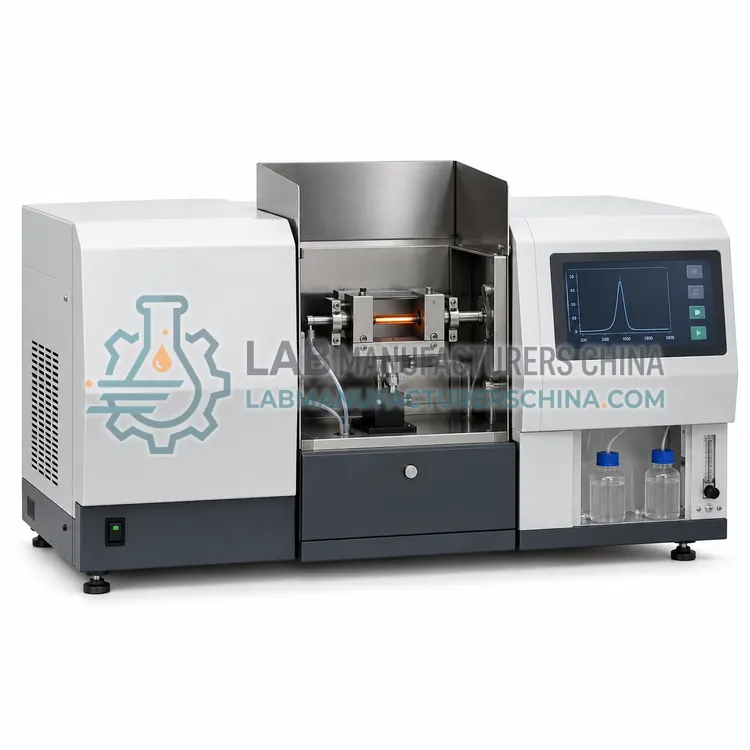
- GFA6 models
Graphite Furnace AAS
石墨炉原子吸收光谱仪
Graphite furnace atomic absorption spectrometers atomize microlitre samples by electrothermal heating inside a graphite tube. They reach microgram per litre and lower detection limits for trace metals and are used in water, food, clinical, environmental and pharmaceutical laboratories.
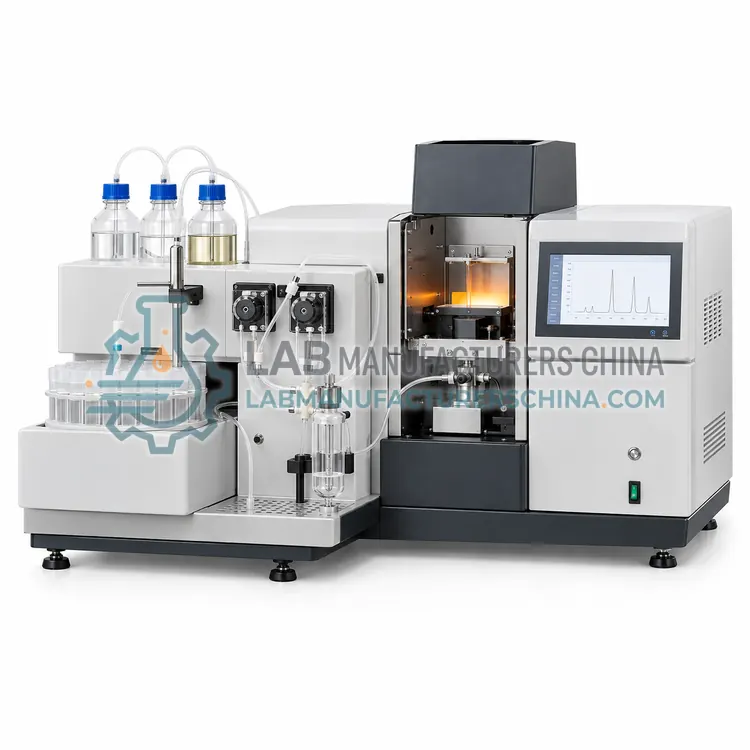
- HGA6 models
Hydride Generation AAS
氢化物发生原子吸收光谱仪
Hydride generation atomic absorption spectrometers convert analytes into volatile hydrides that are atomized in a heated cell. They provide sensitive, matrix-separated determination of arsenic, selenium, antimony, bismuth, tin and mercury in water, food, soil and geological samples.
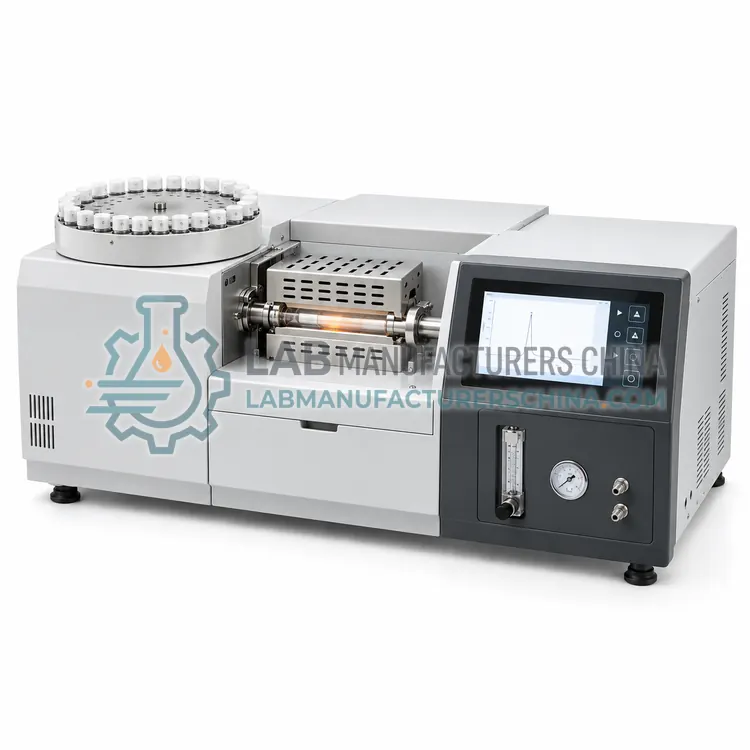
- MEA6 models
Mercury Analyzers
测汞仪
Mercury analyzers measure mercury in air, water, soil, food and industrial streams using amalgamation, cold vapor atomic absorption or fluorescence, or direct thermal decomposition. They support environmental monitoring, food safety, workplace hygiene and process control.
- AAA6 models
AAS Accessories
原子吸收附件
Atomic absorption accessories include light sources, atomizer consumables, burners, nebulizers and automation modules that keep AAS systems performing. They cover hollow-cathode and discharge lamps, graphite tubes, autosamplers, hydride manifolds and a wide range of replacement atomizer parts.
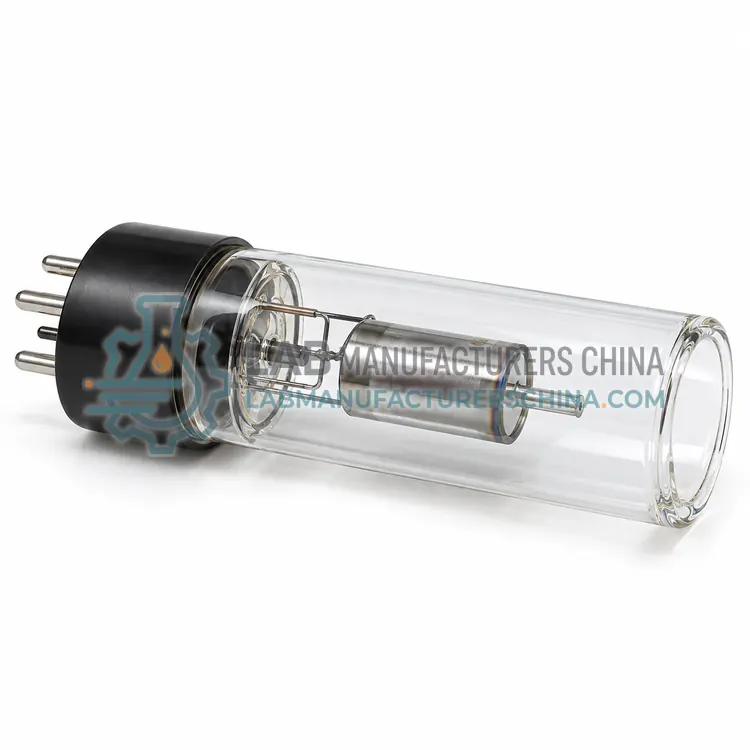
What are Atomic Absorption Spectrometers?
Atomic absorption spectrometry is an elemental analysis technique based on the absorption of characteristic light by ground-state atoms. A sample is converted into free atoms by thermal or chemical means, and a line source specific to the element emits light through the atom cloud to a detector. Because each element absorbs at unique, narrow wavelengths, the technique is highly selective and largely free from spectral overlap when a suitable line and bandwidth are chosen. Instruments are built around three atomization methods that cover different concentration ranges: flame for milligram per litre levels, graphite furnace for microgram per litre and below, and hydride or cold vapor generation for volatile elements such as mercury, arsenic and selenium. Dedicated mercury analyzers apply the same principles to ambient air, water and solid samples. A complete system includes the atomizer, light source, optics, detector, gas control, autosampler and data software, plus a set of consumables and calibration standards.
How do Atomic Absorption Spectrometers work?
A hollow-cathode lamp or electrodeless discharge lamp emits the sharp resonance lines of the target element. In a flame system, the sample is aspirated through a nebulizer into a burner where air-acetylene or nitrous oxide-acetylene combustion produces free atoms in a steady-state cloud. In a graphite furnace, microlitre aliquots are dried, pyrolyzed and atomized by resistive heating, producing a transient cloud that gives much lower detection limits. Hydride generation reacts the analyte with sodium borohydride to form a volatile hydride that is swept into a heated quartz cell, while cold vapor generation reduces mercury to its atomic form. Absorbance follows the Beer-Lambert law and is converted to concentration through calibration with standards. Background correction by deuterium lamp, Zeeman effect or self-reversal removes signals from smoke, scattering and molecular absorption, and matrix modifiers or standard addition control chemical and physical interferences.
Where are Atomic Absorption Spectrometers used?
Atomic absorption spectrometry is used wherever reliable trace-metal data are needed at moderate cost. Environmental laboratories measure lead, cadmium, copper, zinc, nickel and chromium in drinking water, wastewater, soil and sediment digests. Food and agricultural testing checks toxic metals and essential minerals in cereals, seafood, beverages and feed. Clinical and forensic laboratories measure lead in blood, selenium and copper in serum and toxic metals in tissue. Geochemistry and mining use flame and graphite furnace systems for ore and rock assays, and metallurgical plants verify alloy composition and plating baths. Pharmaceutical laboratories use atomic absorption for elemental impurity and catalyst residue testing, often alongside ICP techniques. Because results support regulatory decisions, laboratories follow published methods and quality systems.
Which standards apply to Atomic Absorption Spectrometers?
Atomic absorption methods are defined by pharmacopoeial, ISO, ASTM and national standards. Ph. Eur. 2.2.22 describes atomic absorption spectrometry and USP <852> covers atomic absorption and flame emission spectroscopy. Water and environmental methods include ISO 8288 for flame atomic absorption of metals, ISO 9174 for chromium, US EPA Method 7000B and ASTM D4691. Mercury determinations follow ISO 12846 or US EPA Method 7473 for thermal decomposition amalgamation. Regulated laboratories work under ISO/IEC 17025, apply ICH Q2(R2) for method validation, and manage data according to 21 CFR Part 11 where electronic records are used. Instrument safety follows IEC 61010-1 and local gas regulations for acetylene and nitrous oxide.
How do I select the right atomic absorption spectrometers equipment?
Begin with the elements and concentration ranges, because atomization mode determines performance. Flame atomic absorption is the most economical choice for a modest element list at milligram per litre levels and tolerates high dissolved solids. Graphite furnace atomic absorption is selected when detection limits must reach microgram per litre or below for a few elements and only small samples are available. Hydride generation adds sensitivity and matrix separation for arsenic, selenium, antimony and related elements, while cold vapor generation and dedicated mercury analyzers are preferred for mercury. Consider throughput, level of automation, gas availability and the operating cost of graphite tubes and lamps. Confirm that the instrument can run the published method you must follow, that background correction is appropriate for your matrix, and that the data system supports the traceability and audit requirements of your quality system.
Atomic Absorption Spectrometers comparison
| Subcategory | Principle | Typical use | Key spec |
|---|---|---|---|
| Flame AAS | Air-acetylene or nitrous oxide flame atomization | Routine metals at mg/L levels | Detection limit 0.001–0.1 mg/L |
| Graphite Furnace AAS | Electrothermal atomization in a graphite tube | Trace metals at µg/L and below | Detection limit 0.01–1 µg/L |
| Hydride Generation AAS | Volatile hydride generation and quartz cell atomization | Arsenic, selenium, antimony and tin | Detection limit 0.01–0.5 µg/L |
| Mercury Analyzers | Amalgamation and cold vapor atomic absorption or fluorescence | Mercury in air, water, food and soil | Detection limit down to ng/m3 |
| AAS Accessories | Light sources, atomizers, burners and automation parts | Consumables and upgrades for AAS systems | Element-specific lamps and tubes |
Frequently asked questions about Atomic Absorption Spectrometers
Flame AAS continuously aspirates sample into a burner and suits milligram per litre levels with simple operation and low cost. Graphite furnace AAS atomizes microlitre aliquots by programmed heating, giving microgram per litre or lower detection limits with small samples but slower throughput and greater matrix sensitivity. Many methods combine both on one instrument.
Deuterium correction is simple and works well when background is moderate and structured interference is limited. Zeeman correction handles high and structured background typical of complex matrices and is preferred for graphite furnace work. Smith-Hieftje self-reversal correction is another option. The choice depends on matrix complexity, analyte and required accuracy.
Typical lamp life is 500 to 3000 milliamp hours depending on element, lamp current and warm-up practice. Volatile elements and higher currents shorten life. Many lamps need a warm-up period to stabilize output, and alignment affects sensitivity. Since each lamp is element specific, lamps are a recurring consumable that should be tracked.
Flame and furnace AAS normally measure one element per run because each requires its own lamp and wavelength. Multi-element lamps exist but suffer from reduced performance and spectral overlap. Sequential measurement is the standard approach, and simultaneous multi-element AAS or ICP-OES is preferred when many elements must be measured quickly.
Flame systems use acetylene with air or nitrous oxide and require a flame hood, gas regulators, flashback arrestors and leak checks. Graphite furnace and hydride systems use argon or nitrogen as purge and carrier gas. Dedicated exhaust for the atomizer and for acid digestion is essential, and gas cylinders should be secured and piped according to local code.
Related categories
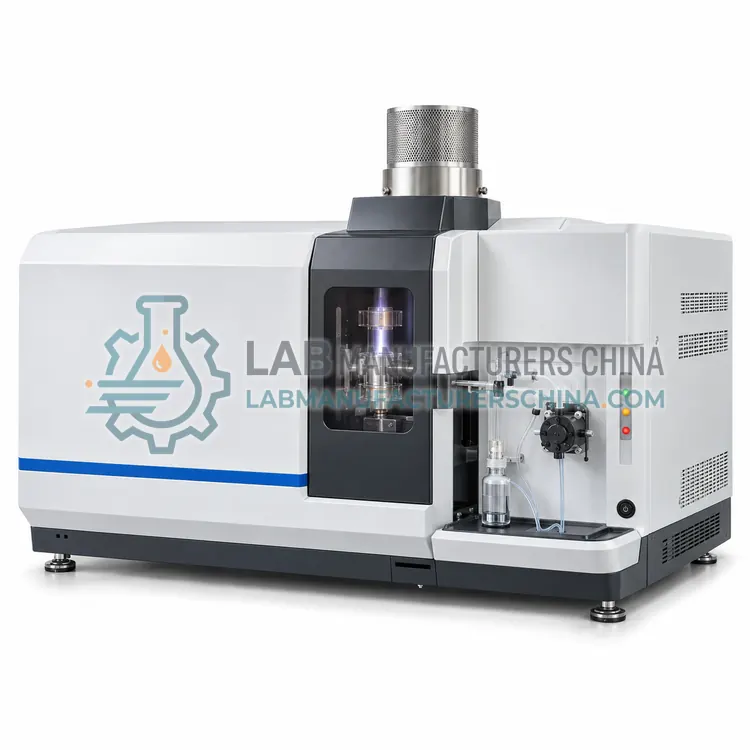 CICSICP 光谱仪ICP spectrometers use an inductively coupled argon plasma to atomize and ionize samples for elemental analysis by optical emission or mass spectrometry. They serve environmental, pharmaceutical, food, metallurgical and geological laboratories that need multi-element results.
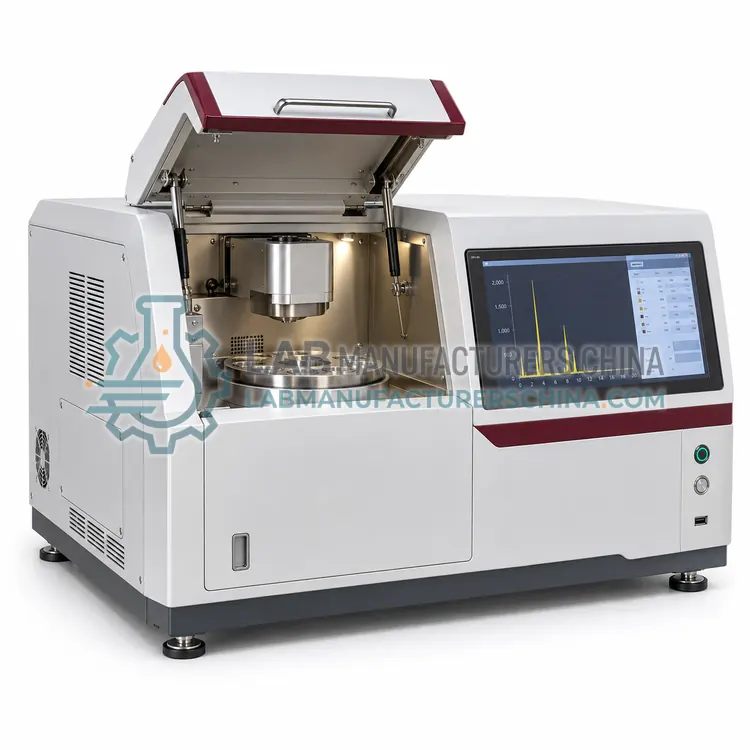 CXRAX 射线分析仪器X-ray analysis instruments use X-ray interaction with matter to determine elemental composition or crystal structure. The category covers X-ray fluorescence spectrometers, portable and benchtop XRF analyzers, and X-ray diffractometers for materials, environmental and industrial testing.
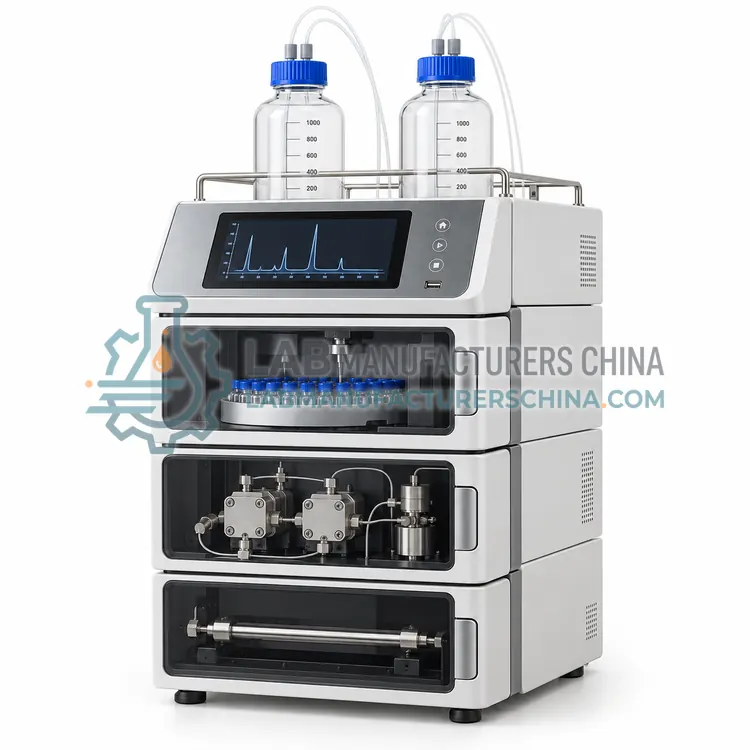 CCHI色谱仪器Chromatography instruments separate the components of a mixture between a mobile phase and a stationary phase, then detect and quantify each component. The category covers HPLC, UHPLC, gas chromatography, ion chromatography and flash chromatography systems used in QC, environmental, food, pharmaceutical and synthetic chemistry laboratories.
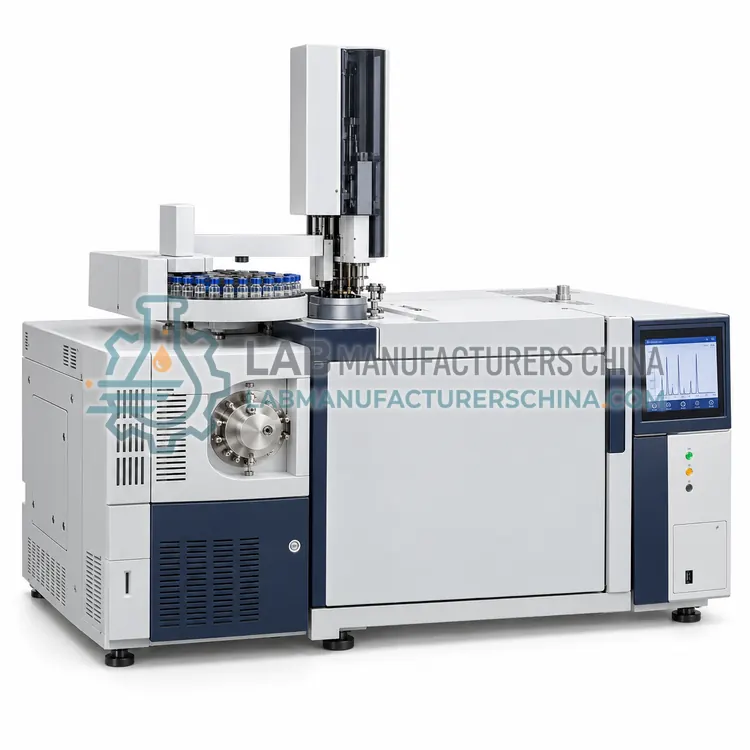 CMSI质谱仪器Mass spectrometry instruments ionize molecules or atoms, separate the ions by mass-to-charge ratio and detect them to identify and quantify compounds. The category covers GC-MS, LC-MS, ICP-MS, TOF and triple quadrupole systems used in pharmaceutical, clinical, food, environmental and materials laboratories.