How do AAS Accessories work?
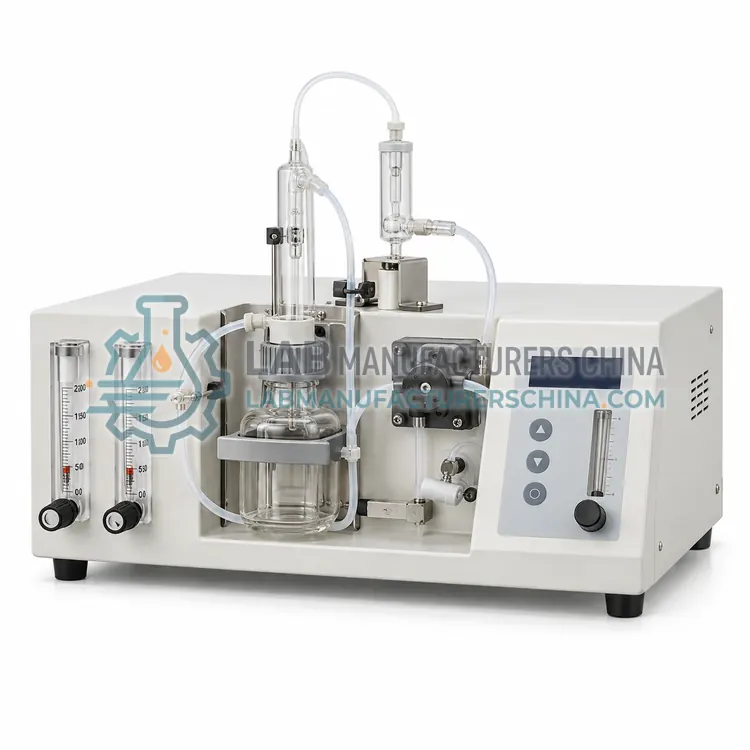
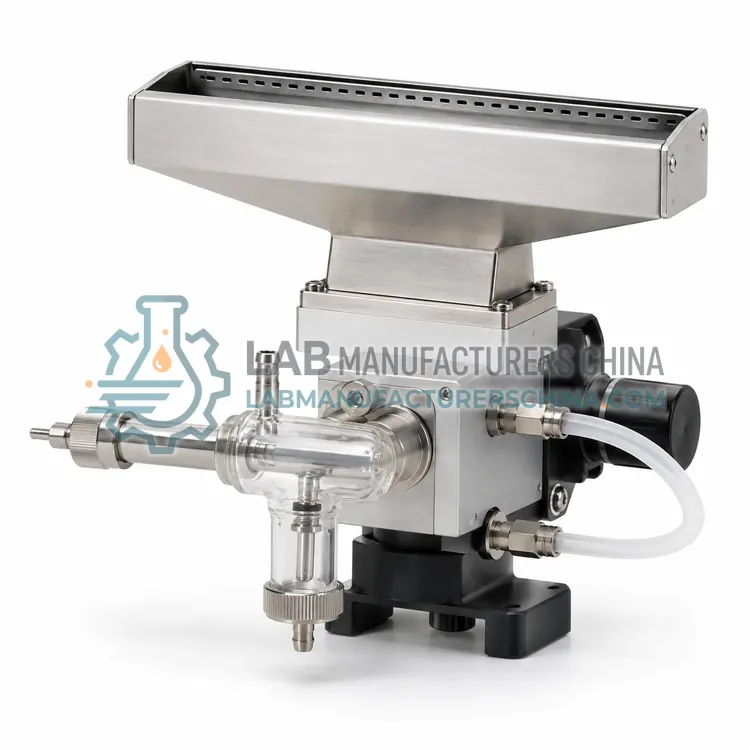
Accessories determine the practical performance of an atomic absorption instrument. Light sources must emit the correct resonance line with sufficient intensity and stability; hollow-cathode and electrodeless discharge lamps are selected by element and current range. Atomizers convert the sample into free atoms, and their condition strongly affects sensitivity and precision. Graphite tubes and platforms are consumables whose coating, geometry and number of firings set detection limits and tube life. Burner heads and nebulizers control aerosol formation and flame stability, and worn components cause noise, drift and poor recovery. Autosamplers provide reproducible sample and modifier delivery, and hydride manifolds add volatile-element capability. Choosing the right accessory for the element, matrix and instrument model, and replacing consumables on schedule, is essential for valid results.
Which AAS Accessories variants are available?
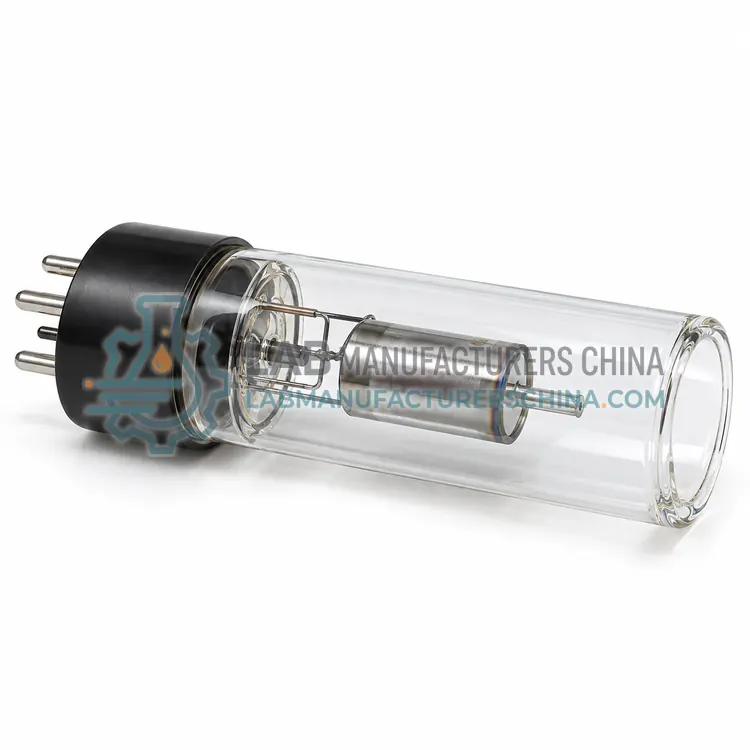
- Hollow-Cathode Lamps for Atomic Absorption — Hollow-cathode lamps are element-specific line sources for atomic absorption spectrometers.
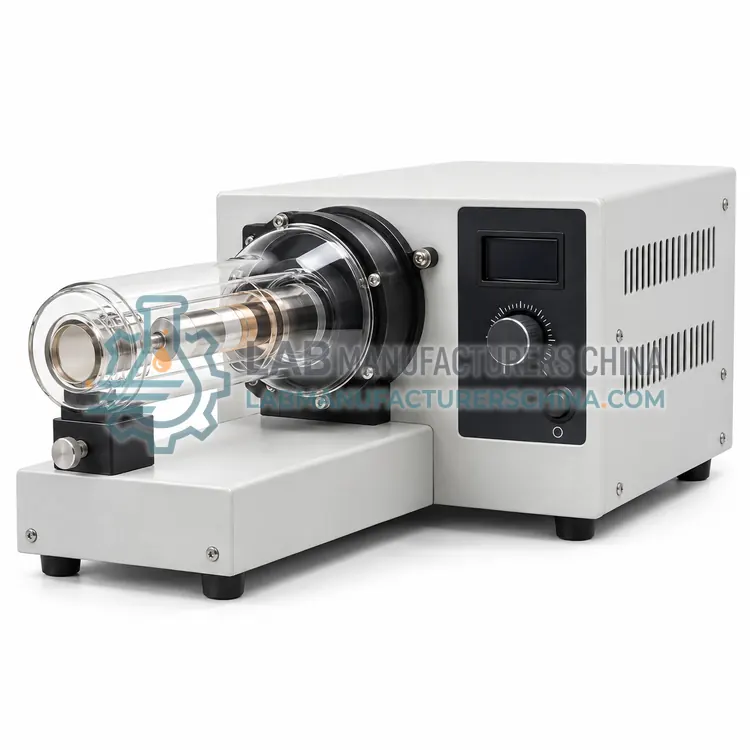
- Electrodeless Discharge Lamps for Atomic Absorption — Electrodeless discharge lamps are high-intensity line sources used for volatile and weak-line elements.
- Graphite Tubes and Platforms for Atomic Absorption — Graphite tubes and platforms are the atomizer consumables for graphite furnace atomic absorption.
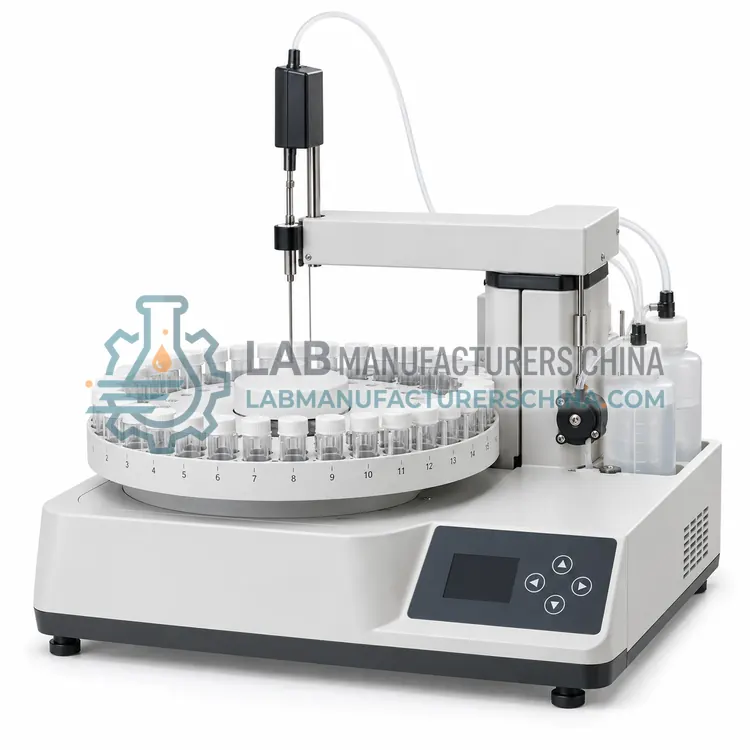
- Autosamplers for Atomic Absorption — Autosamplers for atomic absorption deliver samples, standards and modifiers in programmed sequences.
- Hydride Generation Accessories for Atomic Absorption — Hydride generation accessories add volatile-element capability to an existing atomic absorption spectrometer.
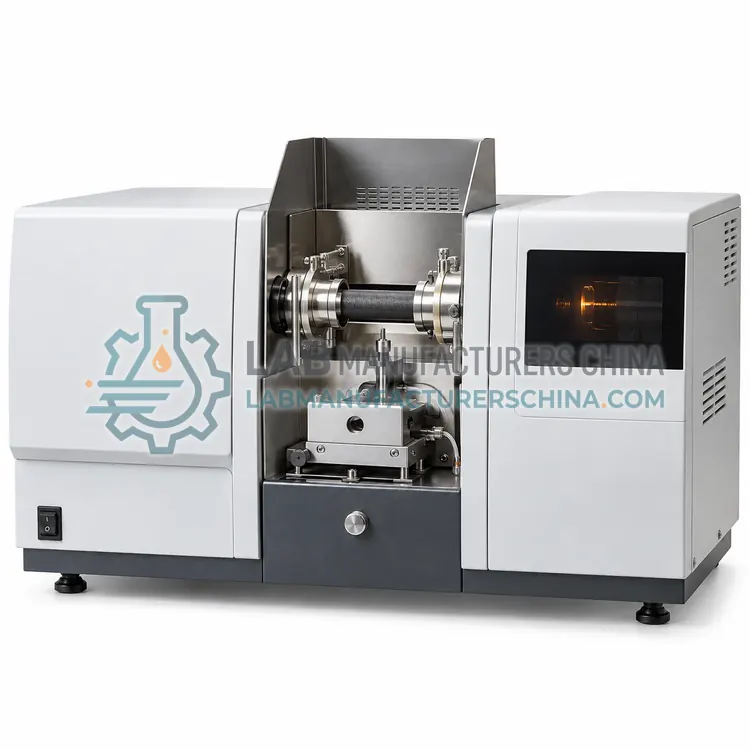
- Burner Heads and Nebulizers for Atomic Absorption — Burner heads and nebulizers are the flame atomizer components that create and stabilize the aerosol and flame.
How do I choose the right variant?
Select accessories by matching them exactly to the instrument model, the element and the matrix. Lamps must be specified for the correct element and compatible socket, and the current range should suit the instrument. Graphite tubes should match the furnace geometry, whether transverse or end heated, and the coating must suit the elements measured, since carbide-forming elements need pyrolytically coated or special tubes. Burner heads and nebulizers must be chosen for the gas mixture and dissolved-solids level. Autosampler capacity and vial type depend on throughput and sample volume. Hydride manifolds must be compatible with the existing gas-liquid separator and quartz cell. Confirm part numbers, expected life and availability of certified performance data before ordering.
Where are AAS Accessories used?
AAS Accessories are specified in replacement lamps for element-specific analysis, atomizer consumables for trace-metal programs, automation upgrades for high-throughput laboratories, volatile-element capability for arsenic and mercury, spare burner and nebulizer parts for uptime and performance verification and maintenance kits.
Which standards and certifications apply?
Work with AAS Accessories is commonly governed by Ph. Eur. 2.2.22 Atomic absorption spectrometry, USP <852> Atomic Absorption Spectroscopy, USP <1058> Analytical Instrument Qualification, ISO/IEC 17025 and IEC 61010-1. Instrument certifications such as CE marking are confirmed per configuration and never assumed.
What are the key considerations before purchase?
Consumables degrade with use, and their condition affects accuracy more than many operators expect. Hollow-cathode lamps lose intensity and drift as they age; record lamp hours and replace before performance falls. Graphite tubes develop cracks, change sensitivity and eventually fail; monitor firings and apparent sensitivity. Burner slots clog with salt deposits that cause noise, and nebulizers block or corrode, so clean them regularly. Autosampler tubing stretches and changes volume, requiring scheduled replacement. Keep spare critical parts, especially for high-throughput laboratories, and store lamps and tubes in dry conditions. When replacing parts, verify performance with standards and record the change in the instrument log.