Lab Manufacturers China

Mercury Analyzers

测汞仪

MEA · Atomic Absorption Spectrometers · 6 models

By Lab Manufacturers China Technical TeamLast reviewed Standards: US EPA Method 7473 Mercury in solids and solutions by thermal decomposition, US EPA Method 7470A Mercury in liquid waste by cold vapor AAS, US EPA Method 1631 Mercury in water by oxidation, purge and trap, and CVAFS

Standards referenced

  • US EPA Method 7473 Mercury in solids and solutions by thermal decomposition
  • US EPA Method 7470A Mercury in liquid waste by cold vapor AAS
  • US EPA Method 1631 Mercury in water by oxidation, purge and trap, and CVAFS
  • ISO 12846 Water quality — Determination of mercury by AAS after enrichment
  • ISO 20552 Workplace air — Determination of mercury vapour by gold amalgamation
  • EN 15852 Stationary source emissions — Determination of total gaseous mercury
  • IEC 61010-1

What are Mercury Analyzers?

Mercury analyzers measure mercury in air, water, soil, food and industrial streams using amalgamation, cold vapor atomic absorption or fluorescence, or direct thermal decomposition. They support environmental monitoring, food safety, workplace hygiene and process control.

6 models of Mercury Analyzers

The 6 models below are current configurations; specifications are confirmed on quotation.

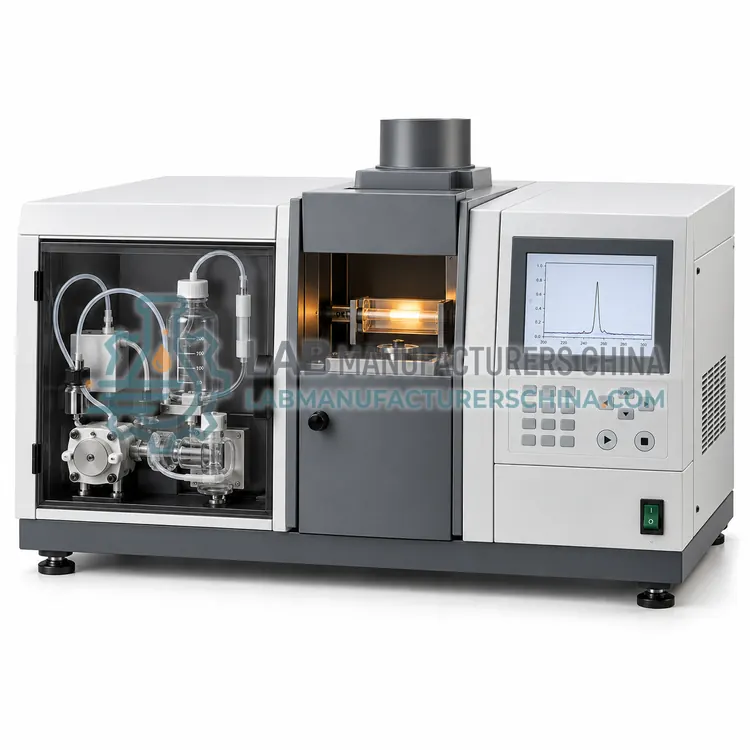
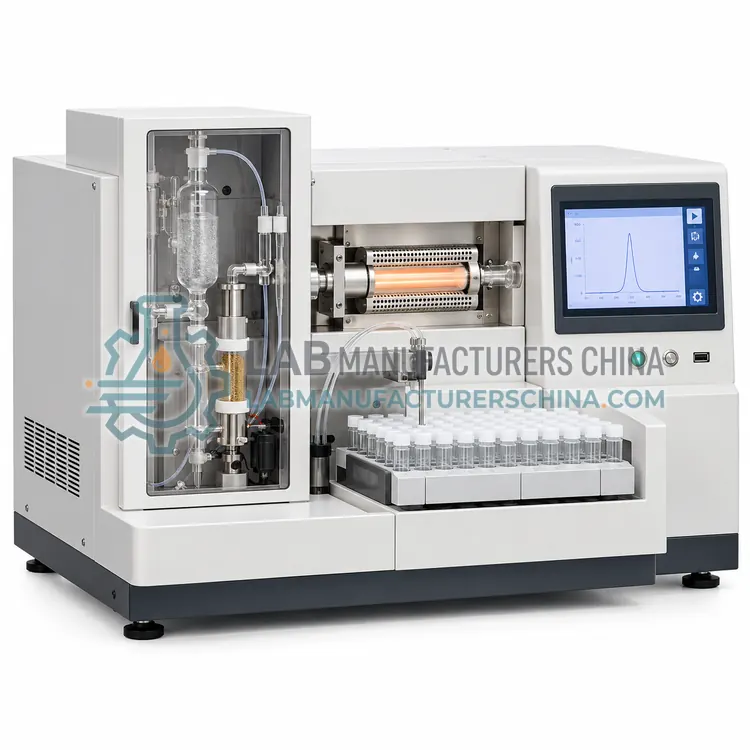
Direct Mercury Analyzer with Thermal Decomposition and Amalgamation

热分解金汞齐化直接测汞仪

  • MEA-0001
  • Mercury Analyzers
  • CE (to be confirmed)
  • ISO 9001 manufacturing (to be confirmed)
  • 21 CFR Part 11 software compliance (to be confirmed)
Measurement range:
0.05–1000 ng
Detection limit:
0.001 ng absolute
Sample types:
solid, liquid, slurry
Sample mass:
10–500 mg
Measurement time:
approximately 5 min
Combustion temperature:
up to 750 °C

A direct mercury analyzer thermally decomposes solid or liquid samples and traps mercury on gold for atomic detection. It is chosen for fast, reliable food, soil and waste testing that avoids acid digestion.

Request a quote
View details

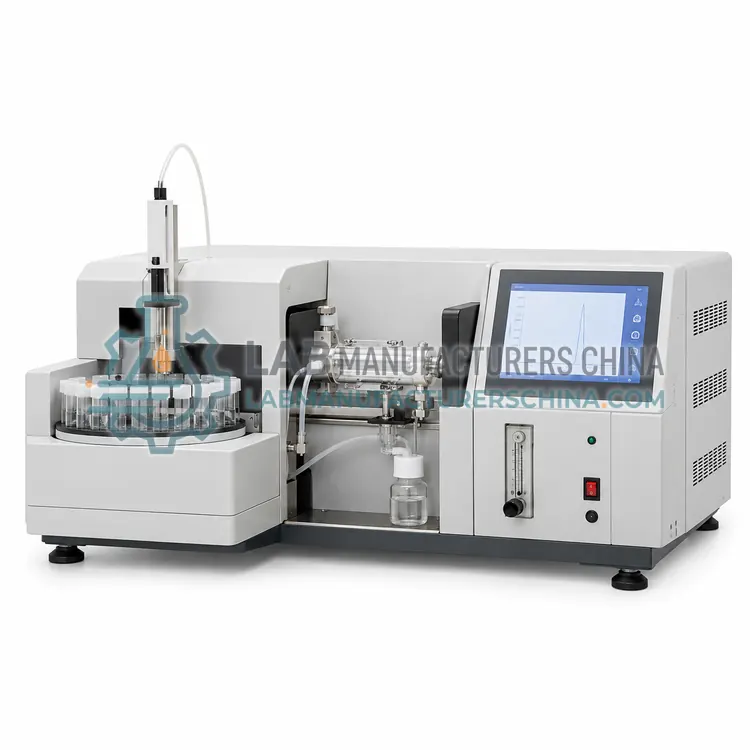
Cold Vapor Atomic Absorption Mercury Analyzer

冷原子吸收测汞仪

  • MEA-0002
  • Mercury Analyzers
  • CE (to be confirmed)
  • ISO 9001 manufacturing (to be confirmed)
  • IEC 61010-1 safety compliance (to be confirmed)
Detection limit:
0.05–0.5 µg/L
Measurement range:
0.1–100 µg/L
Wavelength:
253.7 nm
Reductant:
tin chloride or sodium borohydride
Carrier gas:
argon or nitrogen, 200–600 mL/min
Absorption cell path:
100–300 mm

A cold vapor atomic absorption mercury analyzer reduces mercury in solution and measures its vapor by absorption. It is a robust, economical choice for water, digested solids and industrial samples at microgram per litre levels.

Request a quote
View details

Cold Vapor Atomic Fluorescence Mercury Analyzer

冷原子荧光测汞仪

  • MEA-0003
  • Mercury Analyzers
  • CE (to be confirmed)
  • ISO 9001 manufacturing (to be confirmed)
  • IEC 61010-1 safety compliance (to be confirmed)
Detection limit:
0.1–1 ng/L in water
Measurement range:
0.5–100 ng/L
Wavelength:
253.7 nm excitation and emission
Detection:
photomultiplier, right angle
Amalgamation:
gold trap
Reductant:
tin chloride or borohydride

A cold vapor atomic fluorescence mercury analyzer detects the fluorescence of mercury atoms after reduction and amalgamation. It is chosen for ultratrace mercury with detection limits far below absorption methods in water and seawater.

Request a quote
View details

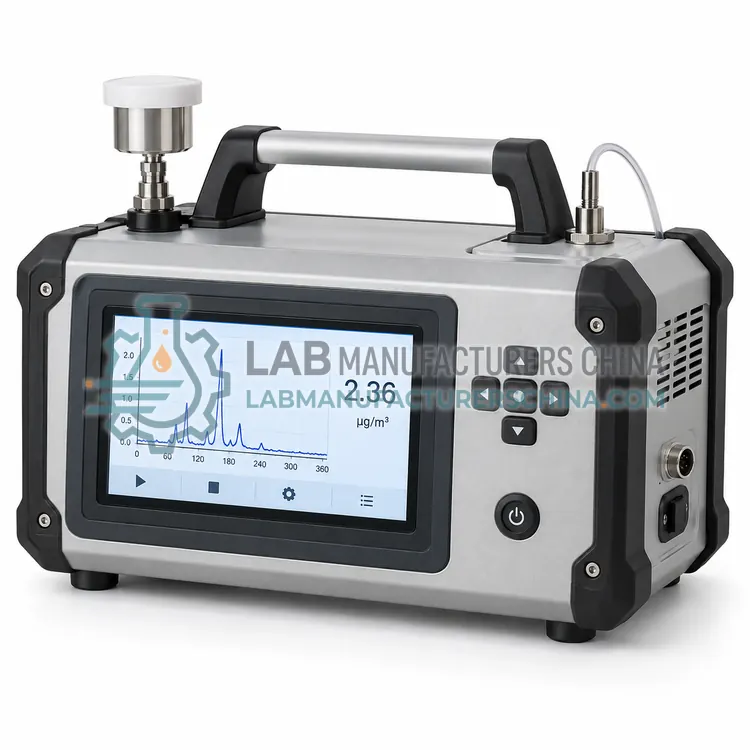
Portable Mercury Vapor Analyzer for Ambient Air

便携式环境空气汞蒸气分析仪

  • MEA-0004
  • Mercury Analyzers
  • CE (to be confirmed)
  • ISO 9001 manufacturing (to be confirmed)
  • Intrinsic safety certification option (to be confirmed)
Detection limit:
0.1–2 µg/m3
Measurement range:
0–2000 µg/m3
Detection principle:
gold film or Zeeman UV
Response time:
1–20 s
Sampling flow:
0.2–1.0 L/min
Battery life:
8–12 h

A portable mercury vapor analyzer measures mercury in ambient or workplace air with a battery-powered, handheld or field unit. It is chosen for occupational hygiene surveys, spill response and indoor air screening.

Request a quote
View details

Continuous Mercury Emission Monitoring System

连续汞排放监测系统

  • MEA-0005
  • Mercury Analyzers
  • CE (to be confirmed)
  • EN 15267 QAL1 suitability (to be confirmed)
  • ISO 9001 manufacturing (to be confirmed)
Measurement range:
0–100 µg/m3 or higher
Detection limit:
0.1–1 µg/m3
Response time:
60–180 s
Sample line temperature:
120–180 °C
Detection principle:
Zeeman AAS, UV or amalgamation
Calibration:
gas-phase mercury generator

A continuous mercury emission monitoring system measures mercury in industrial stack gas in real time. It is chosen for compliance with emission limits at waste incinerators, power plants and cement or metal facilities.

Request a quote
View details

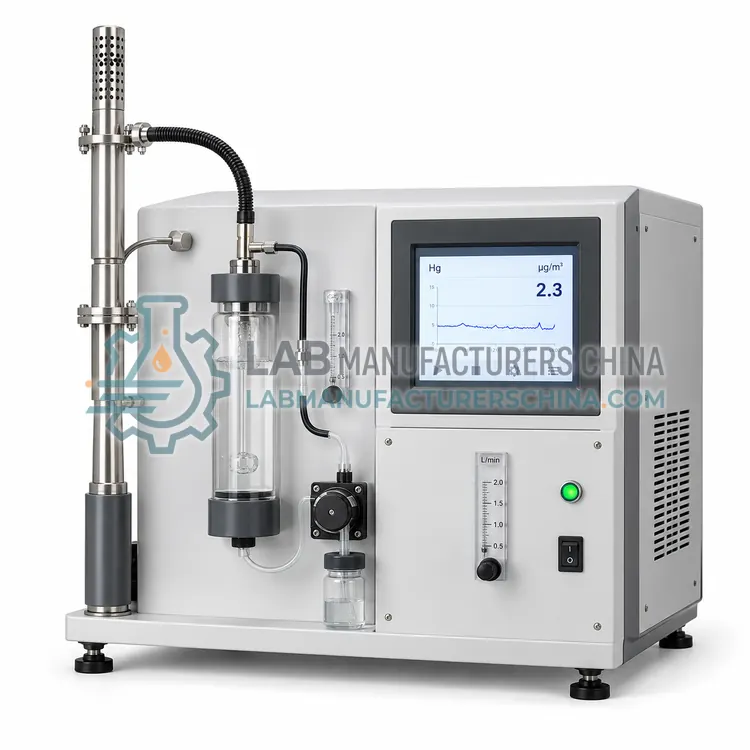
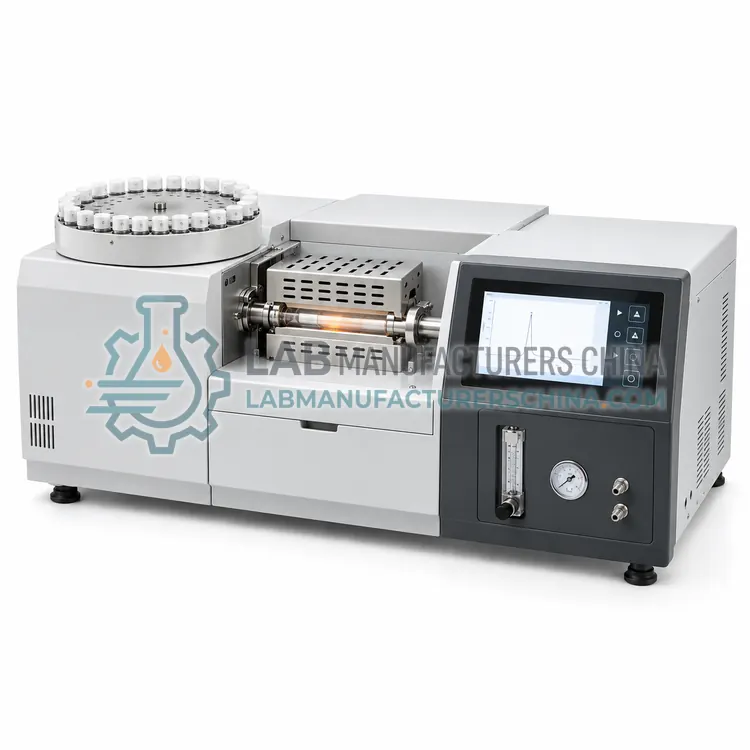
Total Mercury Analyzer for Water with Gold Amalgamation

金汞齐化水中总汞分析仪

  • MEA-0006
  • Mercury Analyzers
  • CE (to be confirmed)
  • ISO 9001 manufacturing (to be confirmed)
  • 21 CFR Part 11 software compliance (to be confirmed)
Detection limit:
0.5–5 ng/L
Measurement range:
1–1000 ng/L
Sample volume:
10–100 mL
Oxidation:
bromine chloride or UV oxidation
Amalgamation:
gold trap
Detector:
cold vapor AAS or AFS

A total mercury analyzer for water combines oxidation, reduction, gold amalgamation and detection to measure total mercury in water automatically. It is chosen for routine water monitoring with low detection limits and high sample throughput.

Request a quote
View details

Compare Mercury Analyzers models

ModelMeasurement rangeDetection limitMeasurement timeAmalgamationDetector
Direct Mercury Analyzer with Thermal Decomposition and AmalgamationMEA-00010.05–1000 ng0.001 ng absoluteapproximately 5 mingold trapatomic absorption or fluorescence
Cold Vapor Atomic Absorption Mercury AnalyzerMEA-00020.1–100 µg/L0.05–0.5 µg/L30–90 s per sample——
Cold Vapor Atomic Fluorescence Mercury AnalyzerMEA-00030.5–100 ng/L0.1–1 ng/L in water3–10 min per samplegold trap—
Portable Mercury Vapor Analyzer for Ambient AirMEA-00040–2000 µg/m30.1–2 µg/m3———
Continuous Mercury Emission Monitoring SystemMEA-00050–100 µg/m3 or higher0.1–1 µg/m3———
Total Mercury Analyzer for Water with Gold AmalgamationMEA-00061–1000 ng/L0.5–5 ng/L3–10 min per samplegold trapcold vapor AAS or AFS

Indicative values for this product class. Final specifications are confirmed on the quotation and in the calibration documents supplied with the instrument.

How do Mercury Analyzers work?

Mercury is unique among metals because it is volatile at room temperature and forms a stable amalgam with gold. Most analyzers exploit one or both properties. In cold vapor atomic absorption, mercury in solution is reduced to elemental form with tin chloride or sodium borohydride and swept into an absorption cell where it absorbs the 253.7 nanometre line of a mercury lamp. Cold vapor atomic fluorescence uses the same generation step but detects emitted light at right angles for higher sensitivity. Direct analyzers heat the solid or liquid sample to release mercury, which is collected on a gold amalgamator, then desorbed into a detector. Ambient air and emission monitors use gold amalgamation or optical techniques such as Zeeman atomic absorption or ultraviolet absorption for continuous measurement. Calibration uses certified mercury standards and gas-phase generators, and all systems require careful control of contamination because mercury is ubiquitous in laboratories.

Which Mercury Analyzers variants are available?

  • Direct Mercury Analyzer with Thermal Decomposition and Amalgamation — A direct mercury analyzer thermally decomposes solid or liquid samples and traps mercury on gold for atomic detection.
  • Cold Vapor Atomic Absorption Mercury Analyzer — A cold vapor atomic absorption mercury analyzer reduces mercury in solution and measures its vapor by absorption.
  • Cold Vapor Atomic Fluorescence Mercury Analyzer — A cold vapor atomic fluorescence mercury analyzer detects the fluorescence of mercury atoms after reduction and amalgamation.
  • Portable Mercury Vapor Analyzer for Ambient Air — A portable mercury vapor analyzer measures mercury in ambient or workplace air with a battery-powered, handheld or field unit.
  • Continuous Mercury Emission Monitoring System — A continuous mercury emission monitoring system measures mercury in industrial stack gas in real time.
  • Total Mercury Analyzer for Water with Gold Amalgamation — A total mercury analyzer for water combines oxidation, reduction, gold amalgamation and detection to measure total mercury in water automatically.

How do I choose the right variant?

Select a mercury analyzer by sample type and required detection limit. Direct thermal decomposition analyzers handle solid and liquid samples in minutes with minimal preparation and reach low nanogram levels, which suits food, soil and waste testing. Cold vapor atomic absorption is a robust, economical choice for water and digested samples at microgram per litre levels. Cold vapor atomic fluorescence reaches much lower limits and suits ultratrace water and seawater work. Portable ambient air analyzers with gold film or Zeeman detection serve workplace and indoor air surveys. Continuous emission monitors and total mercury analyzers with gold amalgamation are installed on industrial stacks and process streams. Confirm the measurement range, sample throughput, calibration approach and whether a specific regulatory method is mandated.

Where are Mercury Analyzers used?

Mercury Analyzers are specified in mercury in fish, rice, seafood and food products, drinking water, wastewater and seawater monitoring, soil, sediment and contaminated site assessment, workplace and indoor air mercury vapour surveys, industrial stack emission and process stream monitoring and geological and mining exploration samples.

Which standards and certifications apply?

Work with Mercury Analyzers is commonly governed by US EPA Method 7473 Mercury in solids and solutions by thermal decomposition, US EPA Method 7470A Mercury in liquid waste by cold vapor AAS, US EPA Method 1631 Mercury in water by oxidation, purge and trap, and CVAFS, ISO 12846 Water quality — Determination of mercury by AAS after enrichment, ISO 20552 Workplace air — Determination of mercury vapour by gold amalgamation, EN 15852 Stationary source emissions — Determination of total gaseous mercury and IEC 61010-1. Instrument certifications such as CE marking are confirmed per configuration and never assumed.

What are the key considerations before purchase?

Mercury is toxic by inhalation and accumulates, so laboratories must control vapor exposure, use ventilated enclosures and monitor ambient air. Contamination is a constant risk because mercury appears in reagents, dust and previous samples, so ultrapure reagents, dedicated glassware and rigorous blanks are essential. Gold amalgamators require periodic cleaning or replacement when recovery falls. Calibration standards and gas generators must be traceable, and reducing agents must be fresh. Luminaires and detectors for the 253.7 nanometre line need stable temperature. For emission and ambient monitors, sample lines must be heated and inert to prevent mercury loss. Maintain service records and follow local occupational exposure limits and waste disposal rules.

Frequently asked questions about Mercury Analyzers

Mercury vapor forms a stable amalgam with gold at room temperature and is released when the gold is heated. Trapping mercury on gold concentrates it from a large sample volume or gas stream and separates it from interfering substances, which greatly lowers detection limits. Amalgamators are central to direct analyzers and sensitive ambient monitors.

Need help specifying Mercury Analyzers?

Request a quote