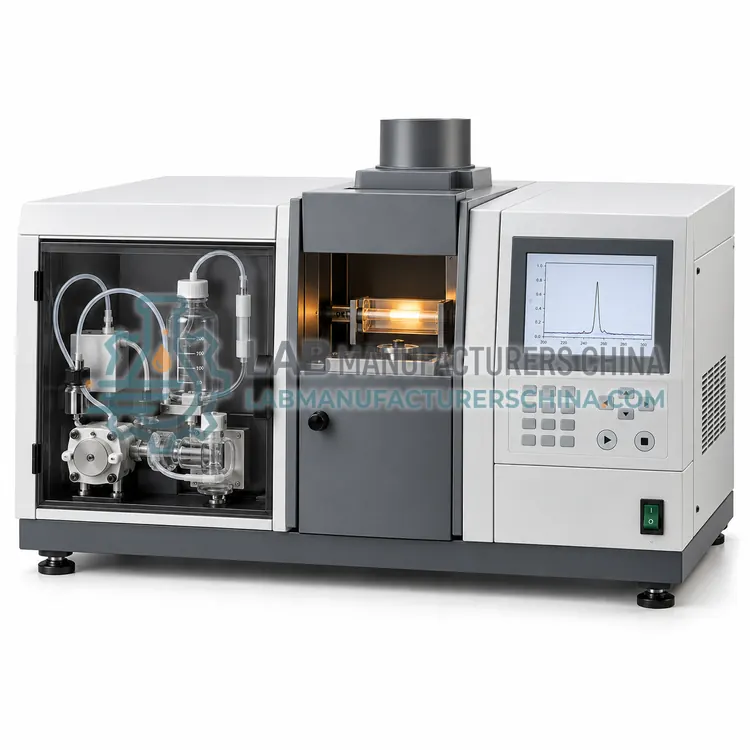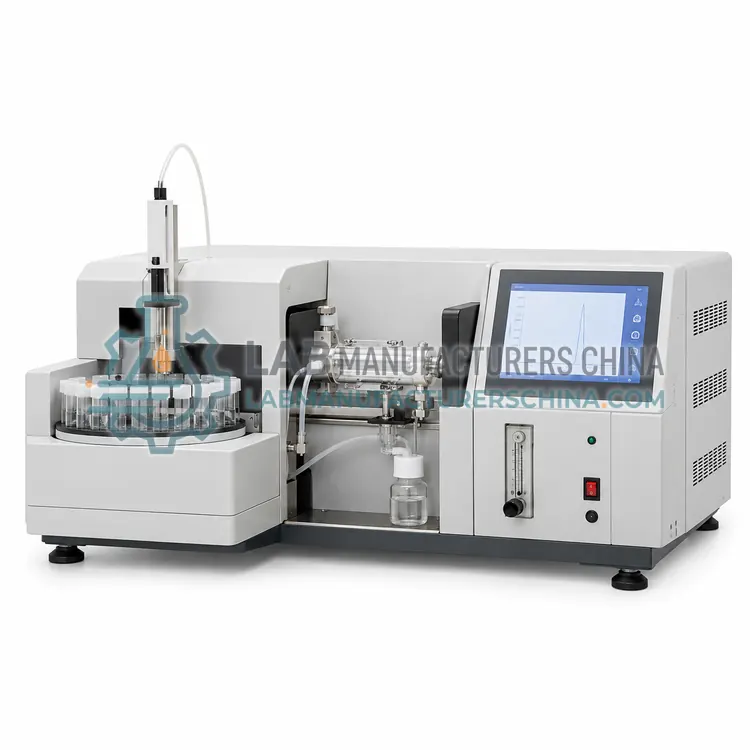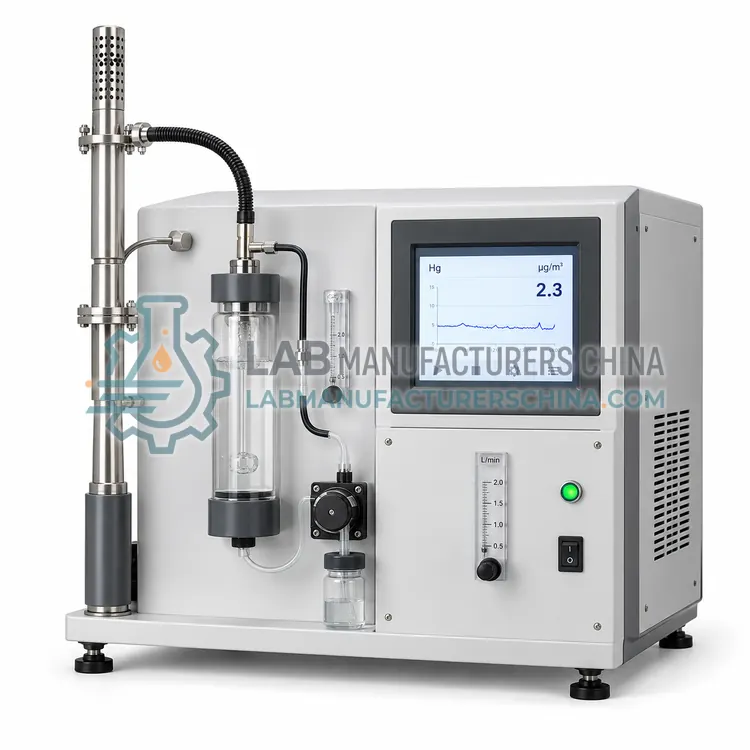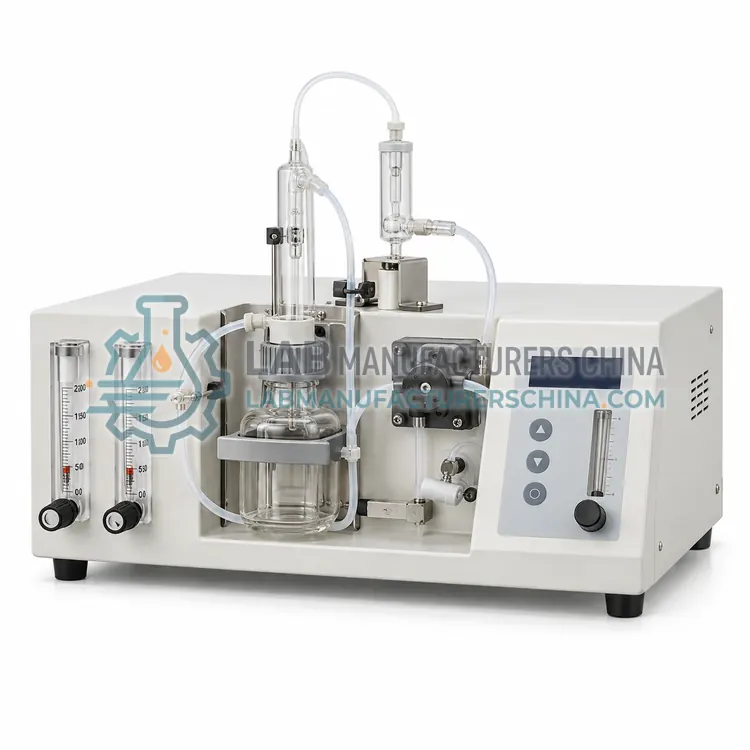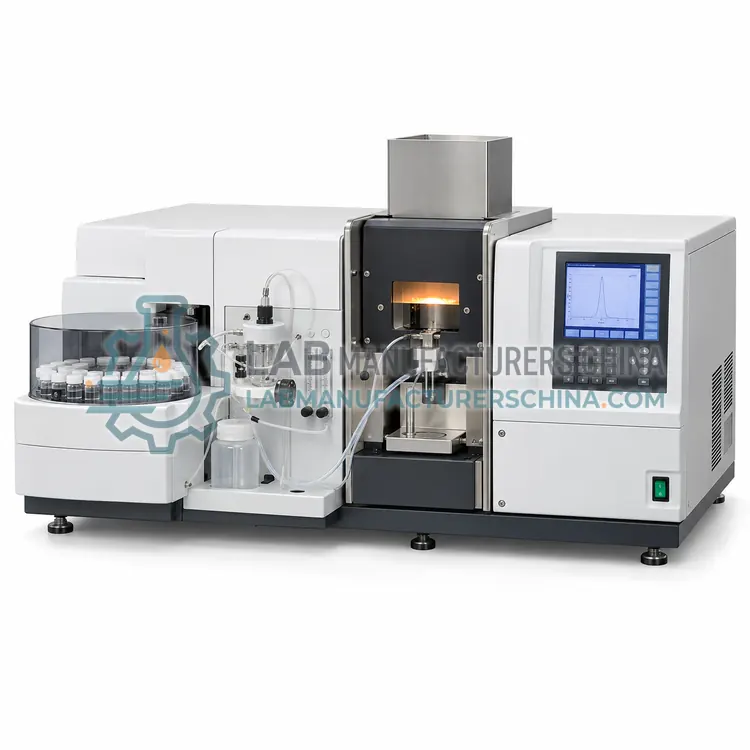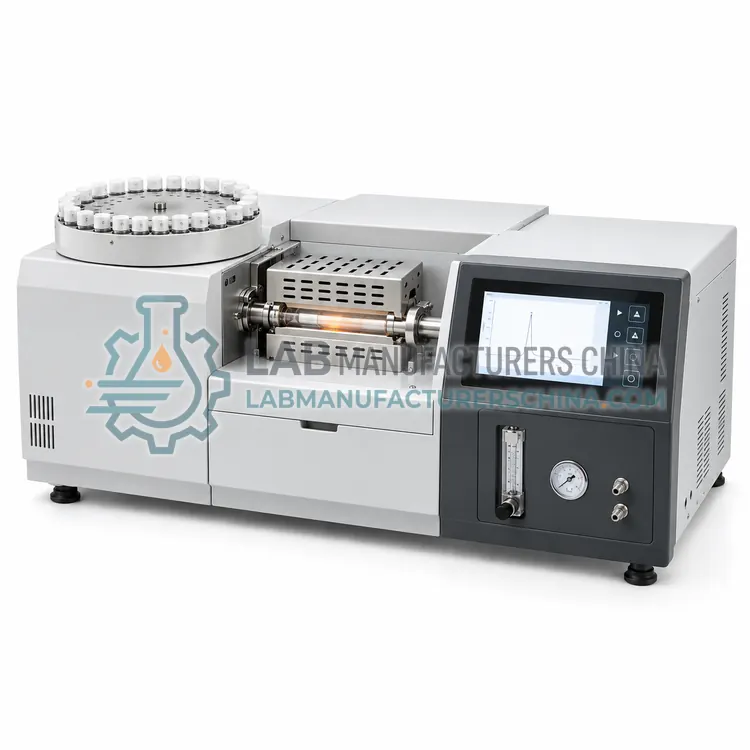
Direct Mercury Analyzer with Thermal Decomposition and Amalgamation
热分解金汞齐化直接测汞仪
- CE (to be confirmed)
- +2
Welcome to Lab Manufacturers China — laboratory instruments direct from a Chinese manufacturer
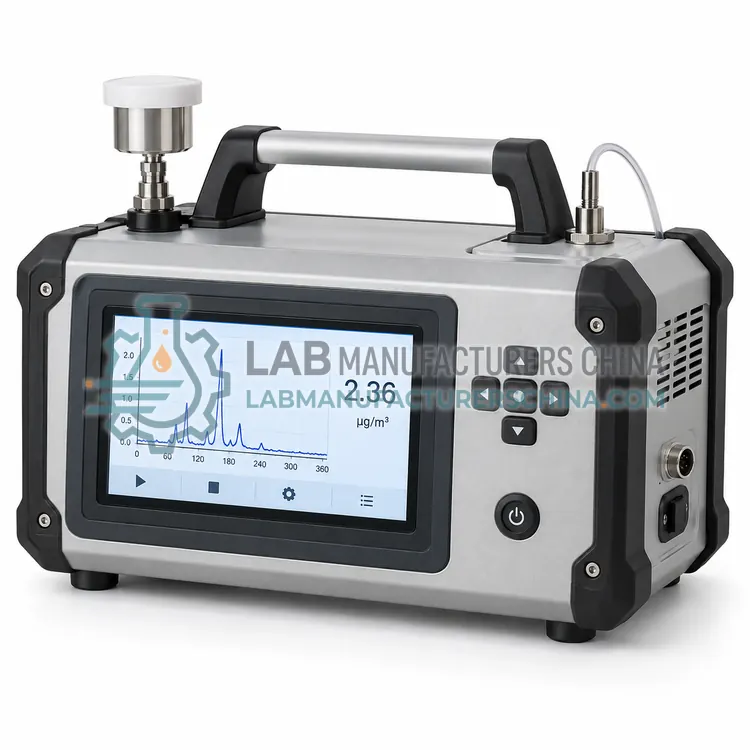
便携式环境空气汞蒸气分析仪
Price on request — FOB / CIF quoted per order
Prices depend on configuration, quantity and destination port.
| Detection limit | 0.1–2 µg/m3 |
|---|---|
| Measurement range | 0–2000 µg/m3 |
| Detection principle | gold film or Zeeman UV |
| Response time | 1–20 s |
| Sampling flow | 0.2–1.0 L/min |
| Battery life | 8–12 h |
By Lab Manufacturers China Technical TeamLast reviewed Standards: US EPA Method 7473 Mercury in solids and solutions by thermal decomposition, US EPA Method 7470A Mercury in liquid waste by cold vapor AAS, US EPA Method 1631 Mercury in water by oxidation, purge and trap, and CVAFS
A portable mercury vapor analyzer measures mercury in ambient or workplace air with a battery-powered, handheld or field unit. It is chosen for occupational hygiene surveys, spill response and indoor air screening.
A portable mercury vapor analyzer measures mercury in ambient or workplace air with a battery-powered, handheld or field unit. It is chosen for occupational hygiene surveys, spill response and indoor air screening.
This instrument draws air through a sample cell and detects mercury vapor by gold film resistance change, Zeeman atomic absorption or ultraviolet absorption. Gold film sensors are small and sensitive but require periodic regeneration, while Zeeman and ultraviolet instruments provide continuous, interference-resistant readings with a wider range. Typical detection limits are 0.1 to 2 micrograms per cubic metre, suitable for comparing indoor concentrations against occupational exposure limits. Units are battery powered, log data with time stamps and can be carried on a belt with a sampling probe for breathing-zone measurement. Some models include an internal pump and alarm thresholds. Calibration uses a saturated mercury vapor source or a certified gas generator, and field checks confirm response before and after each survey.
Mercury is unique among metals because it is volatile at room temperature and forms a stable amalgam with gold. Most analyzers exploit one or both properties. In cold vapor atomic absorption, mercury in solution is reduced to elemental form with tin chloride or sodium borohydride and swept into an absorption cell where it absorbs the 253.7 nanometre line of a mercury lamp. Cold vapor atomic fluorescence uses the same generation step but detects emitted light at right angles for higher sensitivity. Direct analyzers heat the solid or liquid sample to release mercury, which is collected on a gold amalgamator, then desorbed into a detector. Ambient air and emission monitors use gold amalgamation or optical techniques such as Zeeman atomic absorption or ultraviolet absorption for continuous measurement. Calibration uses certified mercury standards and gas-phase generators, and all systems require careful control of contamination because mercury is ubiquitous in laboratories.
A typical portable mercury vapor analyzer for ambient air configuration offers detection limit of 0.1–2 µg/m3, measurement range of 0–2000 µg/m3, detection principle of gold film or Zeeman UV, response time of 1–20 s, sampling flow of 0.2–1.0 L/min and battery life of 8–12 h. Values are indicative of the product class; the exact figures for each configuration are confirmed on the quotation and the calibration documents supplied with the instrument.
The Portable Mercury Vapor Analyzer for Ambient Air is used in occupational exposure and breathing-zone surveys, indoor air quality after mercury spills, dental, laboratory and recycling facility checks and waste site and landfill fence-line monitoring. Across the wider Mercury Analyzers class, laboratories also deploy it for mercury in fish, rice, seafood and food products, drinking water, wastewater and seawater monitoring and soil, sediment and contaminated site assessment.
Relevant standards and methods include US EPA Method 7473 Mercury in solids and solutions by thermal decomposition, US EPA Method 7470A Mercury in liquid waste by cold vapor AAS, US EPA Method 1631 Mercury in water by oxidation, purge and trap, and CVAFS, ISO 12846 Water quality — Determination of mercury by AAS after enrichment, ISO 20552 Workplace air — Determination of mercury vapour by gold amalgamation, EN 15852 Stationary source emissions — Determination of total gaseous mercury and IEC 61010-1. Certification candidates for this model are CE, ISO 9001 manufacturing and Intrinsic safety certification option; each is to be confirmed for the specific configuration before shipment, and certificates are supplied only where they have been issued.
Mercury is toxic by inhalation and accumulates, so laboratories must control vapor exposure, use ventilated enclosures and monitor ambient air. Contamination is a constant risk because mercury appears in reagents, dust and previous samples, so ultrapure reagents, dedicated glassware and rigorous blanks are essential. Gold amalgamators require periodic cleaning or replacement when recovery falls. Calibration standards and gas generators must be traceable, and reducing agents must be fresh. Luminaires and detectors for the 253.7 nanometre line need stable temperature. For emission and ambient monitors, sample lines must be heated and inert to prevent mercury loss. Maintain service records and follow local occupational exposure limits and waste disposal rules.
Select a portable vapor analyzer for field or workplace measurements where real-time readings guide action, such as spill response or exposure surveys. Specify the required range and detection limit, response time, and whether intrinsic safety certification is needed for hazardous areas. Confirm calibration sources and check that results can be exported for reporting.
Select a mercury analyzer by sample type and required detection limit. Direct thermal decomposition analyzers handle solid and liquid samples in minutes with minimal preparation and reach low nanogram levels, which suits food, soil and waste testing. Cold vapor atomic absorption is a robust, economical choice for water and digested samples at microgram per litre levels. Cold vapor atomic fluorescence reaches much lower limits and suits ultratrace water and seawater work. Portable ambient air analyzers with gold film or Zeeman detection serve workplace and indoor air surveys. Continuous emission monitors and total mercury analyzers with gold amalgamation are installed on industrial stacks and process streams. Confirm the measurement range, sample throughput, calibration approach and whether a specific regulatory method is mandated.
| Detection limit | 0.1–2 µg/m3 |
|---|---|
| Measurement range | 0–2000 µg/m3 |
| Detection principle | gold film or Zeeman UV |
| Response time | 1–20 s |
| Sampling flow | 0.2–1.0 L/min |
| Battery life | 8–12 h |
| Weight | 1–3 kg |
| Data logging | internal memory, PC download |
| Alarm | adjustable threshold |
| Operating temperature | 0–50 °C |
Indicative values for this product class. Final specifications are confirmed on the quotation and in the calibration documents supplied with the instrument.
Mercury amalgamates with a thin gold film, which increases its electrical resistance in proportion to the amount of mercury collected. The change is measured and converted to concentration. The film must be regenerated by heating to release the mercury, and it can saturate at high concentrations.
Occupational exposure limits for mercury vapor are typically in the range of 20 to 100 micrograms per cubic metre as an eight-hour average, so instruments with a detection limit of about 1 to 5 micrograms per cubic metre can compare readings against them. Lower limits help detect background and trend changes.
Field instruments are usually checked with a saturated mercury vapor source or certified gas before and after each survey, with full calibration at a defined interval, often every six or twelve months. Frequent checks detect drift from sensor aging, and results should be recorded with the instrument identity.
Mercury vapor forms a stable amalgam with gold at room temperature and is released when the gold is heated. Trapping mercury on gold concentrates it from a large sample volume or gas stream and separates it from interfering substances, which greatly lowers detection limits. Amalgamators are central to direct analyzers and sensitive ambient monitors.
Water samples for mercury are usually acidified and oxidized, kept in glass or fluoropolymer containers, and analyzed quickly because mercury can be lost or converted. Solid samples are dried or frozen and ground in equipment free of mercury and cross-contamination. Sample containers, field blanks and holding times are defined in the applicable method.
Mercury occurs in laboratory dust, some reagents and residues from previous samples, and it adsorbs onto surfaces. At the ultratrace levels measured, tiny amounts cause large errors. Dedicated glassware, ultrapure reagents, clean benches, heated sweep lines and frequent method blanks are used to keep contamination under control.
热分解金汞齐化直接测汞仪