
Electrochemistry Instruments
电化学仪器
CELI · Analytical & Instrumentation · 6 product types · 30 models
By Lab Manufacturers China Technical TeamLast reviewed
What are Electrochemistry Instruments?
Electrochemistry instruments measure electrical properties of solutions and electrode interfaces, including pH, conductivity, redox potential, ion activity, dissolved oxygen and current-potential behavior. The category covers pH, conductivity, ORP, ion and dissolved oxygen meters and potentiostats for water, process, pharmaceutical and battery laboratories.
6 product types in Electrochemistry Instruments
The 6 product types below are grouped by the exact instrument you need.
- PHM5 models
pH Meters
pH 计
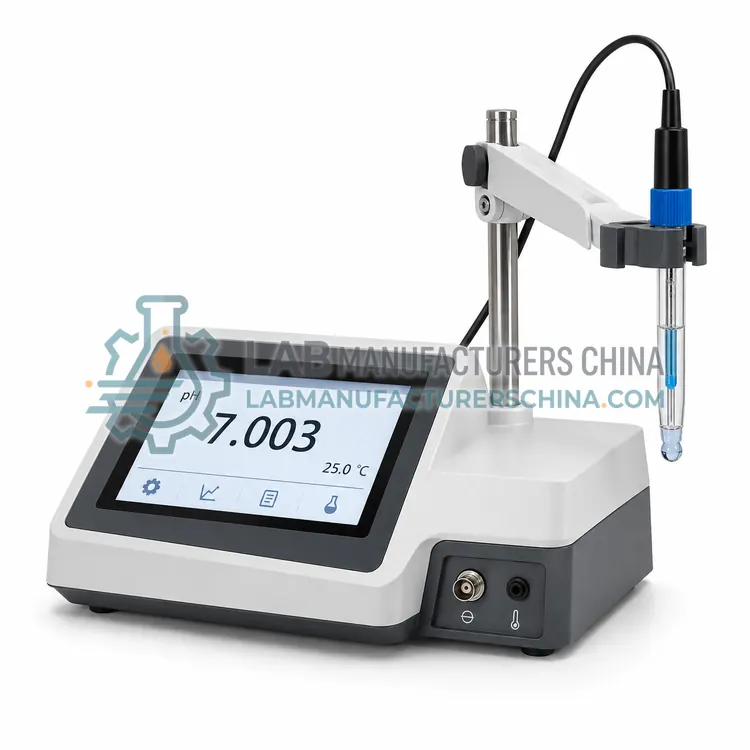
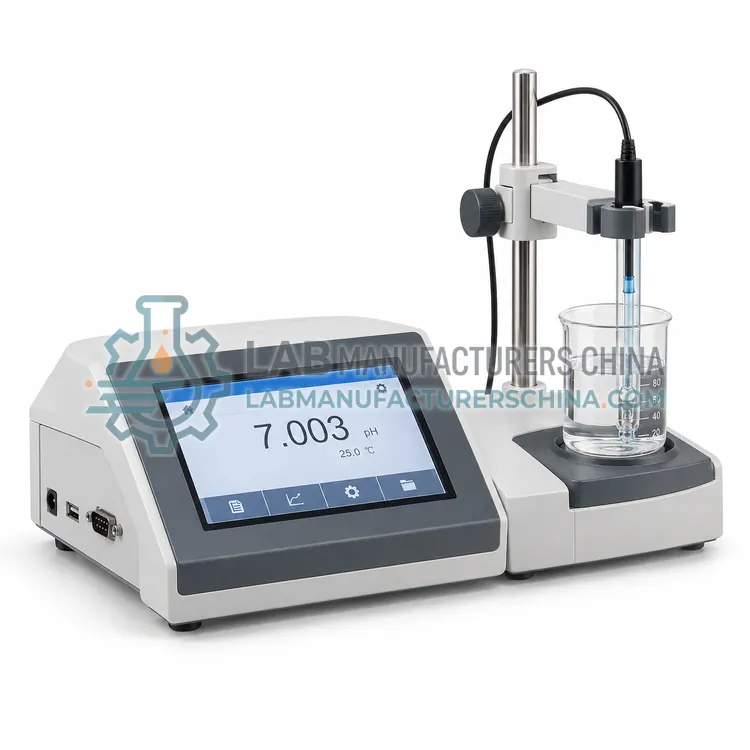
A pH meter measures the hydrogen ion activity of a solution by reading the potential between a pH-sensitive glass electrode and a reference electrode and converting it to pH units. Laboratories in pharmaceutical QC, water testing, food production, agriculture and education use it for acidity and alkalinity measurement.
- COM5 models
Conductivity Meters
电导率仪
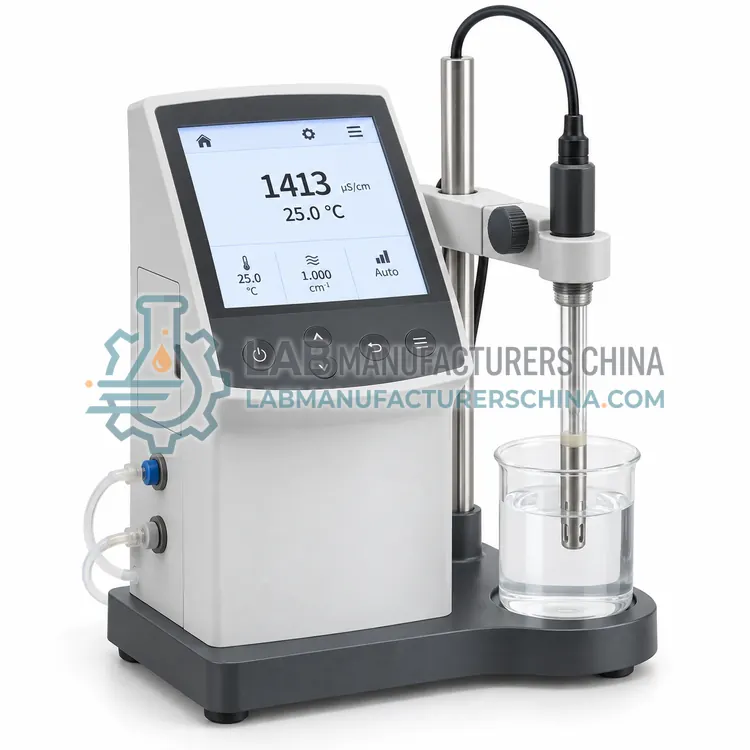
A conductivity meter measures the ability of a solution to carry electric current, which depends on its dissolved ionic content. It uses a conductivity cell with known cell constant and is used for water purity, salinity, TDS estimation and process monitoring in pharmaceutical, environmental, food and industrial laboratories.
- ORM5 models
ORP Meters
ORP 计
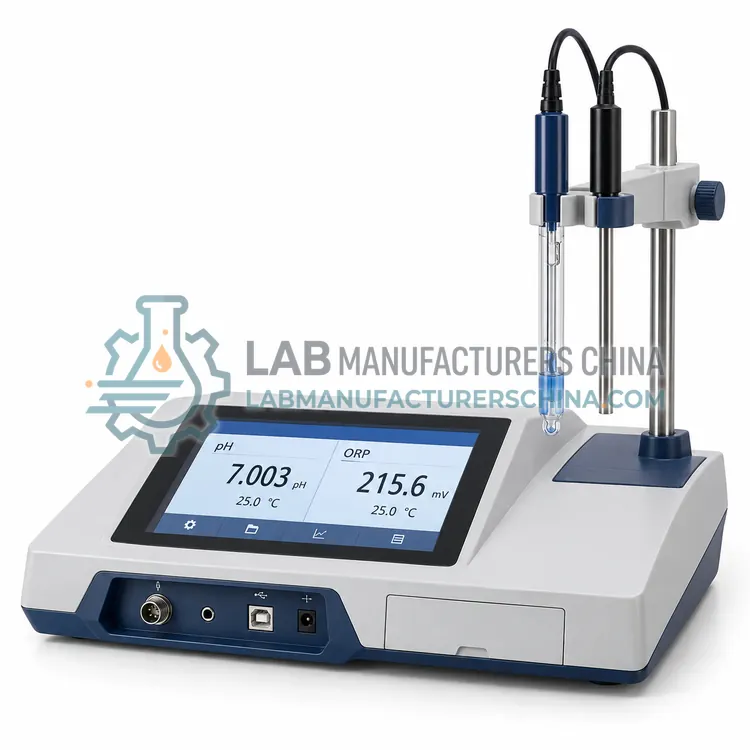
An ORP meter measures oxidation-reduction potential, in millivolts, of a solution by reading the voltage between an inert platinum or gold electrode and a reference electrode. It indicates the oxidizing or reducing strength of water and is used in disinfection control, wastewater treatment, aquaculture and laboratories.
- IOM5 models
Ion Meters
离子计
An ion meter is a potentiometric instrument that measures the activity of a specific ion in solution using an ion-selective electrode and a reference electrode. It reports concentration in mol/L, mg/L or ppm after calibration with standards, and is used for fluoride, nitrate, ammonia, chloride and other ions in water, food and industrial laboratories.
- DOM5 models
Dissolved Oxygen Meters
溶解氧测定仪
A dissolved oxygen meter measures the concentration of oxygen dissolved in water, usually reported in mg/L or percent saturation. It uses an electrochemical or optical sensor and is used for wastewater treatment control, fermentation, aquaculture, drinking water and environmental monitoring.
- POT5 models
Potentiostats
恒电位仪
A potentiostat is an electronic instrument that holds the potential of a working electrode at a set value relative to a reference electrode and measures the resulting current. Potentiostat/galvanostat instruments perform voltammetry, electrochemical impedance spectroscopy, corrosion testing and battery or sensor research.
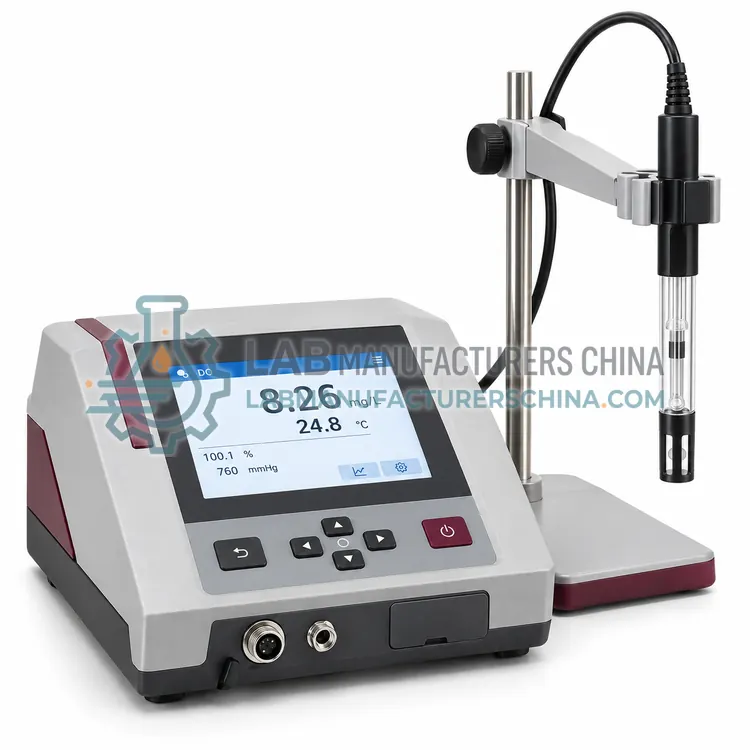
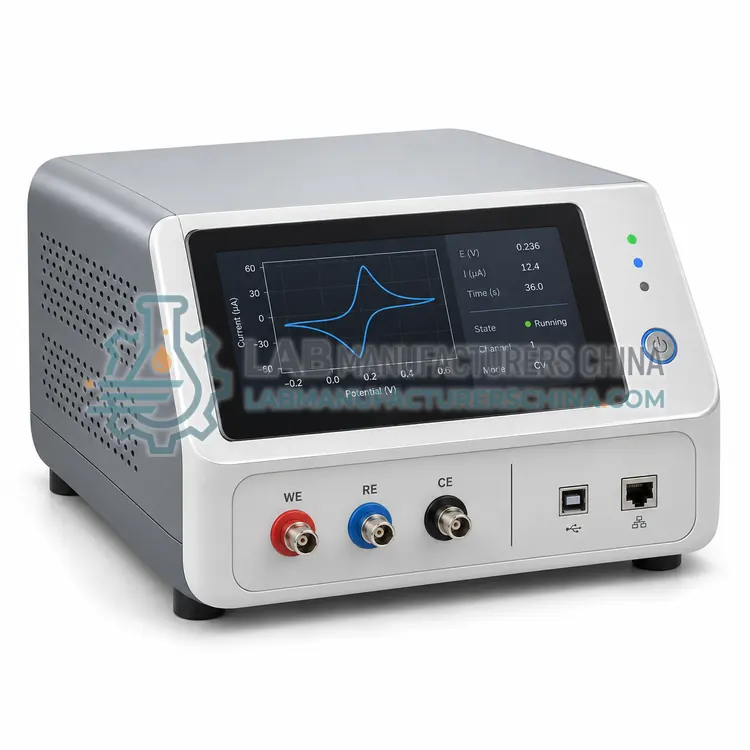
What are Electrochemistry Instruments?
Electrochemistry instruments use electrodes and sensors to convert a chemical property of a sample into an electrical signal. Potentiometric meters, including pH, ORP and ion meters, measure the potential of an indicating electrode against a reference electrode and relate it to activity through the Nernst equation. Conductivity meters apply an alternating current between electrodes or through an inductive coil and measure the resulting conductance. Dissolved oxygen meters use either a membrane-covered amperometric sensor or an optical luminescence sensor. Potentiostats control the potential of a working electrode and record current, enabling techniques such as cyclic voltammetry, chronoamperometry and impedance spectroscopy. These instruments range from handheld field meters to benchtop laboratory meters and multichannel research systems, and they support quality control, environmental monitoring, process control and materials research.
How do Electrochemistry Instruments work?
Potentiometric instruments rely on the Nernst equation, in which electrode potential changes by about 59.16 mV per decade of activity at 25 degrees Celsius for a monovalent ion. A pH glass membrane responds to hydrogen ion activity, an ion-selective electrode uses a membrane specific to ions such as fluoride or ammonium, and an ORP electrode uses an inert platinum or gold surface to report the redox state. Meters amplify these signals with very high input impedance, often above 10¹² ohms, and apply temperature compensation. Conductivity cells measure the conductance between electrodes of known cell constant, typically in the range 0.1 to 10 per centimeter. Dissolved oxygen sensors measure current from oxygen reduction at a cathode or the quenching of luminescence by oxygen. Potentiostats use a three-electrode circuit with a working, counter and reference electrode to hold the working potential and measure current with nanoampere to ampere ranges.
Where are Electrochemistry Instruments used?
Electrochemical instruments are among the most widely used tools in laboratories. pH and conductivity meters are standard in pharmaceutical quality control, food and beverage production, water treatment, agriculture and education. Conductivity monitoring verifies purified water quality and cleaning validation. ORP is used in disinfection control, swimming pools, wastewater treatment and aquaculture. Ion meters and ion-selective electrodes quantify fluoride, nitrate, ammonium, sodium and other ions in drinking water, soils and industrial effluents. Dissolved oxygen meters support fermentation, wastewater aeration, environmental surveys and aquaculture. Potentiostats underpin research on batteries, fuel cells, corrosion, electroplating, sensors and electroanalysis. Field, handheld and online versions allow the same measurements outside the laboratory.
Which standards apply to Electrochemistry Instruments?
Several standards define electrochemical measurements. USP <791> covers pH measurement and USP <645> covers conductivity of water, with Ph. Eur. 2.2.3 and 2.2.38 as European counterparts. ASTM D1293 describes pH of water, ASTM D1125 covers conductivity, ASTM D1498 covers oxidation-reduction potential and ASTM D888 addresses dissolved oxygen. ISO 10523 specifies pH determination in water, ISO 7888 covers conductivity and ISO 5814 covers dissolved oxygen by electrochemical probe. In China, GB/T 6920 addresses pH in water. Electrical safety follows IEC 61010-1, and IEC 60746 provides performance expression for electrochemical analyzers.
How do I select the right electrochemistry equipment?
Select the meter by the parameter, the accuracy class and the operating environment. Handheld meters suit field sampling and spot checks, benchtop meters suit laboratory work with resolution of 0.001 pH or 0.01 percent conductivity, and multiparameter units reduce equipment count when several parameters are measured on the same sample. For regulated laboratories look for GLP features such as calibration records, user management and audit trails, and confirm compliance with USP or Ph. Eur. requirements. Sensor choice matters as much as the meter: match electrode junction, membrane and body material to sample type, for example a low-ionic-strength sample needs a special pH electrode. For potentiostats, define the maximum current and voltage, bandwidth, number of channels, impedance range and whether a floating ground or booster is needed. Include electrode replacement cost and calibration buffers in the total cost.
Electrochemistry Instruments comparison
| Subcategory | Principle | Typical use | Key spec |
|---|---|---|---|
| pH Meters | Glass electrode potentiometry | Acidity and alkalinity of solutions | Range −2 to 16 pH; resolution to 0.001 |
| Conductivity Meters | Conductance between electrodes of known cell constant | Water purity and salinity | 0.01 µS/cm to 500 mS/cm |
| ORP Meters | Platinum or gold electrode redox potential | Disinfection and redox control | Range ±2000 mV |
| Ion Meters | Ion-selective electrode potentiometry | Fluoride, nitrate and ammonium measurement | Concentration 10⁻⁶ to 1 mol/L |
| Dissolved Oxygen Meters | Amperometric or optical oxygen sensing | Fermentation, wastewater and aquaculture | 0–20 mg/L; accuracy ±0.1–0.2 mg/L |
| Potentiostats | Controlled-potential three-electrode measurement | Voltammetry, battery and corrosion research | Up to ±10 V; nA to A current ranges |
Frequently asked questions about Electrochemistry Instruments
They measure properties such as pH, conductivity, redox potential, ion concentration and dissolved oxygen in liquids, or study current-potential behavior at electrodes. They are used in water testing, pharmaceutical QC, food production, process control and battery or corrosion research.
Calibrate before each use or at least daily with two or three fresh buffers that bracket the expected sample pH. Regulated laboratories follow their SOPs and USP <791>, and verify the slope, typically 95 to 105 percent, and offset before measuring samples.
A potentiometric meter measures the potential of an electrode at near-zero current to infer activity, as in pH or ion measurement. A potentiostat actively controls electrode potential and measures current, enabling voltammetry, amperometry and impedance studies of reactions at the electrode surface.
Conductivity meters are the standard tool for water purity because dissolved ions raise conductivity. Ultrapure water reaches about 0.055 microsiemens per centimeter at 25 degrees Celsius, and pharmacopoeias set stage limits. TOC analyzers complement conductivity by detecting organic contamination.
Yes. Electrodes are consumable sensors. pH glass electrodes typically last 6 to 24 months depending on sample and care, and ion-selective membranes last similar periods. Slow response, low slope and unstable readings signal that cleaning or replacement is needed.
Related categories
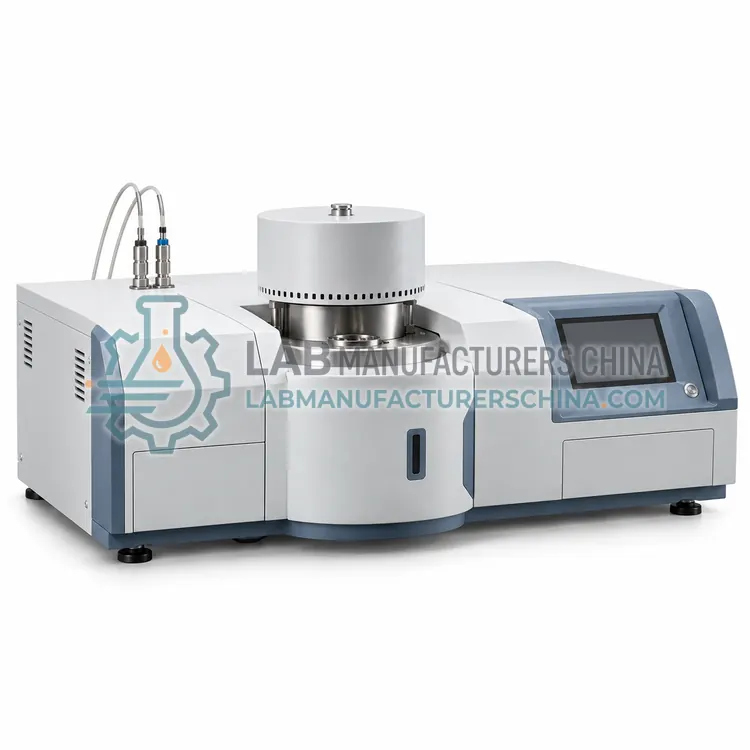 CTAI热分析仪器Thermal analysis instruments measure how a material's physical or chemical properties change with temperature or time under a controlled program. The category covers DSC, TGA, DTA, TMA, DMA and simultaneous thermal analyzers used for polymers, pharmaceuticals, ceramics, metals and energy materials.
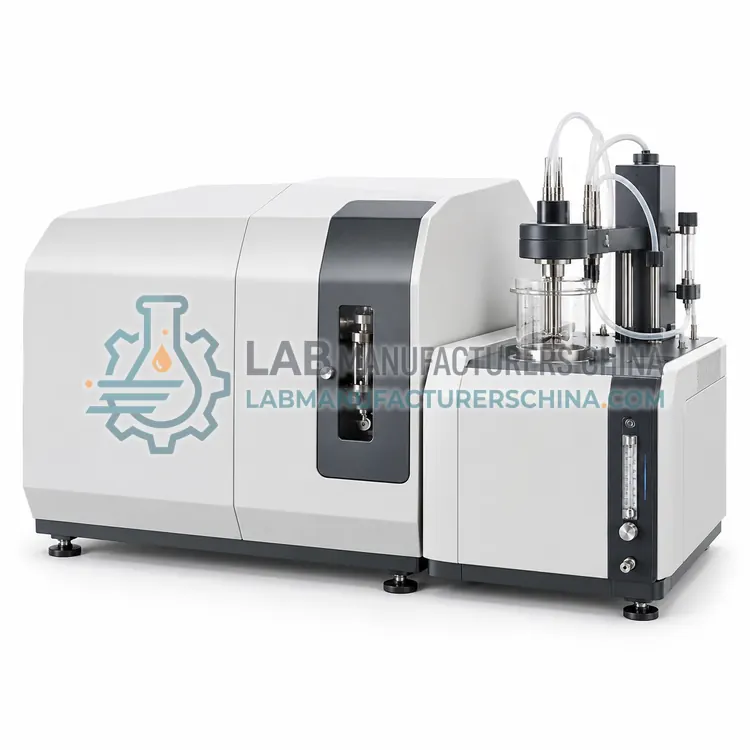 CPAI粒度分析仪器Particle analysis instruments measure the size, size distribution, surface charge and surface area of powders, suspensions and emulsions. The category includes laser and dynamic light scattering analyzers, zeta potential analyzers, sieve systems and gas-adsorption surface area analyzers used in pharmaceutical, battery, ceramics, pigment, mining and materials laboratories.
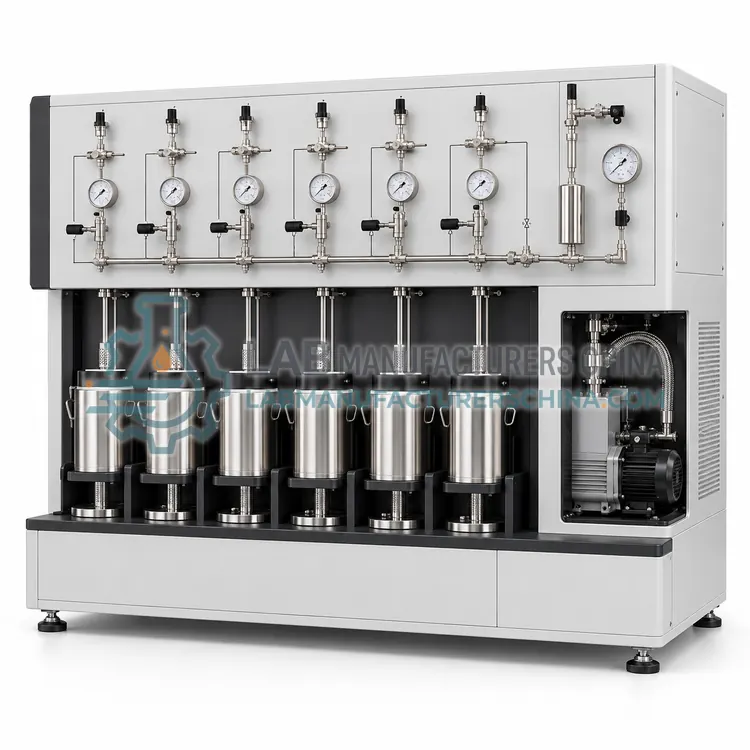 CSAI表面分析仪器Surface analysis instruments characterize the outermost layers and interfaces of solids and liquids. The category covers gas-sorption surface area analyzers, porosimeters, contact angle meters, surface profilometers and surface tension meters used in materials science, coatings, catalysts, polymers, batteries and semiconductor laboratories.
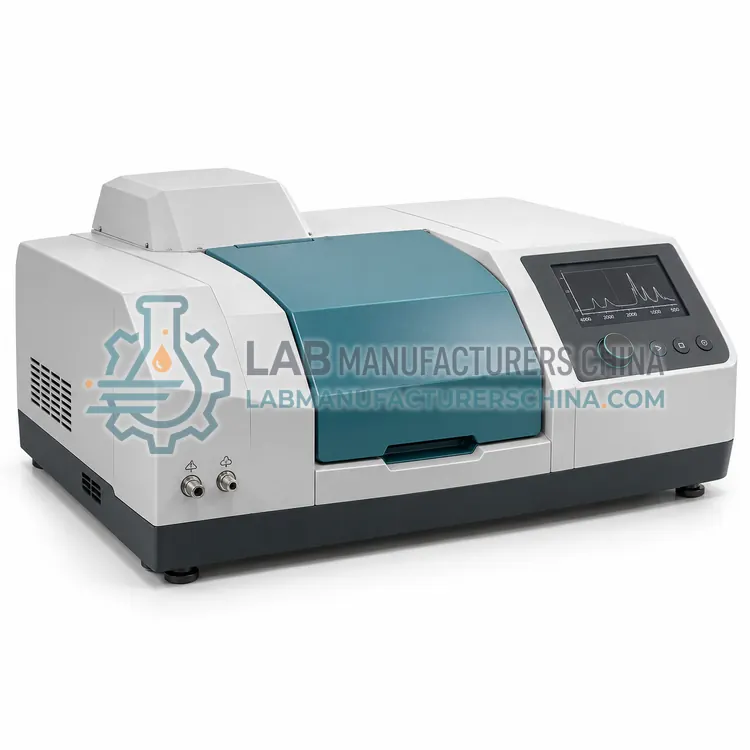 COPI光学仪器Optical instruments measure light intensity, wavelength, colour, refractive index and optical rotation. The category covers spectrometers, colorimeters, optical power meters, lux meters, polarimeters and refractometers used for material identification, concentration measurement, illumination checking and optical component testing. They are routine tools in analytical, quality-control and research laboratories.