
ICP Spectrometers
ICP 光谱仪
CICS · Analytical & Instrumentation · 5 product types · 30 models
By Lab Manufacturers China Technical TeamLast reviewed
What are ICP Spectrometers?
ICP spectrometers use an inductively coupled argon plasma to atomize and ionize samples for elemental analysis by optical emission or mass spectrometry. They serve environmental, pharmaceutical, food, metallurgical and geological laboratories that need multi-element results.
5 product types in ICP Spectrometers
The 5 product types below are grouped by the exact instrument you need.
- ICO6 models
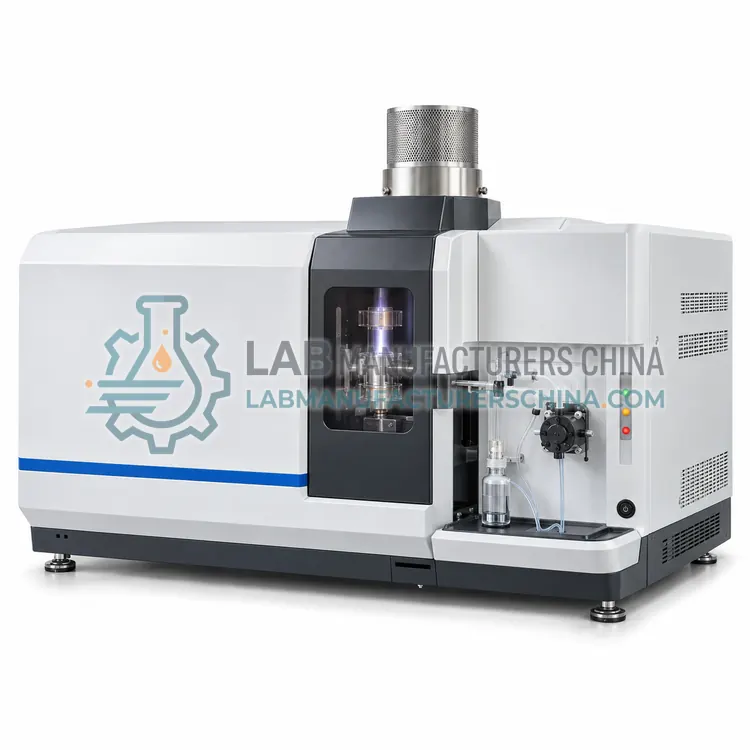
ICP-OES
电感耦合等离子体发射光谱仪
ICP-OES spectrometers measure the light emitted by atoms and ions excited in an inductively coupled argon plasma. They provide simultaneous multi-element analysis from microgram per litre to percent levels for environmental, pharmaceutical, food, metallurgical and geological laboratories.
- ICA6 models
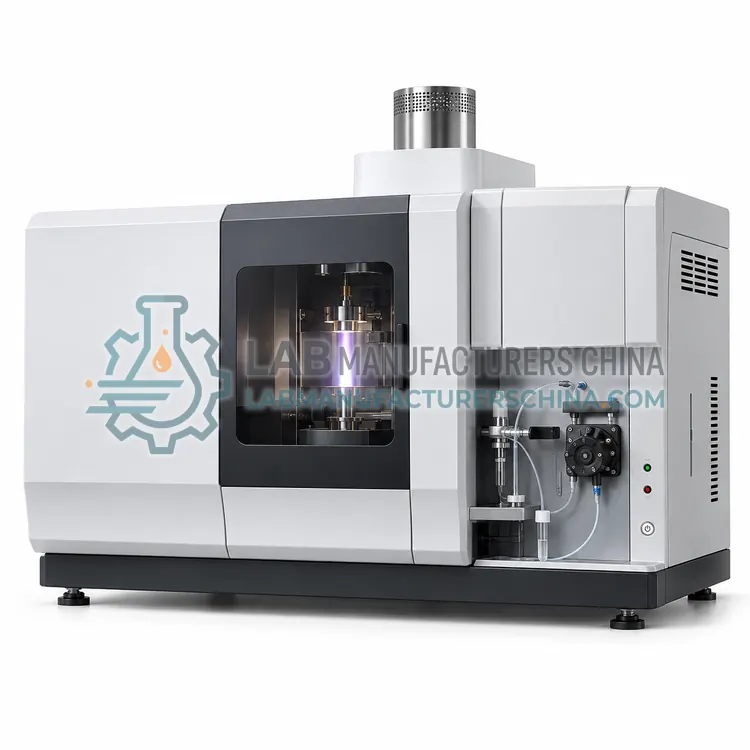
ICP-AES
电感耦合等离子体原子发射光谱仪
ICP-AES spectrometers measure atomic emission from samples excited in an inductively coupled argon plasma. They perform routine multi-element analysis of metals and other elements in water, alloys, organics and industrial materials with broad dynamic range.
- ICM6 models
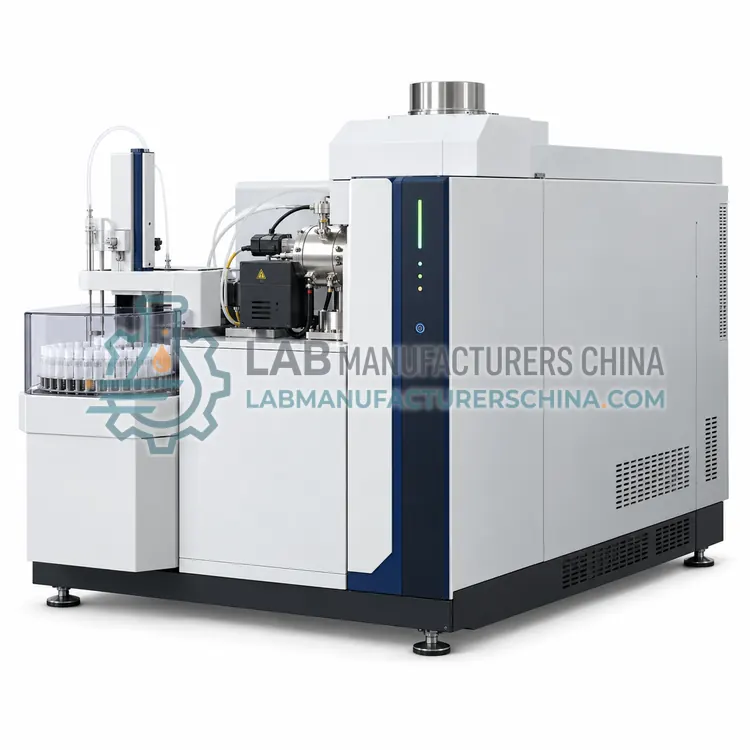
ICP-MS
电感耦合等离子体质谱仪
ICP-MS spectrometers ionize samples in an inductively coupled argon plasma and measure the ions by mass spectrometry. They deliver the lowest trace-element detection limits and isotope information for environmental, pharmaceutical, clinical and geological laboratories.
- ISI6 models
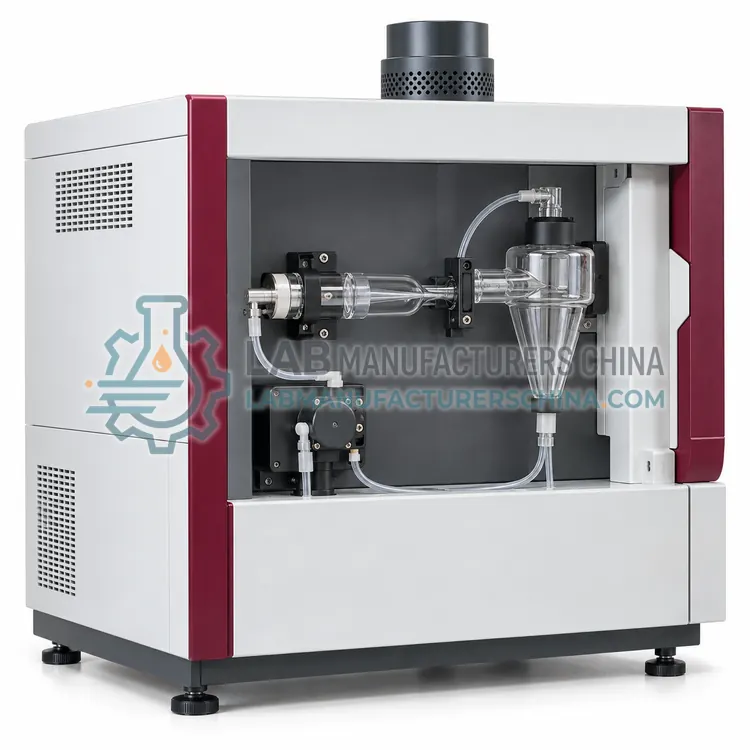
ICP Sample Introduction Systems
ICP 样品引入系统
ICP sample introduction systems deliver samples to the plasma as aerosol, vapor or solid particles. They include nebulizers, spray chambers, pumps, laser ablation and vaporization devices that strongly influence sensitivity, precision and matrix tolerance.
- IAC6 models
ICP Accessories
ICP 附件
ICP accessories are the essential replacement parts and consumables that keep plasma instruments performing. They include torches, injectors, nebulizers, spray chambers, RF coil assemblies, pump tubing and autosampler hardware for ICP-OES and ICP-MS systems.
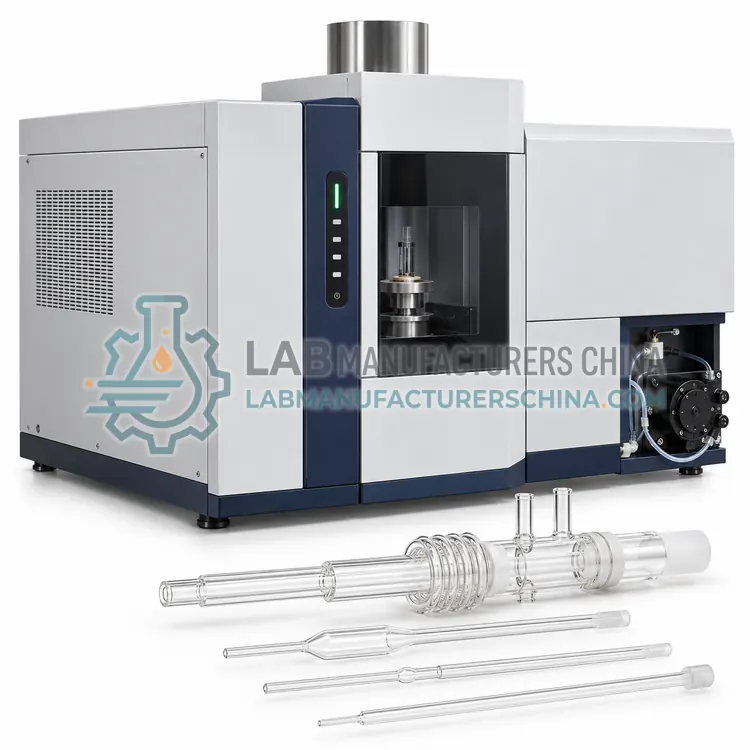
What are ICP Spectrometers?
Inductively coupled plasma instruments generate a high-temperature argon plasma, typically 6000 to 10000 K, that atomizes, excites and ionizes sample constituents. In ICP optical emission spectrometry, the light emitted by excited atoms and ions is dispersed and measured, giving simultaneous multi-element information across a wide concentration range. In ICP mass spectrometry, ions are extracted through a vacuum interface and separated by mass-to-charge ratio, providing the lowest detection limits and isotope information. The plasma is sustained by a radio-frequency coil around a quartz torch, and samples reach it through a sample introduction system of nebulizer, spray chamber and pump, or directly as solids by laser ablation or electrothermal vaporization. Both techniques are complementary: optical emission handles high concentrations and major constituents, while mass spectrometry handles ultratrace levels and isotope ratios. Accessories such as torches, nebulizers and spray chambers sustain and extend plasma performance.
How do ICP Spectrometers work?
A radio-frequency generator applies power to a load coil around the top of a quartz torch. Argon flowing through the torch is seeded with electrons and forms a self-sustaining plasma at 6000 to 10000 K. Liquid samples are converted into a fine aerosol by a nebulizer, large droplets are removed in a spray chamber, and the aerosol enters the plasma, where it is desolvated, vaporized, atomized and ionized. In optical emission, excited species emit characteristic lines that are dispersed by an echelle grating or a CCD-based polychromator and measured simultaneously; radial, axial or dual viewing balances sensitivity and matrix tolerance. In mass spectrometry, ions pass through interface cones into a vacuum chamber, are focused and separated by a quadrupole, sector field or time-of-flight analyzer, and counted by an electron multiplier. Collision and reaction cells remove polyatomic interferences. Calibration uses standards, internal standards and background corrections.
Where are ICP Spectrometers used?
ICP instruments deliver multi-element data for many sectors. Environmental laboratories measure metals in drinking water, wastewater, soil and air particulate matter, often following US EPA or ISO methods. Pharmaceutical laboratories screen elemental impurities under ICH Q3D and USP <233> using ICP-OES for higher levels and ICP-MS for ultratrace limits. Food and agricultural testing checks toxic metals, nutrients and authenticity markers in cereals, beverages and feed, while clinical and forensic laboratories analyze trace elements in blood, serum and tissue. Metallurgical and materials laboratories verify alloys, catalysts and high-purity chemicals, and geological and mining groups use ICP for ore, rock and rare-earth assays. The wide linear range and speed of modern instruments let one platform serve major, minor and trace determinations.
Which standards apply to ICP Spectrometers?
ICP methods are defined by pharmacopoeial, ISO, ASTM and regulatory standards. Pharmaceutical elemental impurity testing follows ICH Q3D, USP <233> and USP <730>. Environmental methods include ISO 11885 for ICP-OES and ISO 17294-2 for ICP-MS water analysis, plus US EPA Method 200.7 and Method 200.8. Food and feed methods reference EN 13804 and EN 15763, while workplace and air methods use NIOSH or ISO procedures. Petroleum and lubricant testing follows ASTM D5185 and IP methods, and geological laboratories work to ISO 14869 series dissolution methods. General laboratory practice follows ISO/IEC 17025 for competence, ICH Q2(R2) for validation, IEC 61010-1 for safety and 21 CFR Part 11 where electronic records are regulated.
How do I select the right icp spectrometers equipment?
Start by deciding between optical emission and mass spectrometry. Choose ICP-OES when concentrations span micrograms per litre to percent, when major elements must be measured with the trace elements, and when robust tolerance of dissolved solids is important. Choose ICP-MS when the lowest detection limits, isotope ratios or speciation are required, accepting higher matrix sensitivity and operating cost. Within each technique, decide the viewing or analyzer configuration, detector type and automation level. Compare wavelength or mass range, resolution, detection limits, argon and power consumption, and the sample introduction options for your matrices. For accessories, match torches, nebulizers and spray chambers to the sample type and dissolved-solids level. Confirm that the instrument can run your mandated method and that service, consumables and software compliance requirements are met.
ICP Spectrometers comparison
| Subcategory | Principle | Typical use | Key spec |
|---|---|---|---|
| ICP-OES | Plasma optical emission with selectable viewing | Multi-element analysis from µg/L to percent | 165–900 nm |
| ICP-AES | Plasma atomic emission spectrometry | Routine metals in water, alloys and organics | Detection limit 0.1–10 µg/L |
| ICP-MS | Plasma ionization with mass separation | Ultratrace elements and isotope ratios | Detection limit down to ng/L |
| ICP Sample Introduction Systems | Nebulizers, spray chambers and vaporization devices | Delivery of liquid, solid or vapor samples to the plasma | Uptake 0.1–2 mL/min |
| ICP Accessories | Torches, injectors, coils and pump parts | Consumables and replacements for plasma systems | Quartz or ceramic components |
Frequently asked questions about ICP Spectrometers
ICP-OES measures light emitted by excited atoms and ions, giving a wide linear range from micrograms per litre to percent and good tolerance of dissolved solids. ICP-MS measures ions by mass, reaching nanograms per litre and below and providing isotope information, but it is more sensitive to matrix effects and costs more to operate.
Argon is chemically inert, has a high ionization energy and forms a stable, high-temperature plasma without reacting with the sample. It also produces a relatively simple background spectrum. These properties make argon the standard plasma, carrier and nebulizer gas despite its cost and consumption.
Internal standards such as yttrium, indium, rhodium or scandium are added to samples and standards to correct for drift, nebulization differences and matrix effects. The choice depends on the analytes and matrix, since the internal standard must not occur naturally in the sample and should behave like the analytes.
Most samples are digested in acid, usually with microwave-assisted closed-vessel digestion, then diluted to a low acid concentration and low dissolved-solids level. Ultrapure acids and clean vessels are essential. Solid samples may alternatively be analyzed by laser ablation, and volatile elements by hydride generation after appropriate digestion.
Argon is usually the largest recurring cost, followed by electricity, consumables such as torches, nebulizers, tubing and cones, and service. ICP-MS adds vacuum pump maintenance and high-purity collision gases. Sample throughput, method complexity and cleaning frequency also drive cost per result.
Related categories
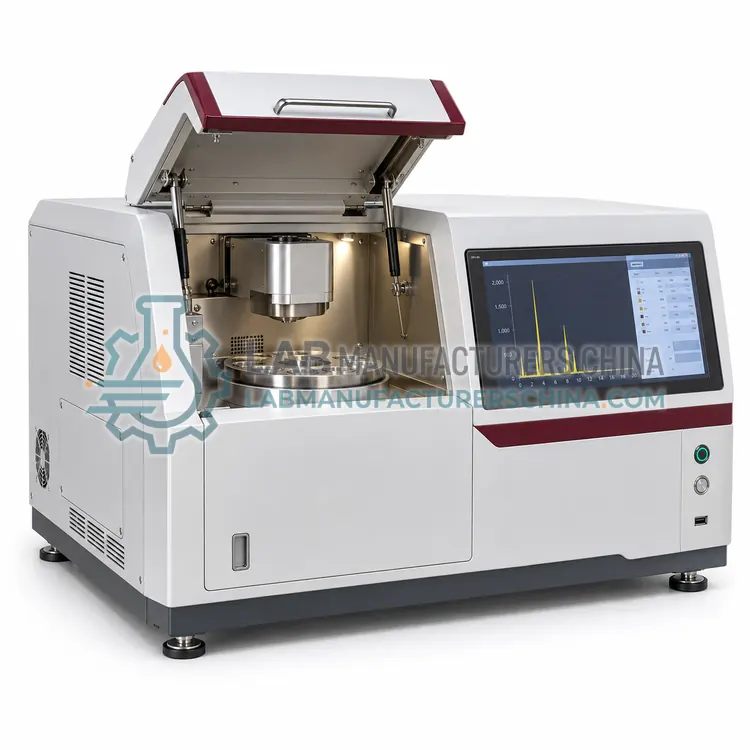 CXRAX 射线分析仪器X-ray analysis instruments use X-ray interaction with matter to determine elemental composition or crystal structure. The category covers X-ray fluorescence spectrometers, portable and benchtop XRF analyzers, and X-ray diffractometers for materials, environmental and industrial testing.
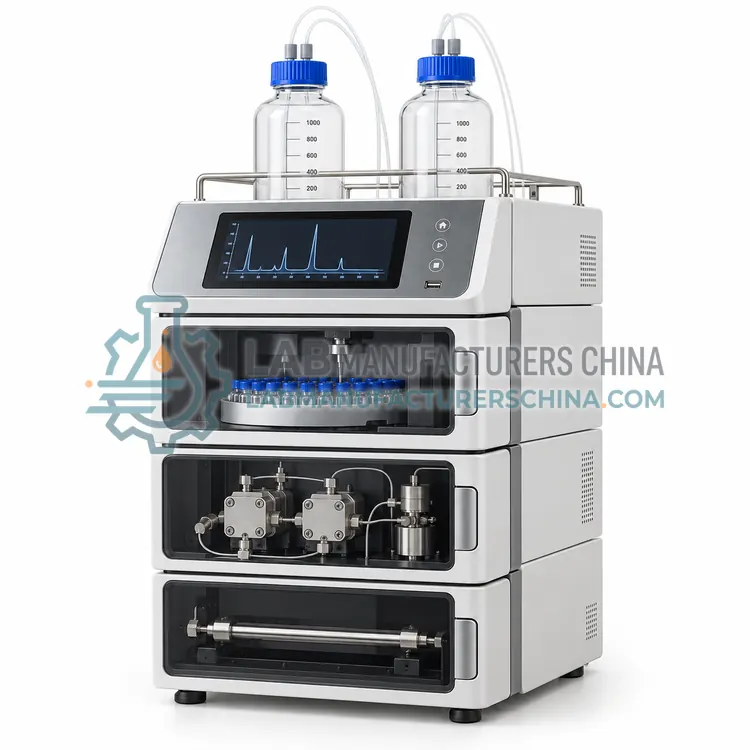 CCHI色谱仪器Chromatography instruments separate the components of a mixture between a mobile phase and a stationary phase, then detect and quantify each component. The category covers HPLC, UHPLC, gas chromatography, ion chromatography and flash chromatography systems used in QC, environmental, food, pharmaceutical and synthetic chemistry laboratories.
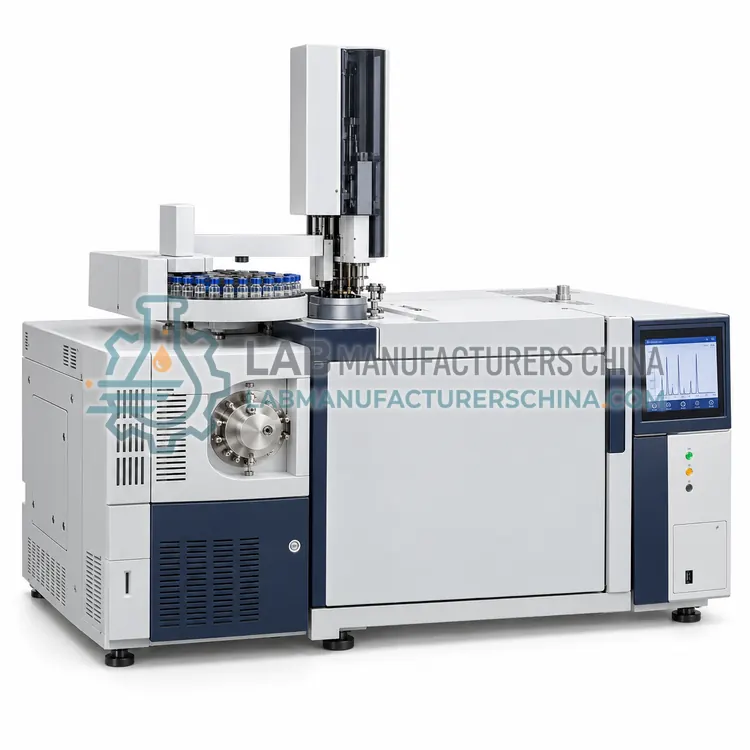 CMSI质谱仪器Mass spectrometry instruments ionize molecules or atoms, separate the ions by mass-to-charge ratio and detect them to identify and quantify compounds. The category covers GC-MS, LC-MS, ICP-MS, TOF and triple quadrupole systems used in pharmaceutical, clinical, food, environmental and materials laboratories.
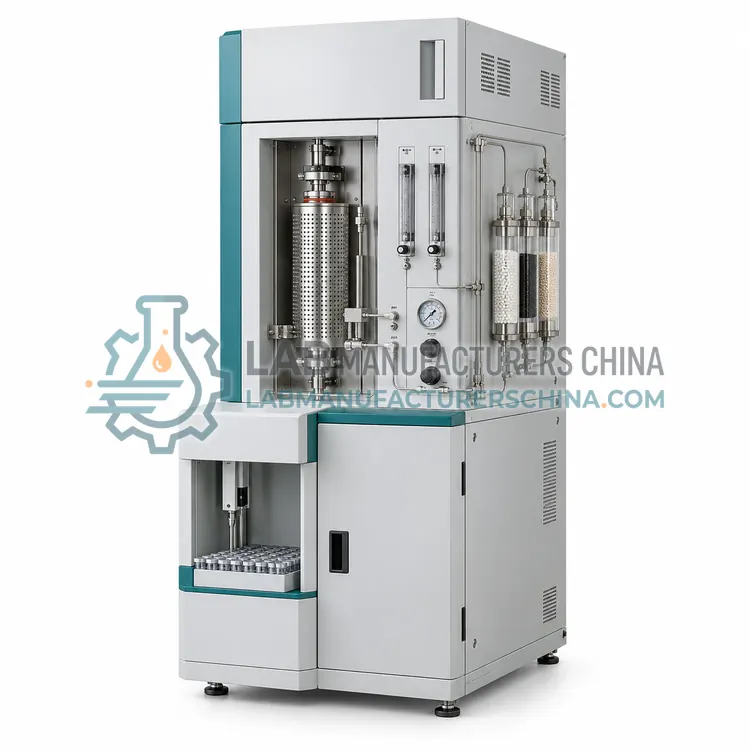 CEAI元素分析仪器Elemental analysis instruments determine the mass fraction of elements such as carbon, hydrogen, nitrogen, sulfur, oxygen and total organic carbon in solids, liquids and gases. The category covers CHNS, carbon-sulfur, oxygen-nitrogen-hydrogen and TOC analyzers used in chemistry, metallurgy, environmental and materials laboratories.