How do ICP Accessories work?
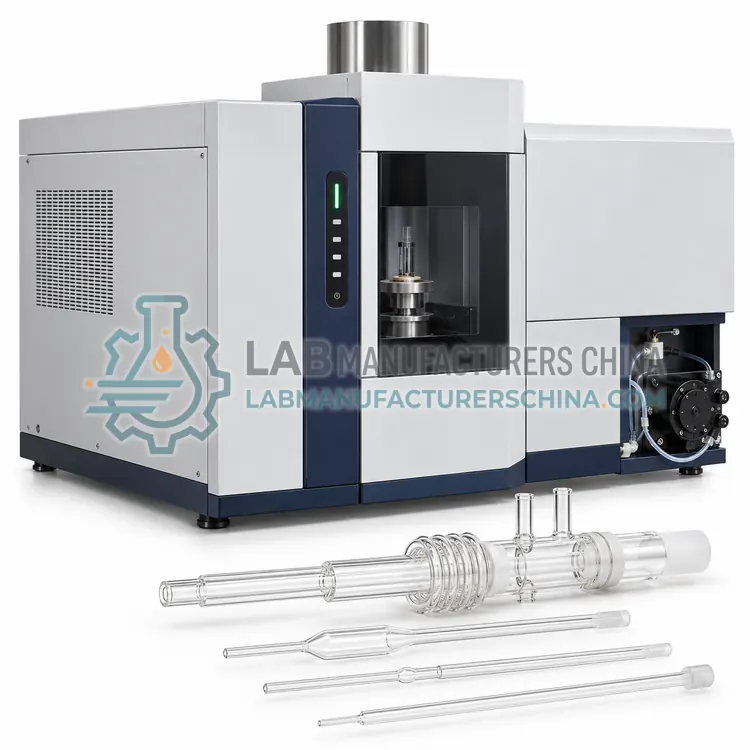
The plasma and sample path are exposed to high temperature, acid fumes and salt deposits, so their components are consumables that wear, corrode or become contaminated. Quartz torches and injectors shape the plasma and must be replaced when they devitrify, crack or accumulate deposits that change sensitivity. Nebulizers and spray chambers set aerosol quality and transport efficiency. RF load coils and torch boxes deliver the plasma power and must be matched to the generator and torch. Peristaltic pump tubing controls sample flow and internal standard addition, and worn tubing changes volumes. Autosampler probes, trays and rinse stations determine carry-over and throughput. Using the correct part number and material for each instrument, element and matrix, and replacing parts on schedule, protects sensitivity, precision and safety.
Which ICP Accessories variants are available?
- Quartz Torches and Injectors for ICP — Quartz torches and injectors shape and sustain the plasma and guide the aerosol into it.
- Nebulizers for ICP Sample Introduction — Nebulizers convert liquid samples into the aerosol that enters the ICP plasma.
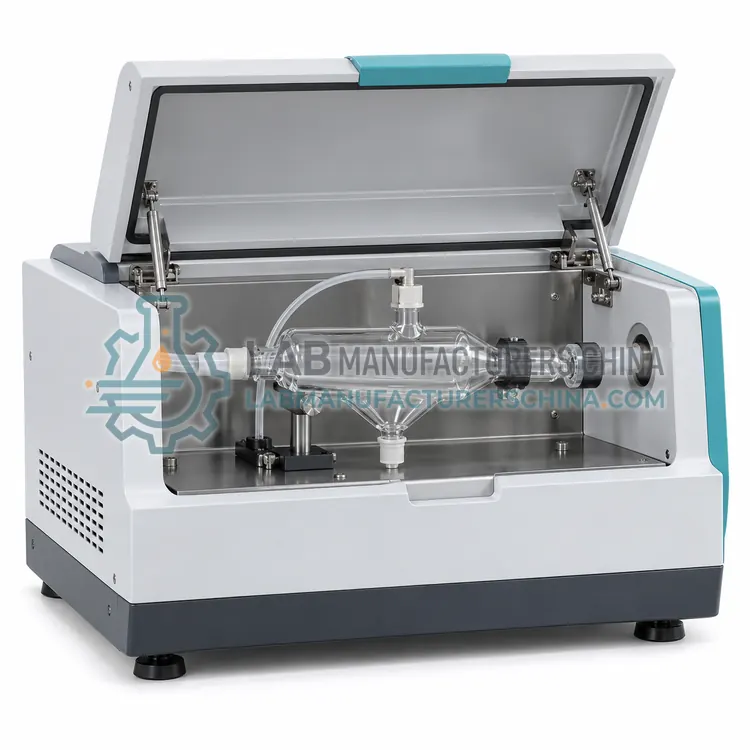
- Spray Chambers for ICP — Spray chambers remove large droplets from the aerosol before it reaches the plasma.
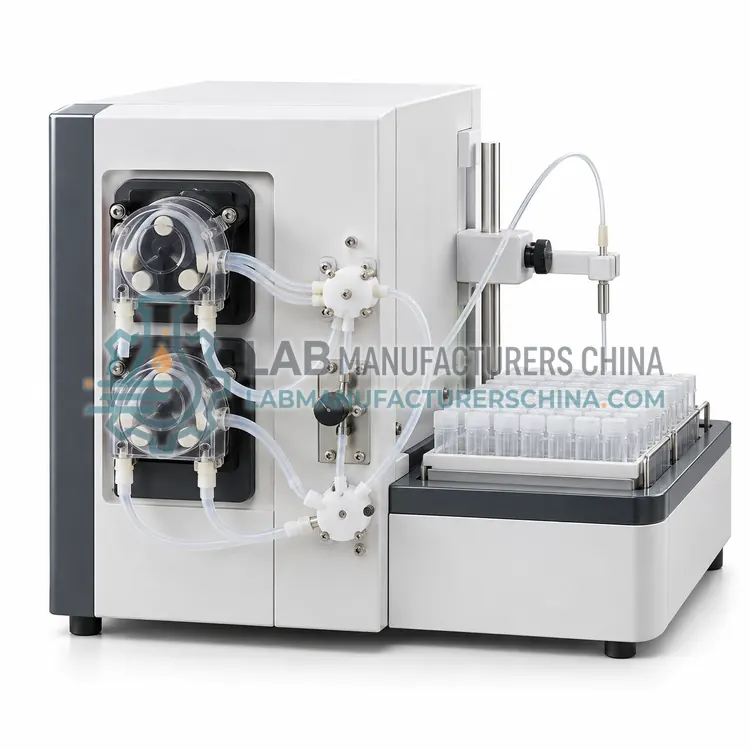
- Peristaltic Pump Tubing and Sample Loops for ICP — Peristaltic pump tubing and sample loops control the flow of sample, internal standard and rinse solutions in ICP systems.
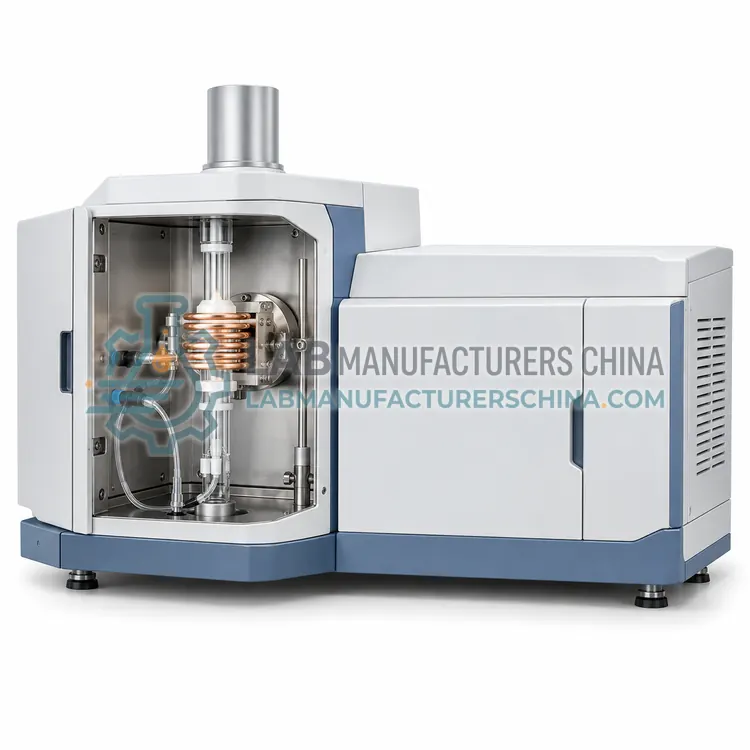
- ICP Torch Box and RF Load Coil Assemblies — Torch boxes and radio-frequency load coil assemblies deliver plasma power and position the torch.
- Autosampler Trays and Probes for ICP — Autosampler trays and probes hold sample vials and transfer solutions in routine ICP sequences.
How do I choose the right variant?
Select accessories by exact instrument model, torch type and application. Quartz torches are standard for aqueous and many organic methods, while ceramic or inert torches suit hydrofluoric acid and high-purity work. Injector bore diameter affects aerosol velocity and plasma stability, so match it to the sample introduction system and matrix. Nebulizers range from concentric for clean solutions to V-groove or parallel-path for high solids. Spray chambers differ in transport efficiency and washout time. RF coils and torch boxes must match the generator frequency and power. Pump tubing is chosen by internal diameter and chemical resistance. Autosampler probes and trays must fit the sampler. Confirm part numbers, materials and availability of performance data before ordering.
Where are ICP Accessories used?
ICP Accessories are specified in replacement torches and injectors for plasma systems, nebulizer and spray chamber maintenance kits, RF coil and torch box service parts and pump tubing and autosampler hardware consumables.
Which standards and certifications apply?
Work with ICP Accessories is commonly governed by USP <730> Plasma Spectrochemistry, USP <1058> Analytical Instrument Qualification, ISO 11885 Water quality — ICP-OES determination of elements, ISO 17294-2 Water quality — ICP-MS determination of elements, IEC 61010-1 and ISO/IEC 17025. Instrument certifications such as CE marking are confirmed per configuration and never assumed.
What are the key considerations before purchase?
Accessory condition is the most common reason for drifting sensitivity, noisy baselines and failed quality checks. Establish a maintenance schedule based on sample load and matrix: inspect torches and injectors for deposits and cracks, clean or replace nebulizers when uptake falls, and replace pump tubing and probes at defined intervals. Keep spares of the parts most likely to fail, because a blocked nebulizer or cracked torch stops the laboratory. Handle quartz carefully, store it clean and dry, and never use abrasive tools on injectors or nebulizers. After any replacement, verify performance with a check standard, confirm plasma stability and update the instrument log with the part and date.