How do ICP Sample Introduction Systems work?
The sample introduction system determines how much sample reaches the plasma and in what form. For liquids, a peristaltic pump delivers sample to a nebulizer, which creates an aerosol; a spray chamber then removes large droplets so only fine droplets enter the plasma. Nebulizer type and spray chamber design set transport efficiency, which is typically only a few percent, and thus sensitivity. Ultrasonic nebulizers use vibration to produce finer aerosols and improve transport, while electrothermal vaporization heats a small sample to form a vapor. Hydride generation converts certain elements into volatile species, separating them from the matrix. Laser ablation removes solid particles from a sample surface for direct analysis. Whichever approach is used, transport tubing length and gas flows must be optimized, and washout between samples controls carry-over.
Which ICP Sample Introduction Systems variants are available?
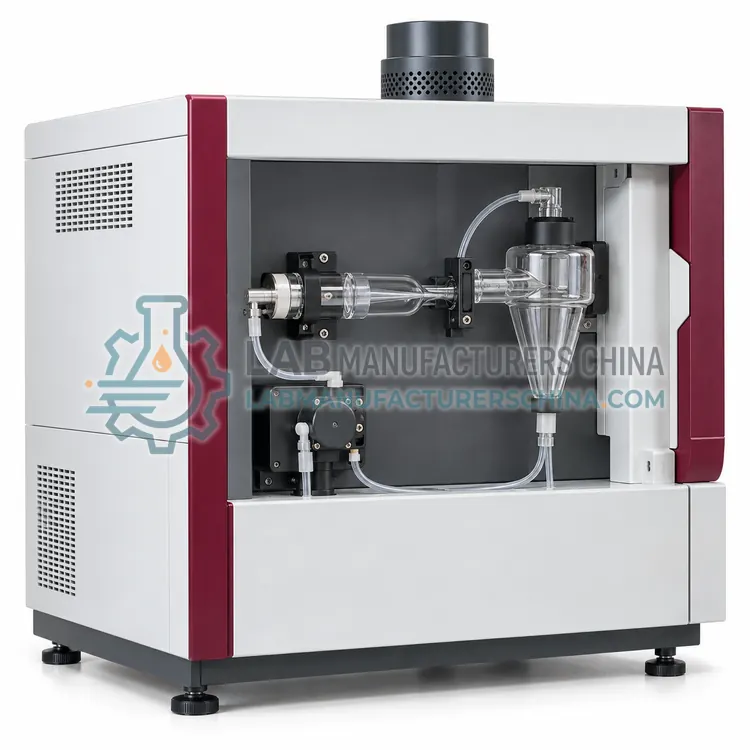
- Concentric Nebulizer and Cyclonic Spray Chamber System — A concentric nebulizer with a cyclonic spray chamber is the standard liquid sample introduction system for ICP.
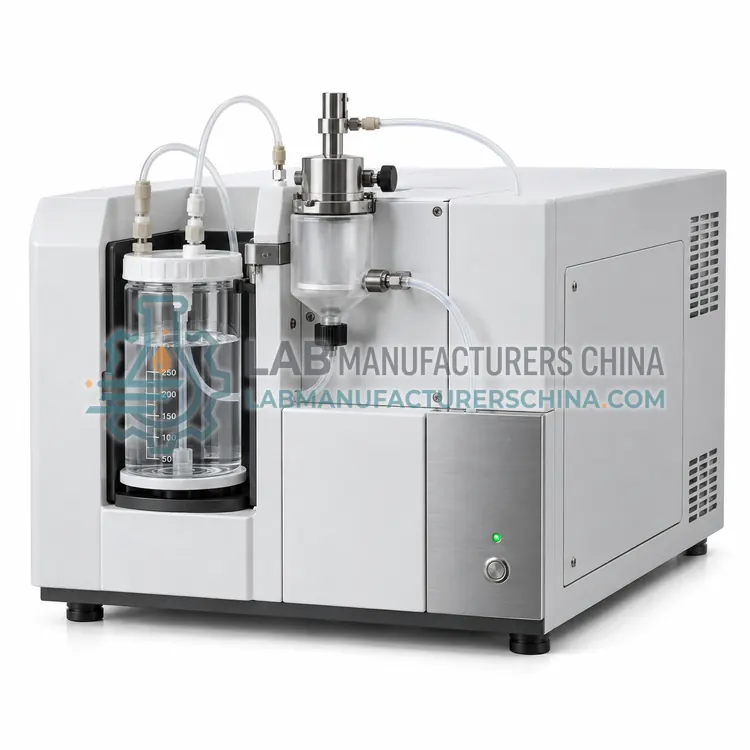
- Ultrasonic Nebulizer Sample Introduction System — An ultrasonic nebulizer sample introduction system uses a vibrating transducer to create a fine aerosol.
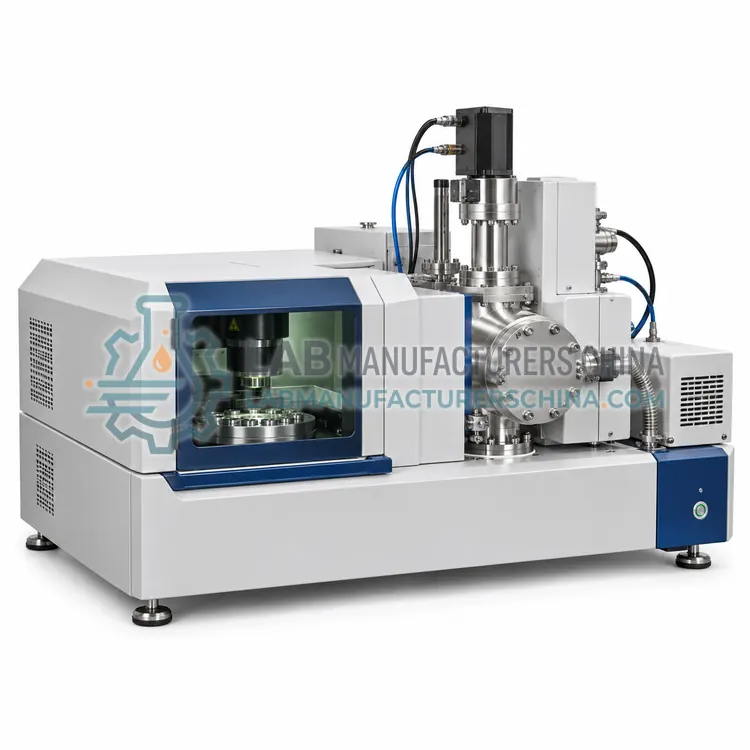
- Laser Ablation Sample Introduction System — A laser ablation sample introduction system uses a focused laser to remove solid material for direct plasma analysis.
- Electrothermal Vaporization Sample Introduction System — An electrothermal vaporization sample introduction system heats microlitre or milligram samples to form a vapor for the plasma.
- Hydride Generation Sample Introduction System — A hydride generation sample introduction system converts volatile elements into gaseous hydrides before the plasma.
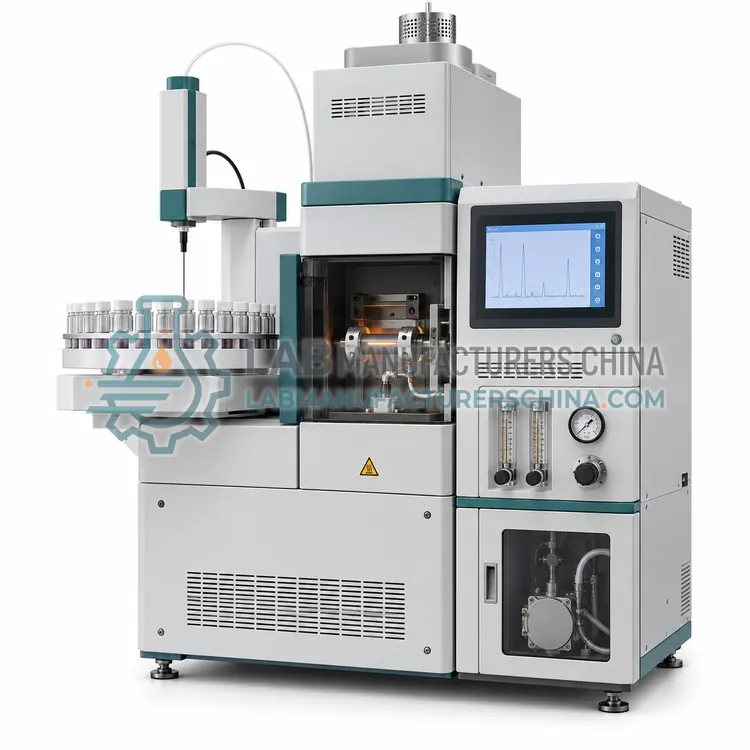
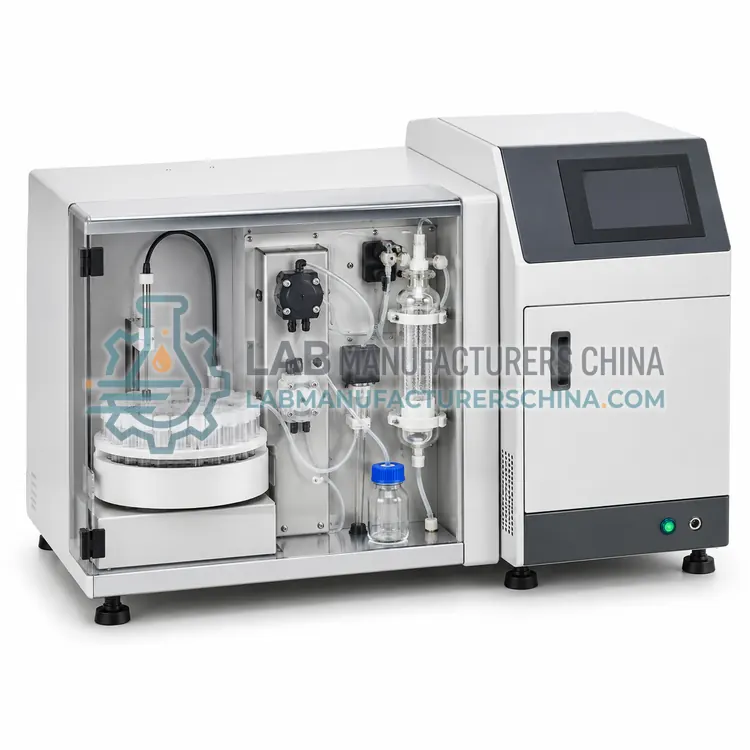
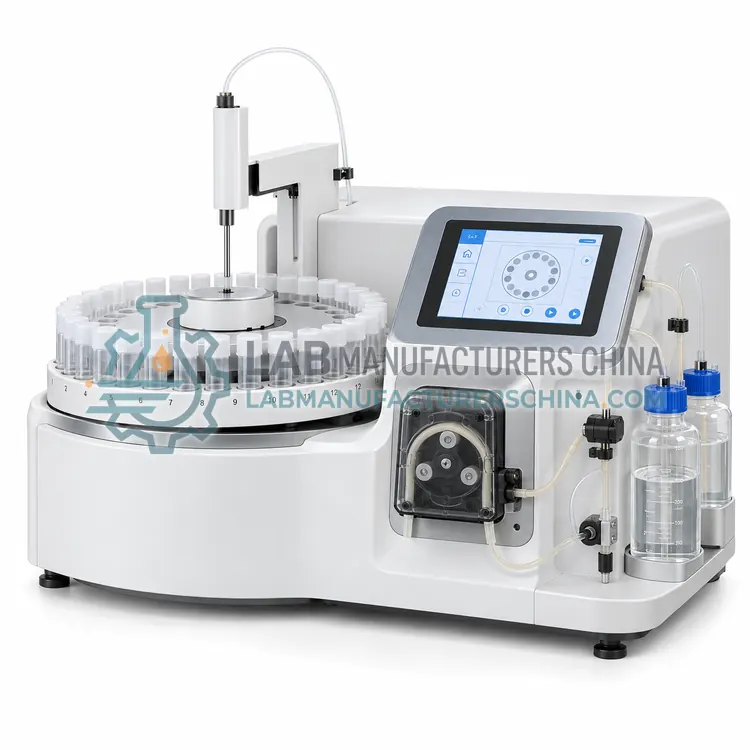
- Automated Autosampler and Peristaltic Pump Sample Introduction System — An automated autosampler and peristaltic pump sample introduction system delivers samples and standards in programmed sequences.
How do I choose the right variant?
Select a sample introduction system by sample type, detection limit requirements and matrix. A concentric nebulizer with a cyclonic spray chamber is the standard, efficient choice for clean aqueous solutions. High dissolved solids need a V-groove, cross-flow or high-solids nebulizer that resists blockage. Ultrasonic nebulization improves detection limits for trace work when sample volume allows. Laser ablation is chosen for solid samples and spatial mapping, and electrothermal vaporization for very small volumes or micro-samples. Hydride generation targets arsenic, selenium and related elements with matrix separation. Autosamplers with peristaltic pumps provide reproducible delivery and throughput. Confirm compatibility with your torch, plasma gas flows and instrument software.
Where are ICP Sample Introduction Systems used?
ICP Sample Introduction Systems are specified in routine liquid sample delivery for ICP-OES and ICP-MS, trace analysis with improved transport efficiency, direct solid sampling and elemental mapping and volatile element determination with matrix separation.
Which standards and certifications apply?
Work with ICP Sample Introduction Systems is commonly governed by USP <730> Plasma Spectrochemistry, ISO 11885 Water quality — ICP-OES determination of elements, US EPA Method 200.7, US EPA Method 200.8, US EPA Method 6020B and ISO/IEC 17025. Instrument certifications such as CE marking are confirmed per configuration and never assumed.
What are the key considerations before purchase?
Sample introduction components are the most frequently replaced parts of an ICP system and are the usual cause of reduced sensitivity or precision. Nebulizers clog, corrode or crack; spray chambers accumulate deposits; pump tubing stretches and changes flow; and laser cells and transport lines adsorb analytes. Establish cleaning and replacement schedules and keep spares. Transport efficiency depends on gas flow, tubing length and chamber design, so changing one component may require method reoptimization. For high-solids samples, dilute or use a matrix-tolerant nebulizer to avoid blockages. Always check uptake rate and aerosol quality after maintenance, and verify performance with a check standard before releasing results.