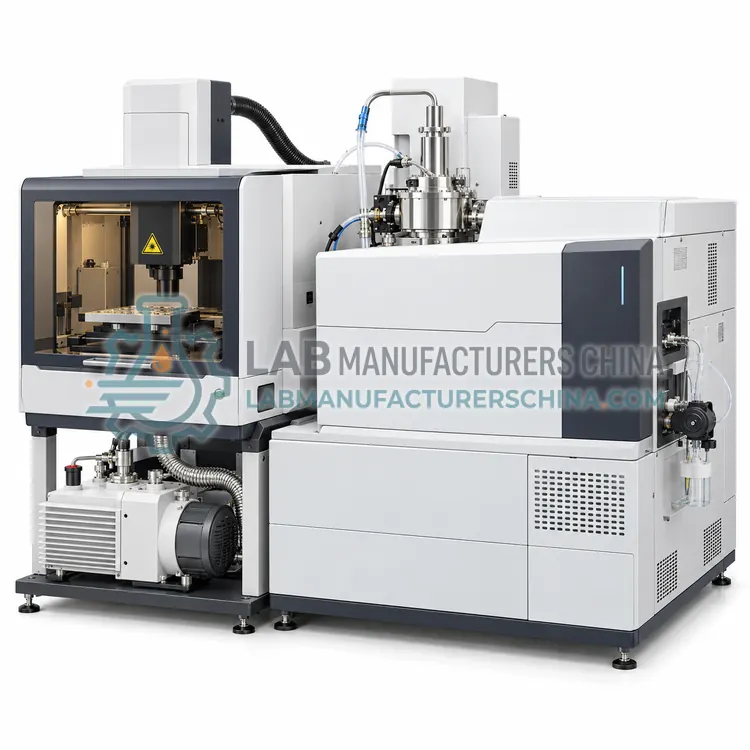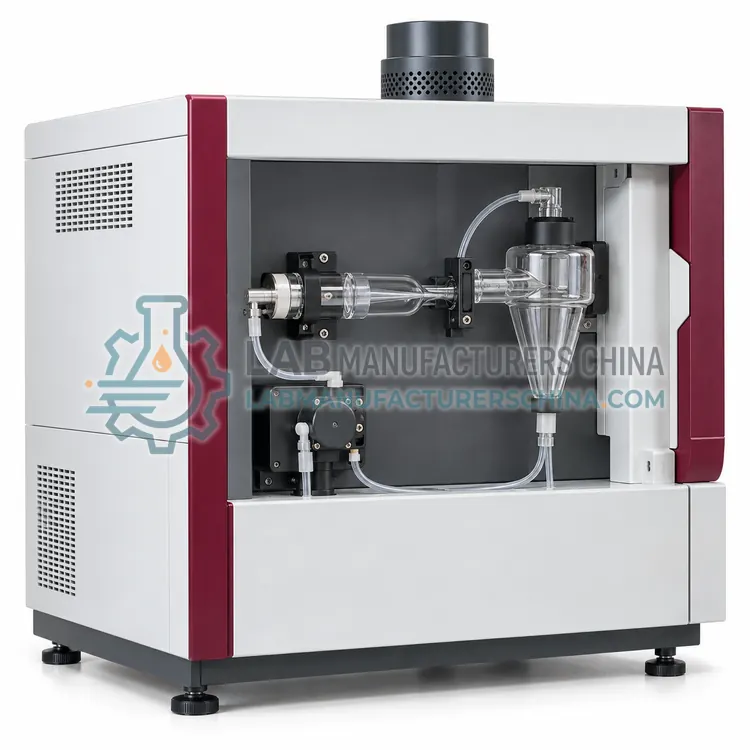
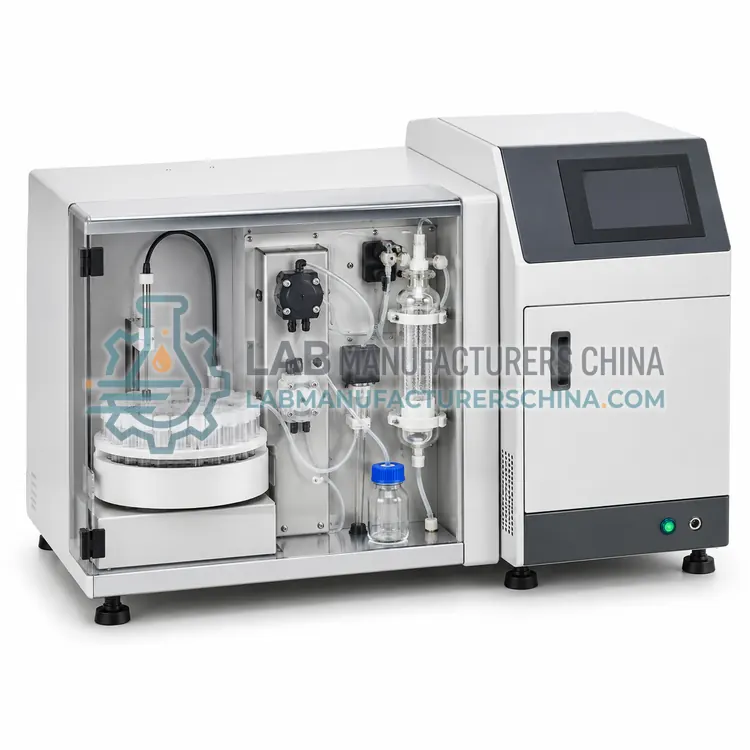
Hydride Generation Sample Introduction System
氢化物发生样品引入系统
- SKU ISI-0005
- ICP Sample Introduction Systems
- CE (to be confirmed)
- ISO 9001 manufacturing (to be confirmed)
- Elemental cleanliness test (to be confirmed)
Price on request — FOB / CIF quoted per order
Prices depend on configuration, quantity and destination port.
Key specifications
| Elements | As, Se, Sb, Bi, Sn, Te, Hg |
|---|---|
| Detection limit | 0.005–0.1 µg/L |
| Transport efficiency | near 100% |
| Reductant | sodium borohydride |
| Carrier gas | argon, 200–600 mL/min |
| Gas-liquid separator | low dead volume |
Request a quote Download brochure · to be provided
By Lab Manufacturers China Technical TeamLast reviewed Standards: USP <730> Plasma Spectrochemistry, ISO 11885 Water quality — ICP-OES determination of elements, US EPA Method 200.7
What is the Hydride Generation Sample Introduction System?
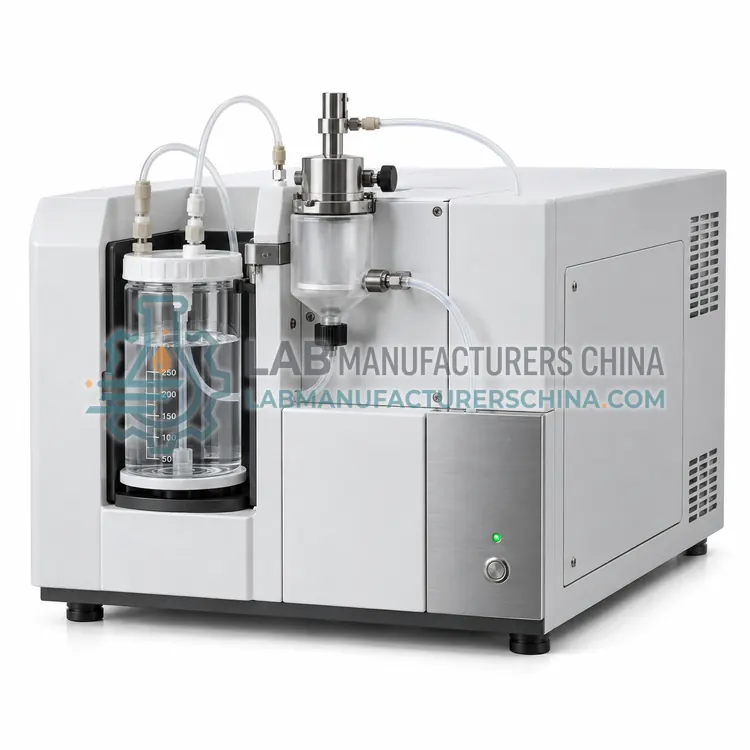
A hydride generation sample introduction system converts volatile elements into gaseous hydrides before the plasma. It is chosen for arsenic, selenium, antimony and mercury when matrix separation and low detection limits are needed.
What is the Hydride Generation Sample Introduction System?
A hydride generation sample introduction system converts volatile elements into gaseous hydrides before the plasma. It is chosen for arsenic, selenium, antimony and mercury when matrix separation and low detection limits are needed.
Overview
The sample is mixed with acid and sodium borohydride, generating a volatile hydride such as arsine or hydrogen selenide, or elemental mercury vapor in cold vapor mode. A gas-liquid separator transfers the vapor to a carrier gas stream that feeds the plasma, leaving most of the liquid matrix behind. Because the analyte is separated from the matrix, interferences from high concentrations of other elements are greatly reduced and transport efficiency approaches 100 percent, giving detection limits far below pneumatic nebulization. The system can be directly coupled to ICP-OES or ICP-MS, and it also suits speciation when combined with chromatography. Reaction conditions must be tightly controlled, and interferences from copper, nickel and other hydride-forming or catalytic elements require careful method design.
How does it work?
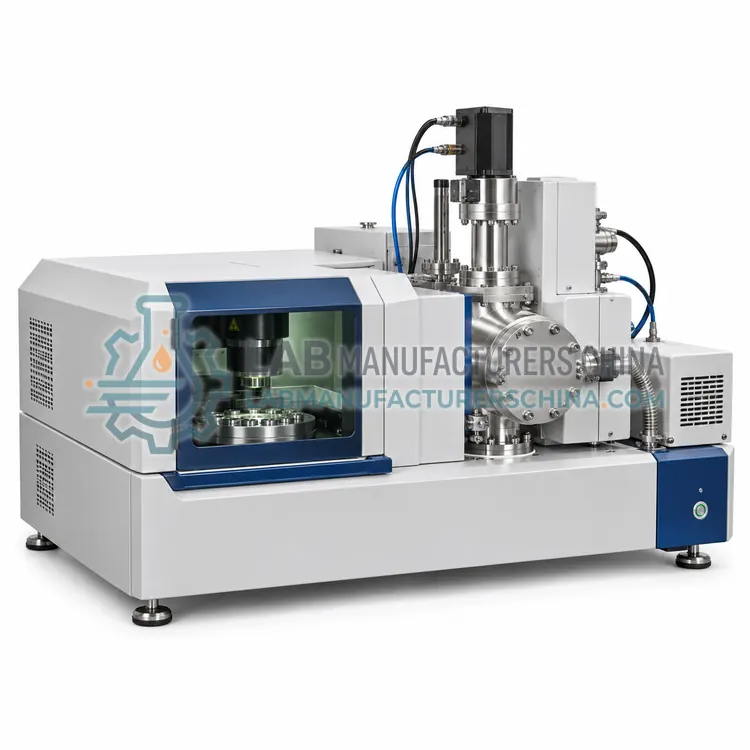
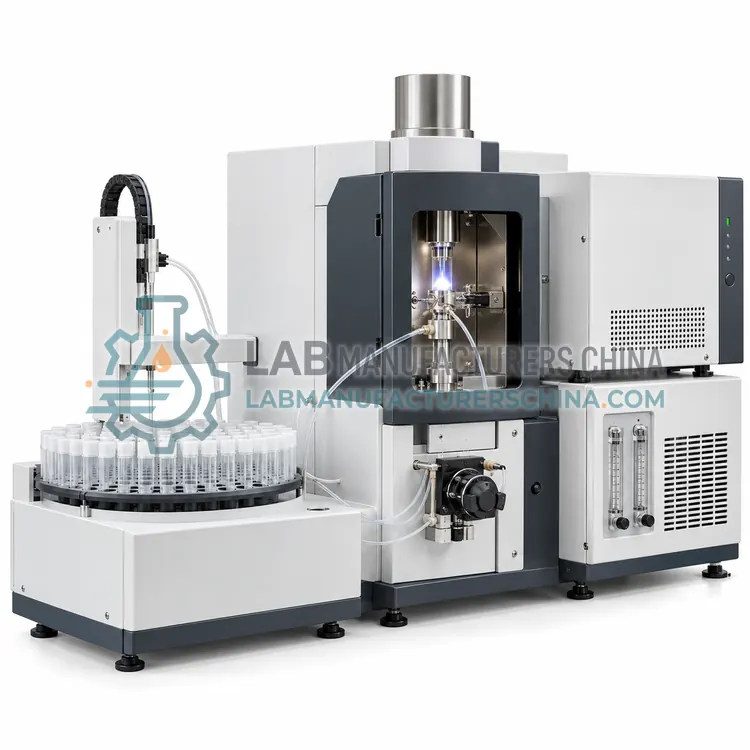
The sample introduction system determines how much sample reaches the plasma and in what form. For liquids, a peristaltic pump delivers sample to a nebulizer, which creates an aerosol; a spray chamber then removes large droplets so only fine droplets enter the plasma. Nebulizer type and spray chamber design set transport efficiency, which is typically only a few percent, and thus sensitivity. Ultrasonic nebulizers use vibration to produce finer aerosols and improve transport, while electrothermal vaporization heats a small sample to form a vapor. Hydride generation converts certain elements into volatile species, separating them from the matrix. Laser ablation removes solid particles from a sample surface for direct analysis. Whichever approach is used, transport tubing length and gas flows must be optimized, and washout between samples controls carry-over.
What are the key features?
- Reaction manifold with sodium borohydride
- Gas-liquid separator for vapor transfer
- Near 100 percent analyte transport
- Cold vapor mode for mercury
- Greatly reduced matrix interference
- Direct coupling to ICP-OES or ICP-MS
What are the technical specifications?
A typical hydride generation sample introduction system configuration offers elements of As, Se, Sb, Bi, Sn, Te, Hg, detection limit of 0.005–0.1 µg/L, transport efficiency of near 100%, reductant of sodium borohydride, carrier gas of argon, 200–600 mL/min and gas-liquid separator of low dead volume. Values are indicative of the product class; the exact figures for each configuration are confirmed on the quotation and the calibration documents supplied with the instrument.
Which applications is it used for?
The Hydride Generation Sample Introduction System is used in arsenic and selenium in water and food, mercury by cold vapor generation, antimony and tin in packaging and polymers and speciation with chromatographic coupling. Across the wider ICP Sample Introduction Systems class, laboratories also deploy it for routine liquid sample delivery for ICP-OES and ICP-MS, trace analysis with improved transport efficiency and direct solid sampling and elemental mapping.
Which standards and certifications apply?
Relevant standards and methods include USP <730> Plasma Spectrochemistry, ISO 11885 Water quality — ICP-OES determination of elements, US EPA Method 200.7, US EPA Method 200.8, US EPA Method 6020B and ISO/IEC 17025. Certification candidates for this model are CE, ISO 9001 manufacturing and Elemental cleanliness test; each is to be confirmed for the specific configuration before shipment, and certificates are supplied only where they have been issued.
Sample introduction components are the most frequently replaced parts of an ICP system and are the usual cause of reduced sensitivity or precision. Nebulizers clog, corrode or crack; spray chambers accumulate deposits; pump tubing stretches and changes flow; and laser cells and transport lines adsorb analytes. Establish cleaning and replacement schedules and keep spares. Transport efficiency depends on gas flow, tubing length and chamber design, so changing one component may require method reoptimization. For high-solids samples, dilute or use a matrix-tolerant nebulizer to avoid blockages. Always check uptake rate and aerosol quality after maintenance, and verify performance with a check standard before releasing results.
How do I select the right Hydride Generation Sample Introduction System?
Select hydride generation when the target elements are volatile hydride formers, especially mercury, and when matrix separation or the lowest detection limits are needed. Specify the elements, matrices and whether speciation is planned. Confirm that the plasma can accept a dry vapor stream and that reagent and waste handling are in place.
How does it compare with other ICP Sample Introduction Systems variants?
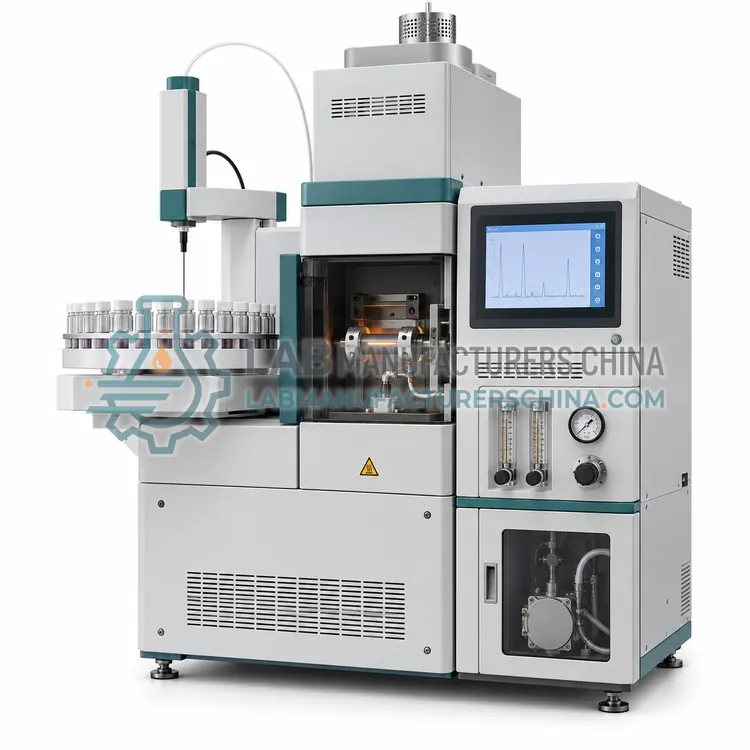
Select a sample introduction system by sample type, detection limit requirements and matrix. A concentric nebulizer with a cyclonic spray chamber is the standard, efficient choice for clean aqueous solutions. High dissolved solids need a V-groove, cross-flow or high-solids nebulizer that resists blockage. Ultrasonic nebulization improves detection limits for trace work when sample volume allows. Laser ablation is chosen for solid samples and spatial mapping, and electrothermal vaporization for very small volumes or micro-samples. Hydride generation targets arsenic, selenium and related elements with matrix separation. Autosamplers with peristaltic pumps provide reproducible delivery and throughput. Confirm compatibility with your torch, plasma gas flows and instrument software.
Full specifications
| Elements | As, Se, Sb, Bi, Sn, Te, Hg |
|---|---|
| Detection limit | 0.005–0.1 µg/L |
| Transport efficiency | near 100% |
| Reductant | sodium borohydride |
| Carrier gas | argon, 200–600 mL/min |
| Gas-liquid separator | low dead volume |
| Modes | hydride and cold vapor |
| Sample uptake | 2–8 mL/min |
| Measurement time | 30–90 s per sample |
| Coupling | ICP-OES or ICP-MS |
Indicative values for this product class. Final specifications are confirmed on the quotation and in the calibration documents supplied with the instrument.
Applications
- Arsenic and selenium in water and food
- Mercury by cold vapor generation
- Antimony and tin in packaging and polymers
- Speciation with chromatographic coupling
Key features
- Reaction manifold with sodium borohydride
- Gas-liquid separator for vapor transfer
- Near 100 percent analyte transport
- Cold vapor mode for mercury
- Greatly reduced matrix interference
- Direct coupling to ICP-OES or ICP-MS
Frequently asked questions about Hydride Generation Sample Introduction System
The analyte is converted to a gas and separated from the liquid matrix, so nearly all of it reaches the plasma instead of a few percent. Matrix species that would raise background are left behind, and the dry vapor produces less oxide interference, together giving detection limits far below pneumatic nebulization.
Copper, nickel, cobalt and noble metals can catalytically decompose hydrides or compete for borohydride, reducing the signal. Oxidizing agents and high acidity also cause problems. Masking agents such as thiourea, careful acid control and standard addition mitigate these effects, which must be evaluated during method development.
Yes, it is often placed after an HPLC separation to measure individual arsenic, selenium or mercury species, a technique known as speciation analysis. Each species elutes at a different time and is converted to hydride for detection. The coupling tubing and reaction timing must preserve chromatographic resolution.
A pneumatic nebulizer produces droplets of many sizes, and the spray chamber removes most of them to prevent solvent overload and plasma instability. Only a few percent of the sample reaches the plasma. This is why nebulizer and spray chamber design, and the resulting fine aerosol fraction, strongly affect sensitivity.
V-groove, cross-flow, Babington or parallel-path nebulizers tolerate high salt content better than concentric designs because they have wider orifices and resist blockage. A heated spray chamber and dilution also help. Dedicated high-solids kits reduce maintenance and improve long-term stability.
Ultrasonic nebulization produces a finer aerosol and improves transport efficiency, lowering detection limits by roughly five to ten times for clean samples. It uses more sample volume and needs desolvation, and it is more affected by high dissolved solids, so it suits trace analysis of relatively clean solutions.